




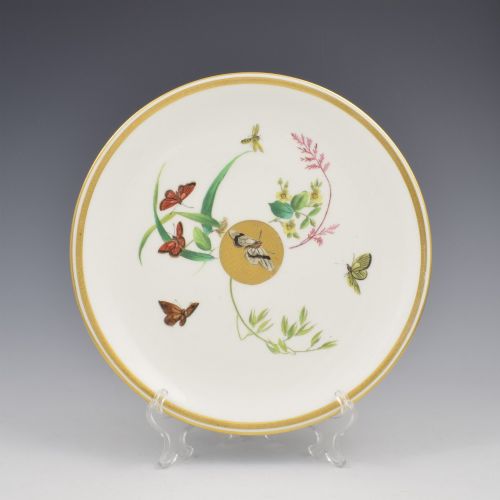
Japanese Hand Painted Plate
A japanese hand painted plate brings centuries of kiln craft and brushwork to a room, offering bold colour and intricate patterns on porcelain and earthenware.
Japanese Hand Painted Plate
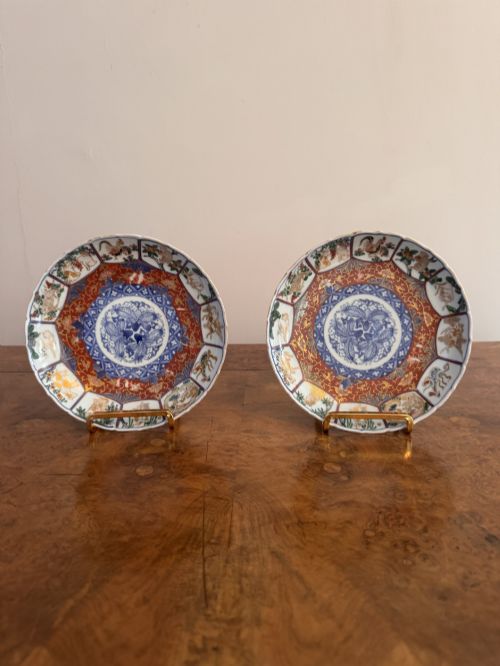
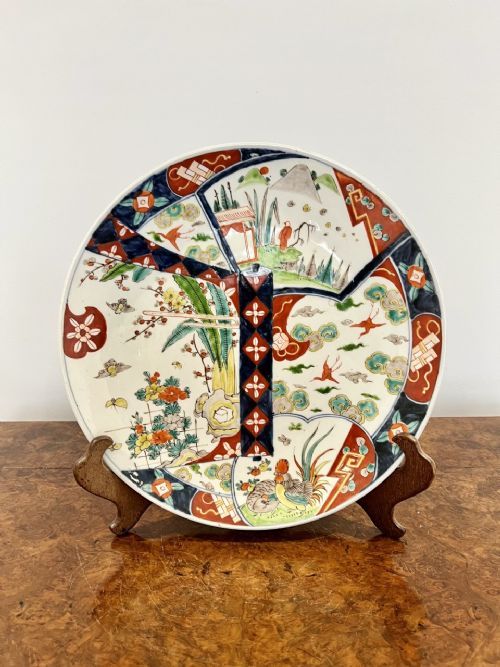
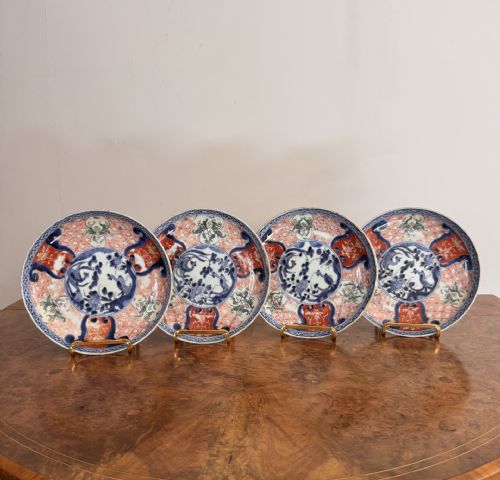
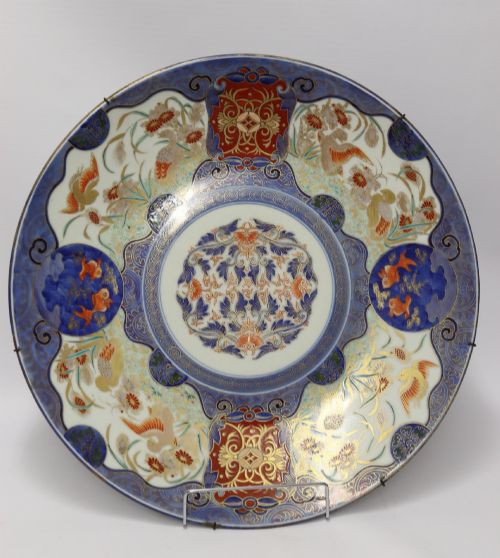
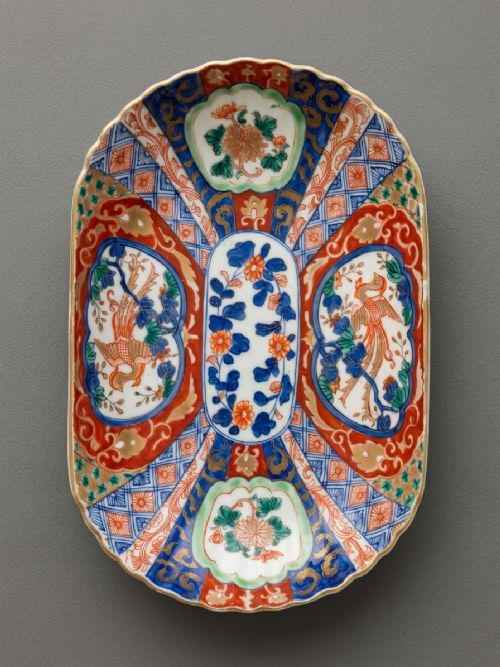
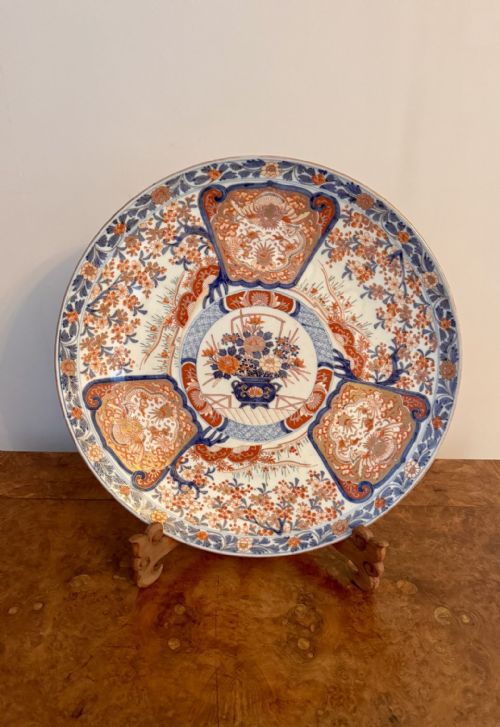
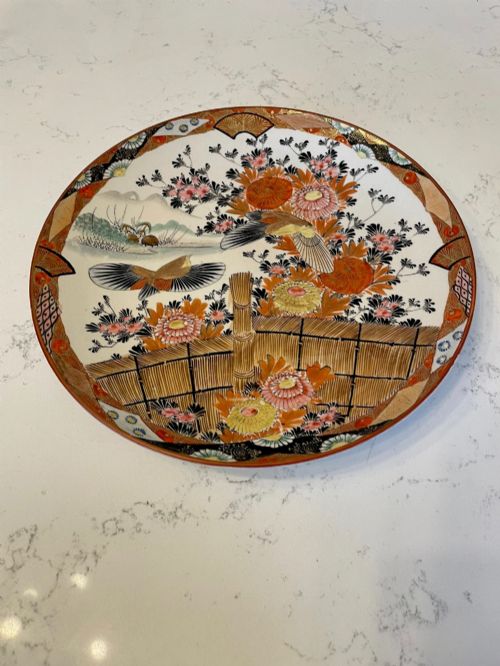
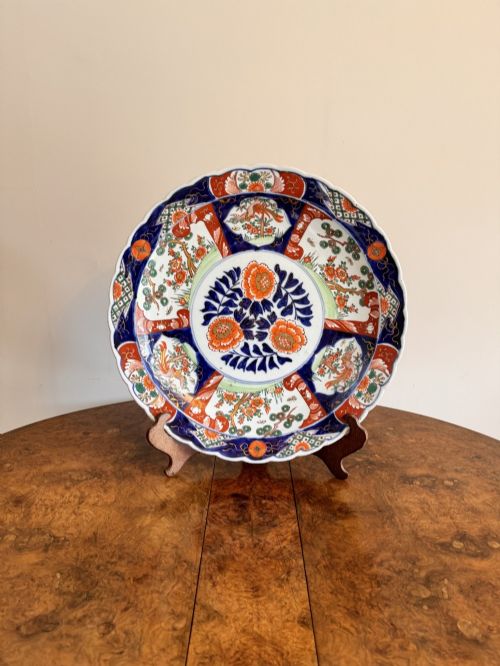
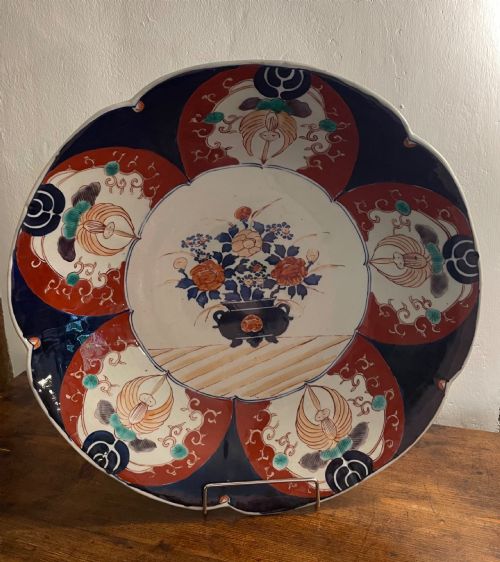
A japanese hand painted plate encompasses circular chargers, cabinet plates, and scalloped dishes produced across the eighteenth, nineteenth, and early twentieth centuries. The pieces on this page lean heavily toward the Meiji period and Victorian eras, often taking the form of large Imari chargers or Kutani porcelain.
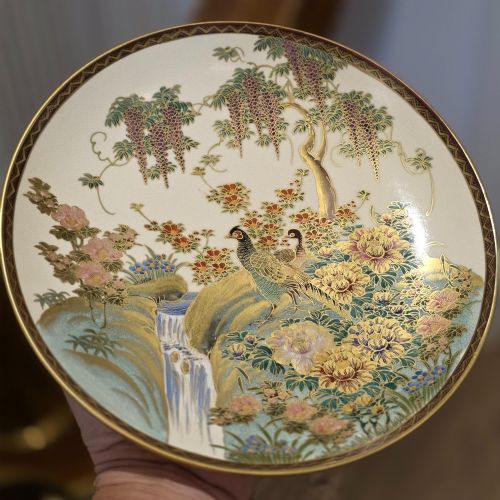
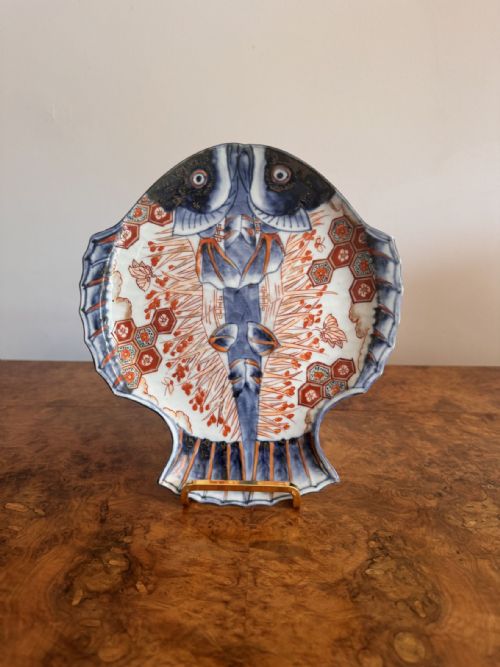
Makers and potteries worked within specific stylistic traditions such as Arita and Satsuma, creating forms shaped like fish, shells, or hexagons alongside standard round vessels. Buyers encounter everything from single cabinet dishes to pairs and larger sets intended for display or dessert service.
Materials and production methods
Potters shaped porcelain and earthenware bodies before applying cobalt underglaze, enamel pigments, and gold leaf or gilt details by hand. Kiln firing fixed the base layers, while subsequent firings set the intricate overglaze enamels and metallic accents.
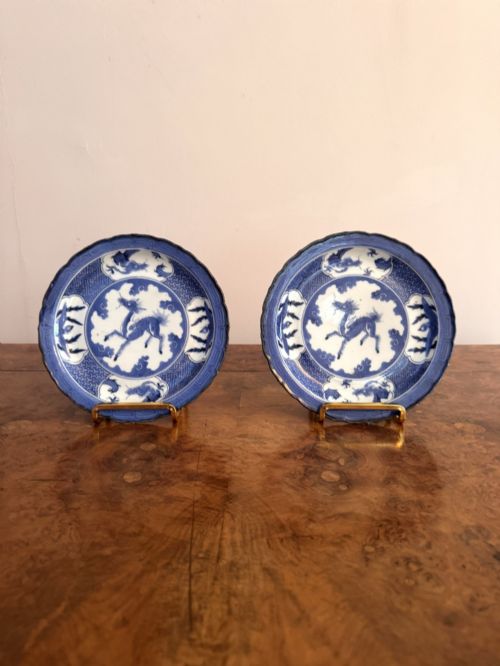
Workshops utilised specific regional clays and mineral pigments, combining blue and white underglaze painting with rich polychrome schemes and gold gilding to achieve depth and texture across the surface.
Japanese Hand Painted Plate Retail Price Guide 2026
Typical asking prices for japanese hand painted plate among the pieces listed under this phrase on Sellingantiques today, from the lower quarter to the upper quarter. They describe what is for sale here now, not the wider market.
Fish-shaped plates remind us that Victorian dinner tables possessed a wonderful sense of marine whimsy.
Factors of distinction
The precision and density of the hand-painted brushwork separate standard production ware from superior examples, particularly in the depiction of flora, fauna, and figures such as the Seven Lucky Gods. The crispness of the cobalt underglaze and the application of gold leaf dictate visual weight and longevity.
Form adds another layer of distinction, where unusual shapes like fish, shells, or hexagonal edges demand greater skill from the potter than simple round plates. The depth of the enamel colours and the balance of the composition govern overall success.
Koshida
The Japanese Hand Painted Plate Glossary
- Imari
- A style of Japanese porcelain featuring a palette of cobalt blue, iron red, and gold, named after the port of shipment. These pieces often display complex floral and bird motifs.
- Kutani
- A style of Japanese coloured porcelain and pottery known for bold pictorial designs and rich enamel work. Production centres in the Ishikawa prefecture.
- Charger
- A large decorative plate utilised primarily for display on walls or cabinets rather than dining. They measure significantly larger than standard dinner plates.
- Meiji Period
- The era in Japanese history spanning from 1868 to 1912, characterised by opening trade with the West and prolific ceramic production. Pieces from this time combine traditional motifs with new export demands.
- Cobalt Underglaze
- A blue pigment applied to the raw clay body before glazing and firing, ensuring the colour remains permanent and protected beneath the glassy surface.
Japanese Hand Painted Plate: Frequently Asked Questions
How do I hang a heavy charger?
Heavy chargers require specialised spring-loaded wall hangers with rubber-tipped prongs that distribute weight evenly across the rim. Ensure the fixing secures firmly into wall studs rather than plaster alone.
Displaying plates safely protects the glaze from accidental knocks while allowing the hand-painted details to catch natural light in a room.
Were these plates made for dining?
While some porcelain pieces functioned as dessert plates, large chargers and intricate cabinet plates served primarily as decorative objects. Their elaborate gilt and enamel surfaces were meant for visual appreciation.
Utilising them for food service risks wearing down the delicate overglaze enamel and gold leaf applied by the original painters.
How do I date a Meiji piece?
Dating relies on stylistic markers, historical periods, and export trends associated with the late nineteenth and early twentieth centuries. Meiji period pieces often reflect increased international trade and complex decorative layering.
Examining the foot ring, glaze characteristics, and brushwork helps distinguish nineteenth-century works from later reproductions or twentieth-century items.
Can I wash antique porcelain?
Cleaning requires only a soft, dry cloth or a slightly damp sponge with no harsh detergents. Submerging antique plates in water can damage vulnerable overglaze enamels and old repairs.
Keeping moisture away from unglazed foot rings preserves the structural integrity of the ceramic body over time.