



Qing Dynasty Pottery
Qing dynasty pottery encompasses the imperial wares, scholar's objects, and export porcelain produced during the final dynastic era.
Qing Dynasty Pottery
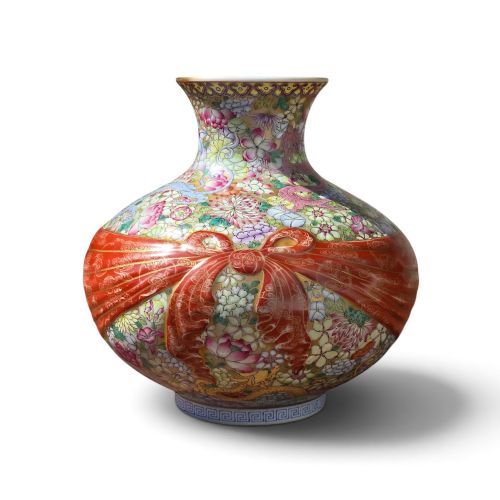
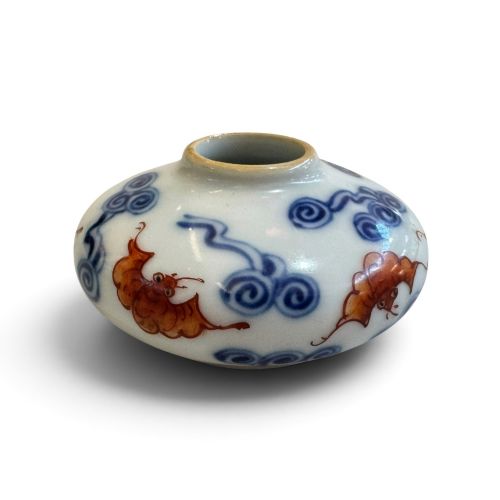
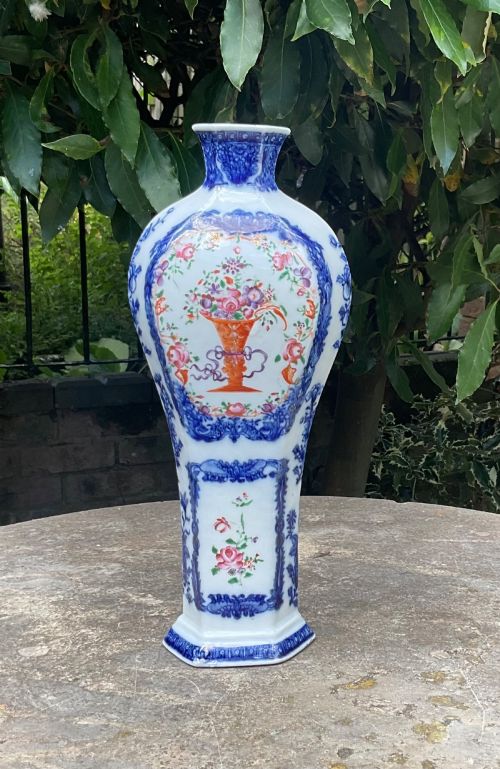
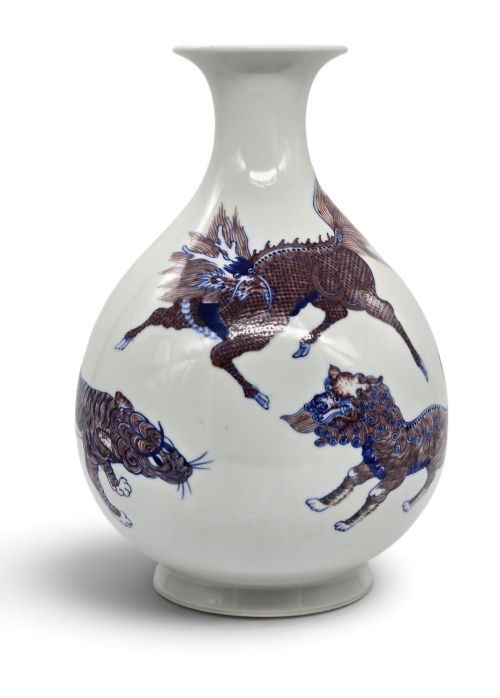
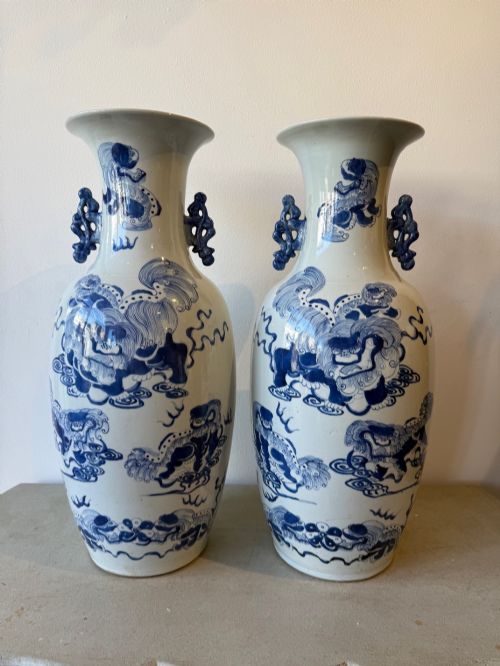
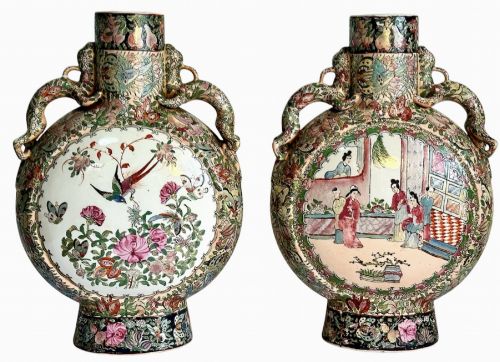
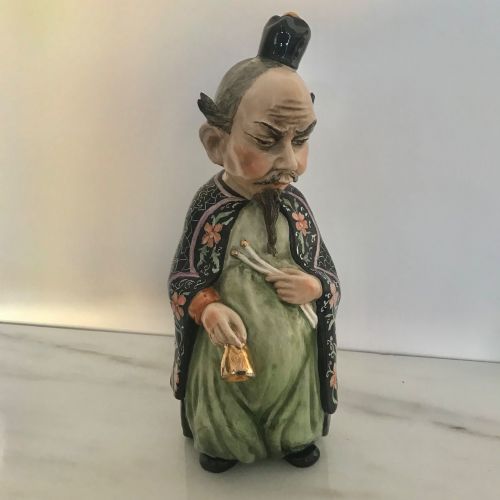
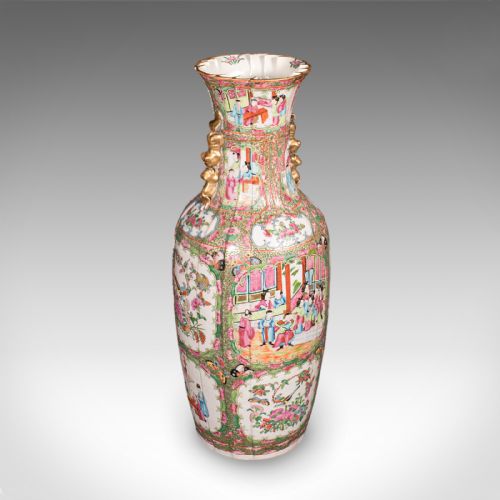
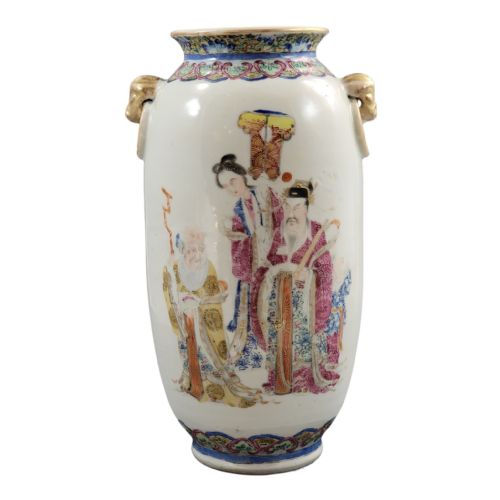
When you search for qing dynasty pottery, you encounter a diverse range of ceramics spanning utilitarian vessels to decorative figures created during the Qing period. The pieces appearing here most frequently include blue and white porcelain vases, famille rose jars, monochrome glazed brush washers, and moulded earthenware Buddhist lions.
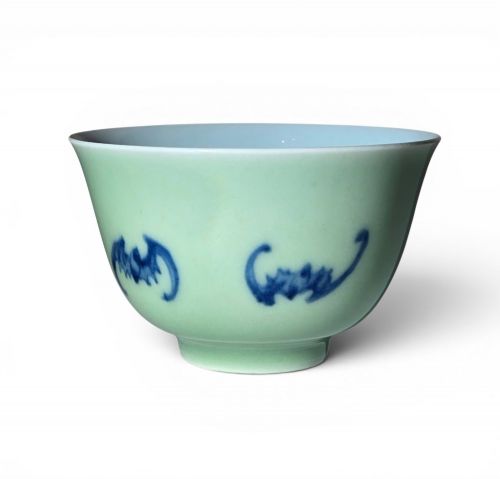
Forms vary considerably from large baluster vases and moon flasks down to small scholar's water pots and incense holders. Many items display traditional glazes such as celadon, iron rust, or tea dust alongside hand-painted polychrome enamel decoration depicting dragons, bats, and symbolic figures.
Materials and Construction Techniques
The body of these ceramics relies primarily on fine porcelain, earthenware, or stoneware clays shaped on the wheel or pressed into moulds. Kiln workers applied cobalt blue underglaze pigments before firing, or added overglaze enamels such as famille rose and famille verte in subsequent low-temperature firings.
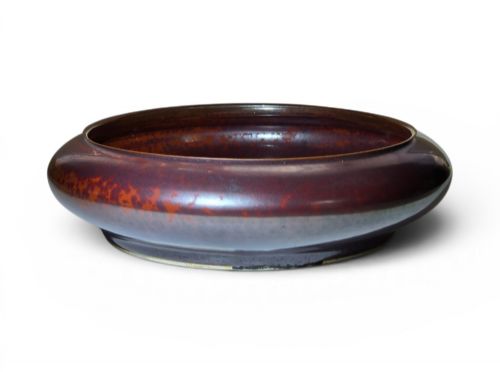
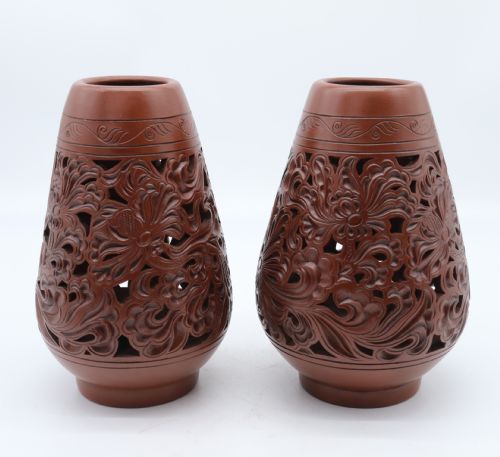
Specialised surface treatments define many pieces, ranging from crackle glazes and gold leaf accents to intricate reticulated carving. Potters utilised precise temperature control in imperial and provincial kilns to achieve smooth monochrome coatings like tea dust and iron rust glazes.
Glazed cockerels and laughing boys keep watch over the collection.
Assessing Craftsmanship and Execution
Quality reveals itself in the precision of the brushwork and the clarity of the underglaze painting, where finer examples display confident, detailed linework. The smoothness of the glaze application and the refinement of the clay body further distinguish superior works from standard production pieces.
The crispness of moulded details on figures such as Foo dogs and Buddhist lions separates workshop output of varying skill levels. Additionally, the balance of form and the successful control of complex reactive glazes indicate the proficiency of the potter.
Jingdezhen·Shiwan
The Qing Dynasty Pottery Glossary
- Famille Rose
- A palette of opaque overglaze enamels dominated by pink or rose colours, introduced during the Qing dynasty. It allowed for subtle tonal gradations in floral and figural scenes.
- Celadon
- A transparent jade-green glaze over a pale porcelain body, prized for its subtle colour and smooth tactile finish. This traditional glaze creates a quiet, understated aesthetic.
- Biscuit
- Fired unglazed ceramic pottery that provides a porous surface for subsequent enamel application. This technique appears on specialised decorative vases and figures.
- Underglaze Blue
- Cobalt pigment applied directly to the clay body beneath a clear transparent glaze before firing. This method ensures the decoration remains permanent and protected.
Qing Dynasty Pottery: Frequently Asked Questions
What is qing dynasty pottery?
Qing dynasty pottery comprises ceramics made in China between 1644 and 1912, encompassing both imperial wares and pieces for everyday or export markets. These objects range from blue and white porcelain jars to brightly enamelled figures and scholar's table items.
The materials and styles evolved significantly across the reigns of different emperors, moving from refined cobalt blue painting to complex multi-coloured enamels and textured monochrome glazes. Collectors value them for their historical breadth and technical accomplishment.
How were blue and white vessels decorated?
Artisans painted cobalt blue pigment directly onto the unfired porcelain body using fine animal-hair brushes. The piece was then coated in a transparent glaze and fired at high temperatures in a kiln.
This process caused the cobalt to fuse beneath the glass-like surface, creating a durable blue design against a white background. Variations in the shade of blue resulted from the purity of the cobalt and the temperature of the kiln.
Where were these ceramics produced?
The primary centre of production was the imperial kiln complex at Jingdezhen in Jiangxi province, renowned for fine porcelain. Other regional kilns, such as those at Shiwan, specialised in heavier stoneware and earthenware figures with thick coloured glazes.
Different geographical regions developed distinct styles based on local clay resources and kiln traditions. Export wares were also tailored to suit European tastes while maintaining traditional Chinese forms.
How do you display pottery at home?
Larger vessels like baluster vases and chargers work well as prominent centrepieces on sturdy tables or within dedicated display cabinets. Smaller objects, including brush washers and cups, suit smaller surfaces where their fine details remain visible.
Protecting pieces from direct sunlight and accidental knocks ensures safety while allowing the colours and glazes to catch natural ambient light.