



Qing Dynasty Painting
A qing dynasty painting brings centuries of imperial artistry into a room, offering rich pigments and intricate detail that collectors prize.
Qing Dynasty Painting
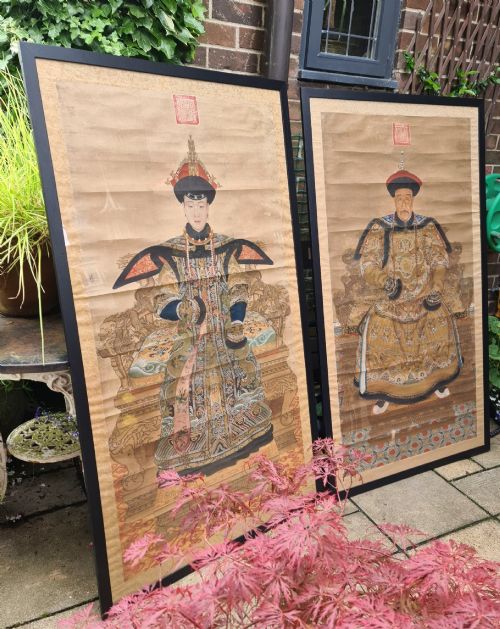
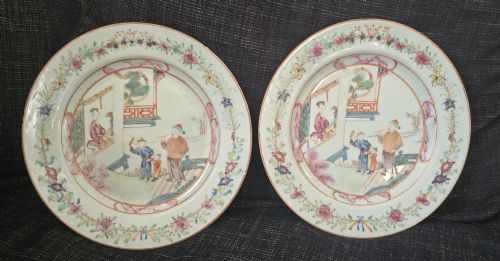
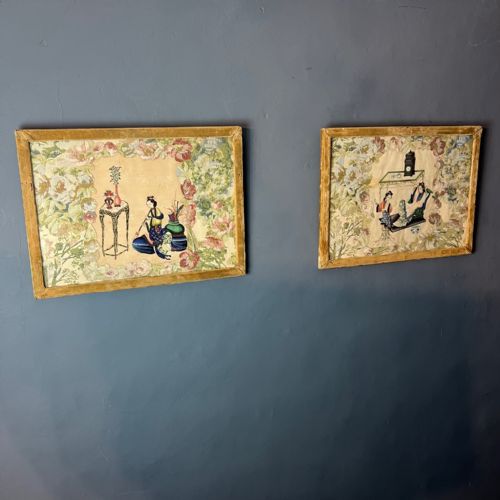
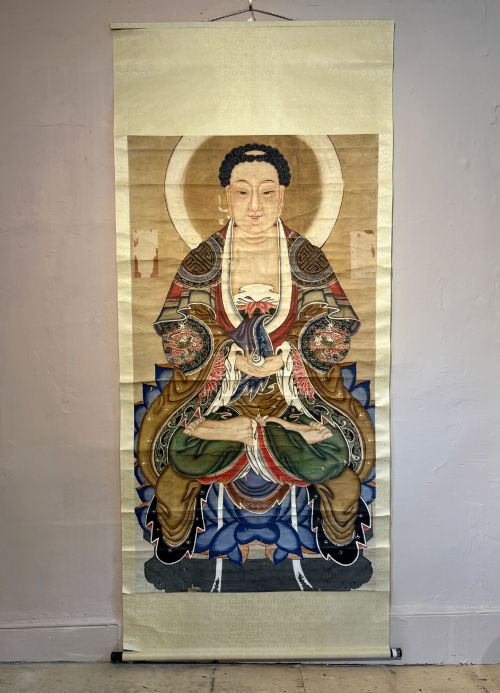
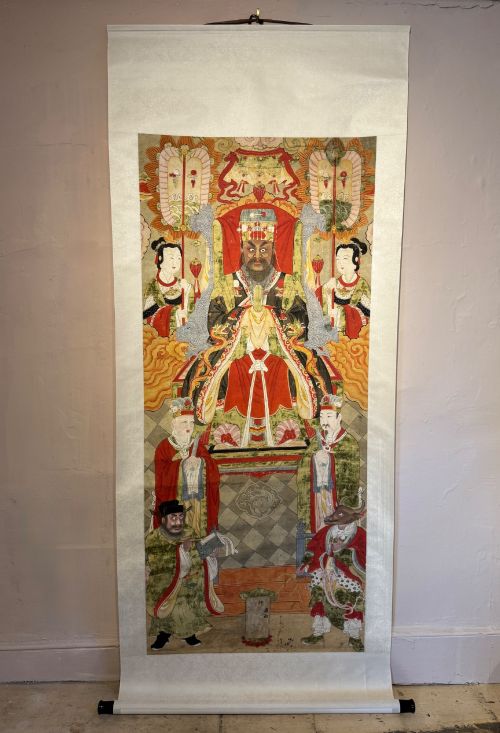
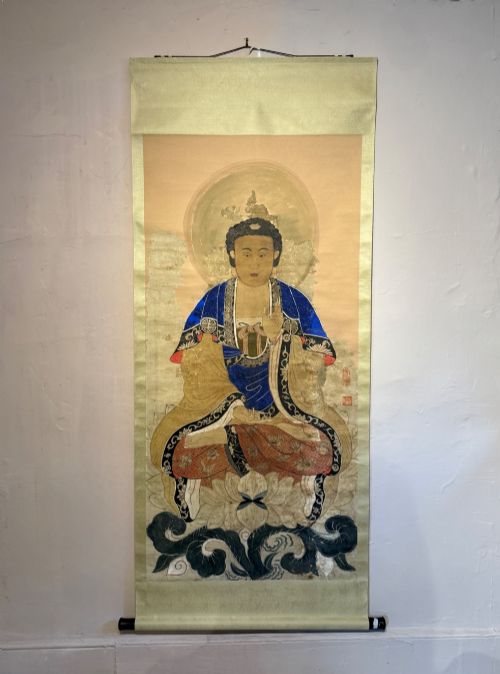
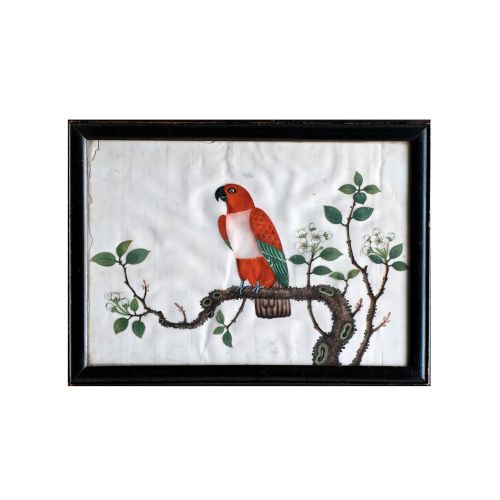
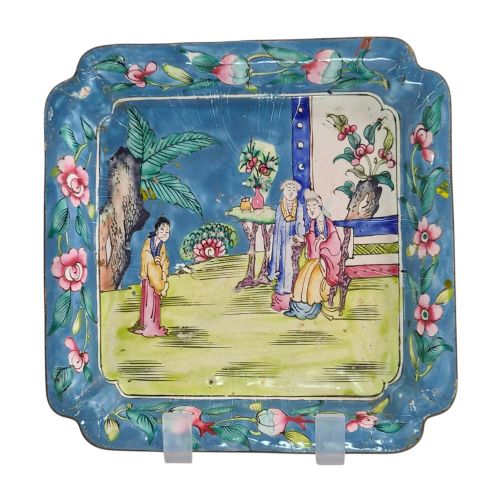
A qing dynasty painting encompasses works produced during the final imperial dynasty of China, ranging from framed ancestral scrolls to delicate botanicals. Buyers inspecting this selection encounter wall art created across the nineteenth century, including reverse paintings on glass and pith paper watercolours.
The objects span formal ancestral portraits mounted in original frames and vibrant botanical studies executed in watercolour. Pieces reflect both domestic Chinese aesthetic traditions and wares made for export markets during the late eighteen-hundreds.
Materials and construction
Makers applied mineral pigment, paint, and watercolour onto traditional surfaces such as silk, paper, and fragile pith. Supporting structures utilise wood for frames, supplemented by glass panels and brass fittings.
Artists built up compositions using fine brushes to achieve vivid colours on delicate substrates. Framing typically preserves the historic paper or silk, maintaining the structural integrity of these fragile works.
Qing Dynasty Painting Retail Price Guide 2026
Typical asking prices for qing dynasty painting among the pieces listed under this phrase on Sellingantiques today, from the lower quarter to the upper quarter. They describe what is for sale here now, not the wider market.
Botanical watercolours were painted on plant pith because it mimics the velvety texture of flower petals.
Judging the range
Quality rests upon the preservation of the delicate pigments and the intact condition of fragile materials like pith and silk. Finer examples retain bright, vibrant colours without excessive fading or disruption to the painted surface.
The sophistication of the brushwork and the originality of the mounting distinguish superior pieces. Complete original frames and well-preserved glass panels elevate the overall stature of a work.
The Qing Dynasty Painting Glossary
- Ancestral scroll
- A large hanging painting commissioned to honour lineage and family ancestors. These works often feature formal seated figures rendered in fine detail.
- Pith painting
- A watercolour executed on the spongy cellular pith of the Tetrapanax papyrifer plant. This delicate medium yields a characteristic luminous surface quality.
- Reverse painting on glass
- An image applied directly to the rear side of a glass panel so that the finished picture is viewed through the transparent front. This technique demands precise planning as the artist must paint foreground details first.
- Chinese export
- Art objects manufactured in China specifically for western markets during the Qing period. These pieces frequently blend traditional eastern subjects with tastes popular in Europe.
Qing Dynasty Painting: Frequently Asked Questions
How are ancestral scrolls displayed?
Ancestral scrolls are typically hung on interior walls as prominent decorative and historical focal points. Their large scale requires sturdy wall fixings and careful placement away from direct sunlight.
Protecting the delicate silk or paper surfaces from moisture and heat ensures the longevity of these historic portraits within a modern home.
What is pith paper?
Pith paper is a delicate, absorbent material sliced from the pith of a specific Asian plant rather than manufactured from wood pulp. It accepts watercolour with a velvety texture that enhances botanical subjects.
Because the material is exceptionally fragile, these paintings require secure framing behind glass to prevent crumbling or tearing over time.
How do glass paintings differ?
Reverse paintings on glass require the artist to execute fine details and foreground elements first before applying background colours. Viewing the work through the polished glass pane imparts a glossy, reflective depth.
This technique protects the pigment layer from atmospheric dust and direct contact, though the heavy glass requires secure framing to support its weight.
Can I date a Qing painting?
Dating relies on stylistic markers, materials such as pith or early glass, and construction methods visible in the frames. Nineteenth-century examples often display specific pigments and mounting styles characteristic of the period.
Comparing the brushwork and subject matter to documented archival pieces helps narrow the era of production within the Qing timeline.