


Qing Dynasty Ceramics
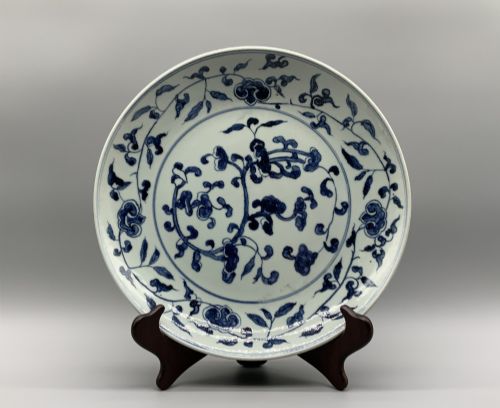
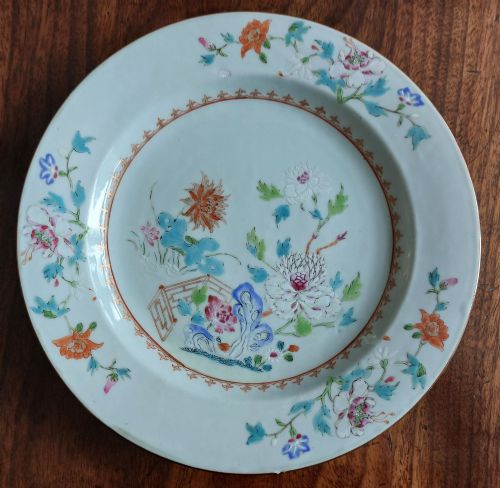
Qing dynasty ceramics encompass centuries of imperial and export porcelain, offering collectors finely painted blue and white vessels, vibrant famille rose plates, and robust scholar's objects.
Qing Dynasty Ceramics
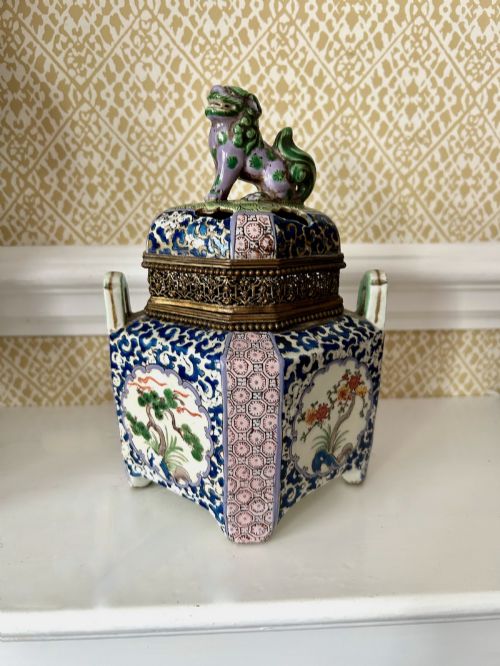
When you search for qing dynasty ceramics, you are looking at items produced during the final imperial dynasty of China, spanning from the seventeenth through the early twentieth century. The forms range widely from utilitarian scholar's brush pots and small snuff bottles to large decorative chargers, jars, and punch bowls.
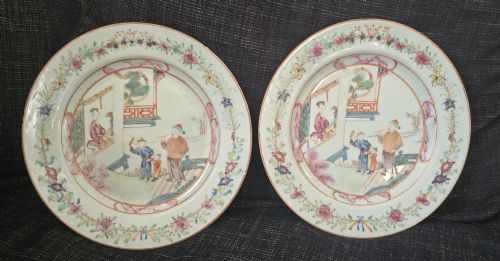
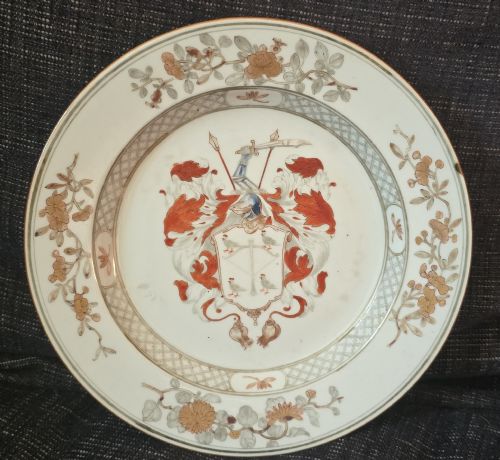
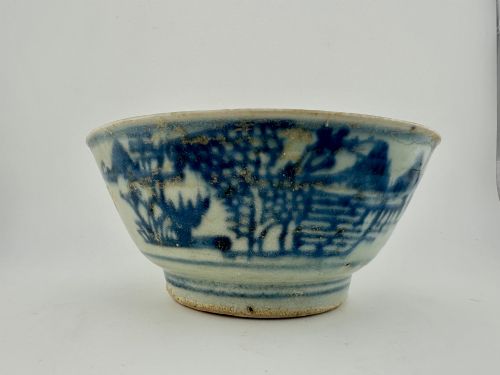
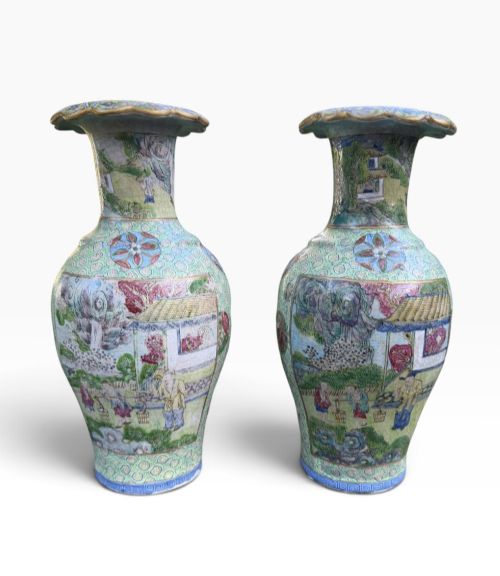
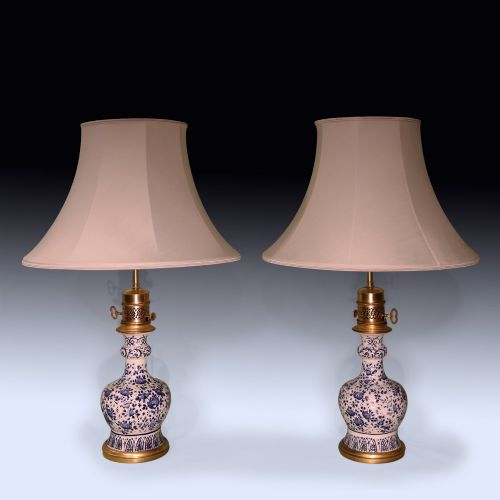
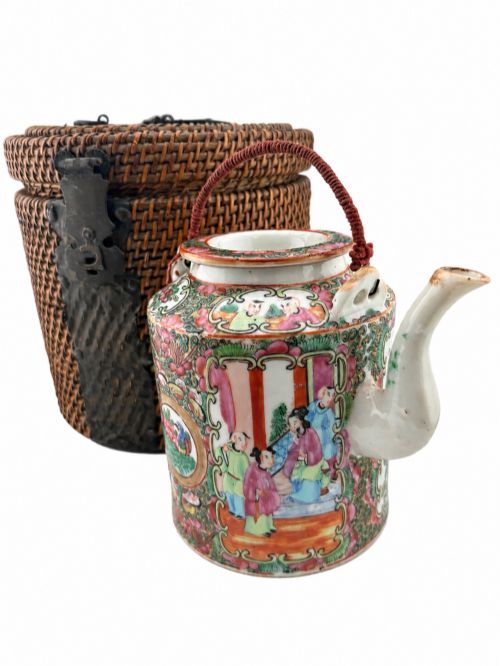
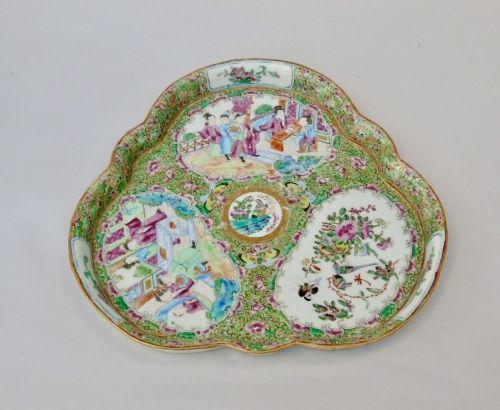
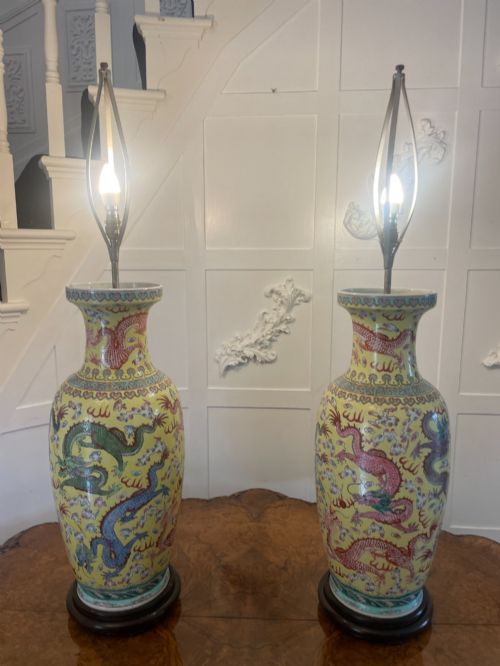
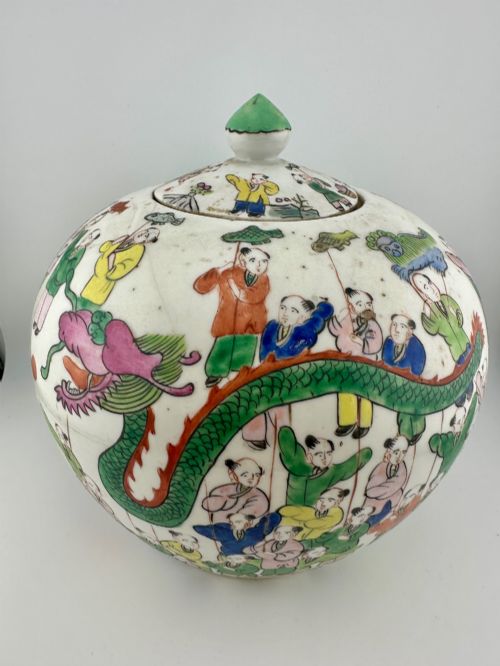
The pieces most commonly encountered on this page originate from the eighteenth and nineteenth centuries, including items made for domestic imperial use and wares created for the export market. Forms such as decorative bowls, vases, and ginger jars dominate the current selection, often displaying traditional motifs like dragons, floral sprays, and figural scenes.
Materials and Techniques
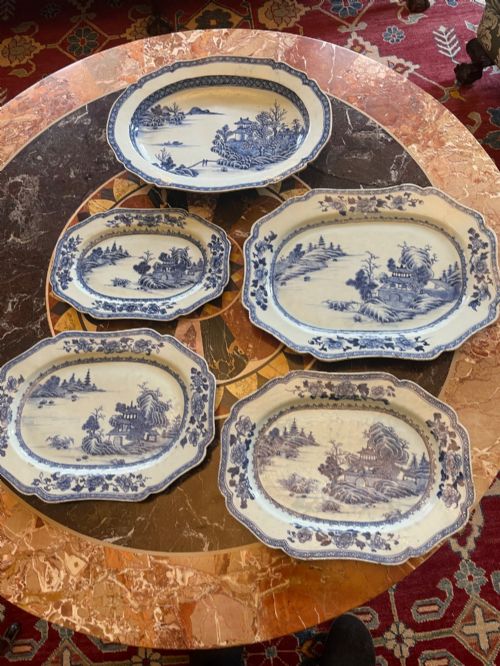
The foundation of these works is high-fired ceramic and fine porcelain, decorated using cobalt underglaze pigments, copper-red, and enamel paints applied by hand. Potters employed precise kiln controls to achieve vibrant blue and white contrasts, delicate celadon glazes, and intricate polychrome palettes.
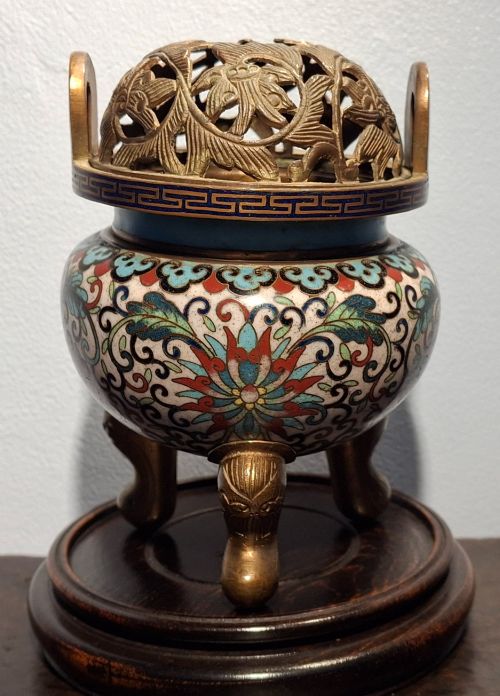
Surface ornamentation frequently incorporates detailed hand painting, sometimes enhanced with gold leaf, iron-red accents, or cloisonné enamel work on copper bases. The combination of throwing, moulding, and repeated firing allowed artisans to produce everything from thin-walled stem cups to heavy provincial bowls and large jardinières.
Qing Dynasty Ceramics Retail Price Guide 2026
Typical asking prices for qing dynasty ceramics among the pieces listed under this phrase on Sellingantiques today, from the lower quarter to the upper quarter. They describe what is for sale here now, not the wider market.
Several fierce dragons coil around these vessels, looking remarkably stern for creatures tasked entirely with holding brushes and water.
Evaluating Quality
The distinction between standard export wares and pieces made for the imperial court lies in the precision of the brushwork, the depth of the glaze, and the clarity of any reign marks. Superior examples exhibit fluid, confident painting without muddiness in the cobalt underglaze or overglaze enamels.
Another factor is the finesse of the porcelain body itself, where finer items present a thinner, more resonant body with immaculate glazing on the base. The complexity of the decorative scheme, such as multi-layered millefleurs or finely incised dragon motifs, further separates ordinary production from exceptional craftsmanship.
The Qing Dynasty Ceramics Glossary
- Famille Rose
- A polychrome enamel palette introduced in the Qing dynasty, characterised by pink or opaque rose colours mixed from gold chloride.
- Kangxi Period
- The reign spanning 1662 to 1722, known for brilliant cobalt blue and white porcelain and innovative glaze development.
- Canton
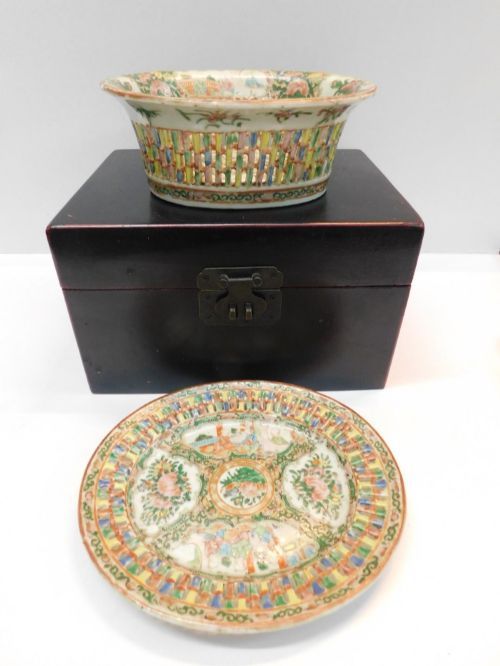
- A style of colourful hand-painted export porcelain associated with the port city of Guangzhou during the nineteenth century.
- Doucai
- A technique combining underglaze blue outlines with overglaze polychrome enamels, creating a contrasting coloured design.
Qing Dynasty Ceramics: Frequently Asked Questions
What are qing dynasty ceramics made of?
These pieces are predominantly made from fine white porcelain, fired at high temperatures and finished with transparent or coloured glazes. Artisans also utilised copper, enamel, and jade for specific scholar's objects and decorative vessels.
Decoration was achieved using cobalt pigments for underglaze blue designs, alongside mineral-based enamels for polychrome scenes featuring iron-red, gold leaf, and pink tones.
How do I identify a kangxi period piece?
Kangxi period items, dating roughly between 1662 and 1722, often feature luminous cobalt blue and white painting with notable depth and variation in tone. The porcelain bodies tend to be dense and crisp, with careful finishing to the base.
Many pieces from this era display either apocryphal Ming marks, empty circles, or specific reign characters, though stylistic markers like vibrant blue hues and fine potting are more reliable indicators.
What is the difference between export and imperial wares?
Imperial wares were commissioned for use within the forbidden city or imperial households, featuring superior refinement, precise mark inscriptions, and complex artistic execution. Export wares were produced in large quantities specifically for trade with European and Western markets.
While export pieces like Canton bowls or tea services exhibit charming traditional motifs, imperial items generally show a higher degree of technical mastery and rarer colour combinations.
How should I display a porcelain jar or bowl?
Qing dynasty vessels benefit from stable display locations away from direct sunlight and heavy foot traffic where vibrations might cause accidents. Using a well-fitted wooden stand can help support rounded bases and highlight the form.
Ensure that shelves are level and sturdy, particularly for larger chargers, heavy jardinières, or ginger jars with covers that require secure placement.