






Porcelain Wall Display Charger
A porcelain wall display charger brings historic colour and pattern directly to a room, offering large-scale ceramics made for hanging and showing.
Porcelain Wall Display Charger
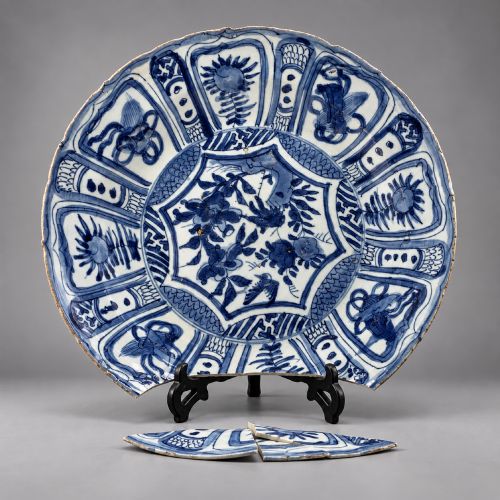
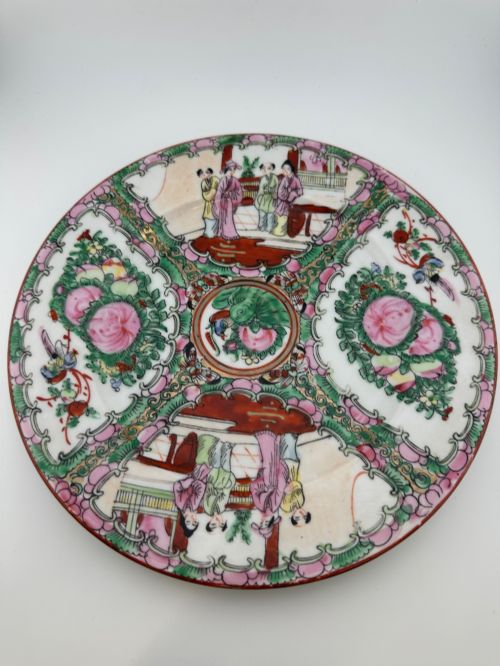
A porcelain wall display charger is a large decorative plate or dish intended primarily for visual impact rather than dining use. When you search for this phrase, you encounter substantial plates created to hang on walls or sit upon cabinet shelves.
The versions most likely to meet you on this page span the eighteenth, nineteenth, and early twentieth centuries. They originate from British factories, European porcelain houses, and East Asian workshops.
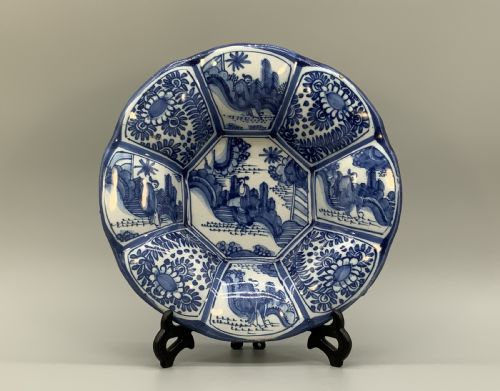
Forms range from deep round chargers and scalloped display dishes to square plates and reticulated cabinet plates. Many include drilled footrings or mounted brackets intended securely for wall suspension.
What varies in quality
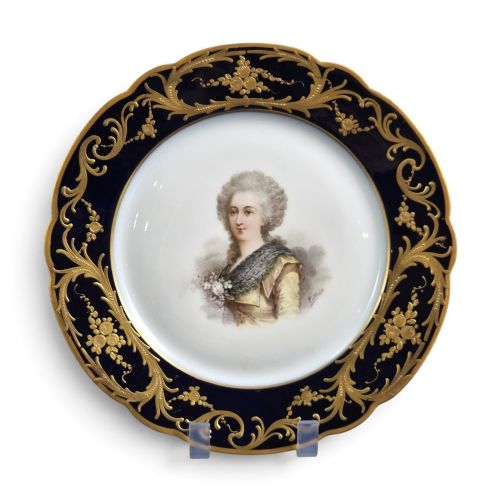
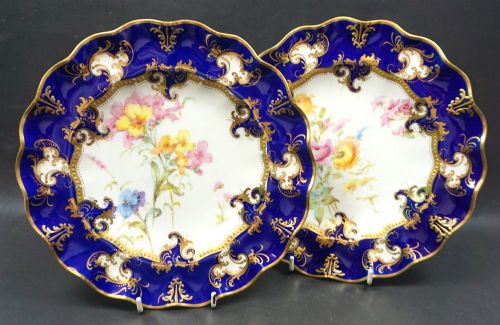
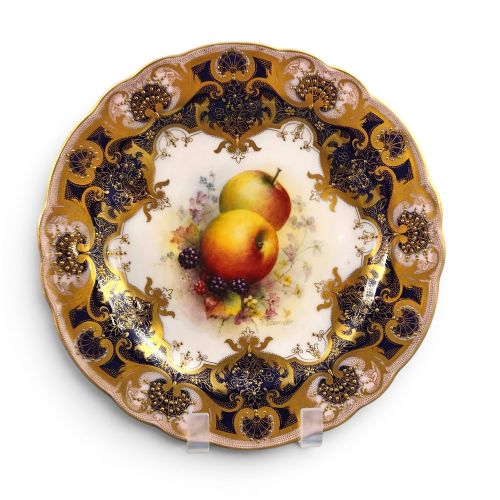
The standard of a porcelain wall display charger depends heavily upon the precision and complexity of its hand-painted decoration. Pieces featuring finely rendered figures, intricate cobalt pigment work, or detailed fruit and portrait painting stand apart from simpler transfer-printed items.
The crispness of the porcelain paste, the evenness of the glaze, and the richness of the applied gold leaf or gilt define the upper tiers of production. Maker attribution also plays a role, as authenticated output from renowned factories carries greater weight.
Condition remains fundamental, particularly regarding the preservation of overglaze enamels and the stability of the ceramic body. Pieces retaining clear factory marks and vibrant, unrubbed colours represent the finest examples.
Look closely for the Seven Lucky Gods depicted across Japanese chargers, quietly bringing traditional folklore to your wall display.
Royal Crown Derby·Royal Worcester·Meissen·Pucher Deroche·Koshida
The Porcelain Wall Display Charger Glossary
- Charger
- A large decorative plate or dish traditionally sized substantially larger than standard dining plates. These pieces were designed for display on walls or sideboards.
- Imari
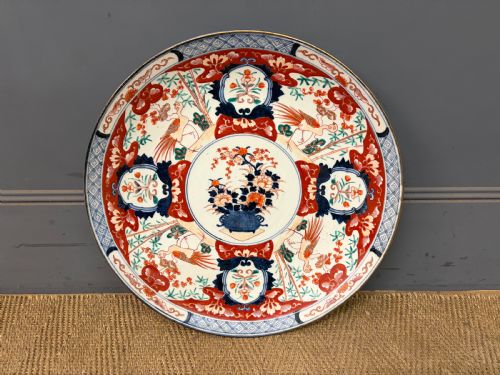
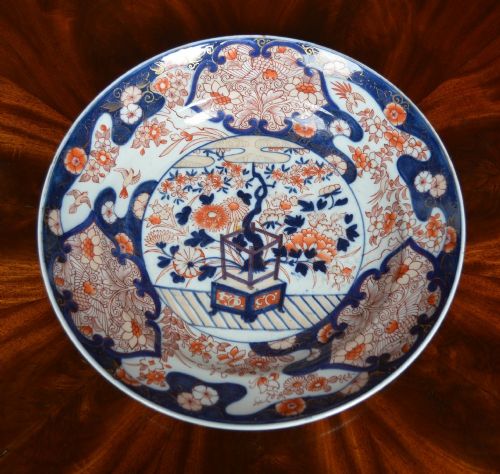
- A traditional Japanese style of porcelain featuring a distinctive palette of underglaze blue, iron red, and gold. Designs often incorporate complex floral and brocade motifs.
- Cabinet Plate
- A decorative ceramic plate intended for display within a glass-fronted cabinet or on a shelf rather than practical use at the table. These often showcase high artistic skill.
- Reticulated
- Having an openwork or netted lattice pattern cut into the ceramic body before glazing and firing. This technique creates delicate decorative borders on plates.
- Famille Rose
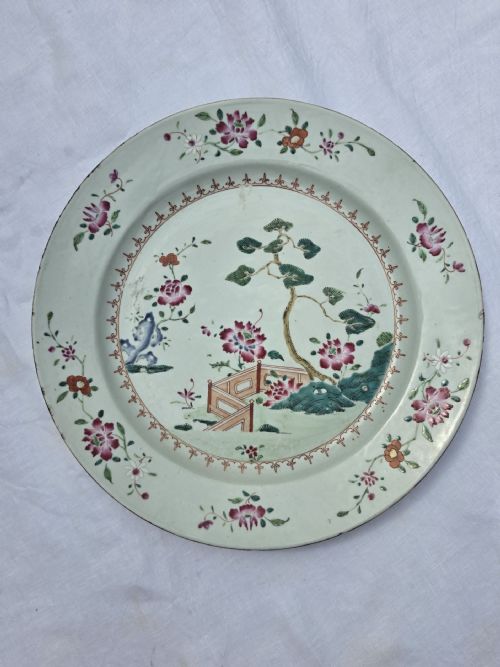
- A major palette of Chinese ceramic enamels introduced in the eighteenth century, characterised by opaque pink or rose colours. The style depicts floral, bird, and figure scenes.
- Armorial
- Bearing a painted coat of arms or family crest as the central decorative motif. These commissioned pieces often record specific lineages and family histories.
Porcelain Wall Display Charger: Frequently Asked Questions
Are these chargers meant for food use?
These pieces function primarily as decorative works of art rather than functional tableware. Older overglaze enamels and applied gilt work can wear down with regular handling or acidic foods.
Displaying them on walls or within cabinets preserves the delicate painted surfaces. Cleaning should involve only gentle dusting or careful wiping with a soft, dry cloth.
How do I tell Japanese Imari from Chinese export porcelain?
Japanese Imari porcelain typically displays a dense, vivid palette of dark cobalt blue, iron red, and abundant gilt over a slightly greyish or bright white body. The decorative motifs lean heavily towards stylised gardens, brocade patterns, and exotic birds.
Chinese export porcelain of comparable periods often utilises lighter enamel tones such as the Famille Rose palette and finer, more translucent paste. Motifs frequently reflect European market preferences commissioned during the eighteenth century.
What does nineteenth century mean for these plates?
Objects dated to the nineteenth century encompass items produced between eighteen hundred and nineteen hundred. This broad span covers diverse aesthetics, from Victorian revival styles to the height of Japanese Meiji period exports.
Examinations of factory marks, potting techniques, and stylistic influences help narrow down the specific decade of manufacture. Nineteenth-century pieces bridge traditional hand-painted artisan methods with expanding global trade.