


Porcelain Figure Ornament
These porcelain figure ornament pieces capture centuries of modelled character, bringing historic animals, allegories and human studies directly into your interior.
Porcelain Figure Ornament
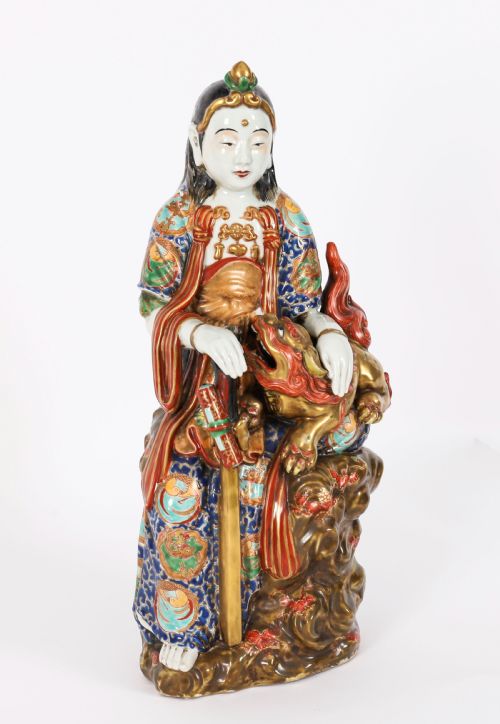
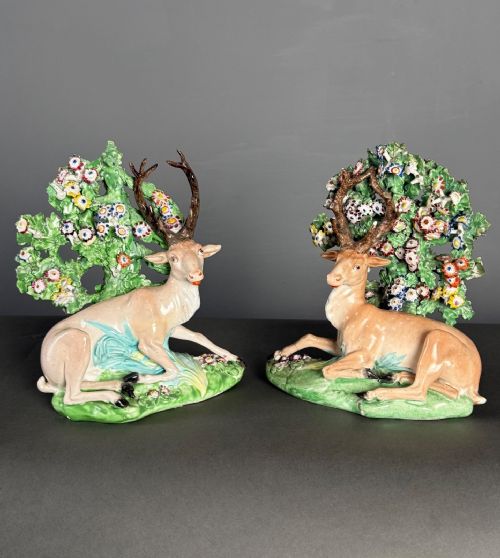
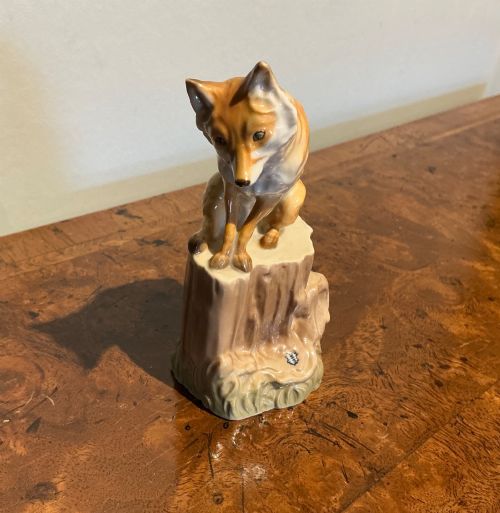
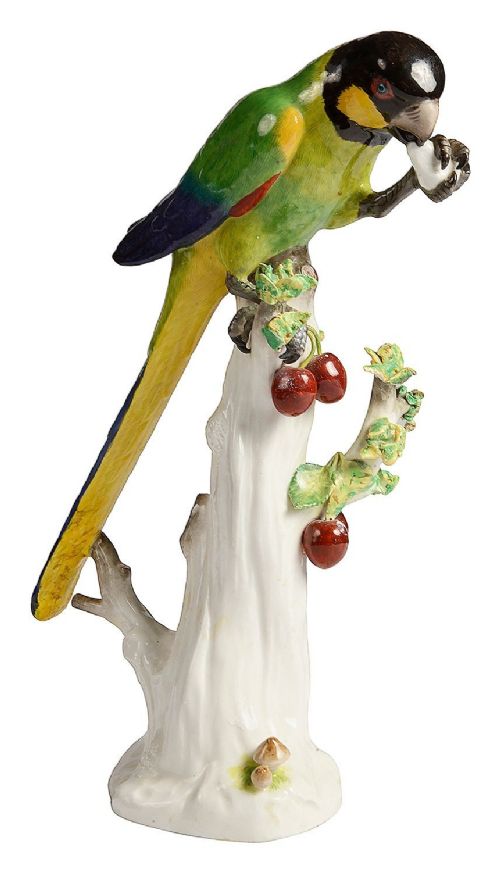
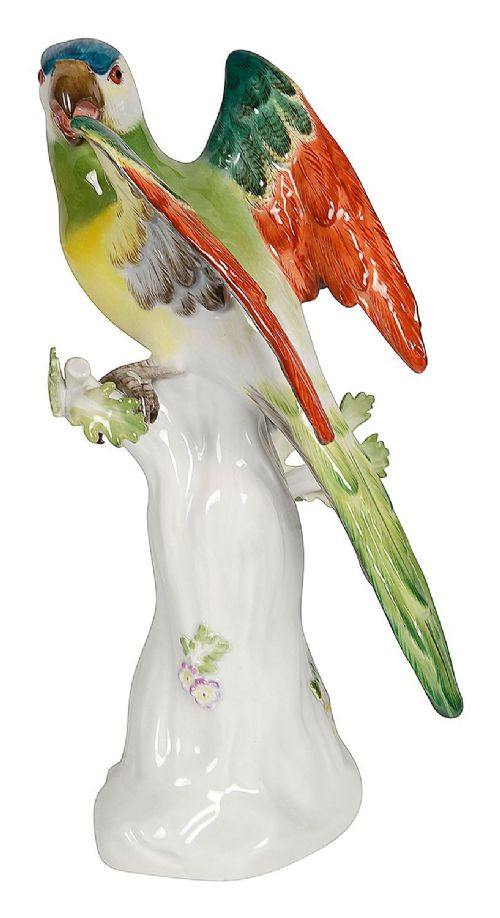
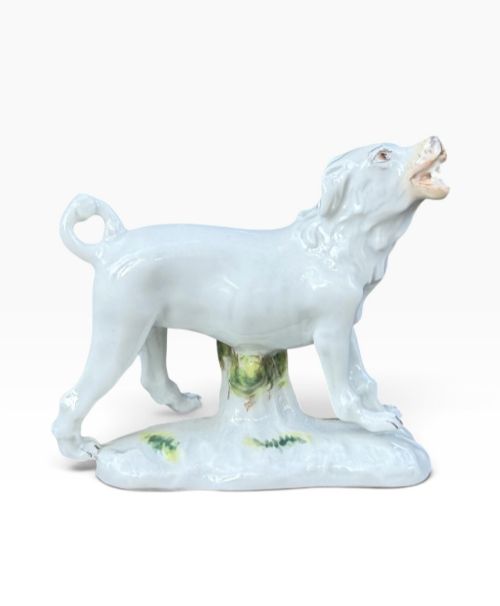
A porcelain figure ornament covers everything from grand eighteenth-century Meissen allegories and Derby stags to twentieth-century English bone china figures and Japanese Meiji period sculptures.
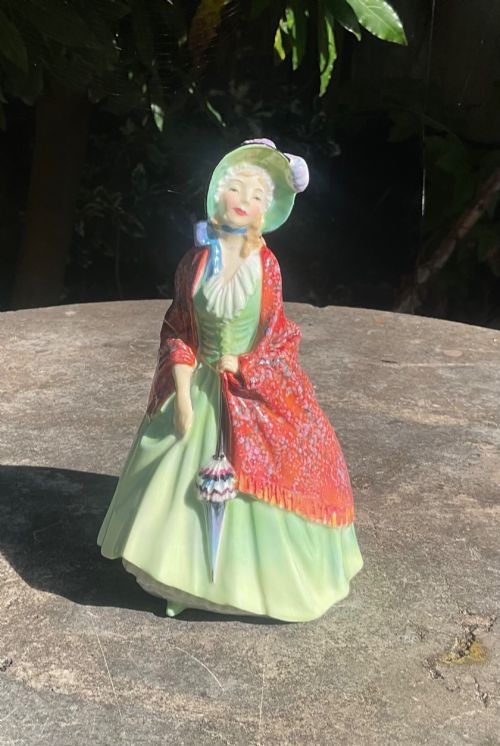
You will encounter pieces spanning the eighteenth, nineteenth and twentieth centuries, encompassing Derby, Bow, Meissen, and Royal Doulton productions.
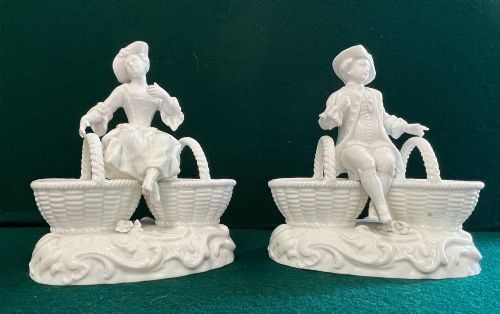
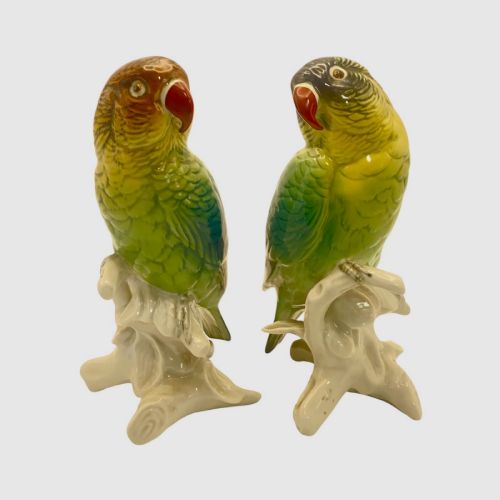
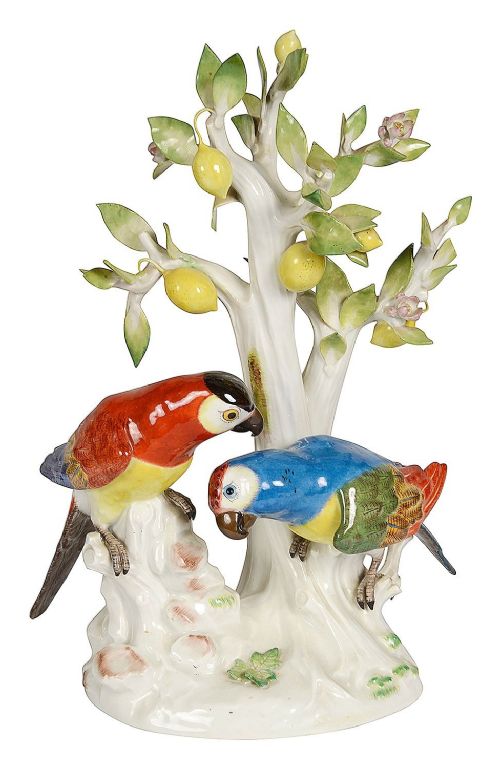
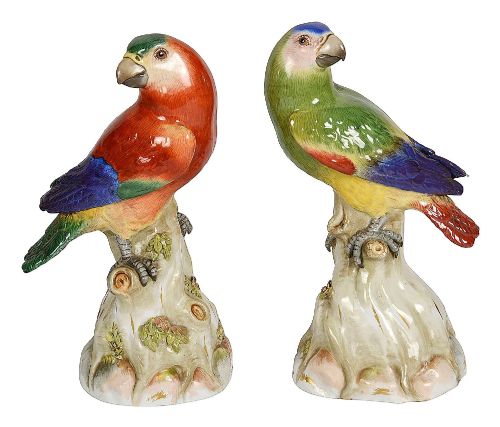
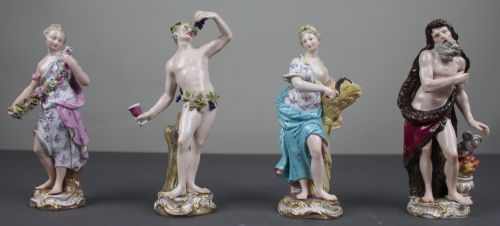
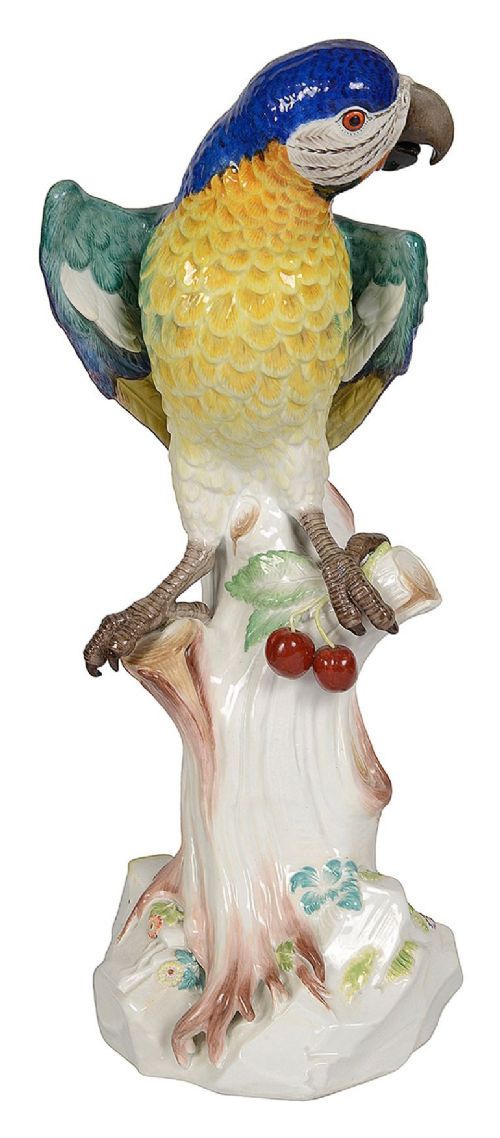
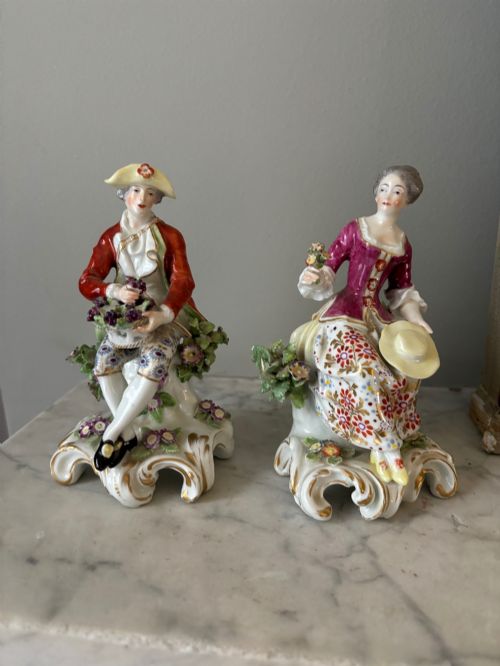
Forms range from individual human figurines and pairs of parrots to sculptural groups such as the Four Seasons and literary characters.
Materials and methods of construction
Makers utilised hard paste and soft paste porcelain, bone china, earthenware and ceramic, applying detailed enamel colours and sometimes gold leaf.
Glaze treatments vary from smooth transparent finishes to distinct blush ivory surfaces and glazed earthenware, often shaped through intricate modelling and moulding techniques.
The listings span hard paste porcelain, bone china, and earthenware, recording figures from the eighteenth century through to the twentieth century.
Judging the standard of execution
Quality rests upon the crispness of the modelling, particularly in the rendering of facial expressions, drapery folds and feathered details on animal subjects.
The precision and subtlety of the hand-painted enamel work and the evenness of the glaze application distinguish exceptional studio output from standard commercial production.
Royal Doulton·Meissen·Karl Ens·Derby·Nymphenburg·Royal Worcester·James Hadley·Volkstedt Rudolstadt Factory·John Bevington·Bow
The Porcelain Figure Ornament Glossary
- Hard paste
- A dense, durable type of porcelain fired at very high temperatures, frequently used by continental European factories.
- Bone china
- A Staffordshire development incorporating bone ash into the paste, producing a strong body with a warm white tone.
- Blanc de chine
- A French term for white porcelain left unpainted under a transparent glaze, highlighting the purity of the modelled form.
- Putti
- Winged infant figures often depicted in allegorical groupings representing the seasons or classical themes.
Porcelain Figure Ornament: Frequently Asked Questions
What is a porcelain figure ornament?
A porcelain figure ornament is a modelled and glazed sculptural piece depicting human characters, animals, or allegorical scenes. These objects functioned historically as decorative table centrepieces or mantel ornaments.
They represent the technical and artistic ambitions of European and Japanese factories across several centuries.
How do I date a porcelain figure ornament?
Dating relies on identifying factory marks, stylistic traits, and the specific paste or glaze used. Eighteenth-century pieces often display hand-painted underglaze marks, while nineteenth- and twentieth-century items incorporate impressed numbers or printed ciphers.
Comparing modelling styles against known factory production periods helps narrow down the decade of manufacture.
Where should I display my porcelain figure ornament?
These decorative objects suit enclosed cabinets, mantelpieces, or designated display shelves where they remain protected from accidental knocks. Stable surfaces away from direct sunlight preserve the integrity of the enamel colours and delicate glazes.
Pairing matching figures, such as decorative birds or opposing human subjects, creates a balanced visual arrangement.
How do English and continental figures differ?
Continental factories such as Meissen frequently utilised hard paste porcelain and dramatic Rococo or Neoclassical modelling. English works from Derby, Bow, and Staffordshire often employed soft paste porcelain, bone china, or earthenware with distinct regional stylistic preferences.
Examining the weight, translucency, and base characteristics helps reveal the geographical origin of the piece.