

Art Deco Ceramics
Art deco ceramics bring geometric precision and spirited character into a room through moulded earthenware, porcelain and vibrant glaze.
Art Deco Ceramics
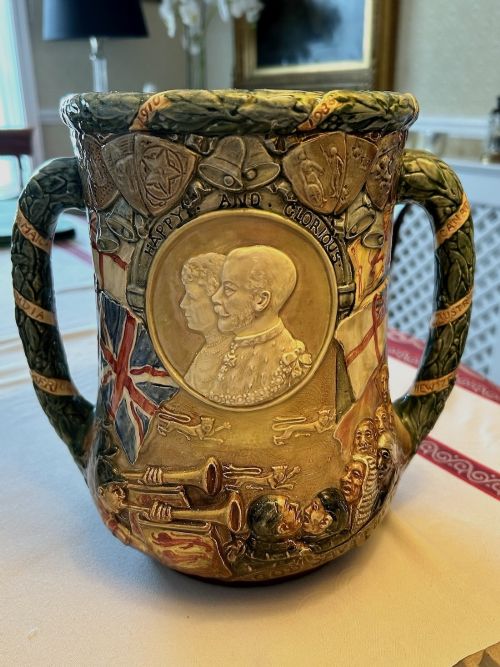
Art deco ceramics encompass sculptural figures, vibrant tableware and striking vases originating mainly from the 1920s and 1930s. Pieces span British potteries, French studios and continental manufactories, reflecting the modern shifts in design during those decades.
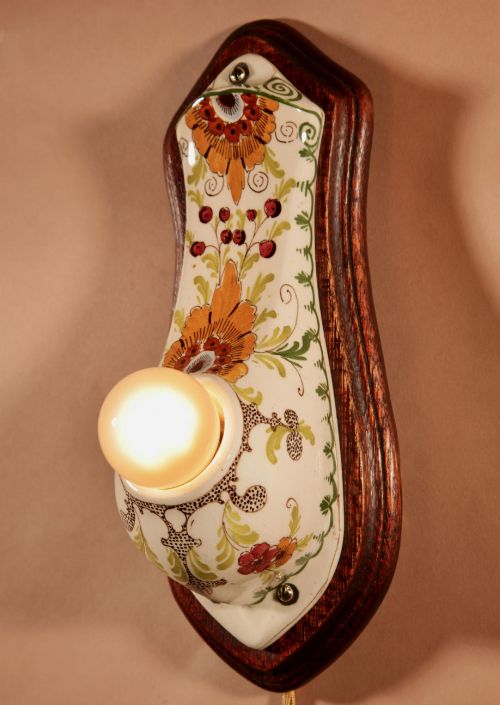
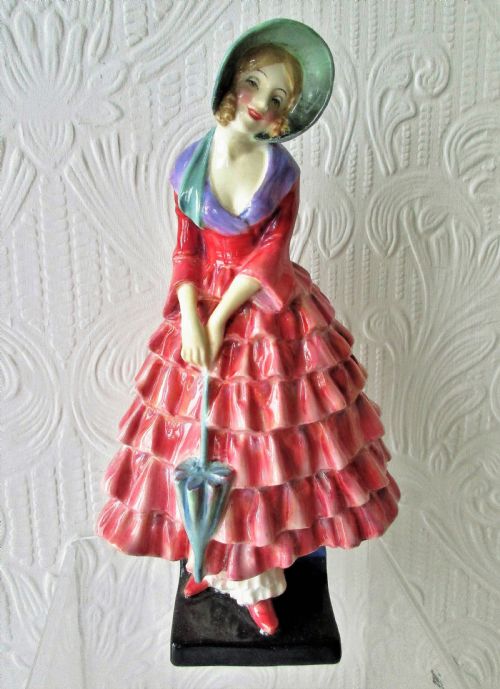
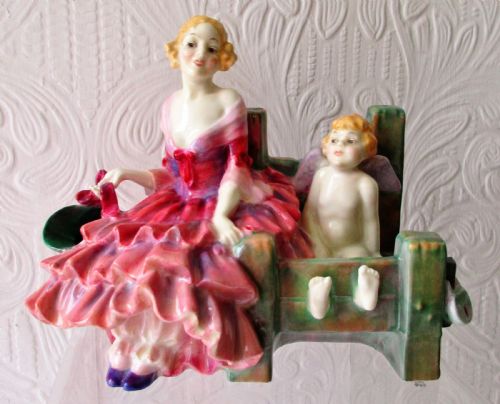
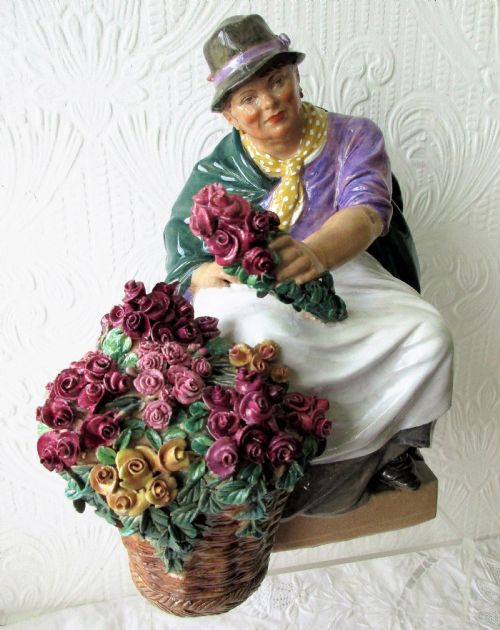
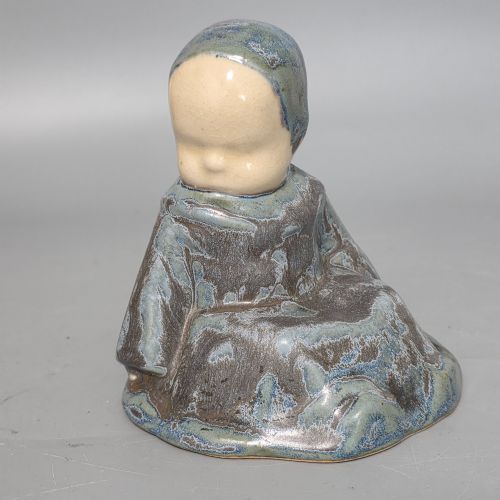
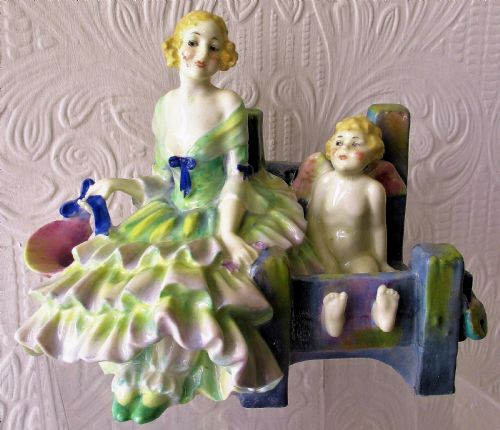
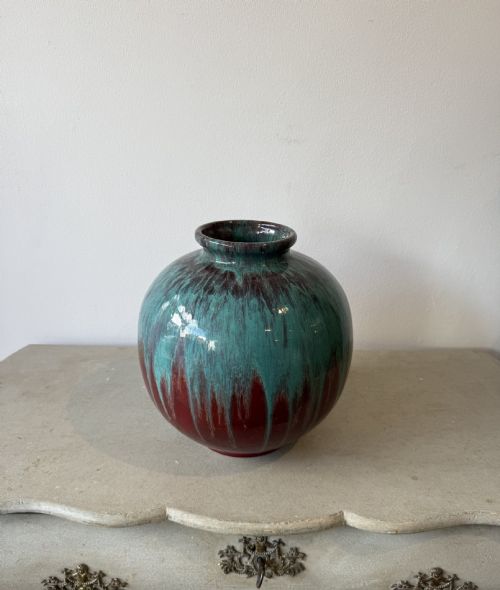
Buyers encounter distinct utilitarian and decorative forms on this page, ranging from moulded porcelain figurines and wall masques to studio pottery vases and ceramic bookends. The selection bridges formal porcelain and robust earthenware.
Makers from Britain and Europe dominate the offerings, showing distinct regional tastes from English lustre glazes to French animalier figures and bold Austrian wall ornaments.
Materials and Techniques
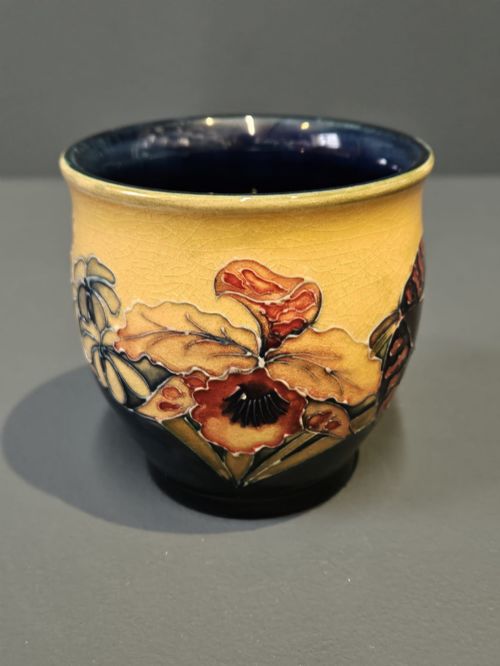
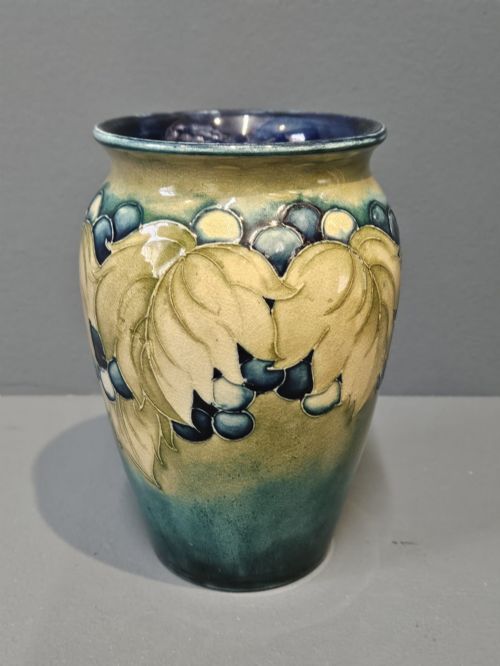
Potters utilised earthenware, porcelain, stoneware and terracotta as the primary bodies, shaping them through casting and hand-throwing before kiln firing. These bodies provided the stable foundations required for intricate moulding and smooth surfaces.
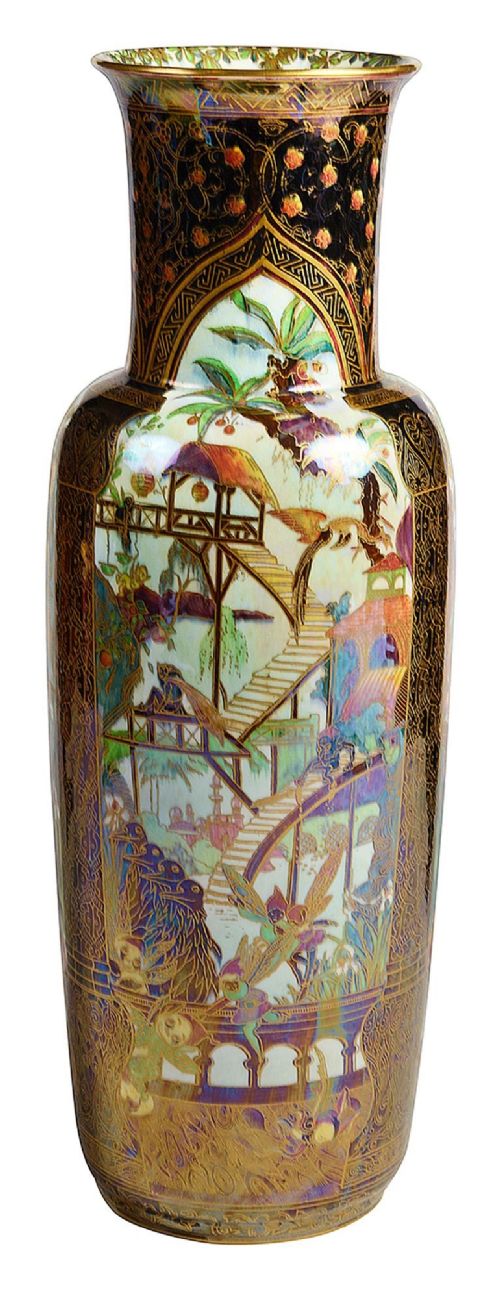
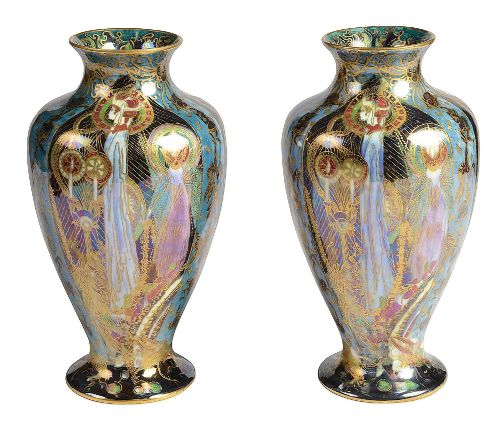
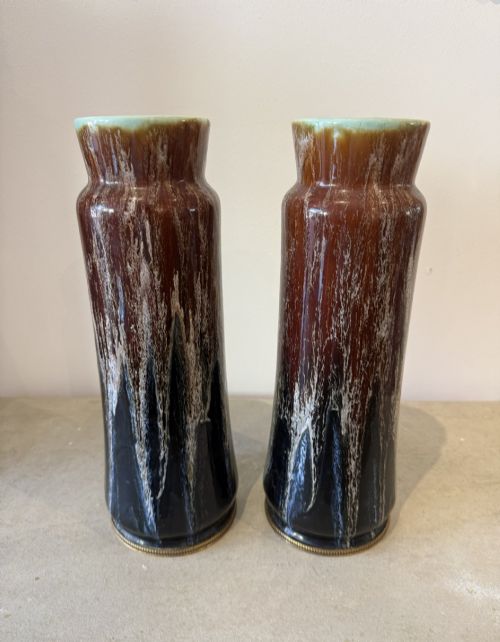
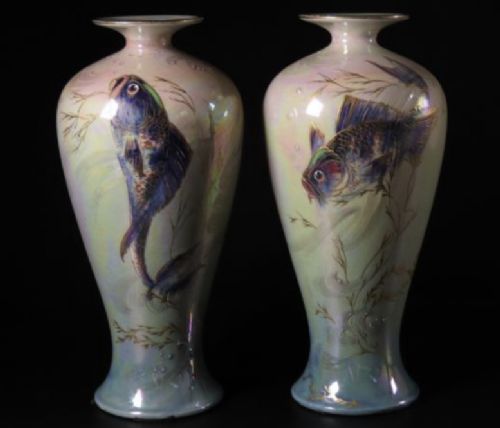
Glazes defined the visual impact, employing lustre finishes, enamel colours and celadon tones alongside gold leaf highlights. Applied brushwork and poured glazes created the characteristic sheen and depth associated with the period.
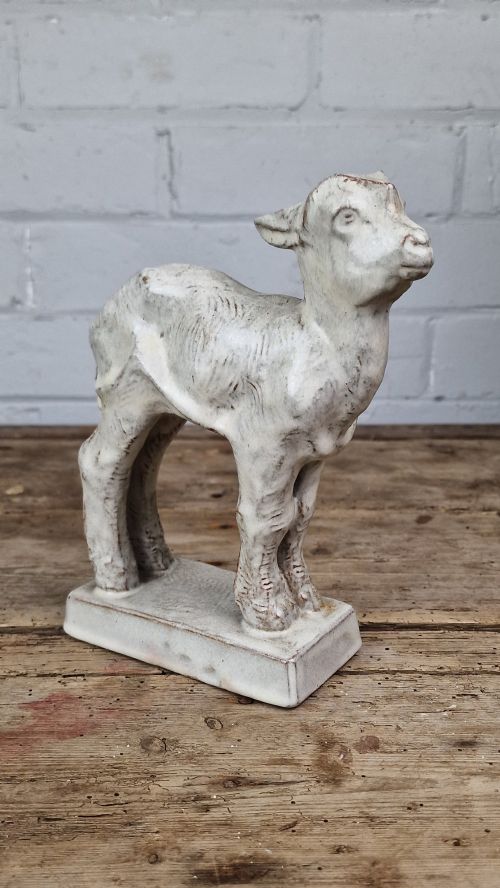
Perched among the vases and tea sets, glazed ceramic animals peer out with painted glass eyes.
Distinctions in Quality
Quality rests upon the crispness of the mould and the control shown in the application of enamel and lustre glazes. Finer examples retain sharp surface details and deep, even colour saturation without running or pooling.
The sophistication of the modelling separates standard production wares from pieces designed by recognised modellers and executed in limited studio runs. Hand-painted precision and balanced proportions elevate individual works.
Royal Doulton·Wedgwood·Moorcroft·Boch Freres·Charles Vyse·Berthe Savigny·Meissen·Carlton Ware·Clarice Cliff
The Art Deco Ceramics Glossary
- Lustre Glaze
- A metallic film applied to ceramics that produces an iridescent, reflective sheen upon firing. This technique creates a rainbow-like play of light across the surface.
- Wall Masque
- A ceramic wall plaque moulded in the form of a human face or theatrical mask. These decorative pieces were popular for interior styling during the interwar period.
- Porcelain
- A hard, fine-grained ceramic material made from clay containing kaolin, fired at high temperatures. It yields a vitrified, white body that rings when struck.
- Earthenware
- A porous, non-vitrified ceramic body fired at lower temperatures than porcelain or stoneware. It requires an impermeable glaze to hold liquids.
- Baluster
- A vase or architectural column form that swells outward toward the base. The profile mimics traditional stair balusters.
Art Deco Ceramics: Frequently Asked Questions
How do I identify art deco ceramics?
Look for geometric motifs, stylised floral patterns and characteristic moulding that reflects the design trends of the 1920s and 1930s. Forms often feature stepped lines, symmetrical curves and bright, contrasting colour palettes.
Signatures, backstamps and impressed factory marks on the base provide definitive attribution to specific potteries and decorators of the era.
Were these ceramics used daily?
Many items served practical functions in domestic spaces, including tea sets, bowls, table lamps and trinket boxes. Households utilised these decorative yet functional objects for everyday dining and dressing table organisation.
Other items, such as wall masques, figurines and large decorative vases, existed purely to adorn interiors and showcase modern taste.
How should I display them?
Position pieces where adequate lighting can catch the sheen of lustre glazes and the contours of moulded figures. Placing vases or bookends on stable surfaces away from high-traffic edges protects their glazed surfaces.
Group items by palette or maker to create cohesive displays that highlight the distinct manufacturing styles of British and continental potteries.
What defines a studio piece?
Studio pottery ceramics reflect individual artistic expression rather than mass factory production, often bearing the personal mark of the potter. These works showcase experimental glazes and hand-modelled details unique to the maker.
Large manufactories produced uniform tableware and moulded figurines, whereas studio workshops focused on limited editions and sculptural earthenware.