





Porcelain Decorative Chargers
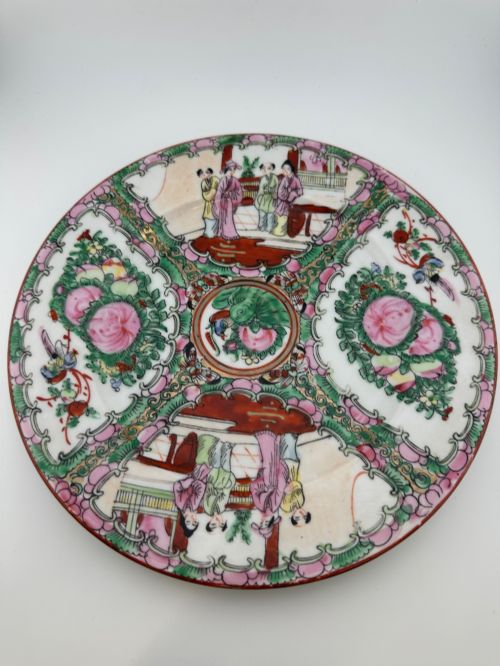
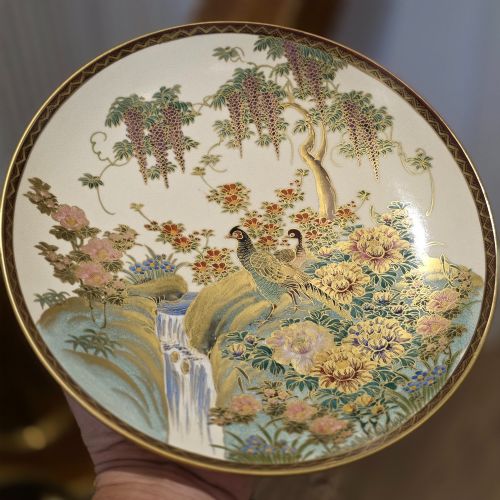
Porcelain decorative chargers are large display plates and bowls carrying rich hand-painted designs from centuries of global ceramic artistry.

Porcelain Decorative Chargers
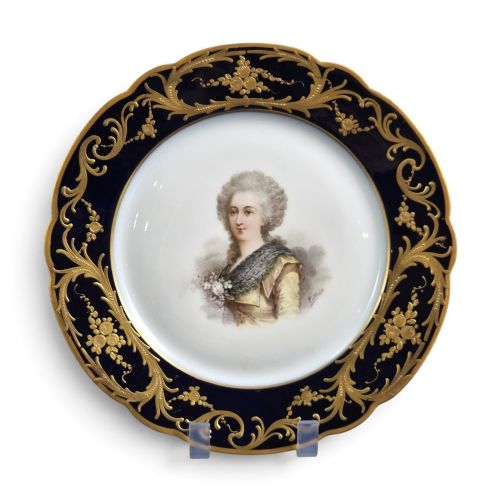
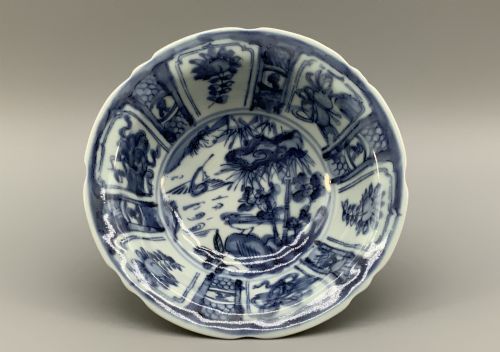
When buyers search for porcelain decorative chargers, they encounter a wide range of large display plates, cabinet plates, and deep bowls designed primarily for visual impact rather than dining. The selection spans periods from the eighteenth century through the nineteenth and twentieth centuries, incorporating English, French, and Asian origins.
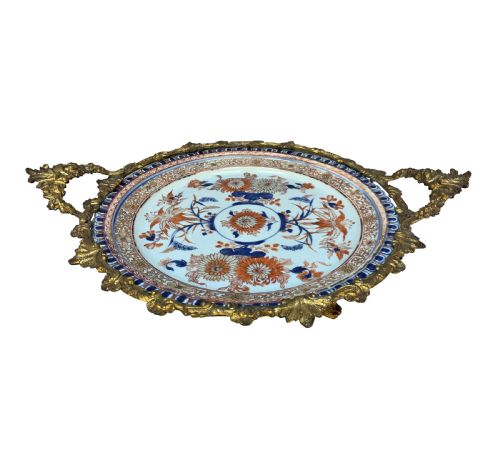
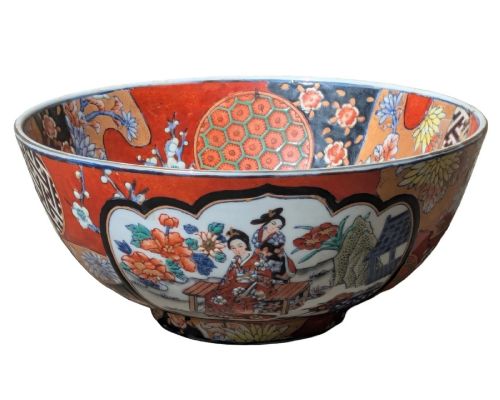
Japanese Imari and Arita wares dominate the pieces seen here, often featuring scalloped edges and intricate blue and white or polychrome patterns. Alongside these Japanese works, buyers find Chinese export pieces, Delft earthenware chargers, and hand-painted French and English cabinet plates.
Forms vary from broad, flat chargers and deep bowls to square plates and scalloped display dishes. These items reflect the diverse decorative tastes of the Georgian, Victorian, Meiji, and Art Deco eras.
How they were made
Potters shaped these porcelain, ceramic, and earthenware bodies by hand or on wheels before applying cobalt blue pigments, enamel colours, and glaze. Many pieces received secondary firings to set complex pictorial scenes or intricate floral motifs.
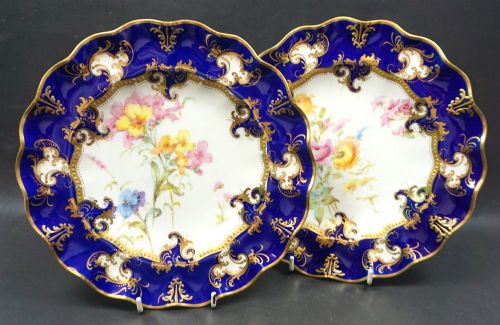
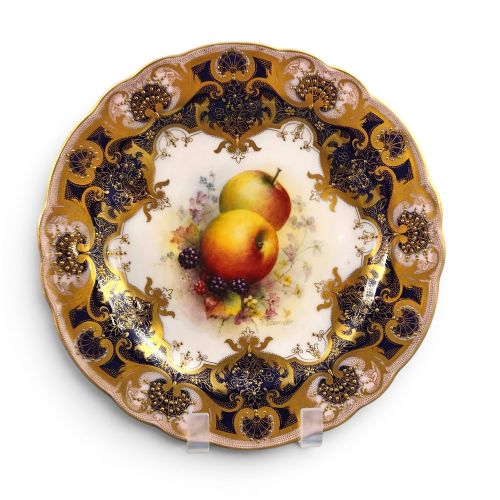
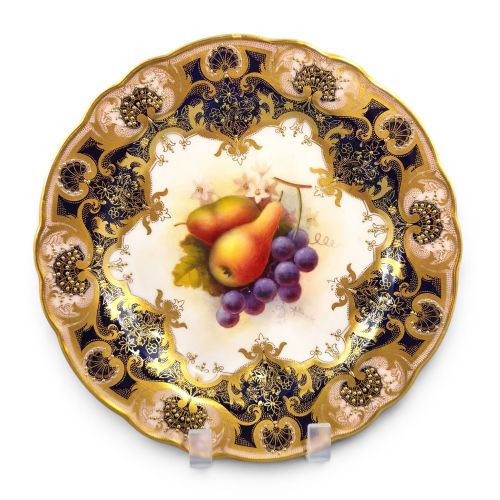
Gilt, gold leaf, and gilding provide metallic enrichment across numerous English and French works, highlighting borders and armorial crests. Some advanced Japanese pieces utilise moriage technique, building up raised enamel details for tangible texture.
Listings span multiple eras from the eighteenth century through the twentieth century, featuring both Asian export wares and European porcelain.
What varies in quality
The precision and density of the hand-painted brushwork separate ordinary decorative items from exceptional works of art. Skilled artists achieved remarkable depth in cobalt blue painting and fine detail in portraits and botanical studies.
The complexity of the form and the preservation of original gilding and enamel colours dictate the standing of a charger. Pieces bearing named artist signatures or distinct factory marks command greater attention from serious collectors.
John Davenport of Longport·Royal Crown Derby·Royal Worcester
The Porcelain Decorative Chargers Glossary
- Charger
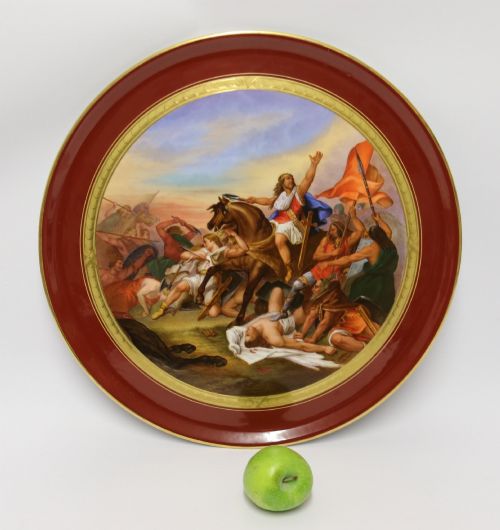
- A large decorative plate traditionally used for display rather than service at the table. These substantial pieces provide a wide canvas for intricate painted scenes.
- Imari
- A traditional style of Japanese export porcelain characterised by a palette of underglaze blue, iron red, and gilt. The style originated in Arita and became immensely popular in Europe.
- Cabinet plate
- A high-quality decorative plate intended for display in a cabinet or on a wall rather than everyday dining use. They frequently feature detailed hand-painted fruit, portraits, or landscapes.
- Moriage
- A Japanese ceramic technique where slip is piped onto the surface to create raised, beaded, or textured decorative patterns before glazing and firing. It adds a distinct tactile dimension to Satsuma and other wares.
- Armorial
- A ceramic design featuring a family coat of arms, crest, or heraldic insignia. These bespoke commissions were often created for prominent aristocratic households.
Porcelain Decorative Chargers: Frequently Asked Questions
How were porcelain chargers displayed?
These large plates were traditionally shown on sideboards, hung on walls, or supported in specialised display cabinets to highlight their intricate painted surfaces.
Owners utilised plate hangers or stands to keep the heavy ceramic and porcelain bodies secure while putting the artistic designs on full view.
What is the difference between a charger and a cabinet plate?
Chargers are significantly larger in diameter, functioning primarily as bold focal points for a room or sideboard display.
Cabinet plates are usually smaller, created with finer portraiture or botanical painting intended for close inspection within a glass-fronted case.
How do I identify Japanese Imari?
Japanese Imari typically displays a distinct colour palette combining underglaze cobalt blue with rust red and gold leaf accents over white porcelain.
Designs frequently incorporate floral panels, birds, and brocade motifs arranged in symmetrical or radial patterns.
Can I use these chargers for food?
Most antique decorative chargers and cabinet plates are intended strictly for display and appreciation rather than culinary use.
Older glazes, hand-applied enamels, and delicate gold leaf can wear away or absorb substances if exposed to moisture and acidic foods.