




Porcelain Display Dishes
Porcelain display dishes are decorative plates and chargers meant for visual admiration rather than dining, bridging centuries of fine ceramic artistry.

Porcelain Display Dishes
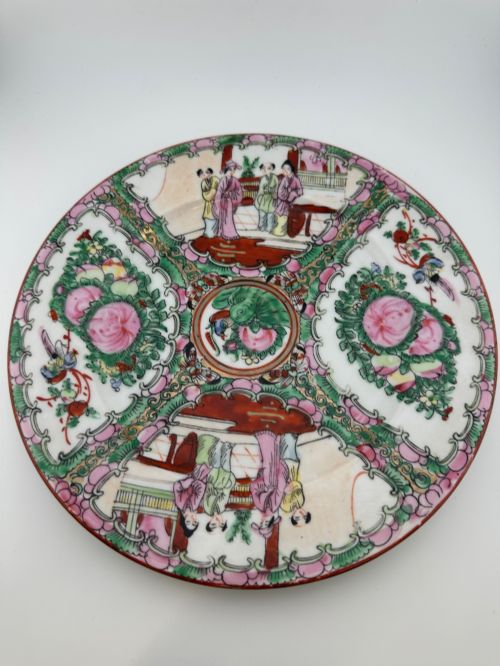
Porcelain display dishes encompass cabinet plates, decorative chargers, and wall plates designed historically for visual impact in formal rooms rather than everyday use at the table. When exploring porcelain display dishes on this page, the pieces range from 18th-century Delft and Chinese export chargers to Victorian Minton plates and 20th-century Royal Worcester cabinet ware.
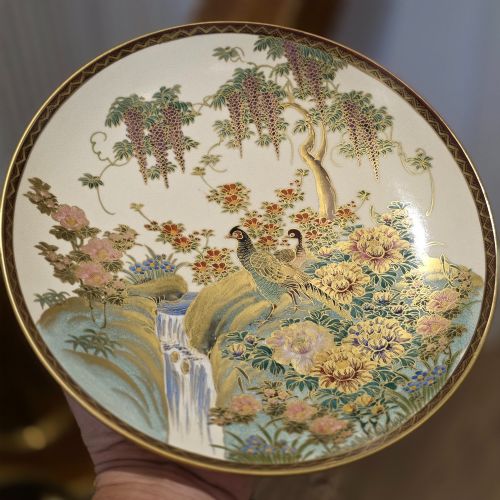
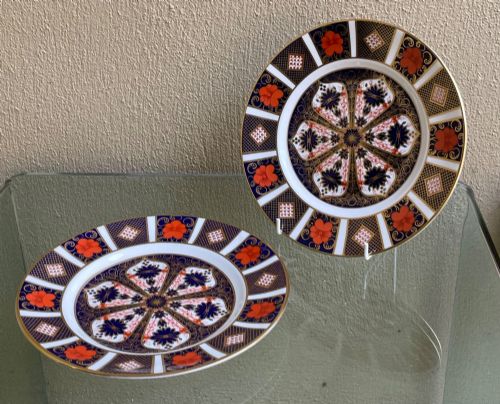
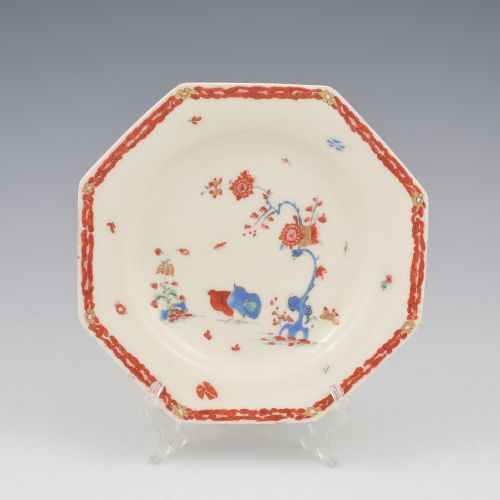
The versions most commonly met here include Japanese Imari chargers from the late 19th and early 20th centuries alongside British bone china cabinet plates from makers such as Royal Worcester. Forms vary from octagonal dessert dishes and lobed Delft bowls to large scalloped platters and round display chargers.
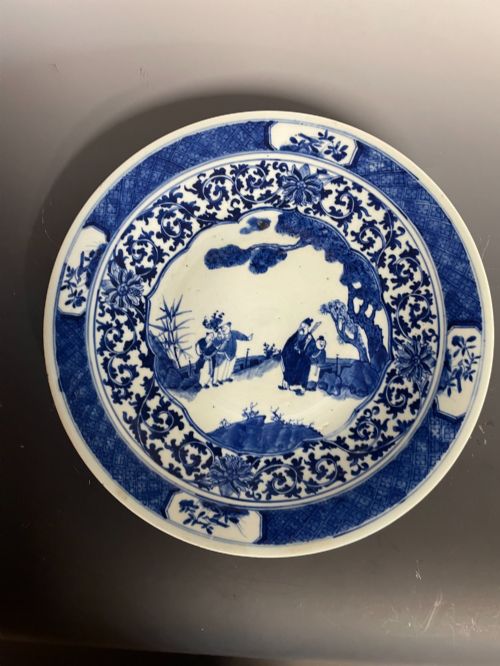
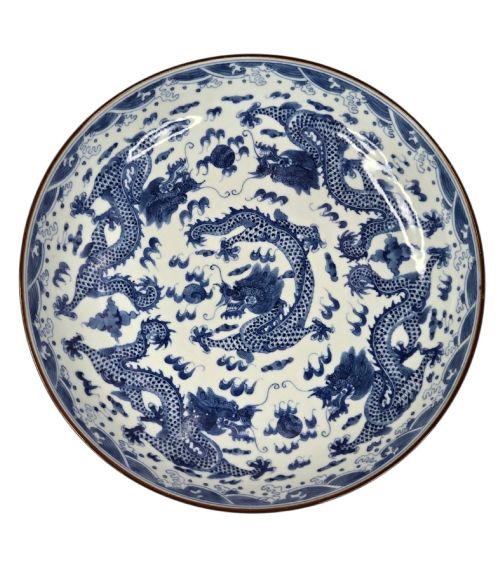
Origins stretch across European factories like Meissen, Sèvres, and Spode, alongside Asian traditions including Qing Dynasty blue and white wares and Japanese Meiji period exports. Each piece reflects the decorative tastes of its period, from Dutch Baroque influences to Aesthetic movement interpretations of Japanese style.
Materials and Techniques
The primary material across these listings is porcelain or bone china, fired at high temperatures to achieve a dense, durable body capable of holding intricate painted details. Cobalt underglaze provides deep blue decoration beneath a clear protective glaze, forming the foundation for many traditional Chinese, Japanese Imari, and Delft pieces.
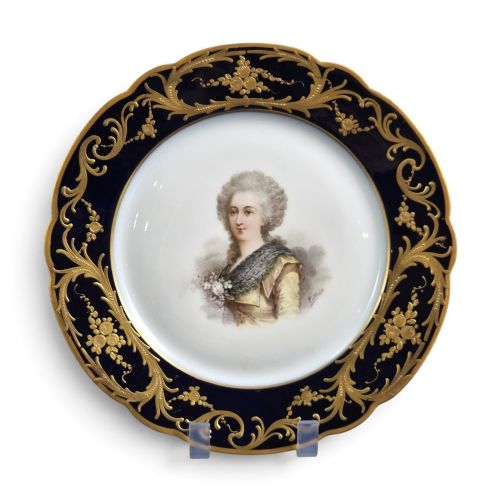
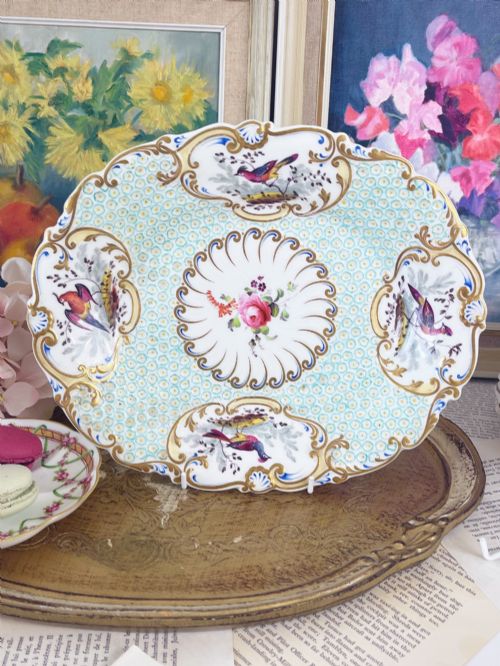
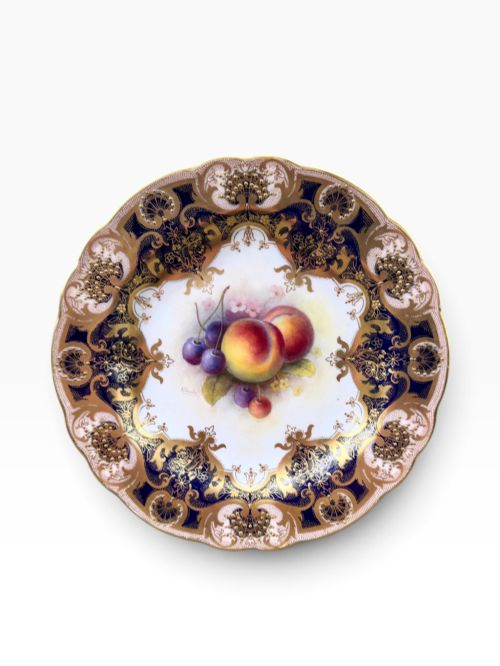
Overglaze enamels and handpainted pigments bring vibrant colour to the surface, frequently enhanced by the application of gold leaf, gilt, and intricate gilding. Artisans applied these metallic accents by hand, often firing the plates multiple times to set complex avian, botanical, and figurative compositions.
Listings feature porcelain display dishes spanning the 18th century through the Victorian era, Edwardian period, and mid-20th century.
Markers of Quality
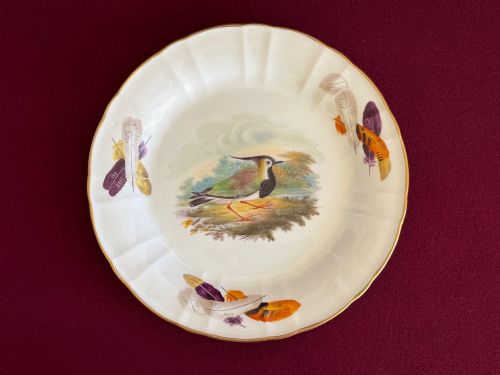
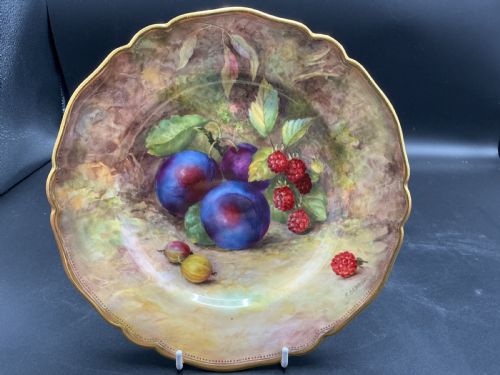
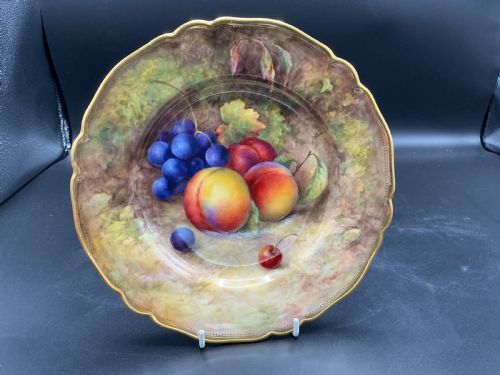
Quality in these dishes rests upon the execution of the painting and the precision of the form, separating standard decorative items from superior cabinet pieces. Handpainted works by documented artists display finer brushwork, subtle colour shading, and meticulous detail in subjects like birds, fruit, or portraits compared to simpler transfer-printed designs.
The presence of precious materials such as heavy raised gilding and cobalt underglaze indicates higher production standards. Additionally, crisp moulding in scalloped edges, octagonal forms, and balanced proportions signal superior craftsmanship from established porcelain manufactories.
Royal Crown Derby·H & R Daniel·Wedgwood·Royal Worcester·Meissen·Richard Sebright·Albert Shuck·Minton·Edmé Samson & Cie·Royal Doulton·David Dewsberry·Brian Leaman·John Ford
The Porcelain Display Dishes Glossary
- Cabinet Plate
- A decorative plate intended for display in a glass-fronted cabinet rather than for serving food.
- Charger
- A large ornamental plate or platter used as a base setting or hung on a wall for display.
- Imari
- A style of Japanese export porcelain featuring a distinct palette of cobalt blue, iron red, and gold.
- Cobalt Underglaze
- A blue pigment applied to the raw ceramic body before glazing and firing, creating a permanent chemical bond.
- Bone China
- A type of porcelain incorporating bone ash, known for its high strength, opacity, and milky white surface.
Porcelain Display Dishes: Frequently Asked Questions
What are porcelain display dishes?
Porcelain display dishes are ornamental plates, chargers, and bowls created primarily for visual appreciation rather than dining use. They encompass historical items meant to showcase ceramic artistry in drawing rooms and cabinets.
These pieces often feature handpainted scenes, exotic birds, floral motifs, or intricate gilding reflecting the specific artistic movements of their period of origin.
How were these decorative plates used?
Historically, these items served as decorative centerpieces on sideboards, sat within display cabinets, or were mounted directly onto walls to decorate formal interiors. They communicated the wealth and refined taste of the owner through costly materials and skilled artistry.
Larger chargers often acted as base plates for formal table settings before transitioning to purely decorative display roles in domestic spaces.
How do I care for antique porcelain?
Antique porcelain requires gentle handling, ideally remaining in stable environments away from direct sunlight and extreme temperature fluctuations to protect the painted enamel and gilding. Dusting with a soft, dry cloth is usually sufficient for routine maintenance.
Display pieces should be securely mounted using appropriate plate hangers or safely positioned on stable stands to prevent accidental slips or falls.
How can I tell different periods apart?
Distinguishing periods relies on observing stylistic markers, manufacturing techniques, and decorative themes inherent to specific eras like the Victorian, Regency, or Edwardian periods. For example, Aesthetic period pieces often incorporate Japanese-inspired motifs like suns and insects.
Backstamps, artist signatures, and ceramic bodies also provide concrete clues to date a piece accurately alongside the prevailing artistic conventions of its time.