





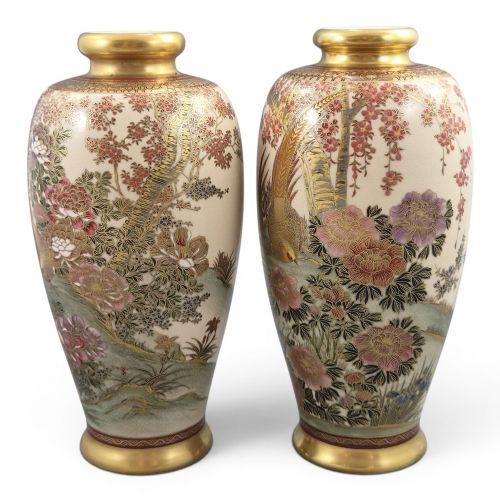


Polychrome Japanese Ceramic Vase
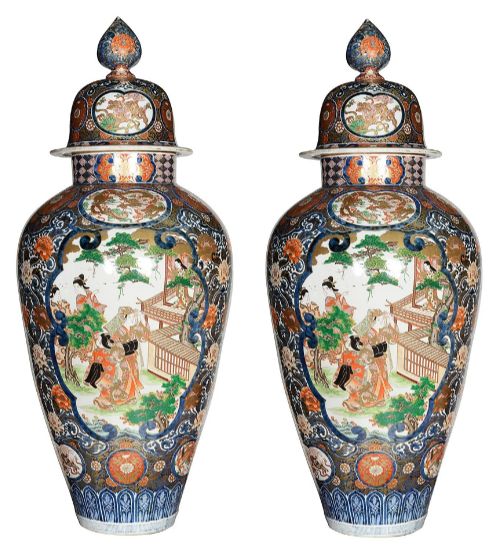
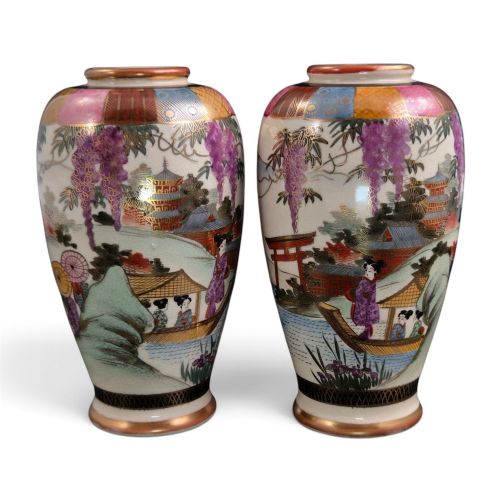
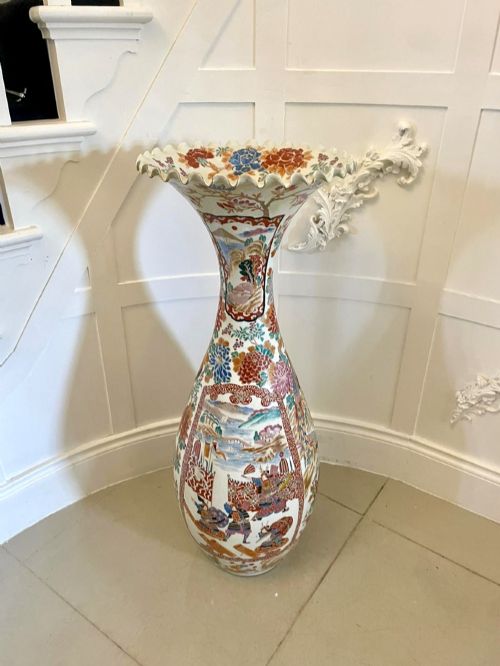
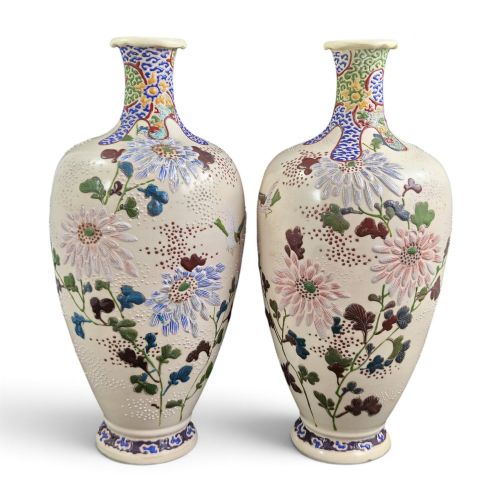
These vibrant polychrome japanese ceramic vase examples bring intricate hand-painted detail and rich historical presence into a room.
Polychrome Japanese Ceramic Vase
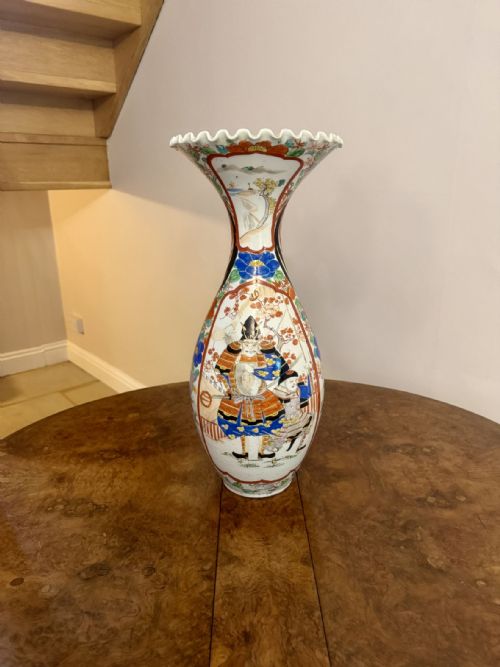
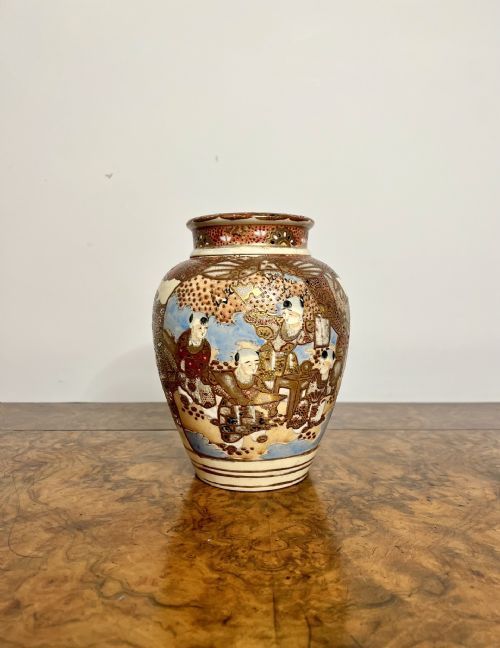
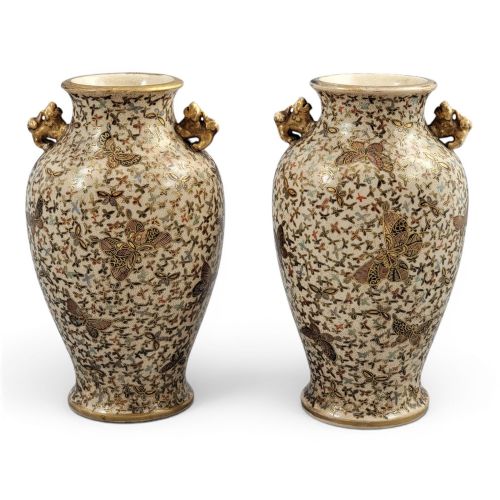
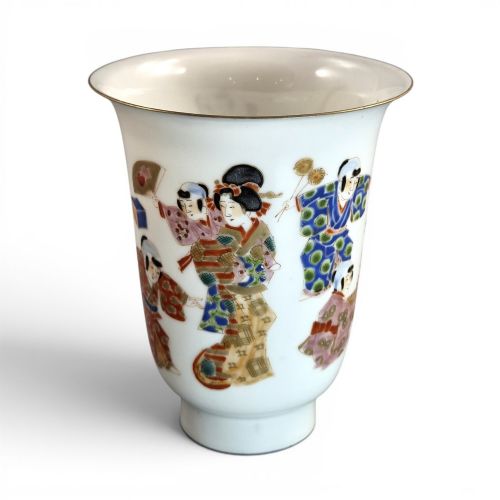
A polychrome japanese ceramic vase brings together complex hand-painted scenes and rich glaze work originating from the nineteenth and early twentieth centuries. These decorative vessels appear primarily as Satsuma earthenware, Imari porcelain, and Kutani ware.
Buyers frequently encounter pieces created during the Meiji period, alongside later Taisho and Showa examples. Forms range from miniature tripod vessels to large floor-standing vases and converted table lamps.
Many items display traditional landscape motifs, floral patterns, or figures associated with Japanese mythology. Makers utilised distinct regional styles, particularly from Kyoto, Kobe, and Arita.
Materials and construction methods
Potters shaped these vessels using porcelain or fine earthenware bodies before applying complex underglaze and overglaze colours. Artisans added intricate details using gold leaf and raised gilt decoration over the fired ceramic.
Enamel pigments were layered carefully across the surface to build up figures, wisteria, and landscapes. Workshops often finished pieces with clear glazes to protect the delicate polychrome palette.
Polychrome Japanese Ceramic Vase Retail Price Guide 2026
Typical asking prices for polychrome japanese ceramic vase among the pieces listed under this phrase on Sellingantiques today, from the lower quarter to the upper quarter. They describe what is for sale here now, not the wider market.
The listings show pieces spanning from the 18th century through the Meiji, Taisho, and Showa periods.
Distinguishing quality across the range
Execution of the painted detail separates standard export items from exceptional studio pieces. Finely brushed figures, precise facial expressions, and dense use of gold leaf indicate superior craftsmanship.
The clarity of the glaze and the crispness of the earthenware or porcelain body dictate the overall finish. Signed bases and exhibition pieces generally display a higher level of artistic ambition.
Manpei Kobe·Kinzan·Yamashu·Choshuzan·Jissei·Yoshisada·Hayakawa·Hichozan Shinpo·Fukagawa·Maruni Kobe
The Polychrome Japanese Ceramic Vase Glossary
- Satsuma
- Crackle-glazed earthenware originating from the Satsuma domain, typically decorated with elaborate polychrome enamels and gilt. Artisans across Kyoto and Kobe also produced this style for export.
- Imari
- Traditional Japanese porcelain decorated in underglaze blue, iron red, and gilt. The palette remains distinct and highly recognisable.
- Kutani
- Japanese porcelain or earthenware known for vibrant colour schemes, often featuring greens, blues, yellows, and purples alongside rich red tones.
- Shimazu Mon
- The badge or crest of the Satsuma clan, consisting of a cross within a circle. This mark frequently appears on high-quality exported pieces.
- Meiji Period
- The era spanning from 1868 to 1912, marking a major surge in decorative arts produced for international markets.
Polychrome Japanese Ceramic Vase: Frequently Asked Questions
Were these vases made for export?
Many pieces produced during the Meiji period were specifically created for international trade and exhibitions. Artisans combined traditional motifs with forms suited to Western decorative tastes.
Signature panels and factory marks often indicate destination markets or specific workshop commissions from this active trading era.
How do I identify Satsuma ware?
Look for a characteristic ivory-coloured earthenware body covered in a fine network of transparent crackle glaze. The surfaces are typically crowded with detailed polychrome figures and heavy gold decoration.
Satsuma pieces generally feel heavier than porcelain and lack the ring associated with high-fired ceramic bodies.
Can I use these vases for fresh flowers?
Older earthenware ceramics, particularly crackle-glazed Satsuma pieces, are porous and can easily absorb water through the body. Using them with liquid risks damaging the historic glazes and staining the interior.
Display these vessels dry or utilise a hidden waterproof insert if you want to hold botanical arrangements safely.