



Oriental Decorative Display Vase
An oriental decorative display vase brings intricate hand-painted detail and rich cultural craftsmanship into a room.
Oriental Decorative Display Vase
When searching for an oriental decorative display vase, collectors encounter diverse forms including large floor urns, moon flasks, covered jars, and traditional vessels. These pieces emerge from periods such as the 19th Century, Meiji Period, Qing Dynasty, and Edwardian era.
The objects span multiple origins and styles, featuring Japanese Imari, Chinese Export, Victorian Chinoiserie, and Satsuma wares. Buyers will discover both porcelain and earthenware bodies alongside metal constructions.
Vessels range from modest cabinet specimens to substantial display pieces exceeding fifty centimetres in height. Pairs frequently appear, offering symmetrical options for mantelpieces or entrance halls.
Materials and construction
Potters and artisans shaped these objects using porcelain, earthenware, bronze, and brass, often combining ceramic bodies with applied lacquer, enamel, and gilt details. Bronze and brass examples utilise casting techniques, while ceramic pieces undergo high-temperature firing before receiving elaborate surface decoration.
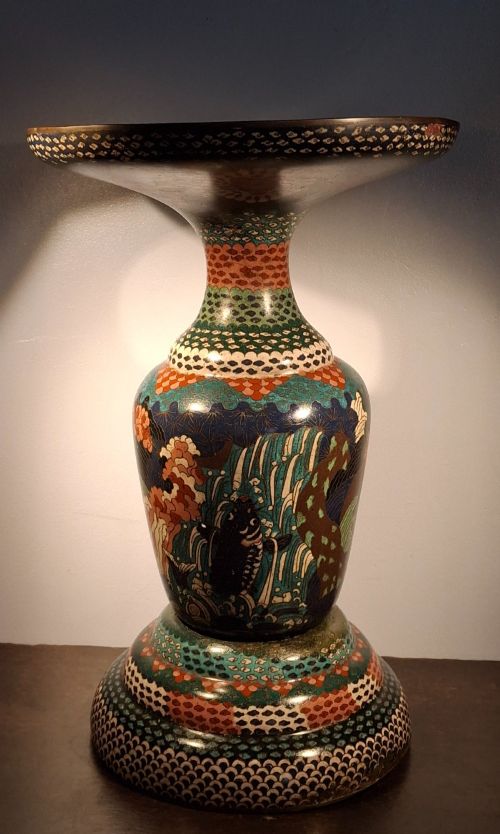
Decoration relies on meticulous hand-painting, moriage relief work, and cloisonné enamelling secured with metal wire partitions. Artisans applied gold leaf and heavy gilding to highlight figurative panels, floral motifs, and mon crests.
Oriental Decorative Display Vase Retail Price Guide 2026
Typical asking prices for oriental decorative display vase among the pieces listed under this phrase on Sellingantiques today, from the lower quarter to the upper quarter. They describe what is for sale here now, not the wider market.
Listings feature items spanning the Victorian era, Edwardian period, Meiji period, and Qing dynasty.
Evaluating craftsmanship
Excellence in these objects rests upon the precision of the hand-painted brushwork and the complexity of the surface ornamentation. Pieces designated for exhibitions or carrying signatures from recognised workshops display superior control over enamel layering and gilding density.
The structural integrity of the ceramic body or metal casting dictates overall durability, with heavier, well-balanced specimens demonstrating superior manufacturing standards. Relief elements such as bamboo-handle forms and moriage detailing reflect the artisan's sculptural capability.
Hododa·Kinkozan
The Oriental Decorative Display Vase Glossary
- Imari
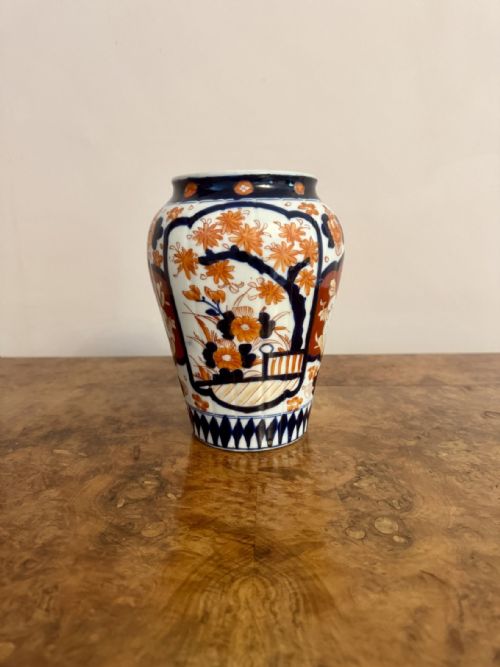
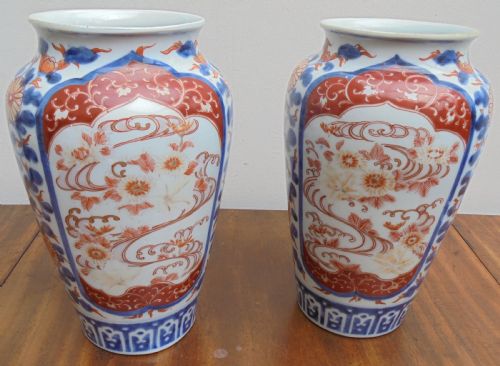
- A style of Japanese porcelain decorated in underglaze blue and overglaze red, gold, and green. This palette creates a vibrant, rich appearance.
- Satsuma
- Earthenware pottery originating from Satsuma Province in Japan, featuring a characteristic crackle-glaze finish. Artisans typically cover these surfaces with detailed polychrome and gilt illustrations.
- Moriage
- A decorative technique using piped clay slips to create raised, textured patterns on ceramics. This method adds significant tactile depth to panels and borders.
- Cloisonné
- An enamelling method where metal wires form compartments on a bronze or copper base to hold coloured glass paste. Firing fuses the enamel into place before polishing.
- Mon
- A Japanese heraldic badge or emblem used to identify families and clans. These symbols frequently appear on high-quality Satsuma and Imari pieces.
- Moon flask
- A flattened, globular ceramic flask with a short neck and two loop handles. This traditional Chinese form serves primarily as a decorative display object.
Oriental Decorative Display Vase: Frequently Asked Questions
How do I display a large oriental vase safely?
Position heavier vessels on stable, low furniture where foot traffic will not accidentally displace them. Ensure large floor urns rest on level ground away from direct sunlight.
For tall or top-heavy specimens, consider discreet museum wax or museum putty beneath the base to prevent tipping.
Can I use these antique vases for fresh flowers?
Many historic ceramic and metal vessels were designed purely for ornamental display rather than holding water. Porous earthenware and older glazed interiors can suffer damage from prolonged moisture exposure.
Utilise a waterproof liner or insert if you intend to display fresh stems inside a delicate antique piece.
How do I distinguish Satsuma ware from Imari?
Satsuma ware is an earthenware ceramic defined by its distinctive cream-coloured crackle glaze and dense polychrome enamel painting. It often includes raised moriage details and heavy gilding.
Imari pieces are porcelain objects utilising a strict palette of cobalt blue underglaze combined with iron red and gold overglaze.
What is the significance of a mon on a vase?
A mon represents a traditional Japanese family crest or clan emblem painted onto the ceramic surface. The presence of a specific crest often links the piece to prominent households or exhibition commissions.
These heraldic symbols add historical context and provenance to Satsuma and decorative Japanese wares.
How should I clean an antique bronze or cloisonne vase?
Dust metal and cloisonné surfaces gently with a soft, dry microfiber cloth to prevent particulate buildup. Avoid using commercial metal polishes, chemical solvents, or water on antique patinas and enamels.
Professional conservation advice should be sought if deeper cleaning is required for fragile enamel work.