





Meiji Period Earthenware Vase
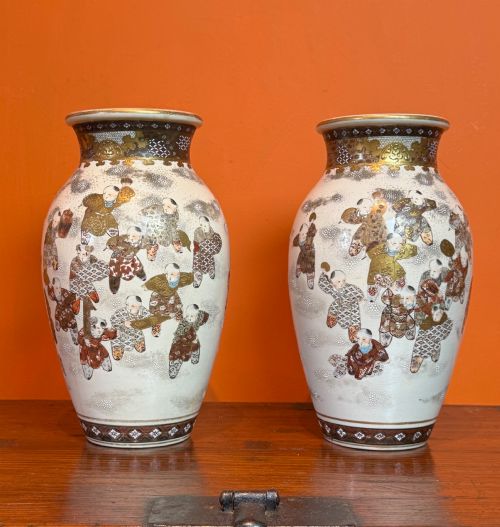
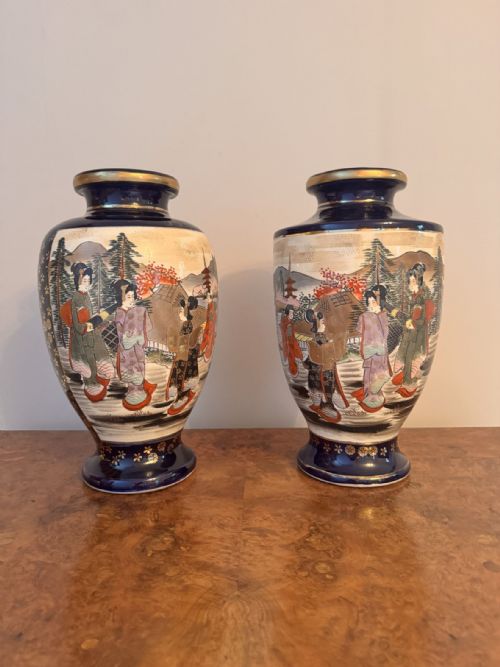
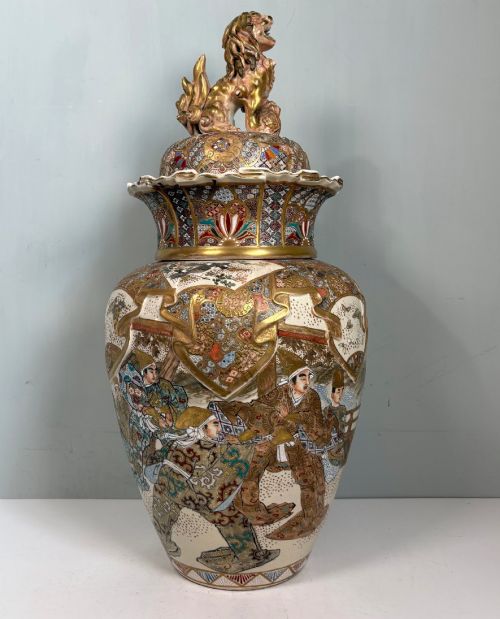
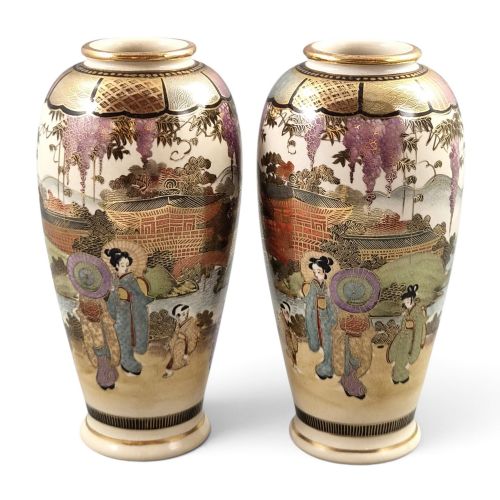
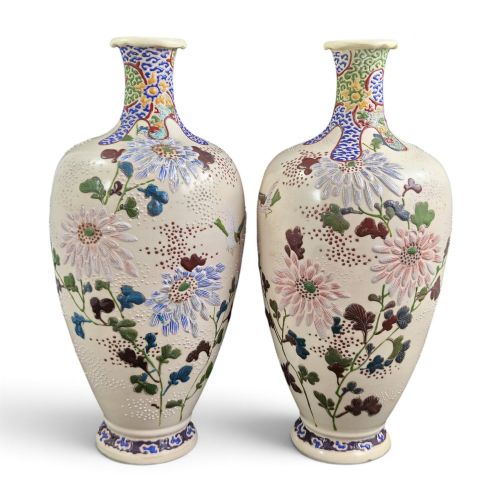
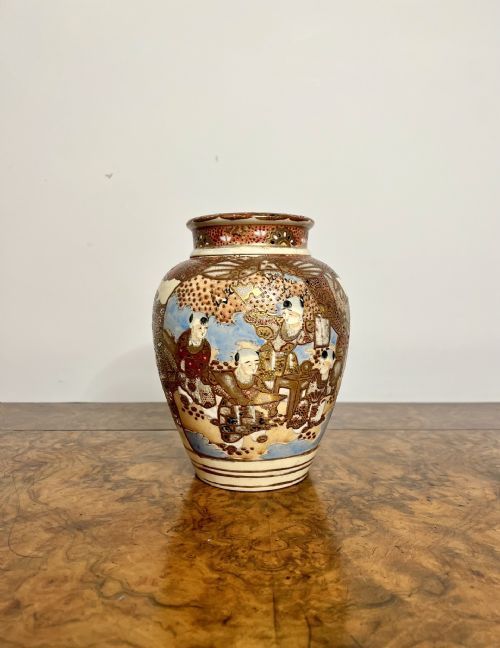
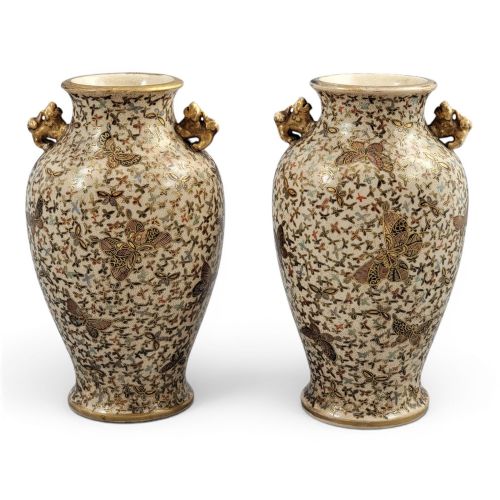
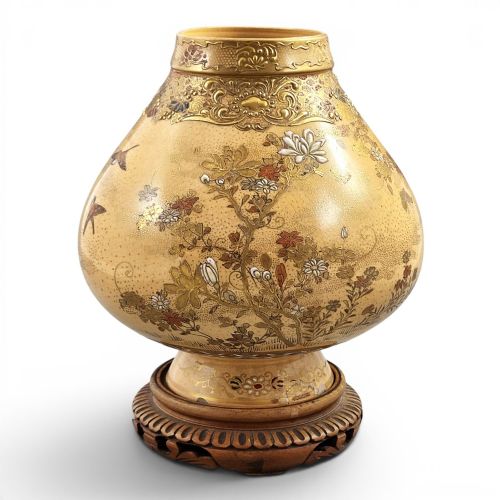
These pieces combine intricate enamel and gilt detailing, capturing the historic craftsmanship found in every meiji period earthenware vase.
Meiji Period Earthenware Vase
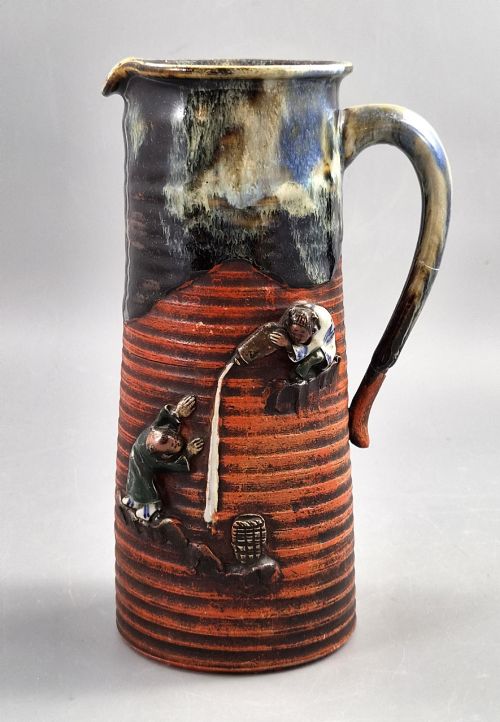
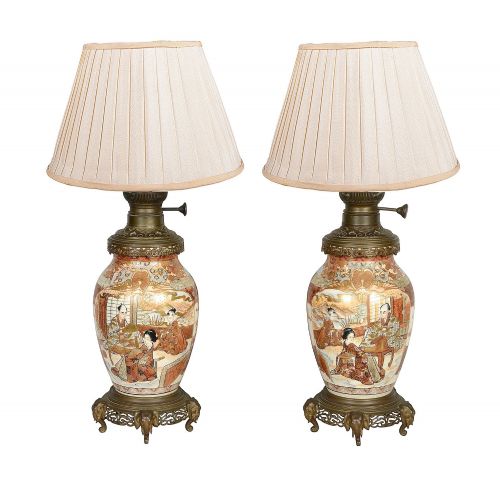
A meiji period earthenware vase typically presents as a heavily decorated ceramic vessel originating from late nineteenth and early twentieth century Japan. Buyers encounter various forms on this page, ranging from miniature jars and ginger jars to monumental palace vases and table lamps.
Many examples emerge from well-known ceramic centres such as Kyoto, often featuring distinct regional traits like crackle-glazed surfaces and elaborate figural scenes. The selection spans baluster profiles, hexagonal shapes, and tripod vessels created during the Meiji and subsequent Taishō eras.
How they were made
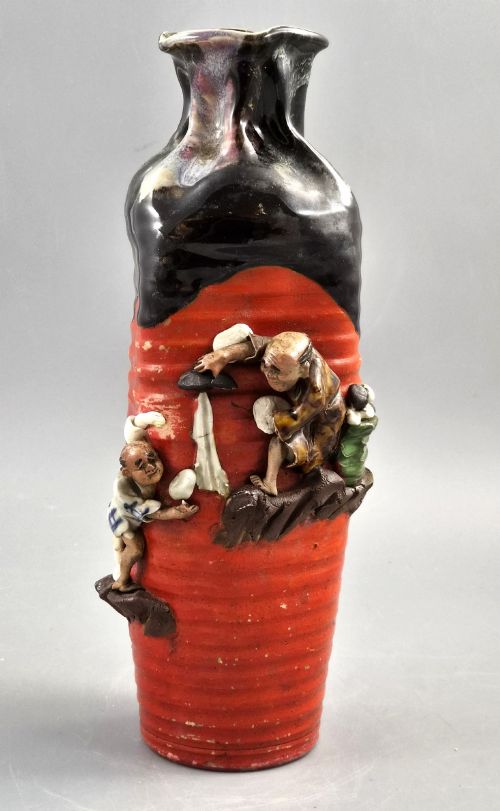
Potters shaped the clay bodies using earthenware and stoneware techniques before applying specialised glazes that produced the signature fine crackle finish. Artisans then built up complex imagery utilising detailed enamel work and raised relief decoration.
Gilding played a central role in the ornamentation, with artists applying gold leaf and gold gilt to accentuate borders, robes, and backgrounds. Wood components occasionally accompanied specific vessels, such as fitted bases or carved lids designed to complement the ceramic body.
Meiji Period Earthenware Vase Retail Price Guide 2026
Typical asking prices for meiji period earthenware vase among the pieces listed under this phrase on Sellingantiques today, from the lower quarter to the upper quarter. They describe what is for sale here now, not the wider market.
Listings feature earthenware and stoneware bodies decorated with enamel, gold leaf, and wood elements across nineteenth and twentieth-century periods.
What varies in quality
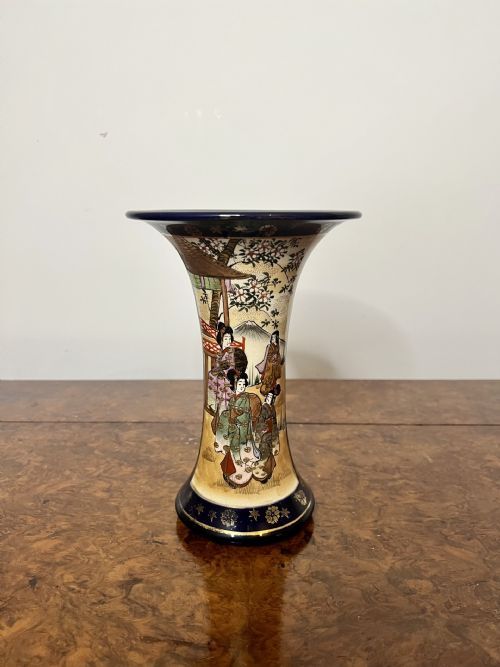
The distinction between standard commercial output and superior workshop production rests in the density and precision of the brushwork. Master decorators working for established houses achieved remarkable clarity in facial expressions and narrative detail.
Execution of the raised moriage work and the richness of the gold leaf application further separate exceptional pieces from simpler utilitarian wares. Depth of palette and the controlled application of cobalt grounds signal the tier of the original workshop.
Maruni Kobe·Shozan·Inoue Ryōsai·Kinkōzan Workshop·Kinzan·Hotoda·Makuzu Kozan II·Chosei·Nanzan·Seiko-en Chokei·Yamashu·Choshuzan·Jissei·Yoshisada·Hakusan·Tagawa
The Meiji Period Earthenware Vase Glossary
- Satsuma
- A type of Japanese pottery with a pale, ivory-coloured earthenware body and a fine transparent crackle glaze. It served as the primary canvas for elaborate polychrome and gilt enamel decoration during the Meiji period.
- Moriage
- A ceramic technique where slip is piped onto the surface to create raised decorative patterns before glazing and firing. This method adds a tactile, three-dimensional quality to floral and figural motifs.
- Mon
- A traditional Japanese emblem or badge used to identify families, clans, or organizations. These crests frequently appear painted in gold upon the surface of high-status export ceramics.
- Baluster
- A tall vase form with a rounded body that tapers toward the base and swells near the lower middle. It remains one of the most common structural profiles found among export earthenware.
- Koro
- A traditional Japanese incense burner typically supported on three or more feet and fitted with a pierced cover. These vessels often feature guardian lion figures modelled on the lid.
Meiji Period Earthenware Vase: Frequently Asked Questions
What are Satsuma vases made from?
These vessels utilise a cream-coloured earthenware body covered in a fine network of transparent crackle glaze.
Artisans then apply extensive enamel paints and gold leaf over this foundational ceramic surface.
How do you identify a Meiji period piece?
Identification relies on stylistic markers such as dense figural scenes, cobalt grounds, and intricate raised moriage patterns characteristic of late nineteenth-century export production.
Many superior examples also bear painted or impressed workshop signatures on the underside.
How should I display a ceramic vase?
Place the vessel away from direct sunlight to protect the stability of the delicate enamel pigments and gold leaf over time.
Ensure it sits on a stable, level surface where accidental bumps from daily foot traffic will not cause a tip.
What is the difference between Satsuma and stoneware?
Satsuma utilises a porous earthenware paste fired at lower temperatures, resulting in the characteristic network of glaze crazing.
Stoneware employs denser clay bodies fired at higher heats, producing a heavier, completely non-porous finish.