


Persian Khorjin Face
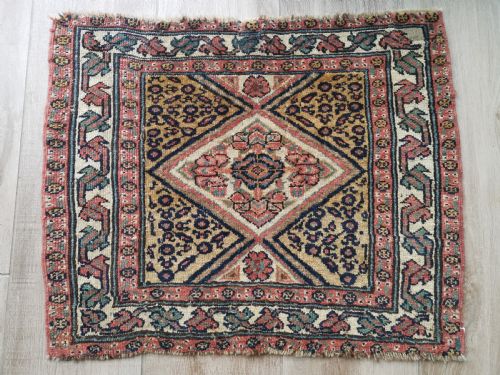
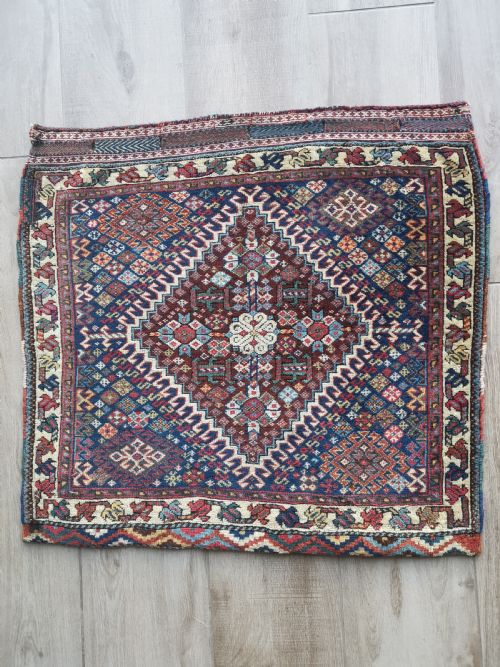
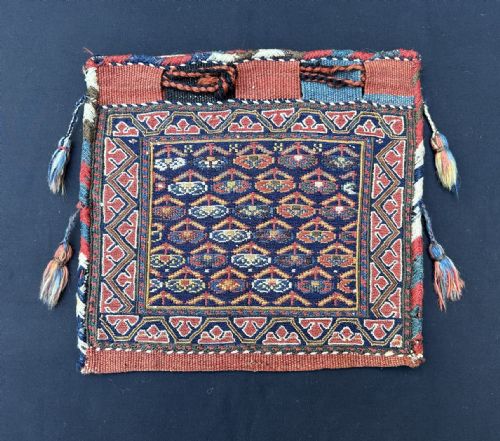
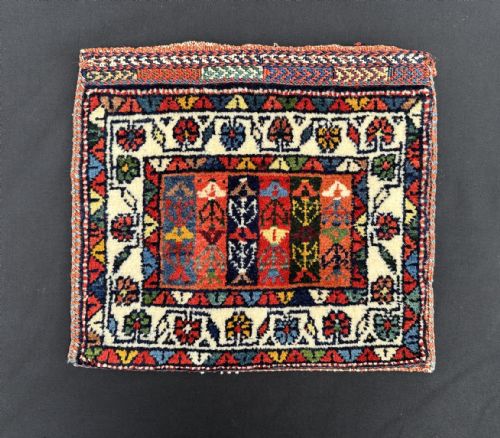
These pieces known as a persian khorjin face are nomadic textile fragments carrying tribal patterns that bring rich texture to a room.
Persian Khorjin Face
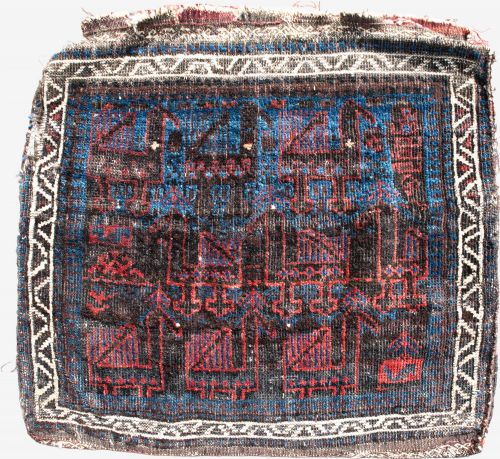
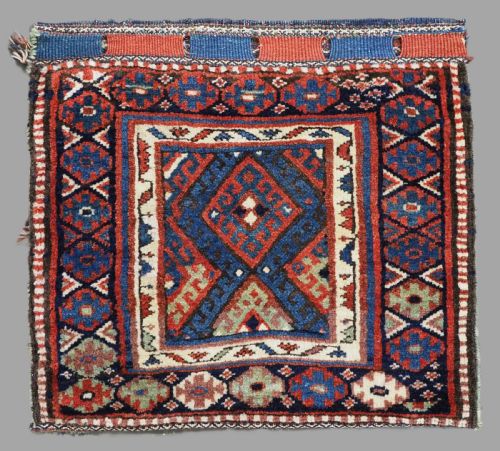
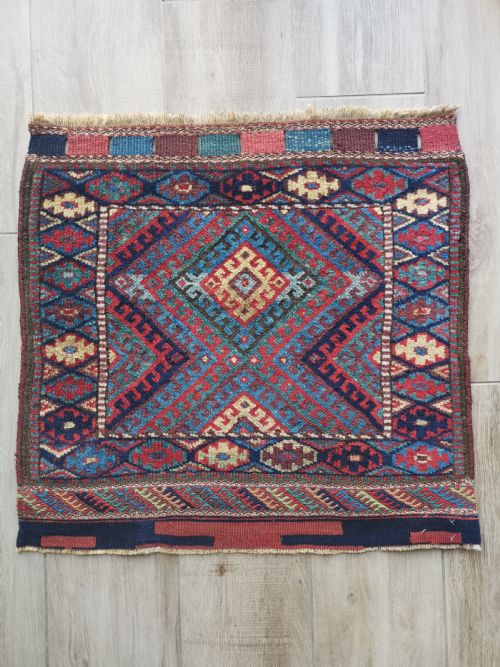
When you search for a persian khorjin face, you encounter the front panels or complete sides of traditional double storage bags made by nomadic and tribal groups across Persia. These items functioned originally as practical pack animals bags for bedding, household goods or personal vanity items before being separated into decorative textile art.
The selections span various regional groups including Qashqai, Afshar, Luri, Jaf Kurd, Shahsavan and Baluch communities. You meet single bag faces, half-khorjins, complete saddlebags with plain weave backs, and smaller personal chanteh pieces dating from the nineteenth and early twentieth centuries.
How They Were Made
Makers utilised hand-spun wool for the pile and structure, combining it with cotton foundations in certain regional examples. Natural dyes provided the deep reds, blues and earthy tones that define these textiles.
Weavers employed hand-knotting techniques for the pictorial pile surfaces alongside flat-woven sumac and plain weave backings. This combination of knotting and flat-weaving gave the storage containers the structural strength needed for nomadic transport.
Nomadic weavers frequently hid small asymmetric irregularities in their repetitive geometric patterns to ward off the evil eye.
What Varies in Quality
The handling of natural dyes creates a distinct visual depth, where subtle variations in tone show the life of the wool. Pieces with exceptional knot density and resilient, lustrous pile stand apart from standard examples.
Compositional clarity and the precision of geometric or medallion placement distinguish individual tribal works. The integrity of the remaining structure, whether a full bag or a preserved face, marks the division between ordinary fragments and accomplished weaving.
The Persian Khorjin Face Glossary
- Khorjin
- A traditional Persian double saddlebag used by nomadic tribes for transport and storage. These bags were often cut apart over time, leaving individual faces as decorative textile panels.
- Chanteh
- A small personal bag or vanity pouch woven by nomads for carrying small belongings. They display the same meticulous knotting and design vocabulary as larger storage units.
- Soumac
- A flat-weave technique where working threads wrap horizontally over warp threads to create a textured, durable surface. This method appears frequently on Shahsavan bags.
- Boteh
- A recurring teardrop or almond-shaped motif representing a floral spray or cypress tree. It is a fundamental design element across many Persian tribal styles.
- Medallion
- A central ornamental design element placed in the middle of the bag face. Tribal weavers arranged geometric and pictorial elements around this focal point.
Persian Khorjin Face: Frequently Asked Questions
What is a khorjin?
A khorjin is a traditional double-sided storage bag used by nomadic tribes in Persia for carrying possessions on pack animals.
Over generations, many of these utilitarian bags were separated into individual panels, known as bag faces, for display as decorative art.
How were khorjin faces used?
Nomadic families used these sturdy bags to transport and store household goods, bedding, and personal items during seasonal migrations.
Today, collectors frame these textile faces or convert them into cushions to showcase their intricate tribal patterns in modern interiors.
Which tribes made these bags?
Numerous tribal confederations across Persia produced these bags, including the Qashqai, Afshar, Luri, Shahsavan, Jaf Kurd, and Baluch.
Each group utilised distinct colour palettes, weaving techniques, and geometric motifs that reflect their specific regional heritage.
How do I date a bag face?
Dating relies on examining the quality of the hand-spun wool, the composition of natural dyes, and the specific tribal design characteristics.
Pieces originating from the nineteenth and early twentieth centuries show distinct structural traits and wear patterns consistent with nomadic use.