



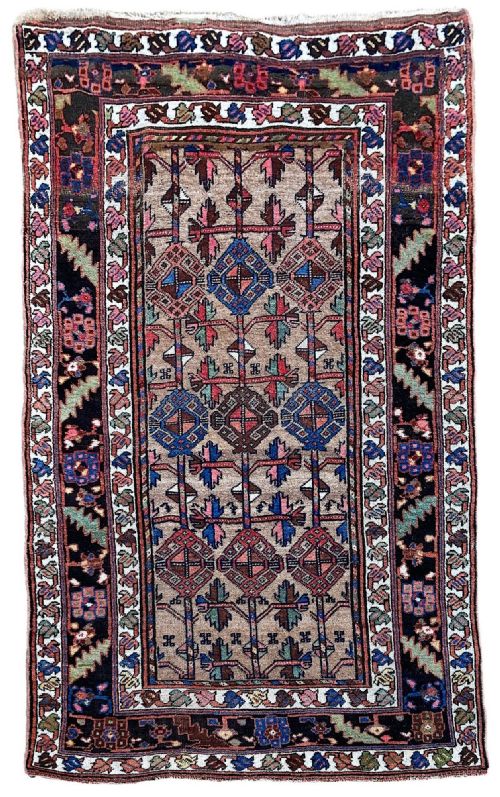
Caucasian Tribal Weaving
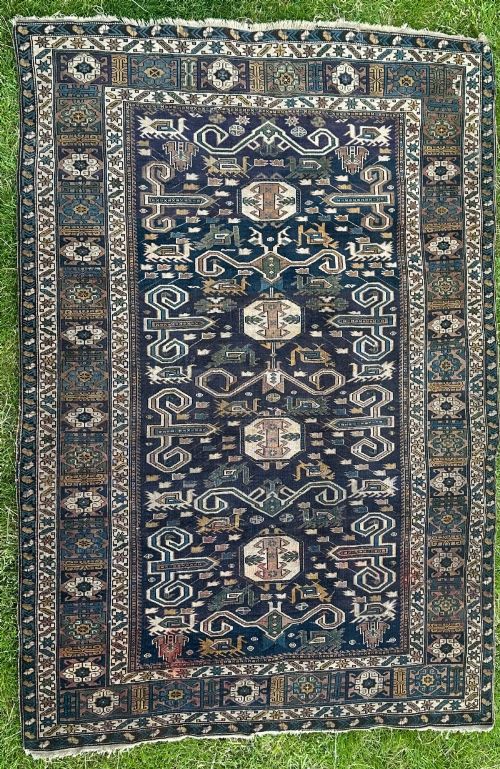
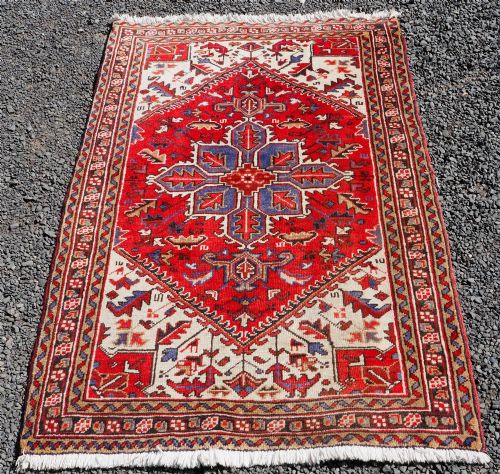
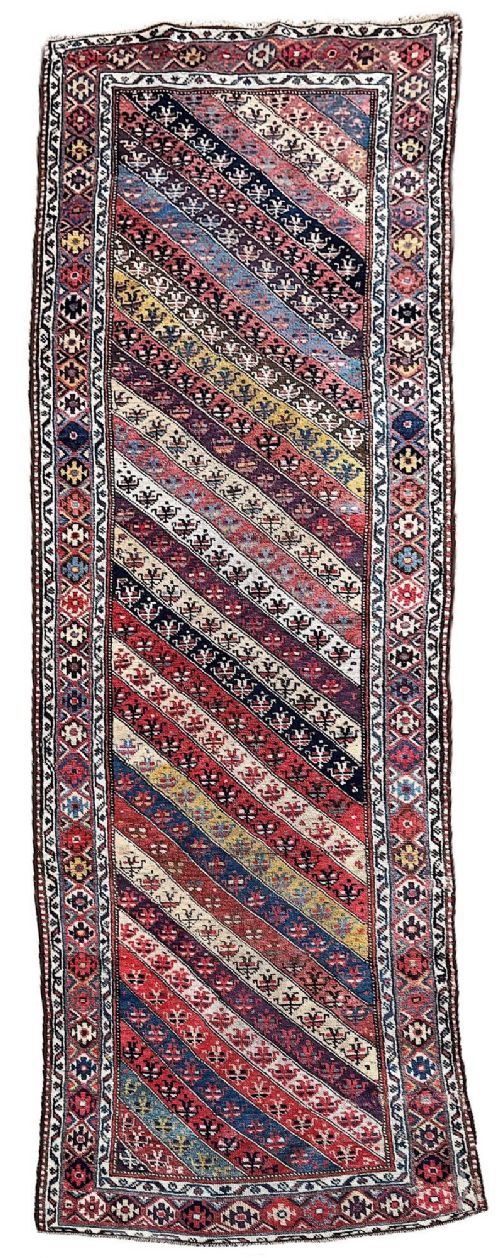
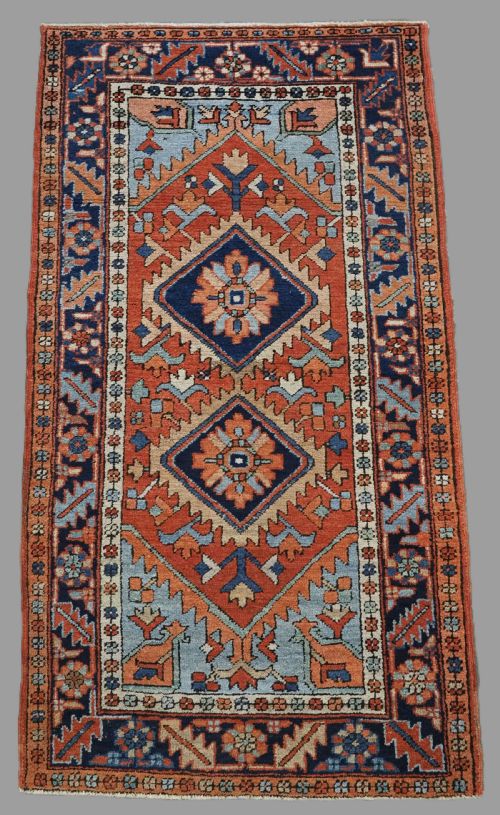
Caucasian tribal weaving brings centuries of nomadic artistry into a room through rich wool rugs, runner carpets, flat-weave kilims, and small saddle-bags.
Caucasian Tribal Weaving
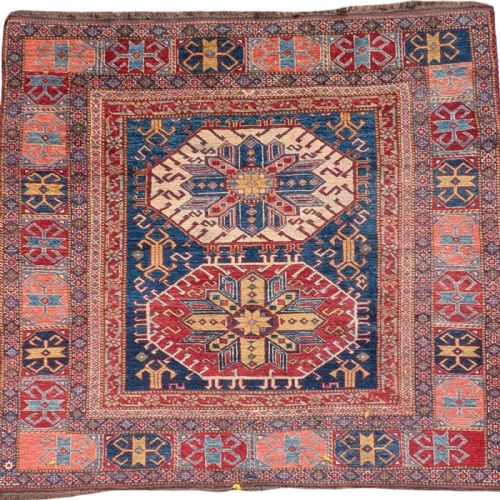
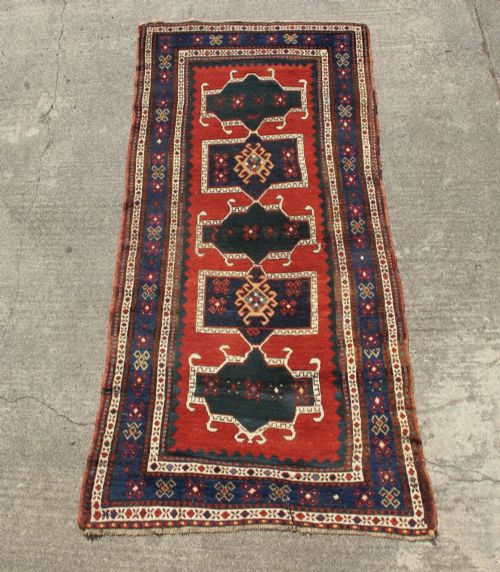
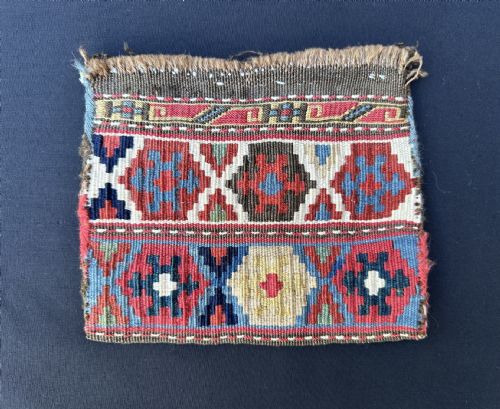
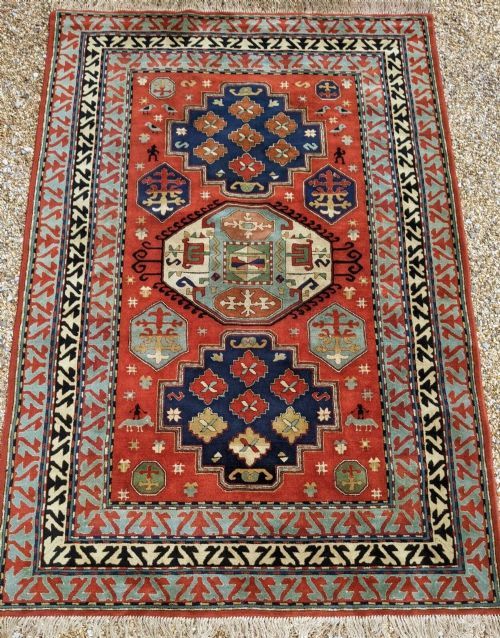
Caucasian tribal weaving encompasses hand-knotted rugs, flat-weave kilims, and nomadic items such as vanity-bags and saddle-bags originating from the Caucasus region. These textiles span periods from the nineteenth century into the early twentieth century, reflecting traditional village and tribal output.
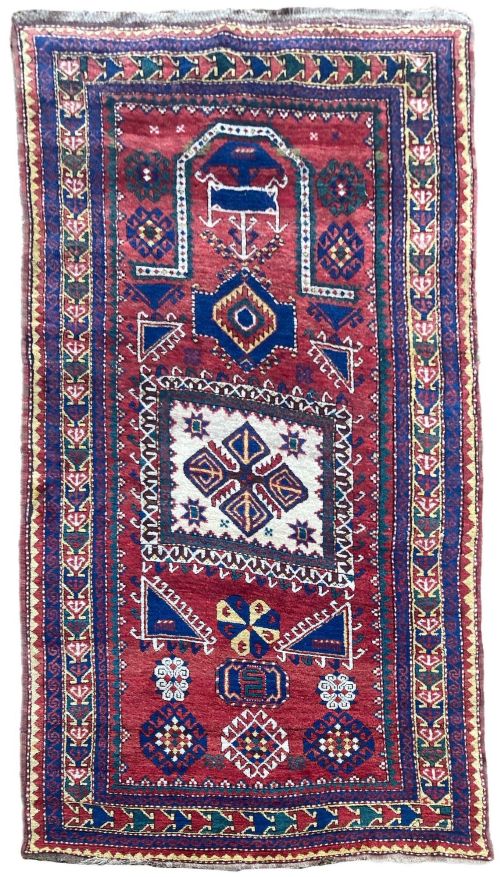
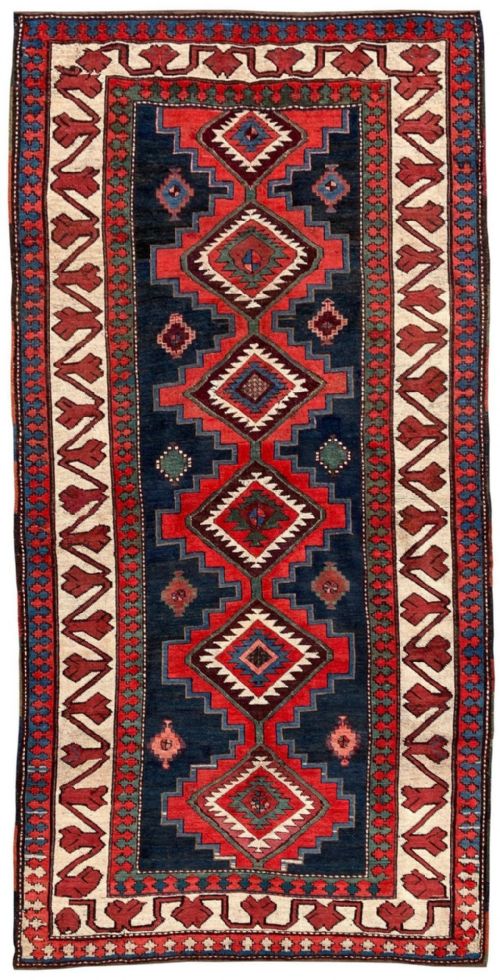
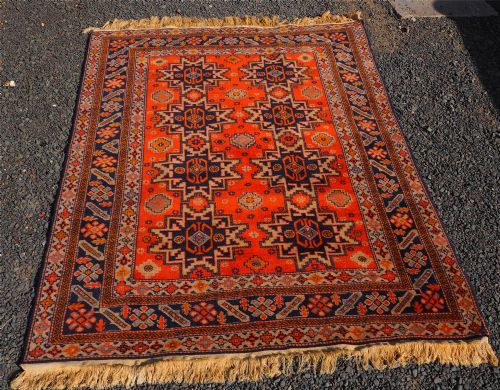
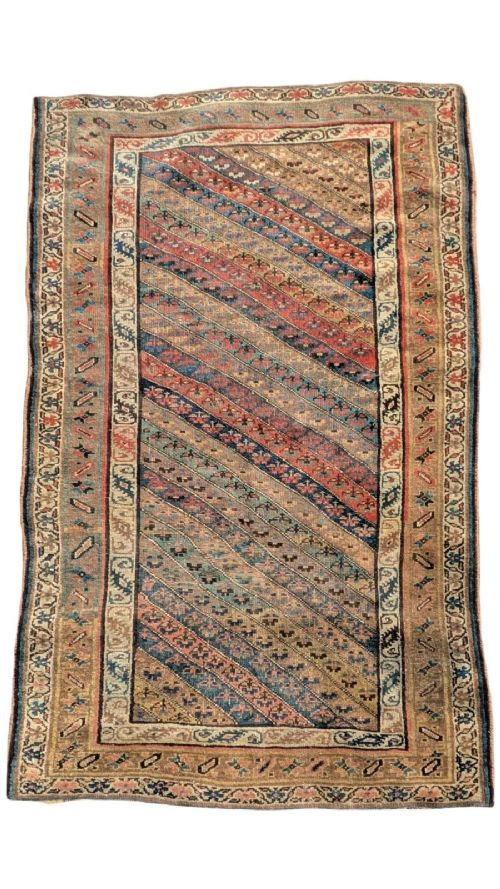
The selections most commonly met on this page include Kazak, Shirvan, Karabagh, and Kurdish rugs alongside Shahsavan flat-weaves. These pieces range from small prayer formats and compact mats to long runners and larger carpets.
Materials and construction
These textiles are built primarily from wool and hand-spun wool foundation yarns, occasionally supported by cotton elements. Artisans utilised natural dyes to achieve the varied hues recorded across the inventory.
Weavers employed hand-knotted pile techniques alongside flat-weave methods such as sumac weave to produce structured carpets and functional tribal bags. Wooden looms and nomadic upright frameworks facilitated the creation of these durable domestic objects.
Caucasian Tribal Weaving Retail Price Guide 2026
Typical asking prices for caucasian tribal weaving among the pieces listed under this phrase on Sellingantiques today, from the lower quarter to the upper quarter. They describe what is for sale here now, not the wider market.
Listings span periods from the 1850s to the 1940s, recording wool, cotton, silk, and natural dye usage across diverse tribal forms.
Factors of distinction
Quality in these rugs rests upon the crispness of geometric motifs, the handling of natural dye palettes, and the integrity of the wool pile. Tighter knots and well-resolved animal or medallion motifs distinguish finer village examples from standard production.
The preservation of original kilim ends, side cordages, and balanced proportions elevates a piece. Subtle shifts in tone achieved through natural dyeing create visual depth that sets superior examples apart.
The Caucasian Tribal Weaving Glossary
- Kilim
- A flat-woven carpet or rug produced without a pile. These textiles rely on interlocking weft threads to form sharp geometric patterns.
- Prayer Rug
- A textile featuring a distinct mihrab or arch design meant for devotional use. Collectors prize these formats for their concentrated symbolic layouts.
- Kazak
- A style of rug woven in the southern and western Caucasus by various tribal groups. They are noted for bold primary colours and large geometric medallions.
- Sumac
- A flat-weave technique where extra weft threads are wrapped around the warp to create a textured surface. This method adds structural strength and visual relief.
- Khorjin
- A traditional pair of saddle-bags used by nomadic tribes for transport and storage. Surviving examples are often separated into individual bag faces.
Caucasian Tribal Weaving: Frequently Asked Questions
What is a flat-weave kilim?
A flat-weave kilim is constructed without a pile by tightly interweaving warp and weft threads together. This creates a lightweight, reversible textile with crisp, flat geometric borders and bands.
Nomadic groups used these versatile textiles for floor coverings, blankets, and animal pack saddles. Their lack of pile distinguishes them immediately from traditional knotted carpets.
How were tribal bags used?
Nomadic families utilised khorjin saddle-bags to transport belongings across mountain passes during seasonal migrations. Suspended across pack animals, these containers held household goods, grain, and personal items.
Complete pairs or surviving bag faces display compressed versions of main carpet motifs. Today they function well as small decorative wall hangings or table mats.
How do I care for antique wool rugs?
Antique wool rugs require gentle vacuuming without rotary beater bars to protect delicate hand-spun pile and original flat-weave edges. Keeping them out of direct sunlight prevents natural dyes from fading over time.
Professional specialist cleaning ensures wool fibres remain conditioned without chemical damage. Proper placement on a breathable underlay protects the foundation structure from premature wear.