
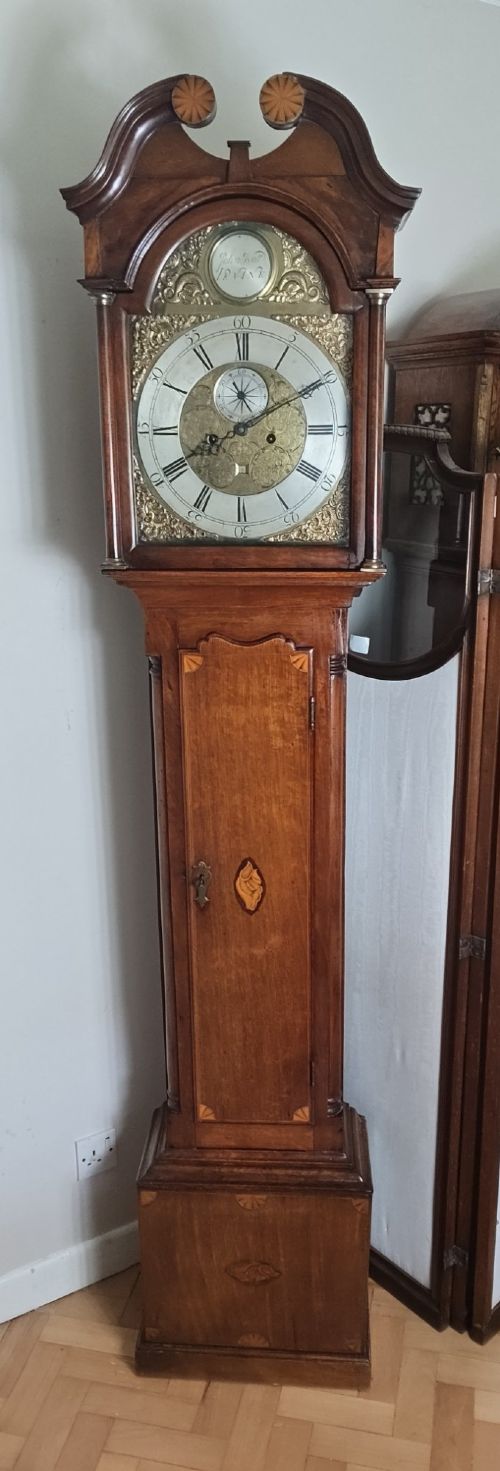
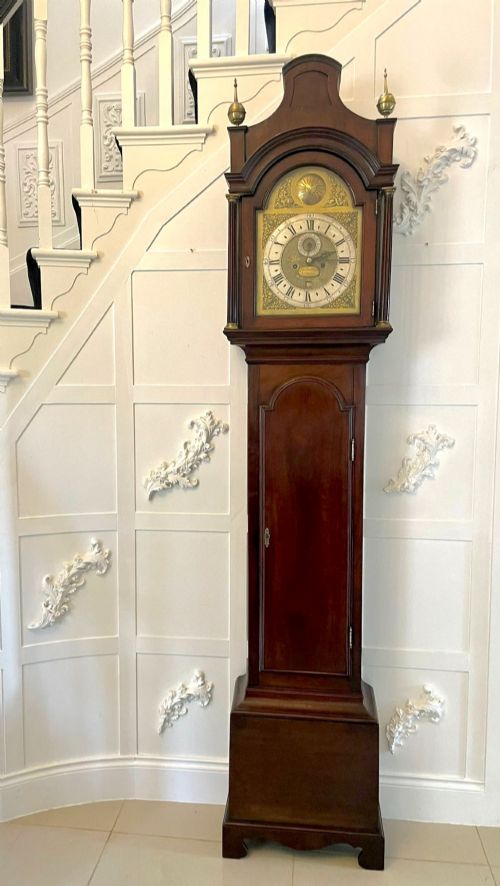
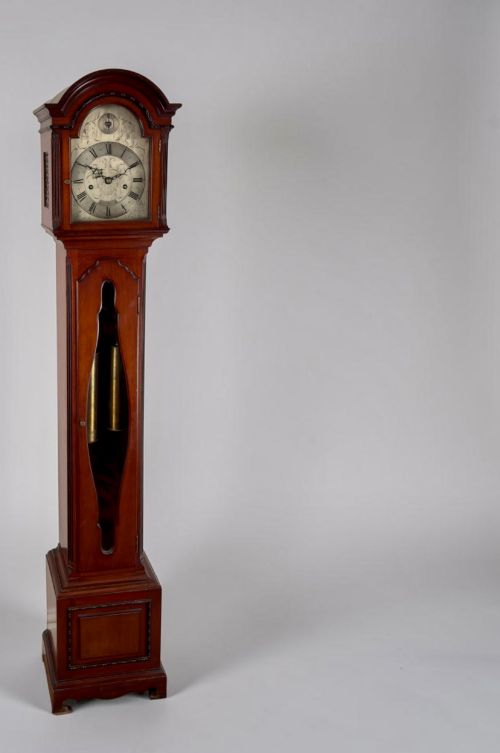
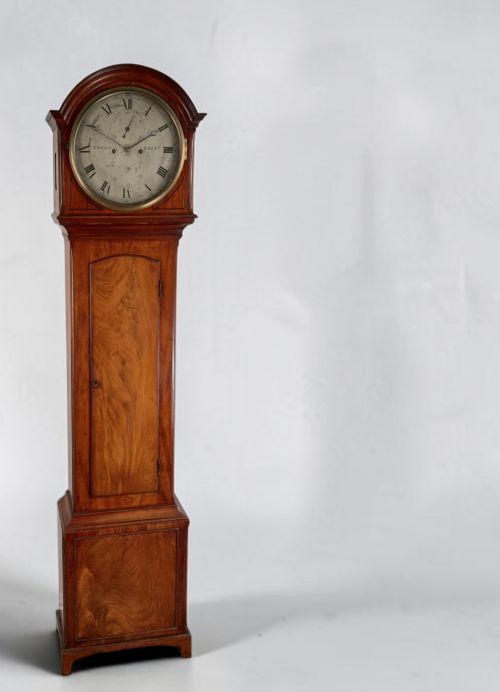
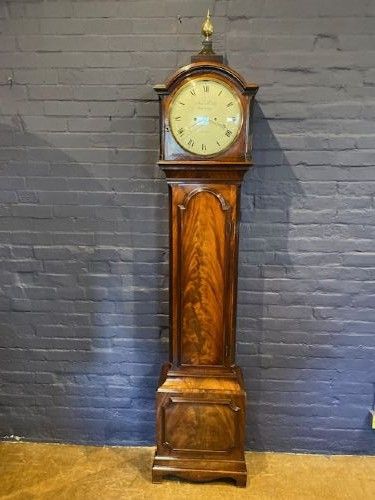
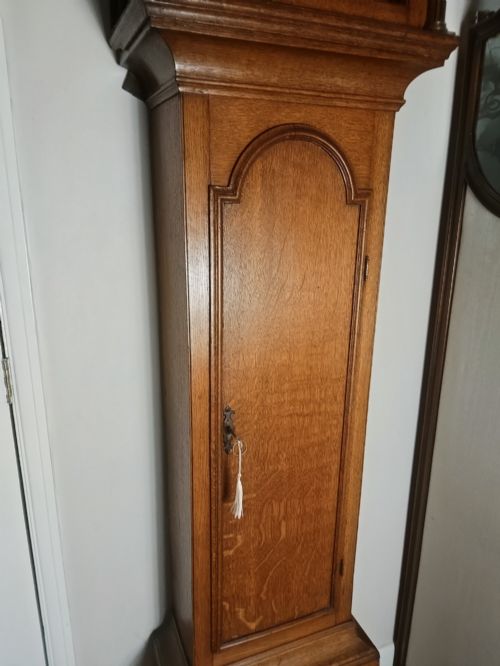
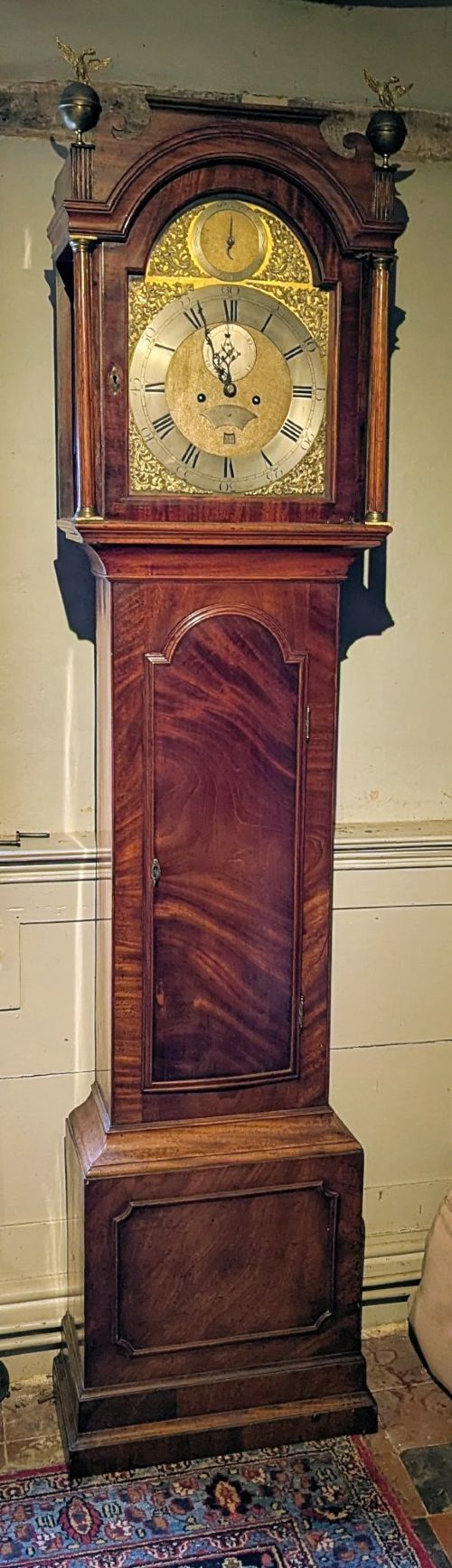
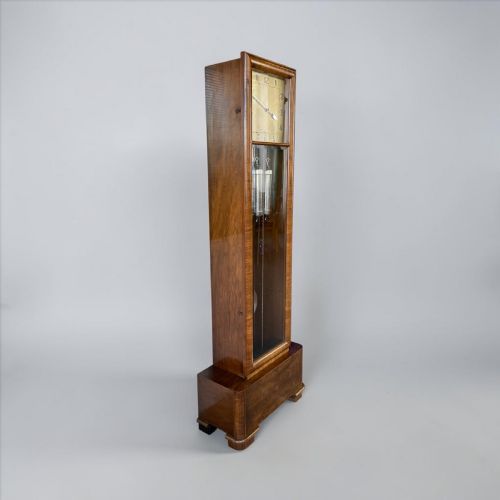
Pendulum Longcase Clock
Pendulum longcase clock items bring steady architectural presence and measured timekeeping to a room, spanning periods from the eighteenth century onward in timber and brass.
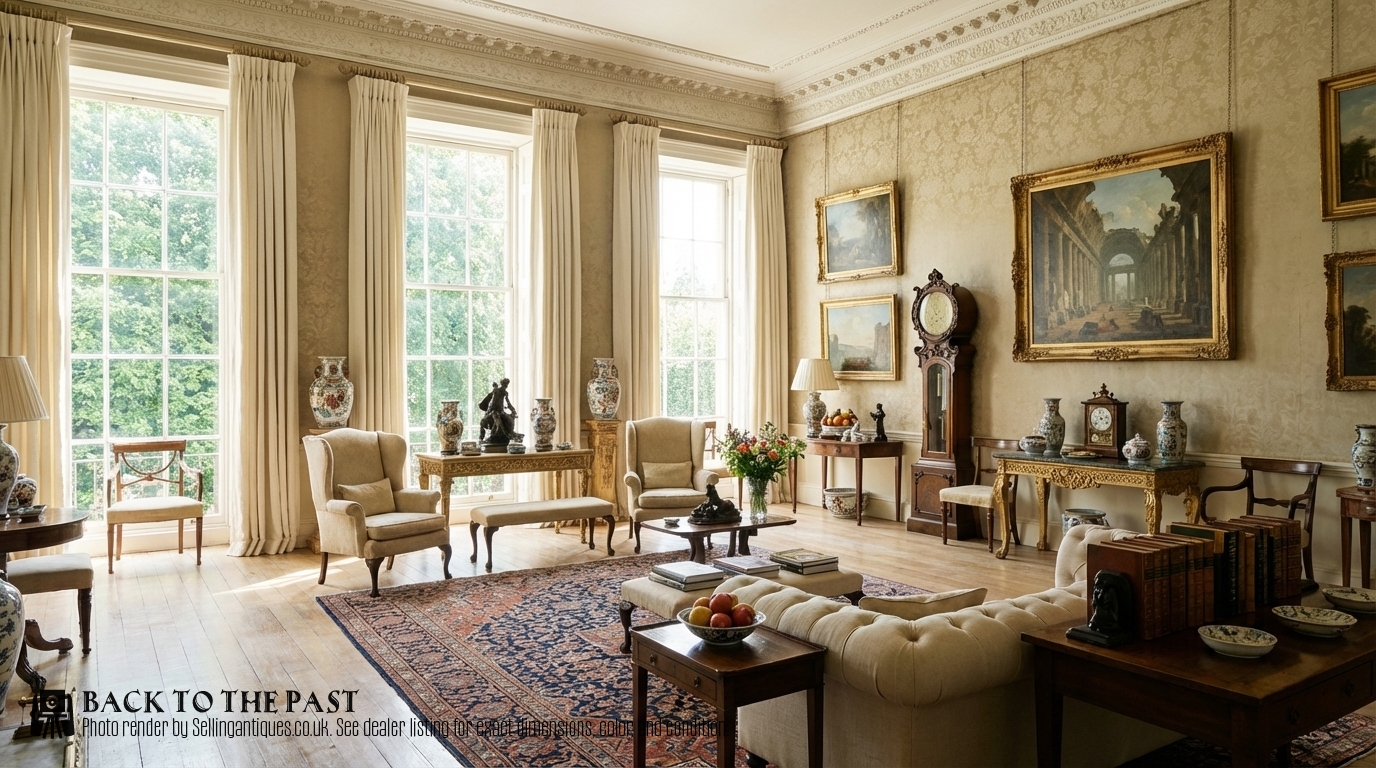
Pendulum Longcase Clock
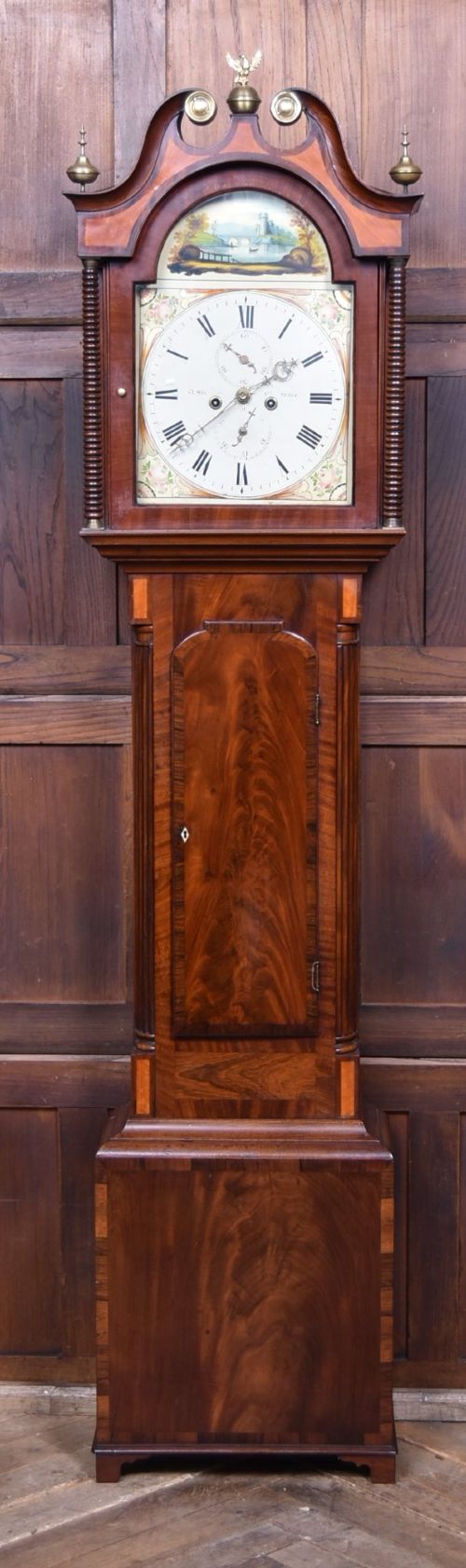
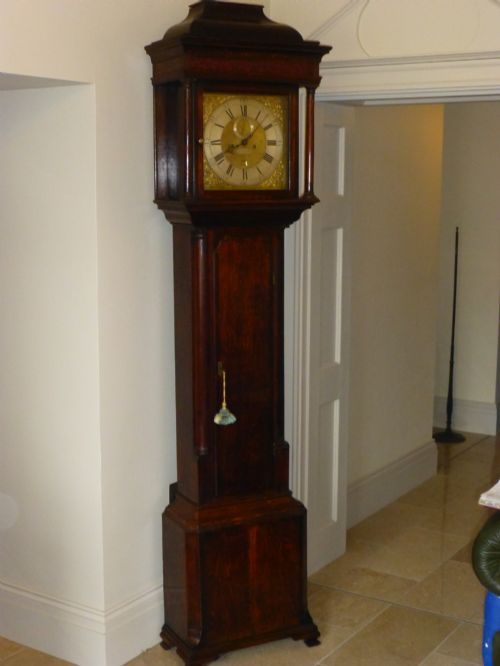
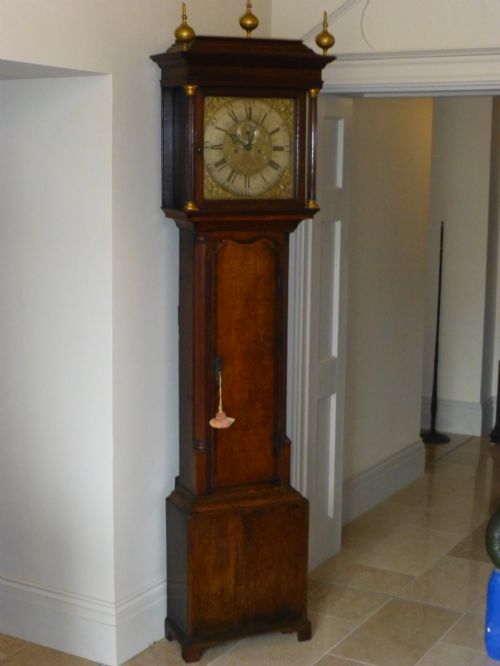
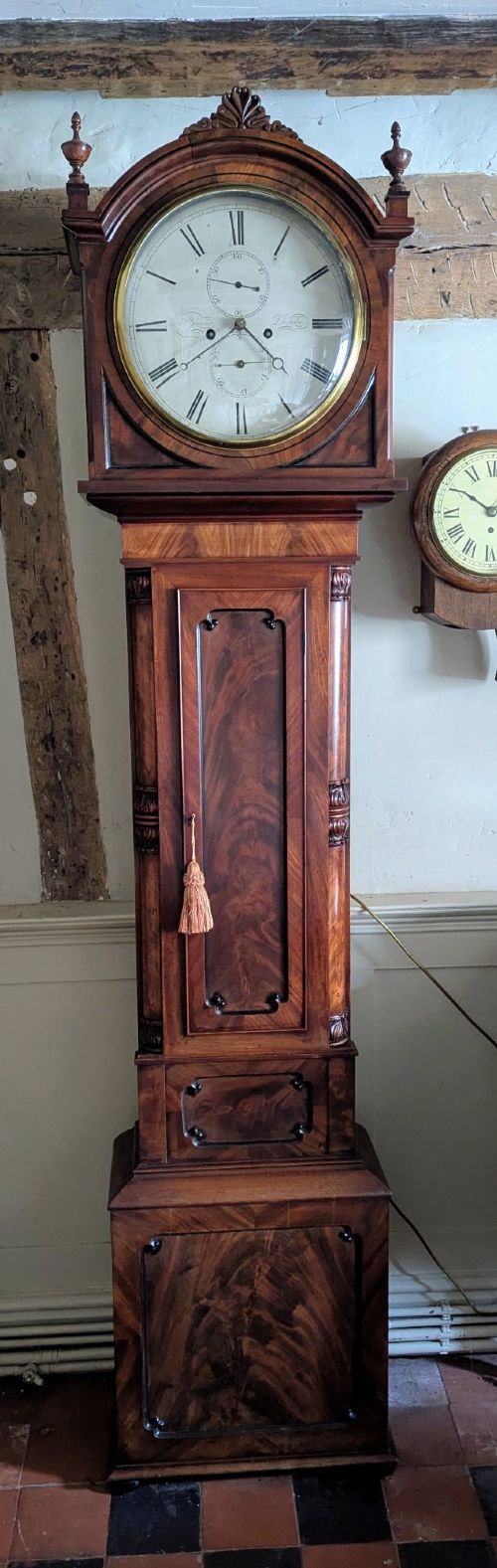
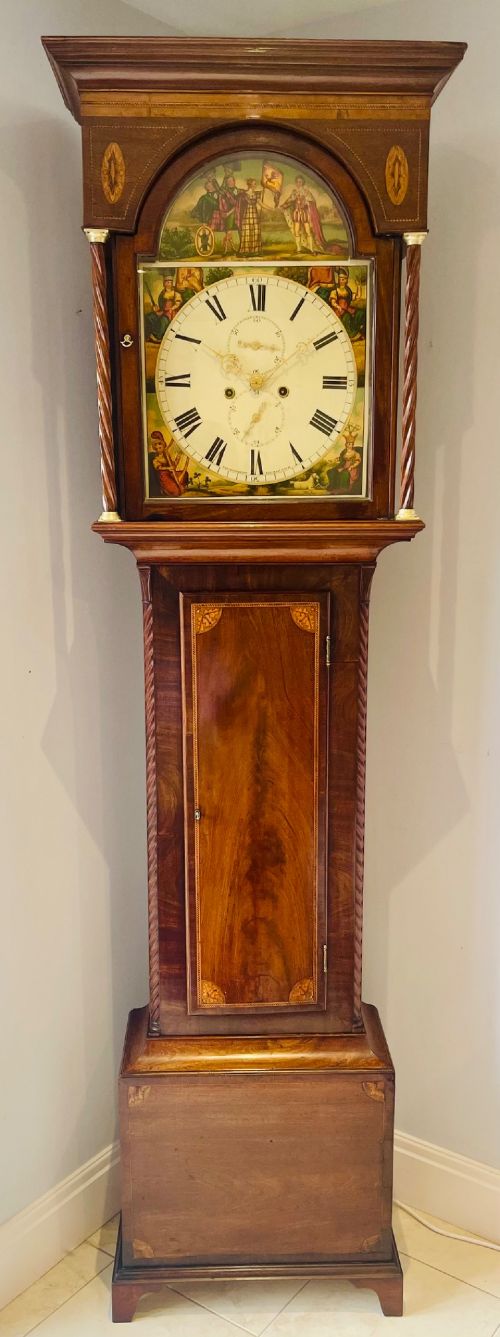
A pendulum longcase clock stands tall against a wall, enclosing a swinging pendulum and a set of driving weights within a wooden trunk. You meet these primarily in Georgian, 19th Century, and Edwardian iterations, spanning materials from humble oak to figured walnut and flame mahogany.
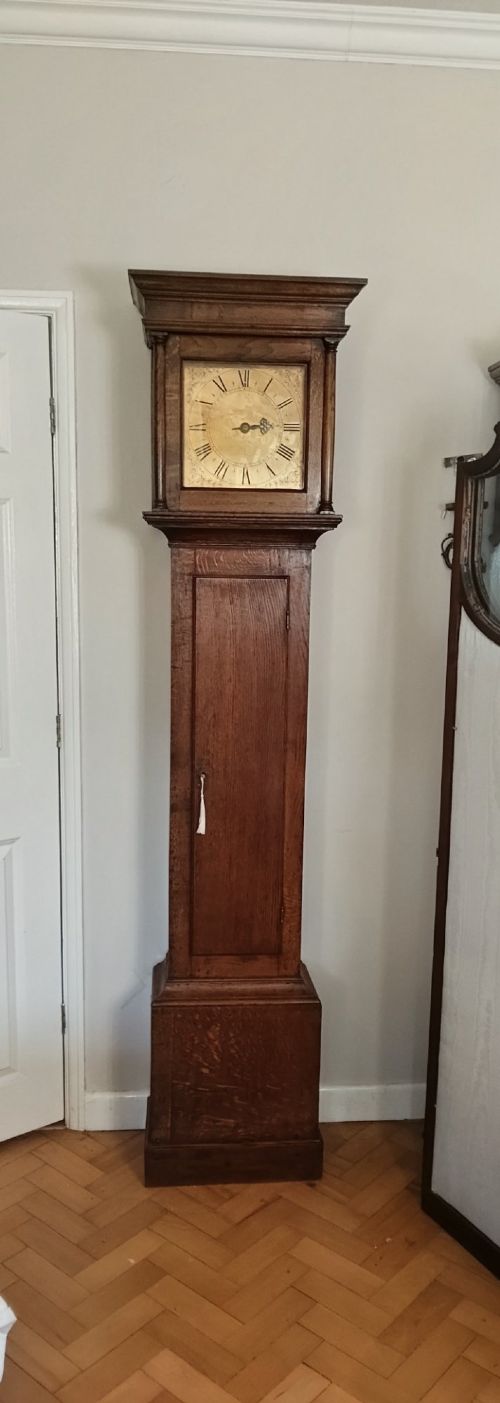
Makers span provincial English towns and London workshops, constructing full-size floor clocks alongside smaller grandmother clocks and domestic regulators. Dial faces range from engraved brass to painted iron, frequently incorporating moon phases or strike-silent mechanisms.
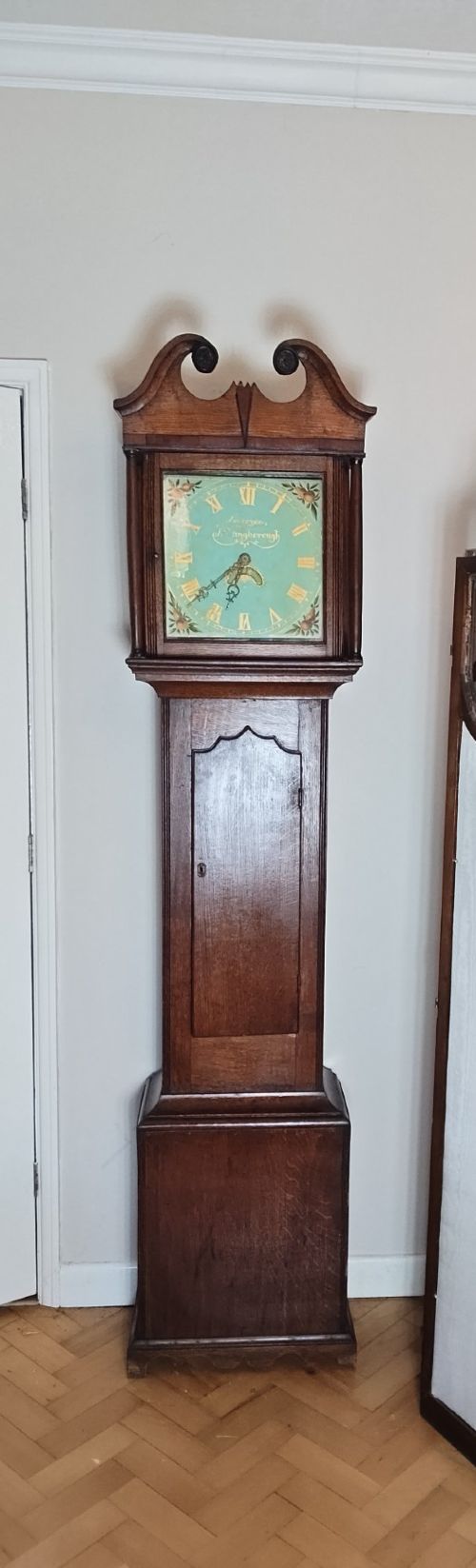
The regional variety is distinct, with Scottish longcases appearing alongside English pieces from London, Chester, Stockport, and Montrose. Cases range from tall mahogany proportions to modest oak bodies, sometimes finished in duck egg blue or Chinoiserie lacquer.
Materials and Construction
Cabinetmakers utilised solid timbers and veneers, building cases in mahogany, oak, walnut, maple, and flame mahogany with decorative inlay and paterae. Glass doors protect the dial face, while brass and steel form the intricate gear trains and weights inside.
Dials were fashioned from sheet brass with applied spandrels and silvered chapter rings, or from iron painted with numerals and subsidiary calendar or moon roller displays. Movements were driven by lead or iron weights suspended on cords or chains, governed by a swinging pendulum.
Some provincial makers squeezed complicated moon rollers and musical chimes into surprisingly slim oak trunks.
Judging Quality
Quality rests in the precision of the clockmaker's movement and the crispness of the dial engraving, alongside the choice of timber figure in the case. Finer pieces display well-proportioned architectural cases in figured walnut or flame mahogany, paired with signed brass dials from established makers.
The complexity of the mechanism also marks the grade, distinguishing standard time-and-strike movements from eight-bell musical regulators, moon phase indicators, and strike-silent functions. Case carpentry matters deeply, seen in tight mitres, smooth door fits, and well-preserved surface polishes.
Charles Shuckburgh·Gillett and Johnston·Green of Edinburgh·D Straiton·Richard Corless·Smith of Chester·James McCabe·Parkinson Bros·Benjamin Taylor·Windmills and Wightman·Elliott·Rickards Wotton Under Edge·D Williams·Priory of Dundee
The Pendulum Longcase Clock Glossary
- Grandmother clock
- A smaller version of the traditional longcase clock, typically produced during the 20th century. These compact floor clocks suit rooms with lower ceilings while retaining the pendulum movement.
- Regulator
- A precision timekeeping clock designed for high accuracy. These movements often feature deadbeat escapements and heavy pendulum bobs for minimal time loss.
- Moon phase
- A dial mechanism displaying the lunar cycle through a rotating disc behind the clock face. This complication tracked the phases of the moon alongside standard hours and minutes.
- Strike-silent
- A mechanism allowing the striking train to be silenced at night. This feature was particularly useful in bedchambers where hourly chimes were unwelcome.
- Chapter ring
- The circular metal ring affixed to the dial bearing the hour numerals. These are frequently silvered and engraved with roman numerals.
Pendulum Longcase Clock: Frequently Asked Questions
How do I wind a longcase clock?
Winding requires raising the weights using a crank key inserted into winding holes on the dial face, or pulling the chains depending on the mechanism. Care must be taken not to overwind the train.
Most eight-day movements require winding once a week, while thirty-hour versions need daily attention. Keeping a consistent schedule helps maintain timekeeping accuracy.
Where should I place a longcase clock?
Position the case against an interior wall away from direct sunlight, central heating vents, and damp exterior walls. Stable temperature and humidity protect the wooden case and delicate brass movement.
The floor must be level to ensure the pendulum swings evenly and the clock keeps correct time. Securing the tall case to the wall with a discreet bracket prevents accidental tipping.
What is the difference between grandfather and grandmother clocks?
Grandfather clocks are the traditional full-size floor-standing timepieces, typically standing well over six feet tall with heavy weight drops. They dominate a hallway or living room with their architectural presence.
Grandmother clocks are significantly smaller variants, usually standing under six feet with narrower proportions. They emerged in the twentieth century to fit modern domestic spaces without sacrificing mechanical movement.
How do I tell if a clock dial is original?
Inspect the fit of the dial against the wooden hood frame and check the signature engraving for consistency with the movement maker's recorded period. Painted iron dials should show signs of age matching the cabinet.
Look at the mounting feet and pin fixings behind the dial plate to ensure they align with the movement pillars. Alterations or married dials often show mismatched fixing holes or contradictory stylistic dates.