
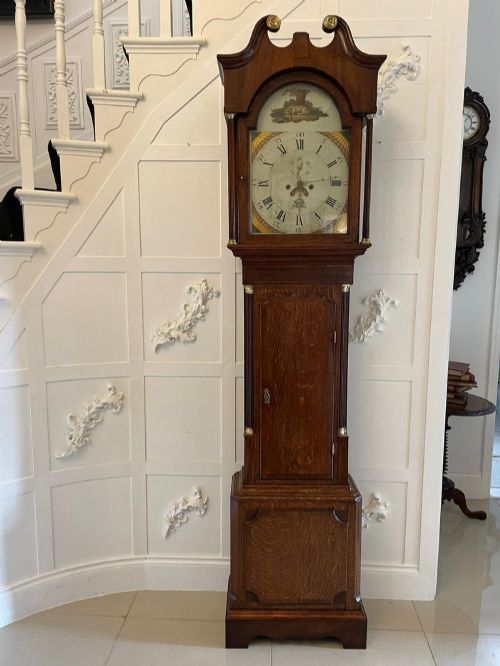
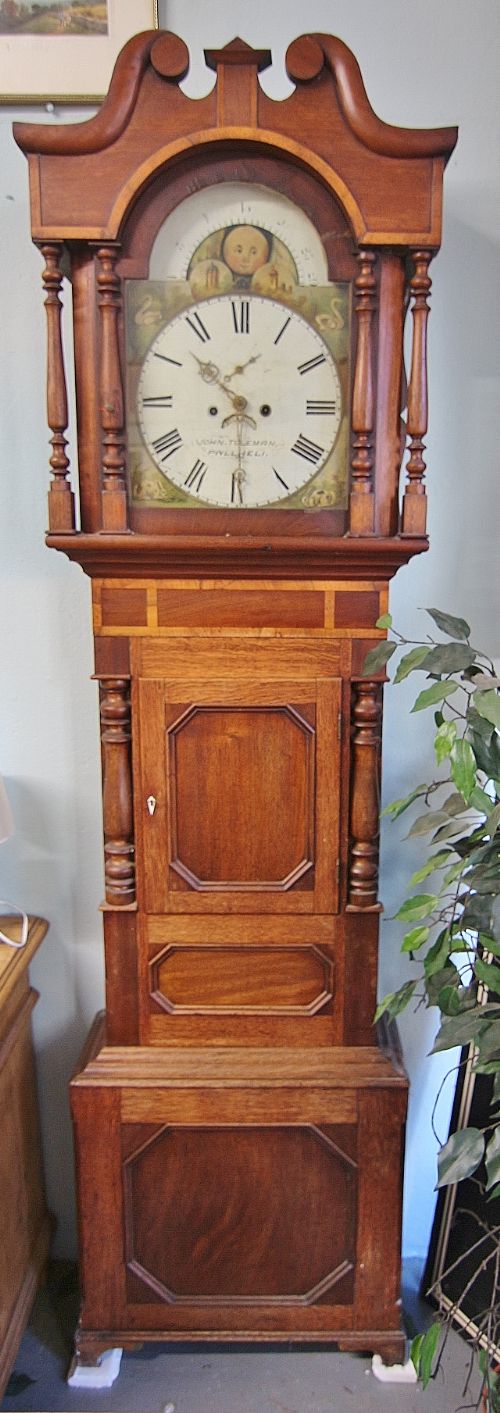
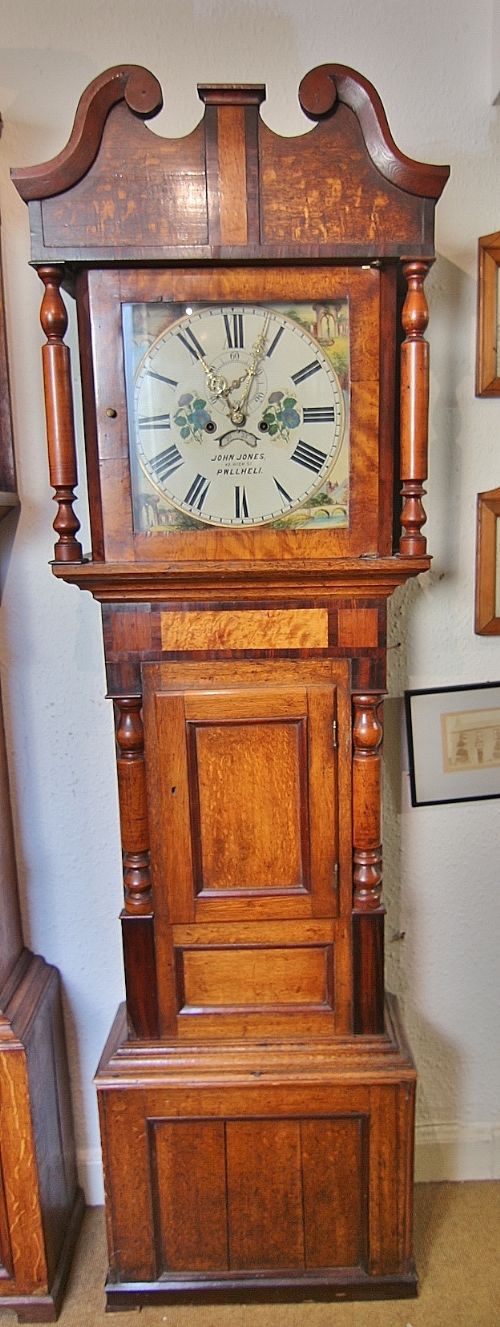
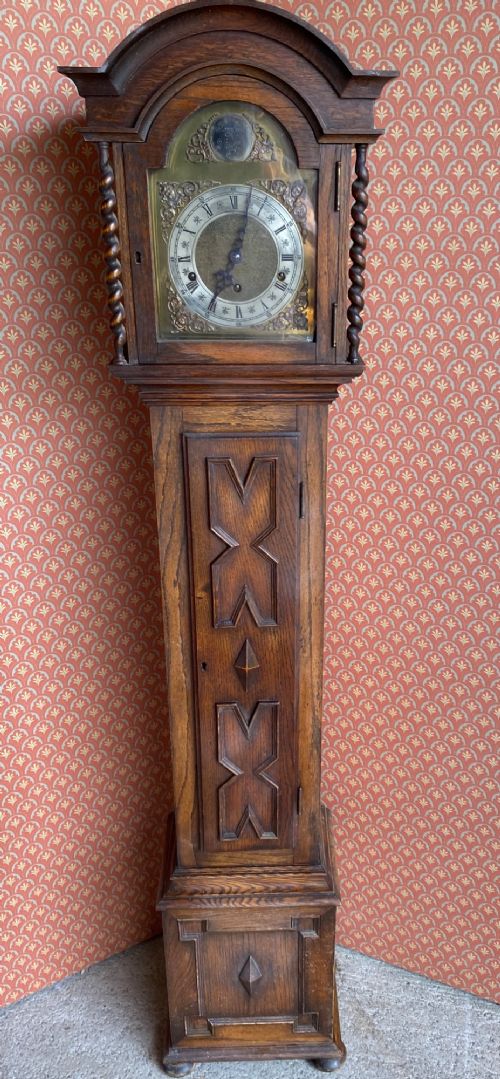
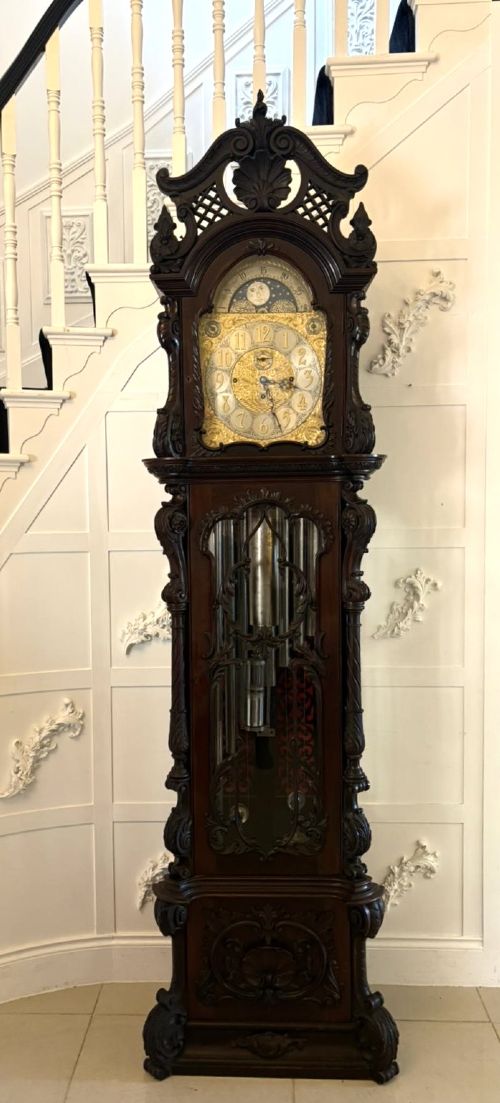
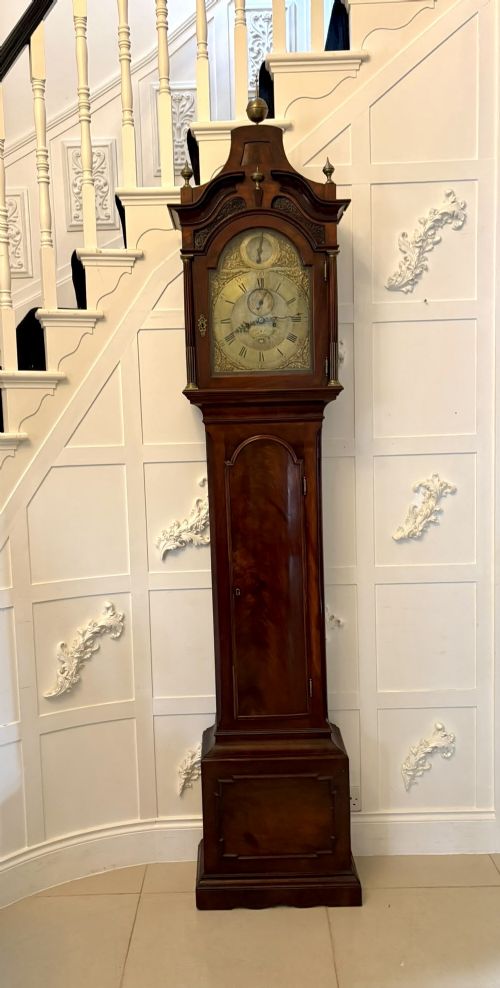
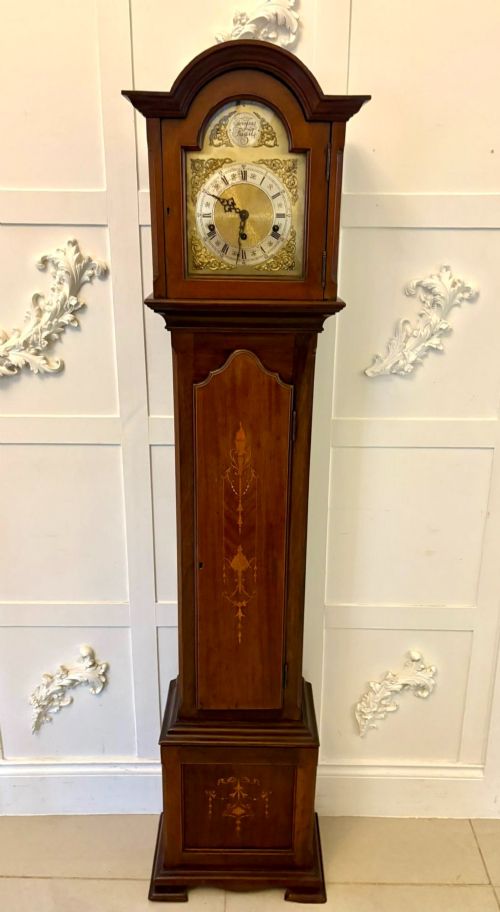
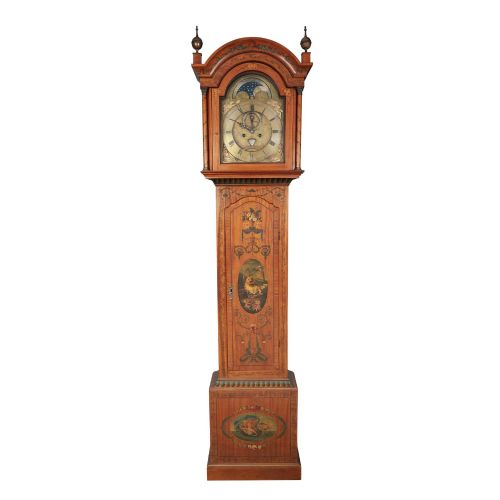
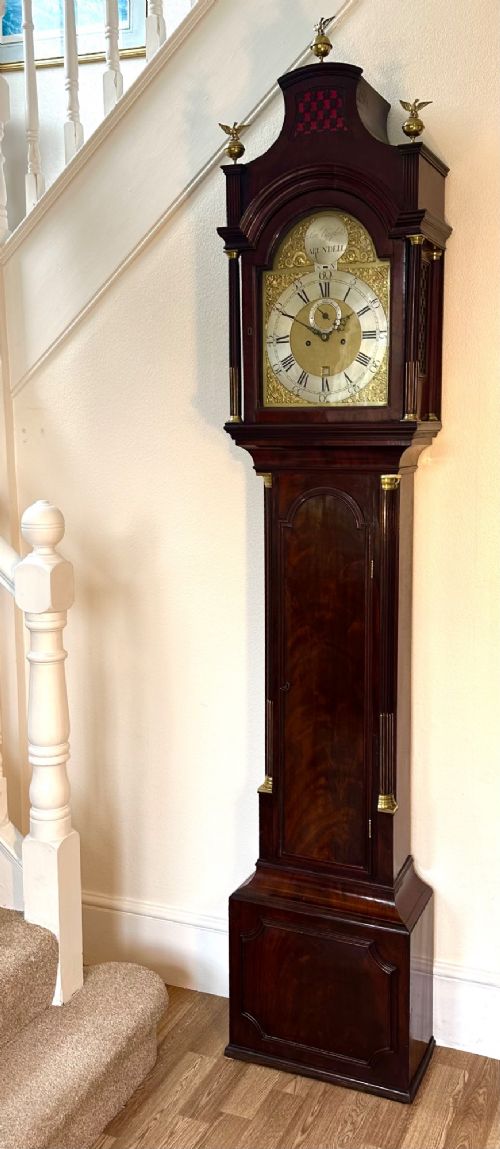
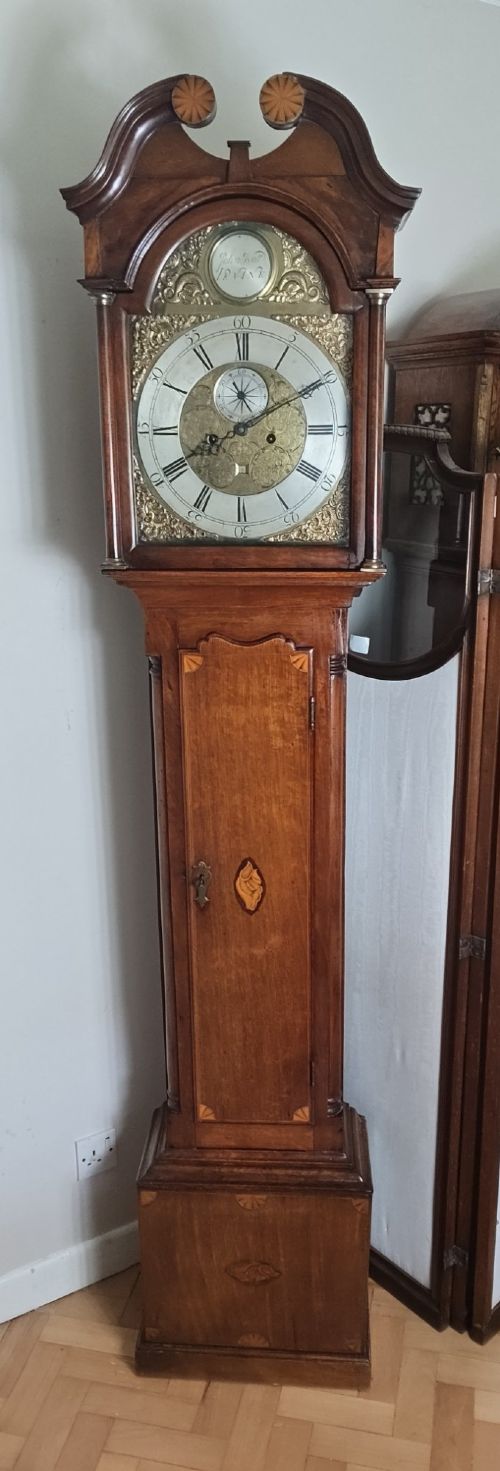
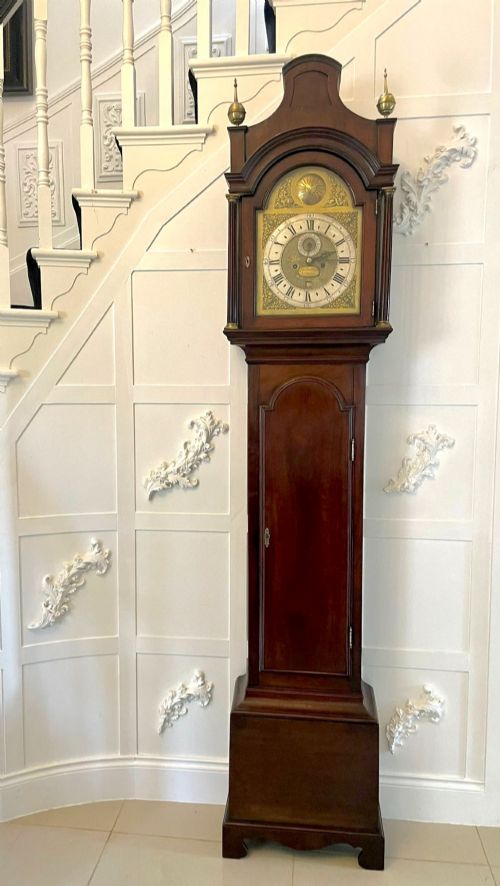
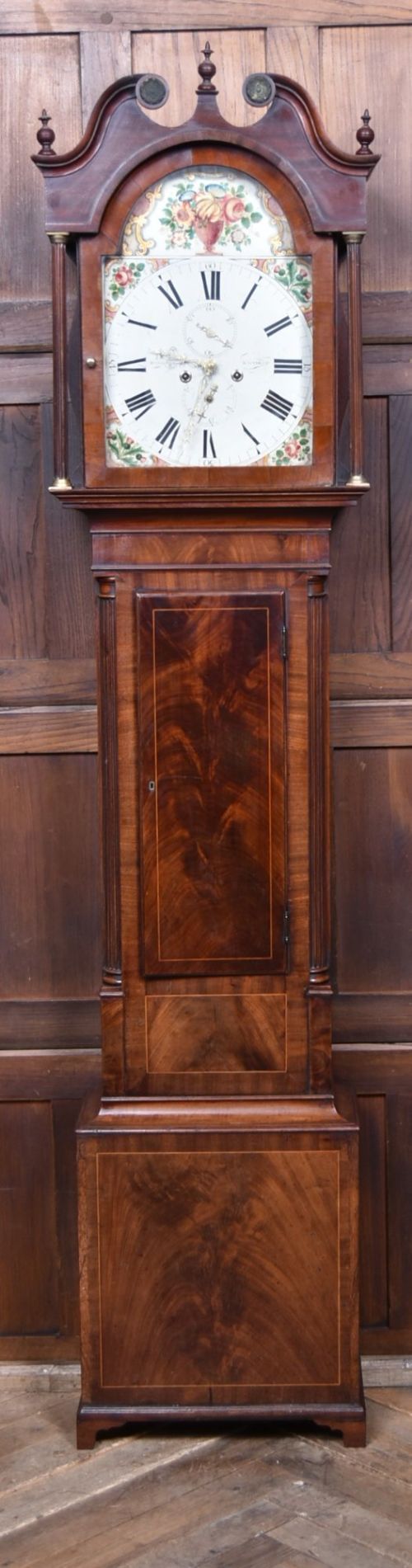
Floor Clock
When you search for a floor clock, you encounter tall timepieces housing weight-driven movements in wooden cases that anchor a room.
Floor Clock
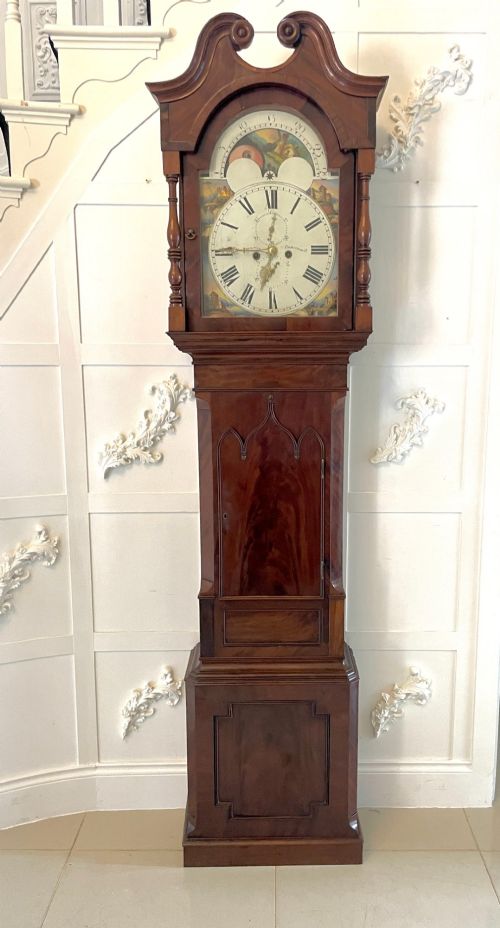
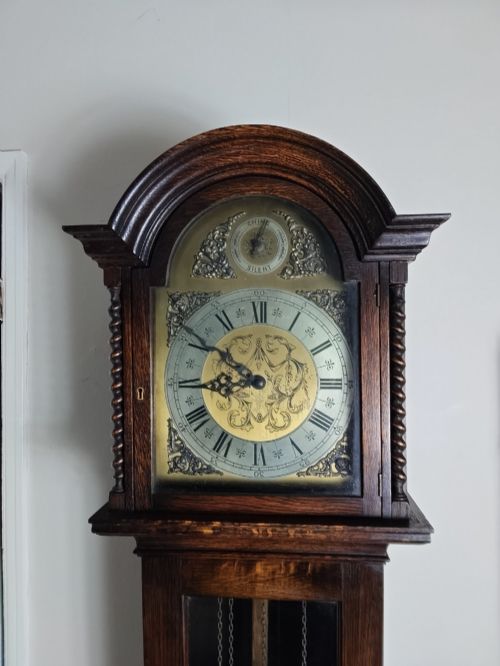
A floor clock, commonly known as a grandfather, grandmother or longcase clock, stands upright with a tall waist enclosing swinging pendulums and descending weights. These tall timepieces appear most frequently in 18th century and 19th century formats originating from Georgian, Victorian and Edwardian periods.
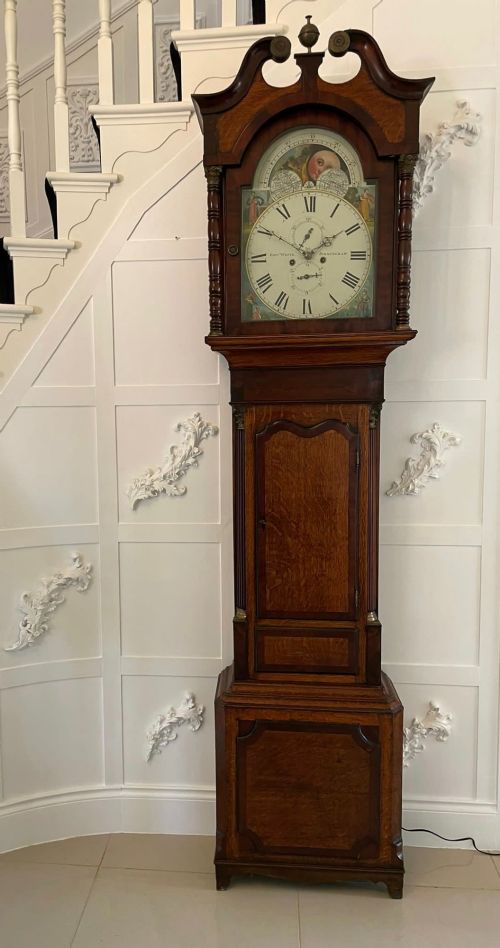
The typical examples on this page span robust oak and rich mahogany cabinetry, often reaching heights that demand generous ceiling clearance. Regional variations emerge across these listings, from Welsh and Scottish longcase models to London masterworks with intricate brass dials.
Construction and materials
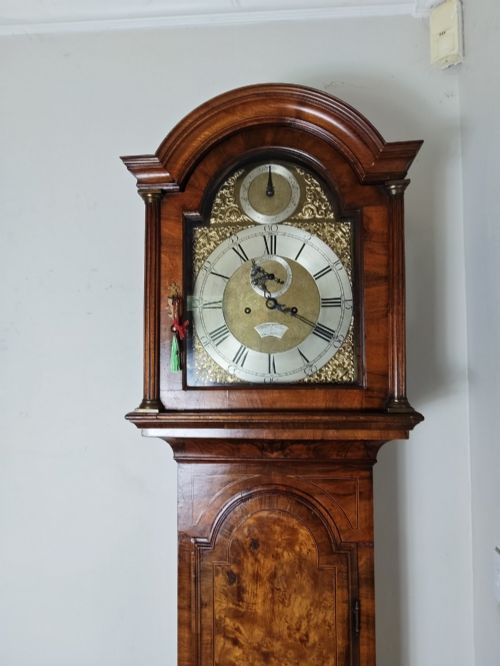
Cabinetmakers utilised solid timbers and veneers including oak, mahogany, walnut and satinwood, shaping tall hoods and trunk doors to protect delicate brass and steel movements. Enamel and brass dials frequently feature engraved or painted chapter rings, moon phases and subsidiary seconds hands.
Movements rely on precision metalworking for gear trains, striking mechanisms and tube chimes, powered by lead or iron weights suspended on cords or chains.
Certain floor clocks include silent levers, letting owners sleep undisturbed while the clock keeps counting the small hours.
Judging quality in tall timepieces
The distinction between standard domestic pieces and top-tier examples lies in the depth of cabinet carving, the figuring of the mahogany or burr walnut grain, and the complexity of the internal movement. Clocks featuring quarter-chiming mechanisms, moonphase dials or signed brass faces by notable makers represent higher standards of horological and cabinetmaking skill.
Proportion and originality dictate value; cases that retain their original patination, matching weights, pendulum and untouched dial signatures outrank those with heavily restored or mismatched components.
John Taylor London·Edward White Birmingham·Charles Shuckburgh London·Hendrie Ogg Dunfermline·Gordon of Aberdeen·Gillett and Johnston of Croydon·Lee of Great Marlow·Green of Edinburgh·John Ellicott of London·Jn Smith Macclesfield·Tait Peebles·James Field of Hempstead·Richard Corless of Stockport·Smith of Chester·Robb Montrose·James Hendrie Falkirk·James McCabe
The Floor Clock Glossary
- Longcase clock
- A tall pendulum clock enclosed in a wooden case designed to stand directly on the floor. This term encompasses both traditional grandfathers and smaller scaled variants.
- Grandmother clock
- A smaller, more slender version of the traditional longcase clock, popular during the Edwardian period and early twentieth century. It occupies less floor space while retaining weight-driven mechanics.
- Moonphase
- A dial mechanism tracking the lunar cycle through a rotating painted disc visible through an arched aperture. It appeared on better quality clocks to aid agricultural and tidal planning.
- Quarter chiming
- A movement complexity that sounds the quarter hours on a set of bells or gongs using multiple gear trains. These three-train systems require larger cases to house the extra weights.
- Dial
- The face of the clock, constructed from brass, silvered metal or painted iron. It displays the hours and minutes, often bearing the signature of the horologist.
Floor Clock: Frequently Asked Questions
How do I wind an eight day floor clock?
Use the provided crank key to wind the weights up each barrel or pulley system once a week. Take care not to overwind the movement past its natural stop point.
Ensure the pendulum remains stationary while moving the case, and restart it gently with an even swing once the clock stands level on the floor.
What is the difference between a grandfather and grandmother clock?
A grandfather clock is a full-sized longcase timepiece, typically standing over six feet tall with substantial timber proportions. A grandmother clock is a shorter, slender alternative developed later.
Both utilise identical weight-driven pendulum mechanics, but the smaller variant suits lower ceilings and compact rooms.
How can I date a mahogany floor clock?
Examine the dial style, wood grain and construction methods inside the hood and trunk. Painted iron dials often point toward the nineteenth century, while brass square dials frequently indicate an eighteenth century Georgian origin.
Maker signatures inscribed on the dial face offer direct historical reference points when researching regional records.
Why does my floor clock stop ticking?
Floor clocks rely entirely on absolute level placement against a wall to maintain an even 'beat' in the pendulum. Shifting floorboards or minor settling can silence the escapement.
Check that the case stands plumb, verify the weights are fully wound, and ensure the pendulum suspension spring hangs freely without binding.