
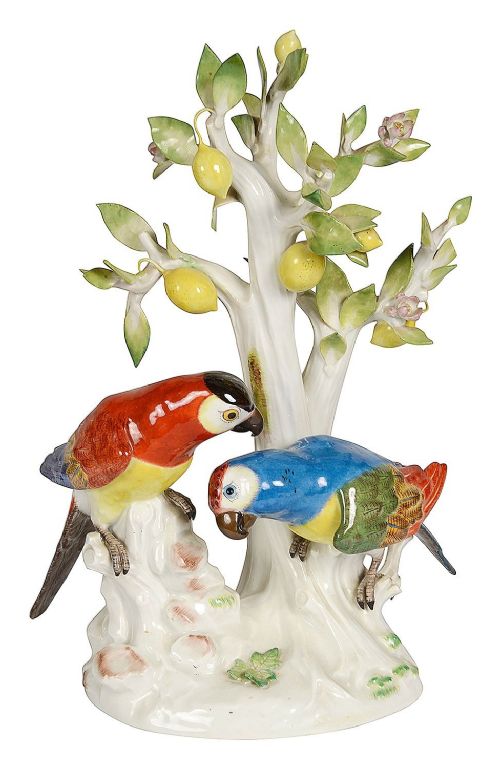
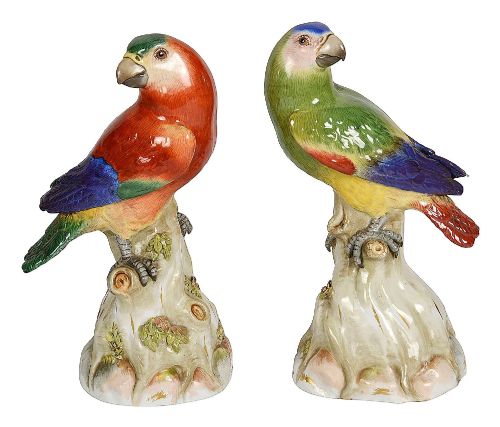
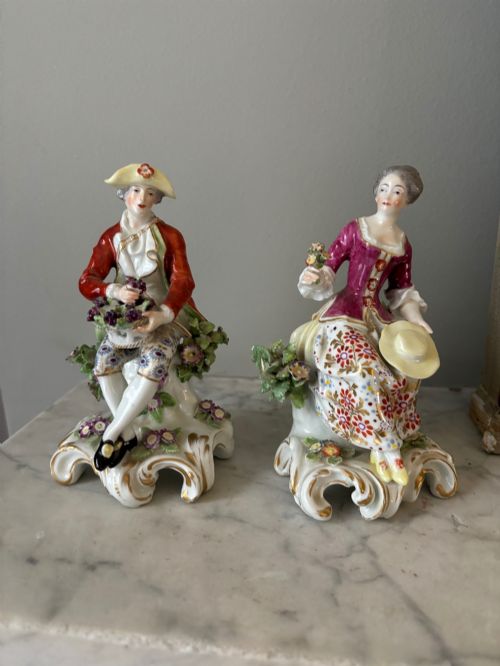
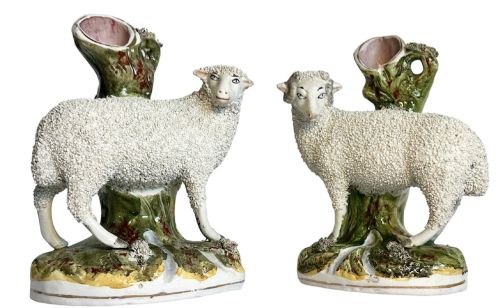
Pair Porcelain Ornaments
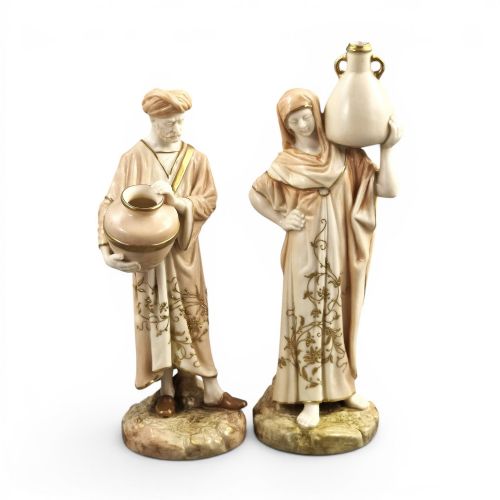
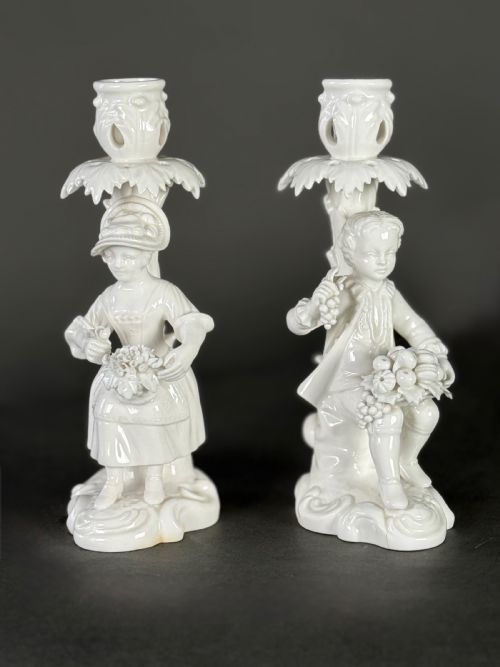
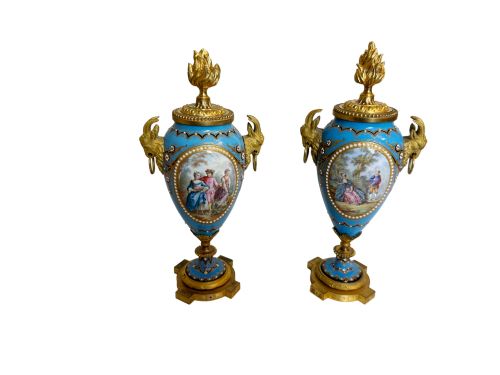
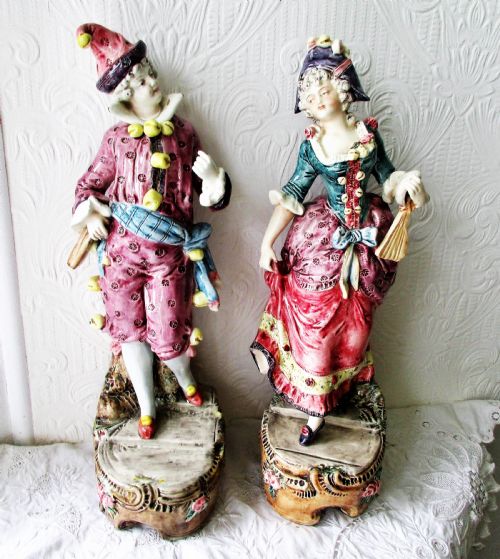
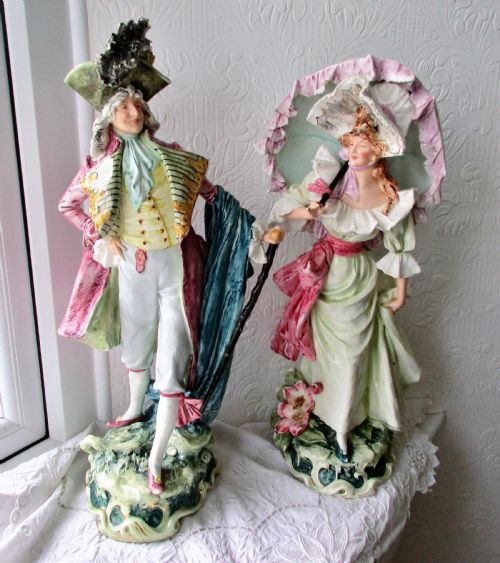
When you handle pair porcelain ornaments, you hold matched groupings designed to balance a mantelpiece or side table with symmetry.
Pair Porcelain Ornaments
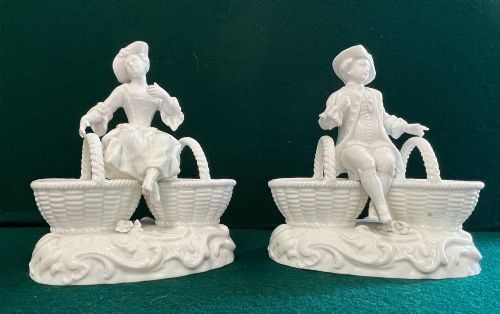
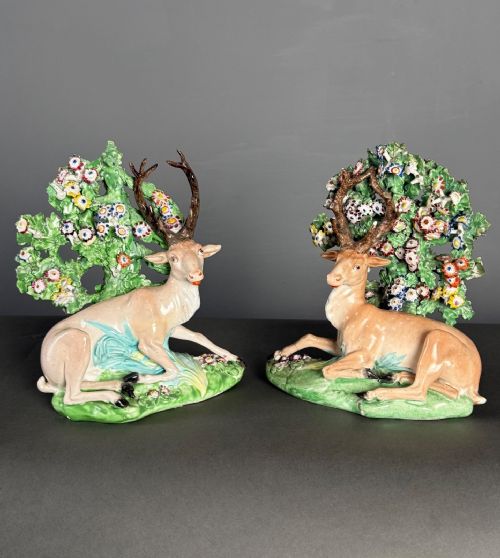
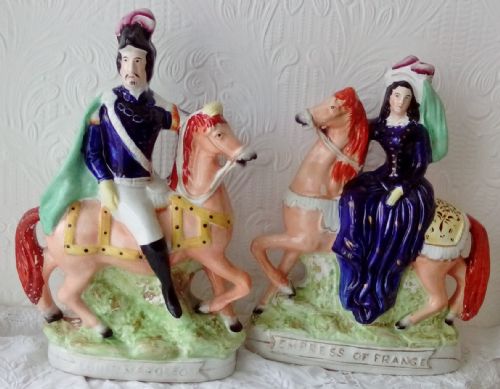
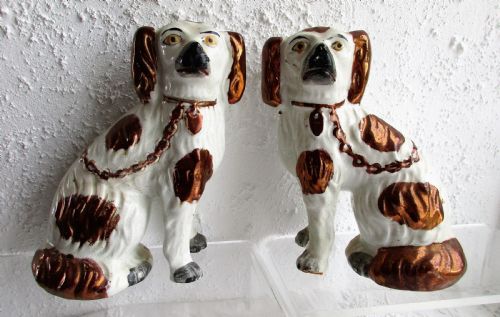
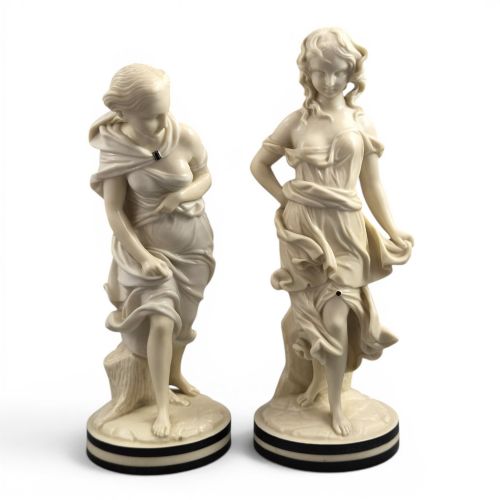
Pair porcelain ornaments encompass matched figures, animals, and decorative vessels designed for symmetrical display.
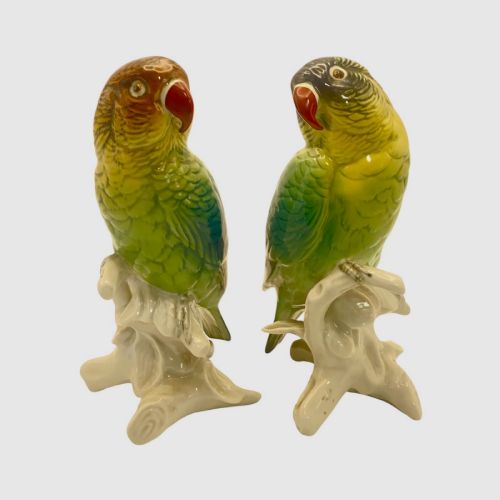
The selections on this page span several centuries, featuring figures, animals, birds, and spill vases from English, French, and German factories.
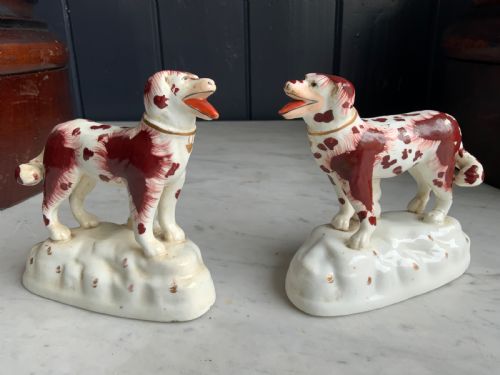
Nineteenth-century Staffordshire dogs and continental figural groups appear frequently alongside earlier eighteenth-century porcelain works.
How they were made
Makers utilised hard-paste and soft-paste porcelain, earthenware, and ceramic bodies, shaped by hand or in moulds.
Surfaces received hand-painted enamel colours, underglaze decoration, and applied gold leaf or gilt details before firing.
Listings feature porcelain figures, animals, and spill vases spanning the eighteenth, nineteenth, and early twentieth centuries.
What varies in quality
Refinement in modelling and crispness of moulded detail distinguish finer pieces from standard production figures.
The skill of the painting, particularly in facial expressions and naturalistic feather or fur rendering, determines the standing of an ornament.
Meissen·Karl Ens·Royal Worcester·Derby·Royal Dux·Samson of Paris
The Pair Porcelain Ornaments Glossary
- Hard-paste porcelain
- A durable ceramic material composed of kaolin and petuntse fired at high temperatures. It forms a dense, vitrified body.
- Spill vase
- A hollow cylindrical container paired with a figure, intended to hold taper spills for lighting candles or fires.
- Blanc de chine
- A descriptive term for Chinese white porcelain, later adopted by European factories to denote unpainted white glazed wares.
- Sancai glaze
- A three-colour lead glaze tradition originating in China, typically employing amber, green, and cream tones.
- Cassolette
- A decorative vessel shaped like a vase or urn, often featuring a dual design lid for burning perfumes.
Pair Porcelain Ornaments: Frequently Asked Questions
Why were porcelain ornaments made in pairs?
Makers produced these matching objects to create balanced symmetry on mantelpieces and furniture.
This arrangement reflected interior design standards of the eighteenth and nineteenth centuries.
Where were porcelain parrots manufactured?
European factories including Meissen and makers like Karl Ens produced brightly coloured ceramic bird figures.
These exotic subjects suited the Victorian and art deco taste for decorative animal ornaments.
What is the difference between porcelain and earthenware figures?
Porcelain uses vitrified paste fired at high heat to create a hard, non-porous white body.
Earthenware utilises clay fired at lower temperatures, resulting in a more porous structure common in Staffordshire pottery.