




Painted Ceramic Display Charger
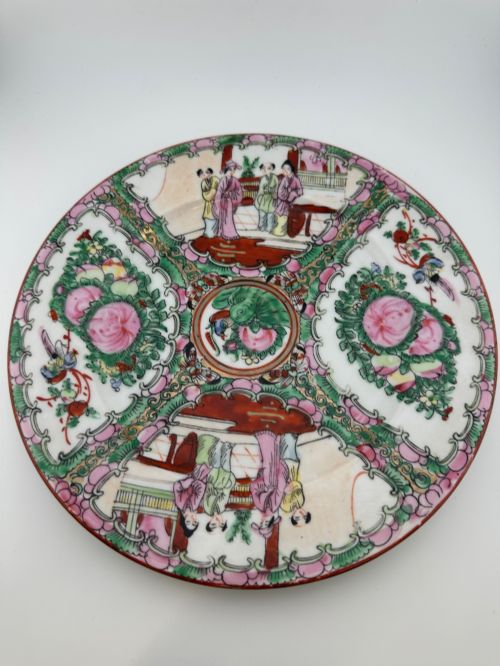
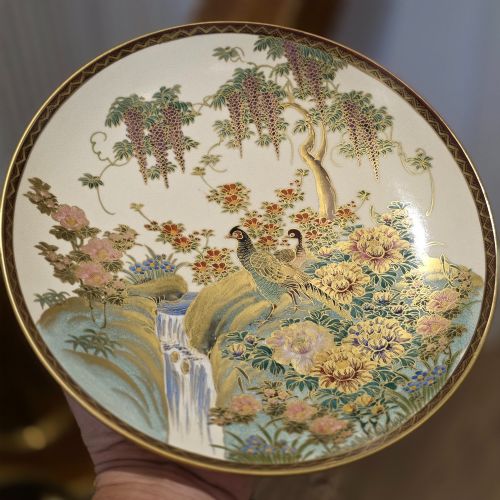
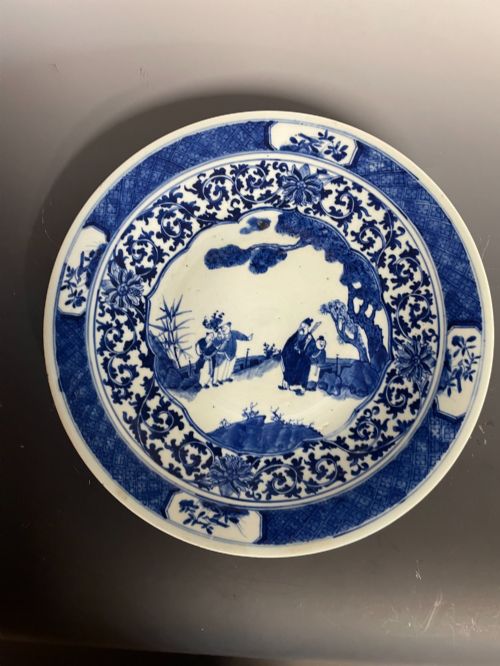
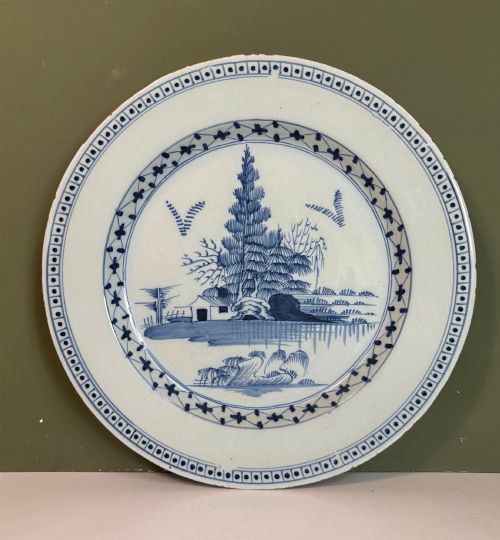
These painted ceramic display charger examples bring centuries of hand-painted artistry to a wall or cabinet.

Painted Ceramic Display Charger
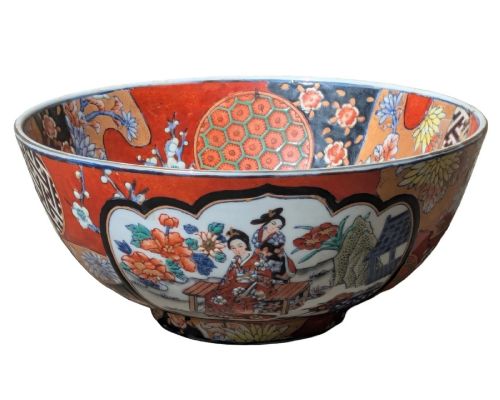
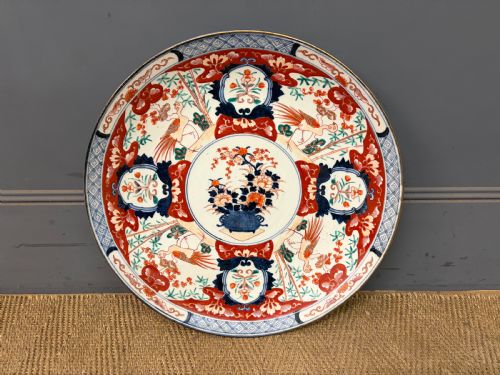
A painted ceramic display charger is a large decorative plate or dish intended for presentation rather than dining, often seen in eighteenth-century Delftware and nineteenth-century Japanese Imari forms.
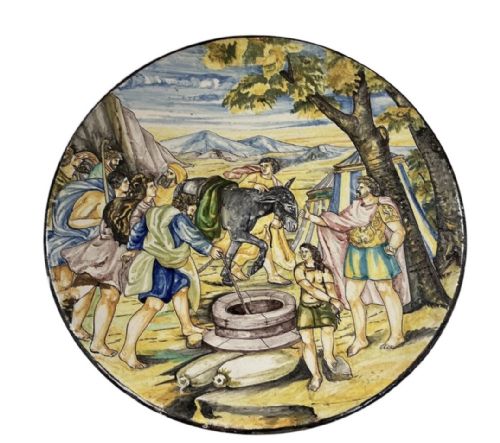
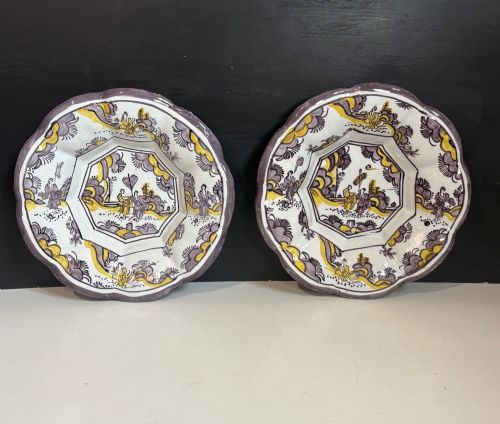
The selection ranges from early tin-glazed earthenware dishes and Chinese Export porcelain to Victorian cabinet plates and Meiji period Japanese porcelain.
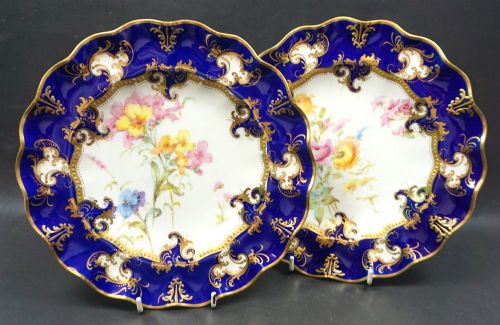
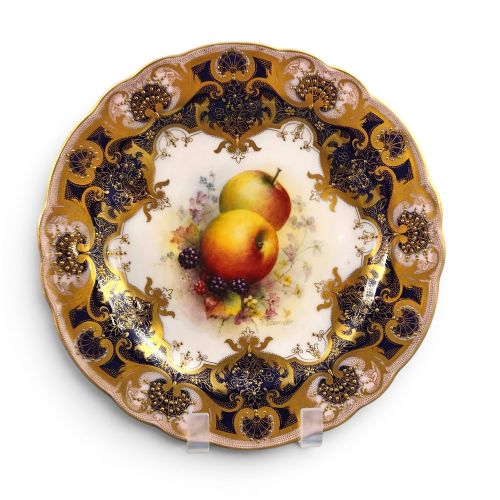
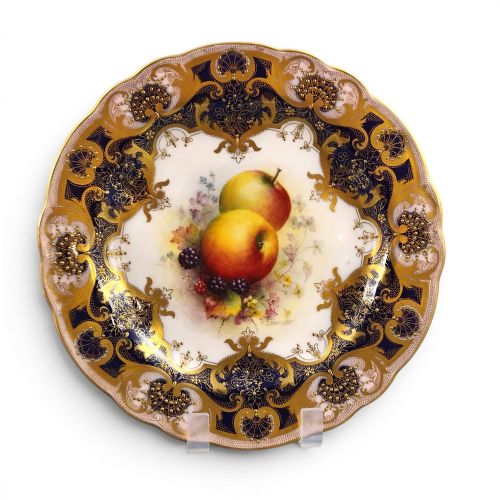
Buyers encounter everything from Dutch Baroque chargers to English polychrome Delftware and Royal Worcester fruit plates painted by artists like Richard Sebright.
How they were made
Potters shaped earthenware and porcelain before applying tin-glaze, enamel, or standard ceramic glaze, often incorporating gold leaf or gilt details.
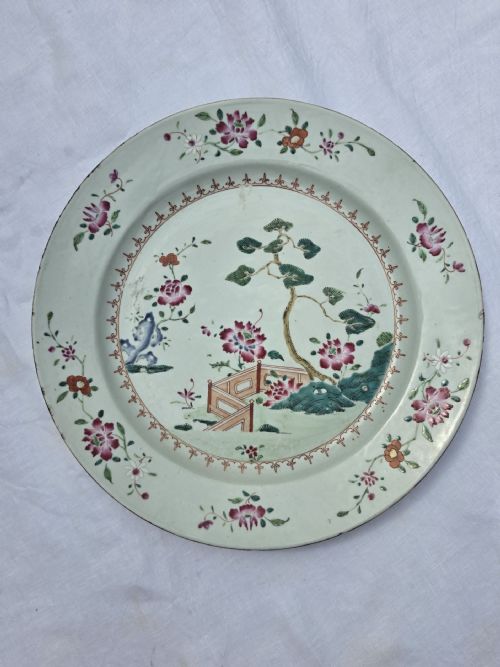
Makers utilised hand-painted techniques across cultures, from Chinese Famille Rose and Japanese Imari palettes to English and European polychrome floral designs.
Listings span periods from the 17th Century through to the 1930s, featuring porcelain, earthenware, and tin-glazed earthenware.
What varies in quality
The distinction between standard production and top-tier work rests on the precision of the hand-painted decoration, particularly in complex floral, bird, and figural scenes.
Artistry shown by named porcelain painters or established factories such as Royal Worcester and Meissen elevates the standing of an individual cabinet plate or charger.
Royal Crown Derby·Royal Worcester·Meissen·Copeland
The Painted Ceramic Display Charger Glossary
- Charger
- A large decorative plate or dish used primarily for display on a wall, sideboard, or cabinet rather than for serving food at a table.
- Tin-Glazed Earthenware
- Pottery coated with a glaze containing tin oxide to create an opaque white surface suitable for hand-painted decoration in blue and other colours.
- Imari
- A style of Japanese porcelain featuring a palette of underglaze blue, iron red, and gilt, widely produced during the Edo and Meiji periods.
- Cabinet Plate
- A decorative plate intended for display within a cabinet or on a stand rather than practical dining use.
- Polychrome
- Decoration employing several colours rather than a single monochrome tone, common in Delftware and export porcelain.
Painted Ceramic Display Charger: Frequently Asked Questions
How do I hang a heavy charger?
Displaying a large charger securely requires a specialised wire wall hanger designed to distribute weight evenly around the rim without causing stress to the ceramic.
Alternatively, a sturdy table stand provides a safe presentation method inside a cabinet or on a sideboard.
What is the difference between a plate and a charger?
A charger is substantially larger than a standard dining or cabinet plate, traditionally measuring thirty centimetres or more in diameter.
While plates served functional or cabinet purposes, chargers were primarily made for grand visual display.
Were Japanese Imari chargers meant for export?
Many Japanese Imari pieces from the Meiji period were created specifically for export to Western markets, satisfying a strong European demand for ornate oriental ceramics.
These pieces combined traditional Japanese manufacturing methods with decorative motifs tailored to foreign buyers.