








Blue and Red Charger
A blue and red charger brings rich cobalt and iron-red ceramic artistry to a wall or table, offering a striking focal point for any room.

Blue and Red Charger
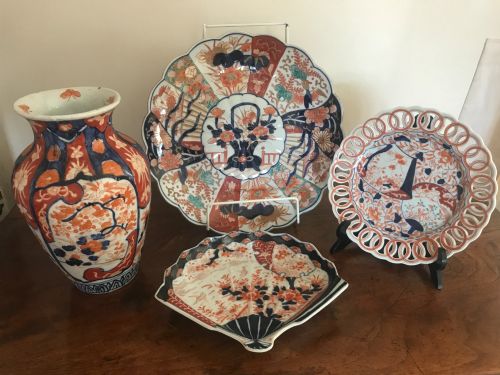
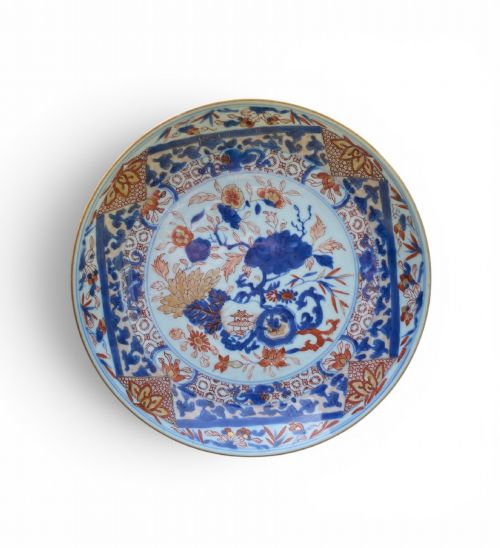
A blue and red charger comprises large decorative plates, dishes, and wall plates originating primarily from Japanese Imari and Chinese export traditions. These pieces span the eighteenth, nineteenth, and early twentieth centuries, encompassing the Edo and Meiji periods.
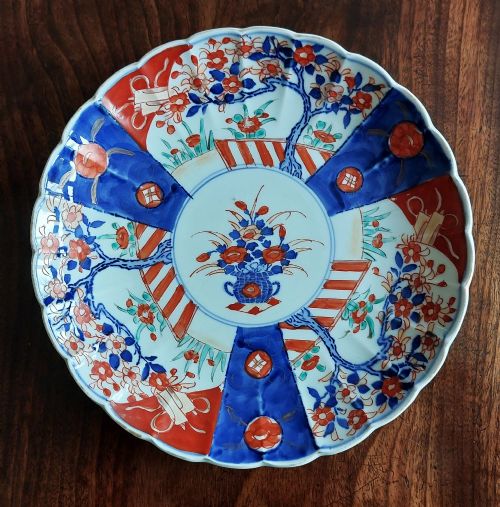
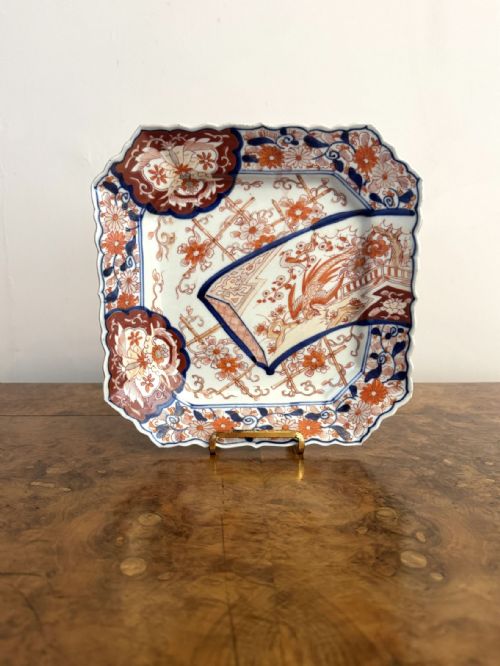
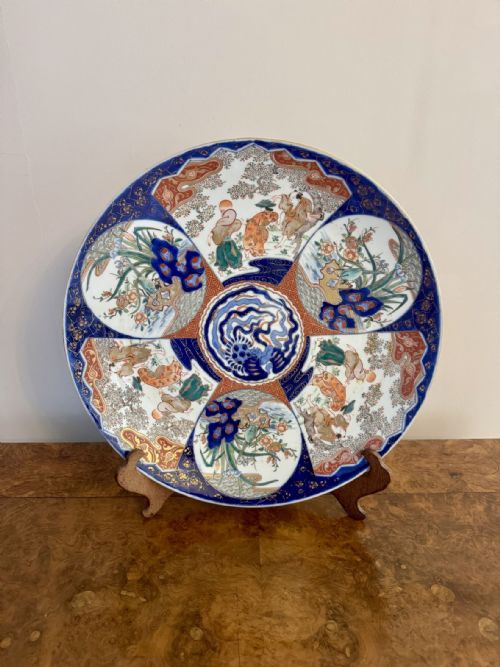
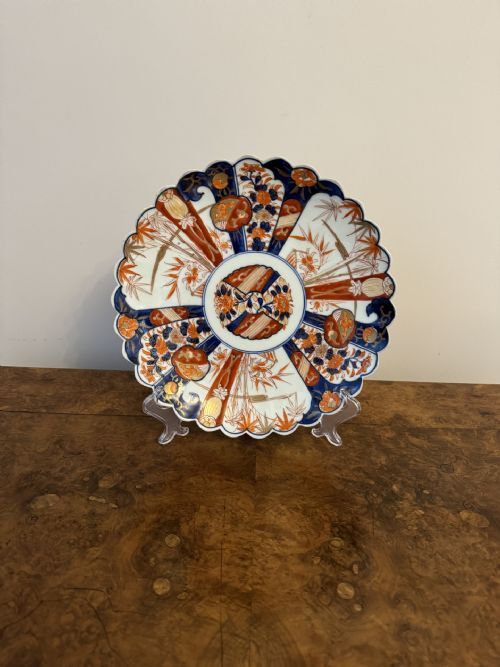
The version most commonly encountered on this page is the Japanese Imari charger in porcelain, often featuring scalloped edges and intricate hand-painted floral or bird designs. Alongside chargers, the selection includes bowls, oval dishes, and square or hexagonal plates.
Originating from major Asian export centres and interpreted through European collections like French Rococo, these ceramic items served as grand decorative display dishes. They bring traditional craftsmanship and complex cobalt and red colour schemes into domestic interiors.
How they were made
Potters shaped porcelain and ceramic bodies before applying underglaze cobalt blue and iron-red enamel pigments by hand. Many pieces incorporate additional highlights in gilt, gold leaf, and gilding to enhance the patterned motifs.
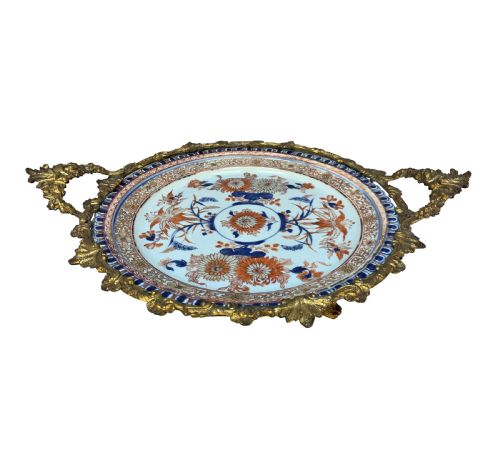
Certain decorative ceramic and cloisonne items utilise metal mounts such as ormolu, framing the porcelain body with cast brass or bronze. Firing techniques fused the vibrant glaze and enamel layers to the ceramic substrate for lasting brilliance.
Materials recorded across the selection include porcelain, ceramic, enamel, ormolu, and gold leaf.
What varies in quality
The refinement of the hand-painted brushwork separates standard production items from exceptional artistic examples, particularly in the depiction of birds, florals, and figures like the Seven Lucky Gods. Crisp definition in the cobalt blue and iron-red enamel indicates superior kiln control.
Form and moulding complexity also drive distinction, with scalloped, square, hexagonal, or ormolu-mounted edges demanding greater skill from the potter and metalworker than simple circular plates. The preservation of original gilt highlights and the clarity of the ceramic glaze complete the assessment.
Frederick Rhead
The Blue and Red Charger Glossary
- Imari
- A style of Japanese porcelain decorated in underglaze blue, iron-red, and gilt. It originated in the town of Arita and was heavily exported to Europe.
- Charger
- A large decorative plate or dish traditionally used for display rather than for serving food at the table. These pieces often measure significantly more than standard dinner plates.
- Meiji Period
- The era in Japanese history spanning from 1868 to 1912, characterised by extensive international trade and highly refined decorative arts.
- Ormolu
- Gilded bronze mounts applied to porcelain and ceramic objects, frequently seen in European decorative schemes of the eighteenth and nineteenth centuries.
- Cloisonne
- An enamelwork technique where thin metal strips form compartments on a ceramic or metal base, which are then filled with coloured paste and fired.
Blue and Red Charger: Frequently Asked Questions
How were blue and red chargers displayed?
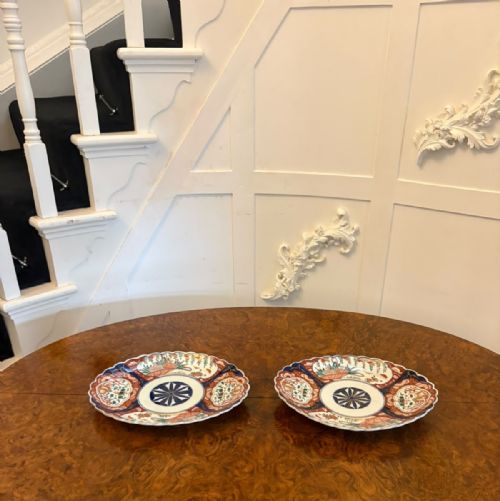
These large decorative plates were traditionally hung on walls or exhibited on sideboards and cabinets to display wealth and taste. Their striking colour palettes made them central ornaments in formal rooms.
Today, they function well in similar display roles using plate stands or secure wall brackets, adding historic depth and vibrant colour to both traditional and modern interiors.
What is the Meiji period?
The Meiji period marks an era of rapid modernisation and artistic output in Japan running from the late nineteenth into the early twentieth century. Artisans produced exceptional porcelain and metalwork for Western export markets.
Pieces from this time often exhibit remarkable technical precision in their hand-painted glazes and complex scalloped forms.
Can I use these antique chargers for food?
Antique chargers and decorative plates are intended for display and collection rather than daily culinary use. Their historic glazes and enamel decorations can be sensitive to modern detergents and cutlery.
Gentle dusting with a soft dry cloth is the best method for maintaining the surface, preserving the delicate gold leaf and iron-red pigments for the future.