




Yellow Ceramic Wall Plaque
A yellow ceramic wall plaque brings warmth and bold colour to a room, offering striking hand-painted scenes and rich historical glazes.
Yellow Ceramic Wall Plaque
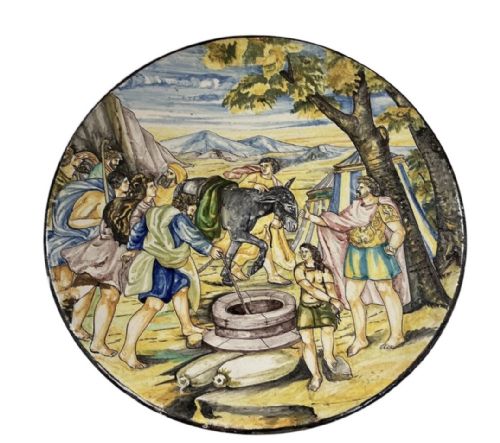
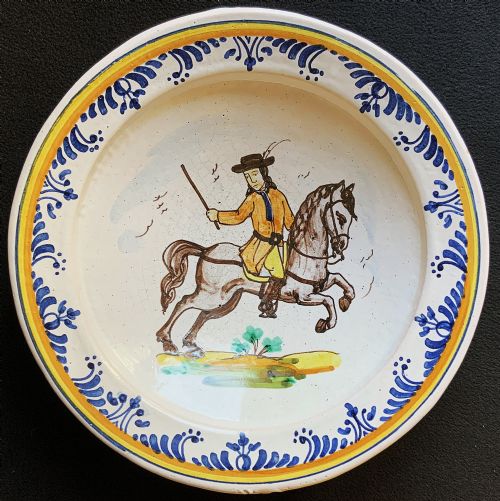
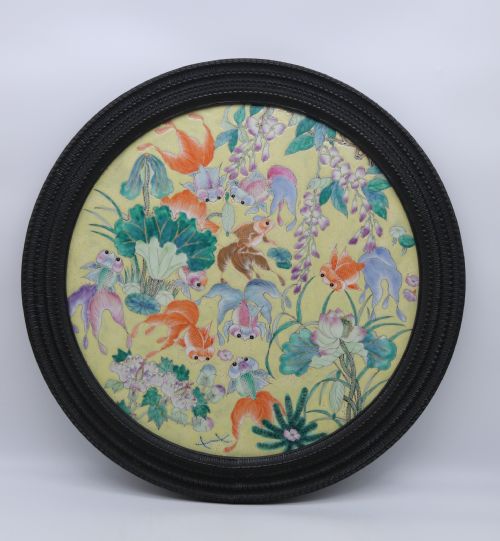
A yellow ceramic wall plaque encompasses a diverse array of decorative plates, chargers, and framed panels designed specifically for display. When exploring yellow ceramic wall plaque options, you encounter formats ranging from large Italian maiolica chargers to detailed botanical plates.
The selections span multiple eras, including pieces from the eighteenth and nineteenth centuries alongside later works from nineteen ten and the Chinese Republican period. Styles stretch from Dutch Delft Baroque and Renaissance Revival to Victorian Folk Art and eighteenth-century Spanish designs.
Forms vary from devotional plaques depicting the Madonna with child to narrative historical scenes and chinoiserie compositions. These objects primarily function as wall art, transforming plain surfaces through vibrant pigments and tin-glazed earthenware bodies.
How they were made
Maker's workshops utilised traditional ceramic bodies such as earthenware, tin-glazed earthenware, and porcelain as the foundational canvas for their work. Artisans applied tin glaze or enamel surfaces to achieve smooth grounds capable of holding intricate pigments.
Decoration relied on careful hand painting, capturing botanical details, aquatic scenes, and classical historical narratives directly onto the prepared clay. Firing techniques fixed these polychrome and blue-and-yellow palettes permanently into the surface.
Yellow Ceramic Wall Plaque Retail Price Guide 2026
Typical asking prices for yellow ceramic wall plaque among the pieces listed under this phrase on Sellingantiques today, from the lower quarter to the upper quarter. They describe what is for sale here now, not the wider market.
Materials recorded across the site include tin-glazed earthenware, porcelain, enamel, and raw pigment on traditional ceramic bodies.
What varies in quality
The refinement of the brushwork and the complexity of the painted composition distinguish standard items from exceptional examples. Master painters achieved greater depth in historical and botanical scenes through controlled pigment application and precise detailing.
The purity of the tin glaze and the evenness of the ceramic body also influence the overall character of the piece. Earlier works reflect regional kiln traditions and specialised potting skills that elevate their visual impact.
C. Ravier
The Yellow Ceramic Wall Plaque Glossary
- Maiolica
- Tin-glazed earthenware produced in Italy, known for colourful painted decoration. It often depicts historical or mythological narratives.
- Charger
- A large ornamental plate intended for display on a wall or sideboard rather than for dining use. These pieces often feature prominent central painted scenes.
- Faience
- European tin-glazed pottery, encompassing traditions from France, Spain, and the Netherlands. The technique creates an opaque white or tinted background for pigments.
- Chinoiserie
- European artistic interpretations of Chinese and East Asian artistic traditions. This style appears frequently on eighteenth-century ceramic plaques.
- Istoriato
- A style of pottery decoration featuring detailed narrative scenes that cover the entire surface of the object. It draws heavily on classical and historical themes.
Yellow Ceramic Wall Plaque: Frequently Asked Questions
What is a yellow ceramic wall plaque?
A yellow ceramic wall plaque is a decorative plate, charger, or panel designed to hang on a wall, featuring a yellow ground or prominent yellow pigments. These objects include tin-glazed earthenware, porcelain, and maiolica pieces from various European and Asian traditions.
They serve primarily as visual art rather than functional tableware. Artisans decorated them with botanical subjects, religious figures, and historical narratives.
How were these wall plaques displayed historically?
Historically, large chargers and decorative plaques were mounted on walls or displayed on sideboards to showcase the wealth and taste of the owner. Their bold colours and intricate painted scenes made them natural focal points in domestic interiors.
Many featured integrated hanging loops or rim designs intended to support suspension. Today, similar mounting methods allow collectors to exhibit them securely.
How do I tell eighteenth-century pieces apart?
Eighteenth-century pieces often display characteristic tin-glaze surfaces, hand-mixed polychrome pigments, and specific regional motifs such as Spanish Talavera styles or Dutch chinoiserie. Examining the weight, glaze pooling on the reverse, and pigment absorption helps identify the period.
Makers from this era relied on empirical kiln methods that produced distinct variations in the ceramic body. Comparing glaze depth and painting stroke fluidity clarifies the age.
How do I live with ceramic wall art?
Living with ceramic wall art involves selecting stable wall spaces away from direct foot traffic and sudden temperature shifts. Proper wall brackets or specialised plate hangers ensure the weight of dense earthenware and porcelain is distributed safely.
Positioning pieces where natural light catches the glaze enhances the painted details. Routine dusting with a dry cloth keeps the tin glaze and enamel surfaces clear.