

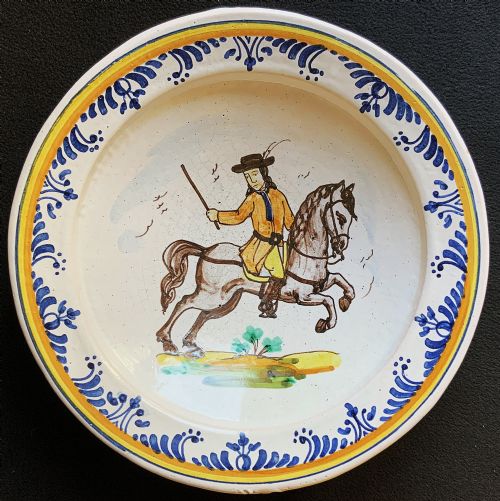


Tin Glaze Majolica Charger
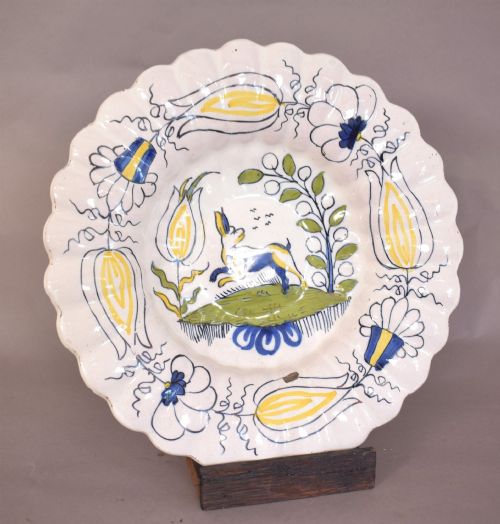
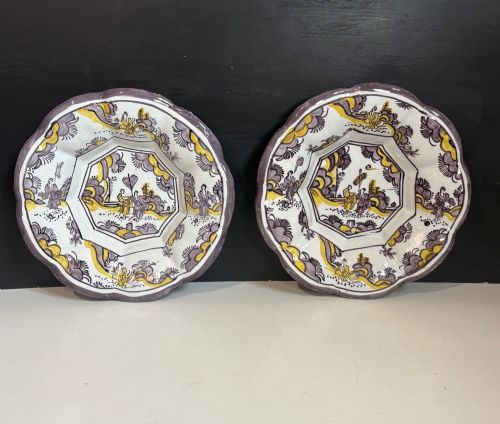
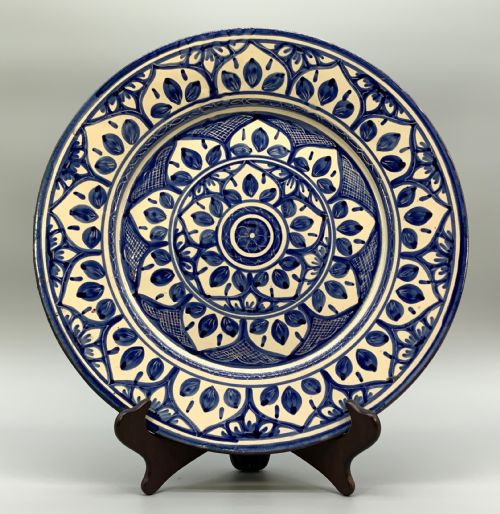
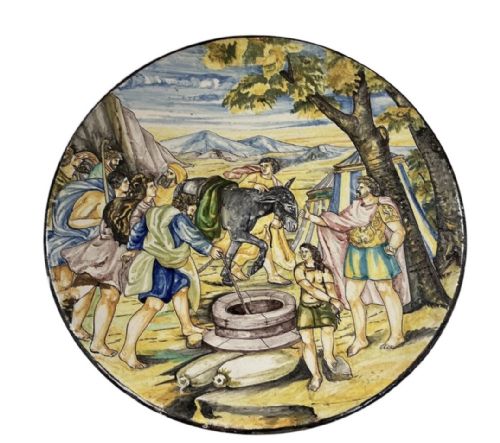
These tin glaze majolica chargers bring bold polychrome pigments and historical narrative scenes straight to your wall or sideboard.
Tin Glaze Majolica Charger
A tin glaze majolica charger is a broad decorative earthenware dish painted with opaque white glaze and vibrant mineral pigments. When you search for this phrase, you enter a world of large platters spanning from the seventeenth century through the nineteenth century, including revival and folk art interpretations.
The pieces on this page appear in various forms, ranging from Italian maiolica and Dutch delft to Spanish faience and Moorish style examples. You will frequently encounter large display dishes and charger plates, alongside pairs of eighteenth-century dishes bearing traditional polychrome decoration.
Makers and decorators drew upon historical repertoires, producing everything from seventeenth-century delft charger plates to nineteenth-century Italian istoriato chargers depicting classical historical scenes. These objects served primarily for display rather than dining, designed to command attention in a formal interior.
Materials and methods
Potters shaped these chargers from basic earthenware or terracotta clay bodies before coating the raw form in a liquid tin glaze. This tin-glazed earthenware surface provided an opaque white ground capable of holding painted pigments without bleeding into the clay beneath.
Painters applied metallic oxide pigments directly onto the unfired or absorbent white glaze, allowing the colours to fuse during the kiln firing. This technique permitted detailed polychrome imagery, from Dutch baroque patterns to Renaissance revival historical scenes.
Tin Glaze Majolica Charger Retail Price Guide 2026
Typical asking prices for tin glaze majolica charger among the pieces listed under this phrase on Sellingantiques today, from the lower quarter to the upper quarter. They describe what is for sale here now, not the wider market.
Styles represented across the inventory include Renaissance revival, Dutch baroque, Moorish revival, and folk art.
Assessing quality
Quality rests in the ambition of the painting and the crispness of the tin glaze over the earthenware body. A superior charger reveals confident brushwork in the polychrome pigments, whereas simpler pieces rely on heavier, less defined outlines.
The depth of the historical reference also separates the standard production from the exceptional. Pieces executed in the Pesaro school manner or complex Urbino styles demonstrate superior artistic ambition compared to basic decorative plates.
The Tin Glaze Majolica Charger Glossary
- Tin glaze
- An opaque white ceramic glaze containing tin oxide. This surface creates the characteristic canvas for painted decoration on earthenware.
- Majolica
- A type of tin-glazed earthenware decorated with colourful pigments. The term encompasses Italian maiolica and related European traditions.
- Charger
- A large ornamental plate or platter. These wide dishes were made for display on sideboards or walls.
- Istoriato
- A style of ceramic decoration featuring narrative historical or mythological scenes. Painters covered the entire surface with complex figurative compositions.
- Faience
- European tin-glazed earthenware produced outside Italy. The term often describes French, Spanish or Dutch wares.
Tin Glaze Majolica Charger: Frequently Asked Questions
What is a tin glaze majolica charger?
A tin glaze majolica charger is a large earthenware display plate covered in a white tin glaze and painted with pigments. These pieces date across several centuries and feature diverse artistic styles.
Potters and painters used them as ornamental centrepieces rather than tableware. Their scale allowed for elaborate painted scenes and decorative patterns.
How do I date an 18th century delft plate?
Dating an eighteenth-century delft plate involves examining the clay body, the thickness of the tin glaze, and the pigment palette. Earlier pieces often show specific craquelure and regional painting characteristics.
Stylistic cues such as Dutch baroque or early Spanish faience motifs help narrow the period of manufacture. Comparing the footring and glaze pooling provides further clues.
Can I use these chargers for serving food?
Historic chargers are intended for display and decorative use rather than practical dining. The tin glaze and earthenware body can be porous or sensitive to modern cleaning methods.
Displaying them on walls or sideboards preserves the painted surface from wear and damage. Treat them as historical works of art.