
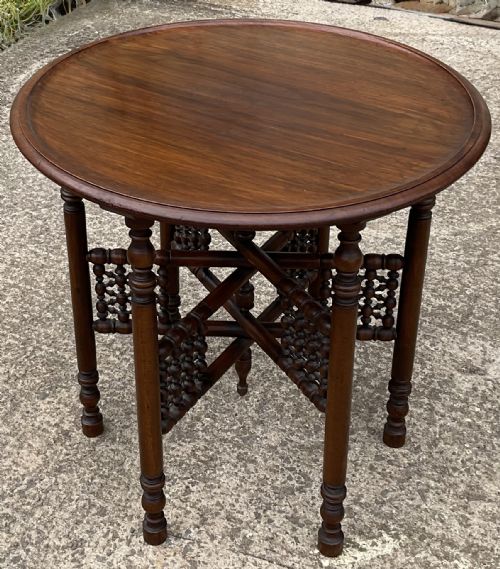


Oriental Low Tea Table
These low oriental tea table designs offer compact proportions and rich wood grains, bringing historical Asian craftsmanship directly into modern living rooms.
Oriental Low Tea Table
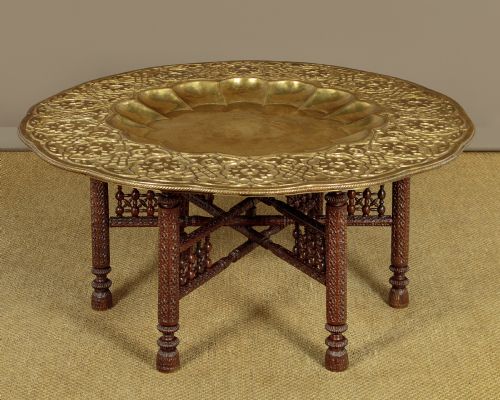
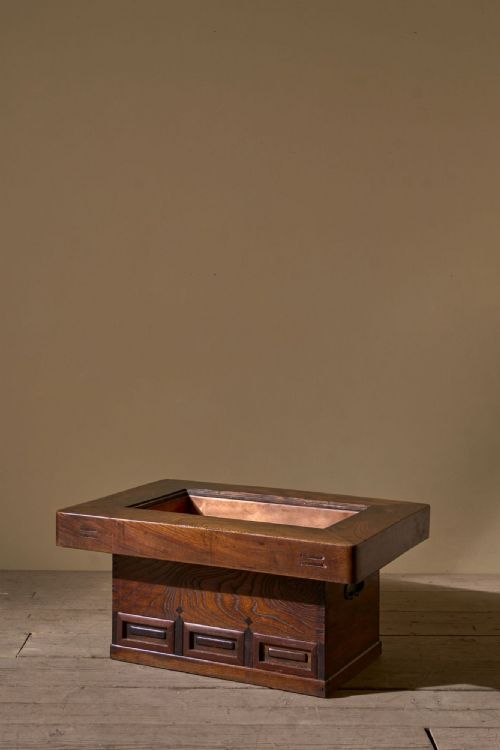
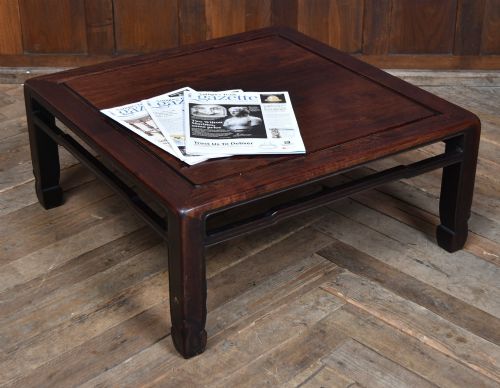
When you search for an oriental low tea table, you encounter low-slung occasional surfaces originating from Chinese, Japanese, and Anglo-Indian traditions. The examples found here span the Victorian era, the Edwardian period, and the early decades of the twentieth century, reflecting both traditional domestic forms and items made for export. You are most likely to meet low coffee tables, opium tables, and regional side tables adapted for modern seating arrangements.
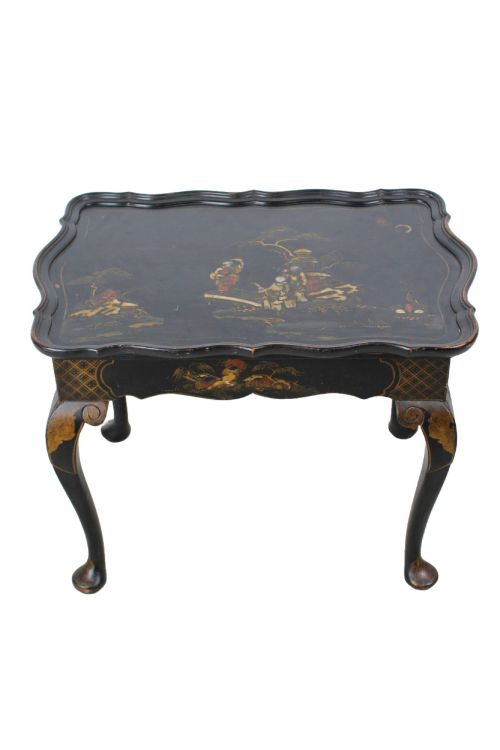
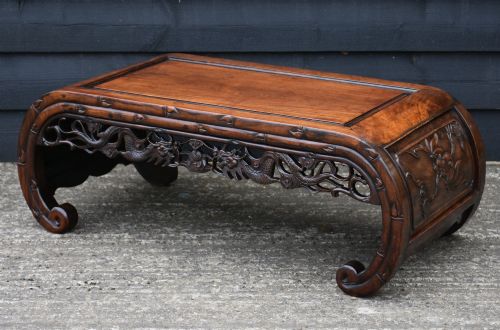
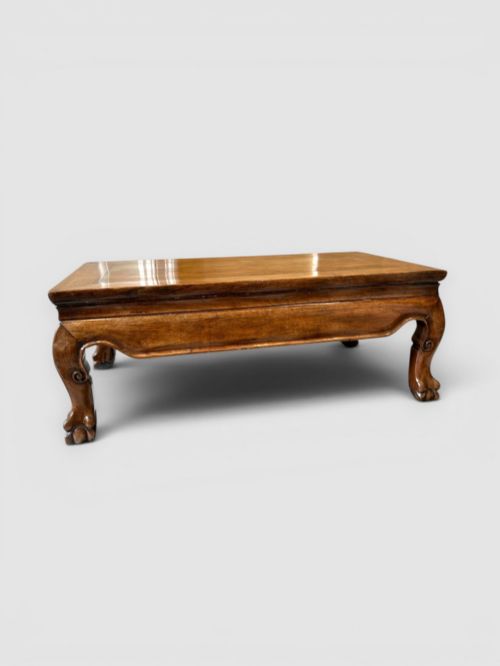
Many of these low tables draw upon traditional Chinese Qing Dynasty forms, including kang tables and scroll-end designs meant for sitting on platforms or mats. Others represent Edwardian Chinoiserie interpretations produced in Britain, applying decorative lacquer to low frames. Whether formed as square, rectangular, or circular coffee tables, they sit comfortably in contemporary spaces while retaining distinct historical origins.
How they were made
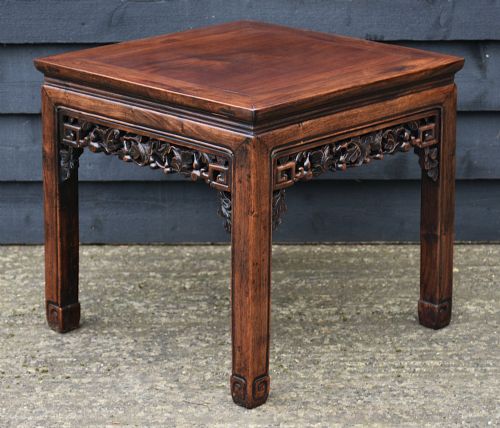
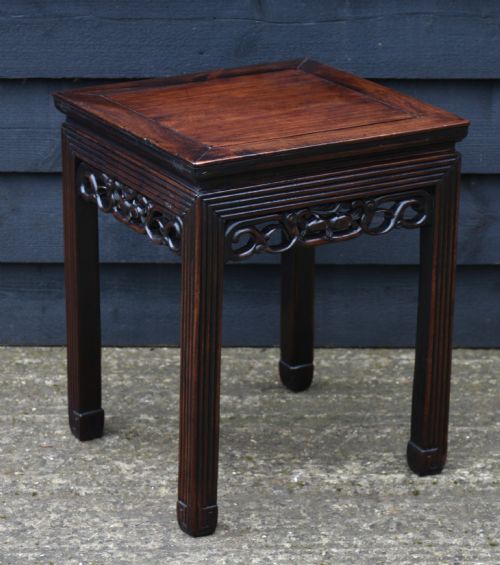
Makers relied heavily on dense timbers such as rosewood, elm, padouk, and general hardwoods to construct durable low frames. Joinery techniques allowed wood to expand and contract naturally without losing structural integrity, often incorporating carved details like dragon motifs or scroll ends directly into the primary material.
Surface finishes range from clear patinated polish that highlights the grain of the wood to applied red or black lacquer with decorative Chinoiserie painting. Occasional pieces incorporate brass fittings, glass inserts, or gilt accents to highlight carved edges and tabletop borders.
What varies in quality
The degree of hand-carved detail separates standard production from superior pieces, particularly where scroll ends, edge mouldings, and figural motifs are executed with depth and precision. Timbers chosen for the top panels display greater visual interest when the grain is selected and matched with care.
Finishing work also dictates overall distinction, as seen in the depth of traditional lacquer applications and the preserved patina on exposed hardwood surfaces. Age-related wear should integrate smoothly into the piece without compromising the stability of the low frame.
The Oriental Low Tea Table Glossary
- Kang table
- A low platform table traditionally used in northern China for serving tea, eating, or writing while sitting on a heated brick bed. These low tables have since been adapted into popular coffee table heights for Western interiors.
- Opium table
- A compact, low-standing wooden table historically associated with lounging and smoking customs in nineteenth-century Asia. They typically feature scrolled legs and sturdy hardwood construction.
- Chinoiserie
- European artistic interpretation and imitation of Chinese and East Asian artistic traditions, particularly popular during the Edwardian period. It often involves lacquered surfaces and painted decorative motifs on furniture.
- Padouk
- A heavy, durable tropical hardwood prized for its reddish-brown colour and stability in furniture making. It frequently appears in export pieces from the nineteenth and early twentieth centuries.
Oriental Low Tea Table: Frequently Asked Questions
How were oriental low tea tables used originally?
These low surfaces were designed for floor-level living, serving tea, and general domestic tasks in traditional households. People sat on cushions or mats around them rather than on high chairs.
Over time, many of these low forms were exported or adapted to standard living room heights, becoming natural choices for modern coffee tables.
How do I distinguish an opium table from a standard low table?
Opium tables typically feature distinctive scrolled feet, horseshoe legs, or recessed panel construction designed specifically for low-level placement. They tend to have shorter legs and solid hardwood frames.
Other low occasional tables may adopt Western table heights or tray-top edges while retaining Asian decorative motifs.
What materials are most common in these low tables?
Hardwoods such as rosewood, elm, and padouk dominate the authentic Asian pieces, valued for their durability and rich natural grain. You will also find European interpretations built from mahogany or finished with decorative lacquer.
Brass fittings and gilt details occasionally appear to accent corners, edges, and carved aprons.
How do I care for a lacquered or hardwood low table?
Maintain the wood by dusting with a soft, dry cloth and avoiding placement in direct sunlight or near sudden heat sources. Moisture should be wiped away promptly to protect traditional lacquer and polished finishes.
Occasional application of suitable furniture wax helps preserve the natural patina on exposed hardwood surfaces.