





Hand Painted Lacquer Table
A hand painted lacquer table brings glossy depth and intricate painted scenes into a room, uniting decorative flair with practical surface space.
Hand Painted Lacquer Table
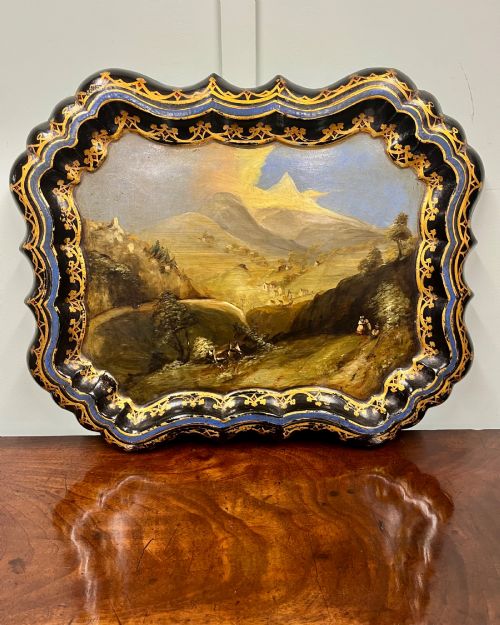
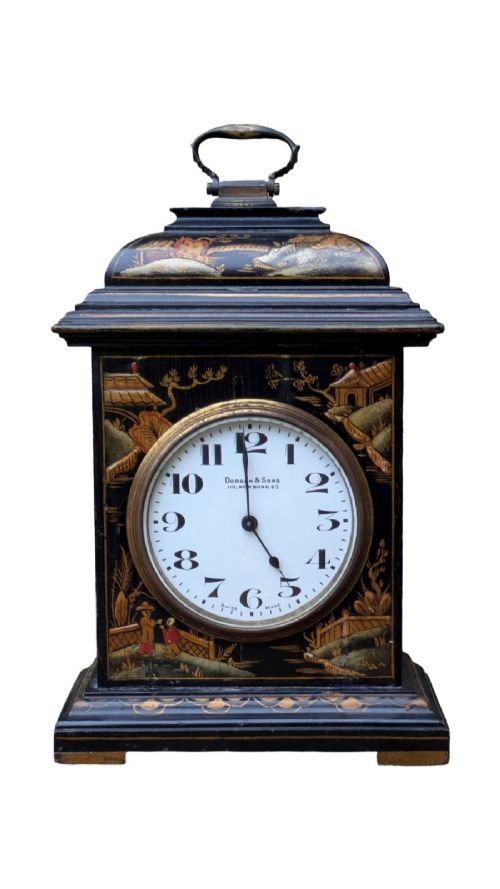
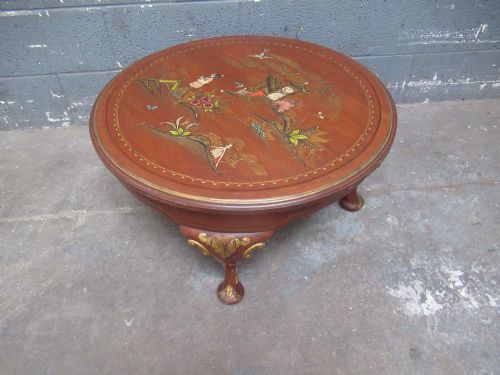
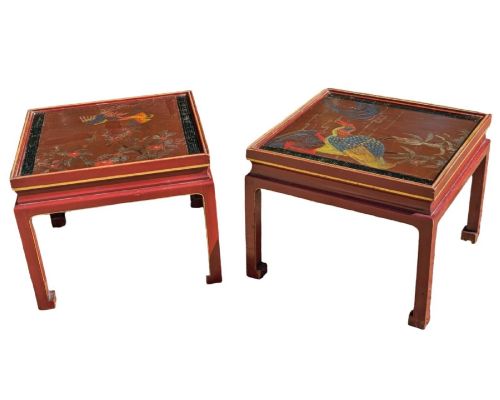
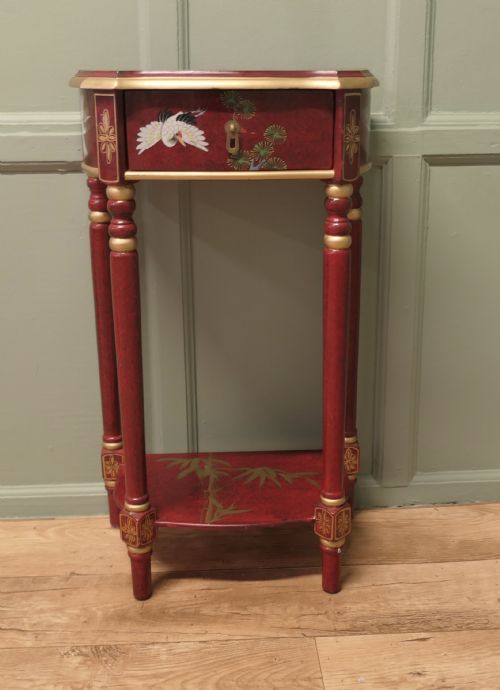
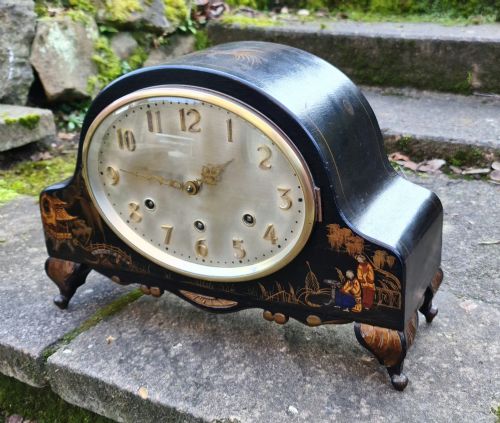
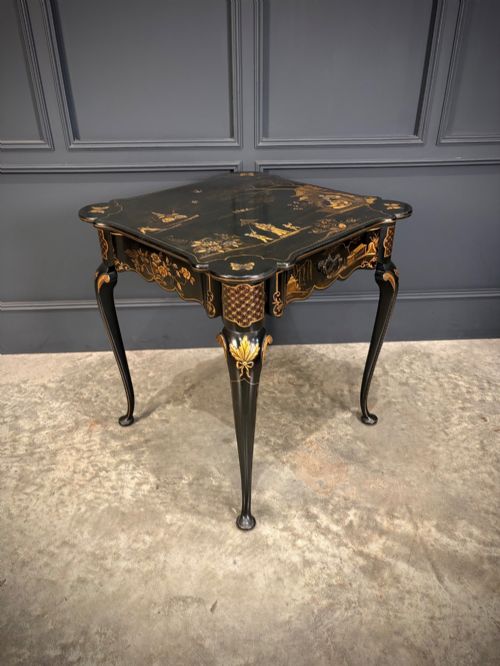
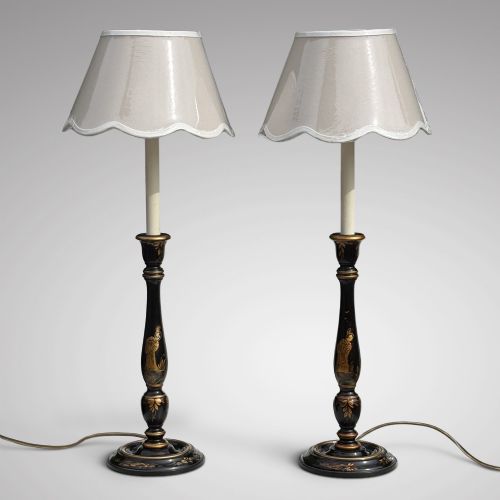
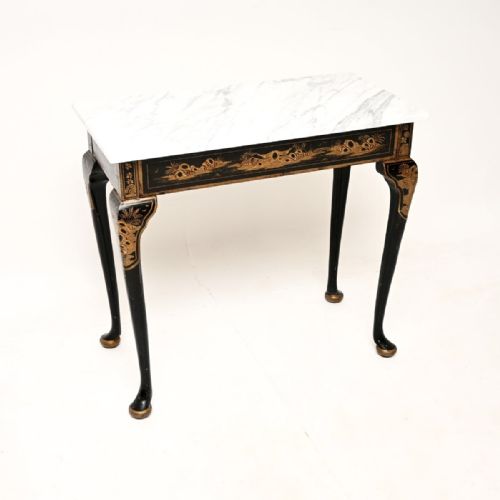
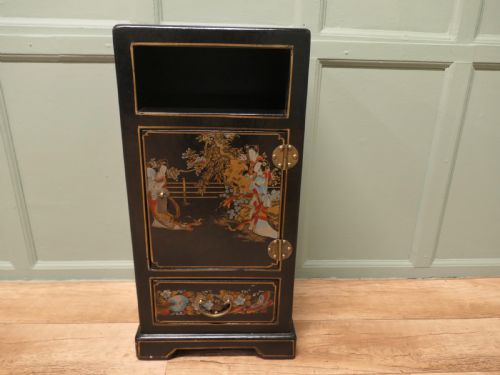
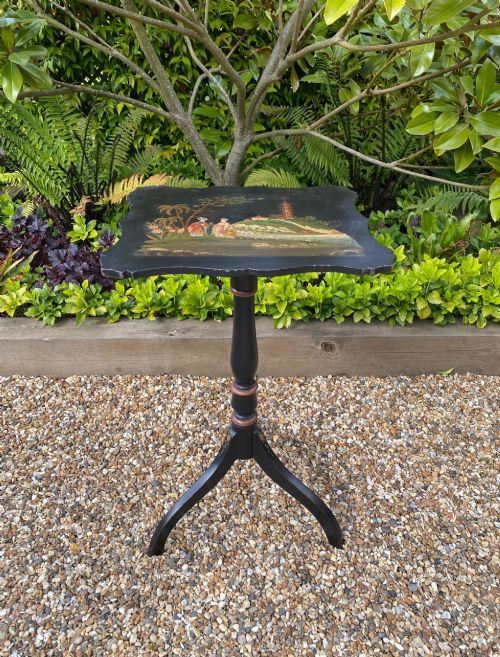
A hand painted lacquer table brings together Asian and European decorative traditions, spanning side tables, coffee tables, and occasional pieces. Many examples adopt Chinoiserie or Kashmiri styles, displaying meticulous hand-painted details across surfaces.
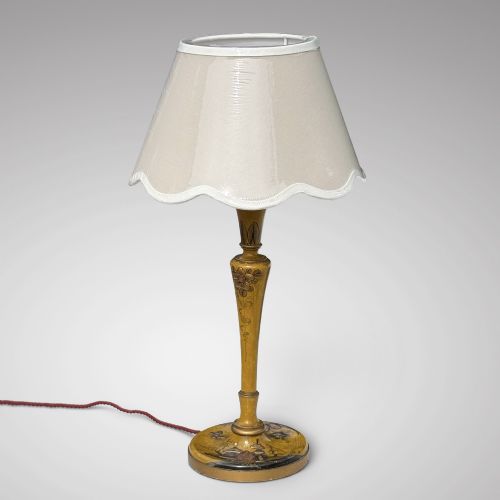
The selection ranges from Victorian and Edwardian iterations to pieces from the 1920s and 1930s. Buyers frequently encounter side tables, coffee tables, and occasional tables finished in black, red, cream, or ochre lacquer.
How they were made
Construction relies on wood, papier-mache, and brass, built into sturdy forms before receiving coats of lacquer. Artisans applied successive layers of lacquer to achieve a smooth, resilient foundation for the subsequent artwork.
Gilt gold and hand-painted pigments bring narrative scenes and floral motifs to life on the surface. These painted details often undergo sealing layers to protect the delicate brushwork from daily wear.
Hand Painted Lacquer Table Retail Price Guide 2026
Typical asking prices for hand painted lacquer table among the pieces listed under this phrase on Sellingantiques today, from the lower quarter to the upper quarter. They describe what is for sale here now, not the wider market.
Listings feature periods ranging from the Georgian and Regency eras through Victorian, Edwardian, and into the 1920s and 1930s.
What varies in quality
The refinement of the painted decoration dictates the distinction between standard and superior examples. Masterful brushwork reveals depth in landscape and figure scenes, whereas lesser pieces show rushed or repetitive patterns.
The depth and integrity of the lacquer finish itself separates ordinary production from exceptional craftsmanship. A superior piece displays a deep, polished lustre that has endured decades without excessive crazing or loss of pigment.
Elliott London
The Hand Painted Lacquer Table Glossary
- Chinoiserie
- European artistic interpretation of Chinese and East Asian decorative styles, popular in furniture and lacquerwork. It often depicts imaginary landscapes, pavilions, and figures in gold or colour.
- Lacquer
- A durable resin finish applied in multiple layers to wood or papier-mache. It cures to a hard, glossy surface that accepts hand-painted details and gilding.
- Japanned
- European imitation of East Asian lacquerwork, developed during the seventeenth and eighteenth centuries. It typically involves dark backgrounds decorated with raised or flat gilt motifs.
- Papier-mache
- A composite material made from paper pulp or layers of paper bound with glue, then moulded and lacquered. It provides a lightweight yet sturdy base for decorative small tables and boxes.
- Tray top
- A table design featuring a raised rim, allowing the top to function similarly to a serving tray. This form appears frequently on occasional and coffee tables from the Edwardian period onward.
Hand Painted Lacquer Table: Frequently Asked Questions
How do I clean a hand painted lacquer table?
Dust the surface gently with a soft, dry microfiber cloth to prevent scratching the delicate finish. Avoid using chemical sprays, abrasive cleaners, or excess water, as moisture can penetrate hairline cracks in the lacquer.
For stubborn marks, use a barely damp cloth with mild soap, drying the area immediately afterwards. Keeping the piece away from direct sunlight and extreme temperature shifts preserves the painted pigments and prevents the lacquer from warping.
Where should I place a hand painted lacquer table?
Position these tables away from radiators, fireplaces, and direct window light to protect the wood and lacquer from drying out. A central living room or a quiet reading corner allows the reflective surface and detailed artwork to catch ambient light.
Because the hand-painted finish benefits from stable environments, an interior hallway or drawing room away from exterior doors works best. Use coasters beneath drinks to protect the decorative top from rings and condensation.
How do I tell Victorian lacquer from 1920s pieces?
Victorian examples often feature heavier construction, darker tones, and rich gilding associated with nineteenth-century revival styles. Pieces from the 1920s and 1930s frequently introduce brighter palettes, such as mandarin orange, cream, or ochre, reflecting changing interior design tastes.
Examining the underside, joinery, and hardware offers additional clues regarding the manufacturing era. Older nineteenth-century pieces may display hand-cut screws and traditional joinery methods distinct from later twentieth-century production.
What is the difference between Chinoiserie and Kashmiri lacquer?
Chinoiserie lacquer focuses on European interpretations of East Asian motifs, showcasing pagodas, figures, and landscapes usually rendered in gold or monochrome against dark backgrounds. Kashmiri lacquer highlights distinct Indian artisan traditions, often featuring dense floral patterns and vibrant polychrome colours.
Kashmiri pieces frequently utilise papier-mache alongside wood bases, creating tactile surfaces with rich green, red, or cream grounds. Understanding these regional decorative motifs helps collectors identify the specific provenance of a table.