


Black Gold Chinoiserie Table
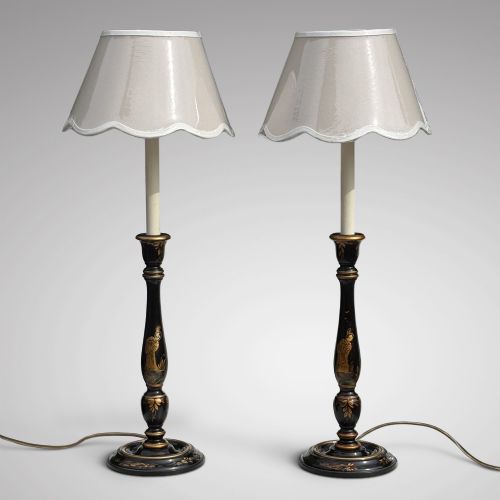
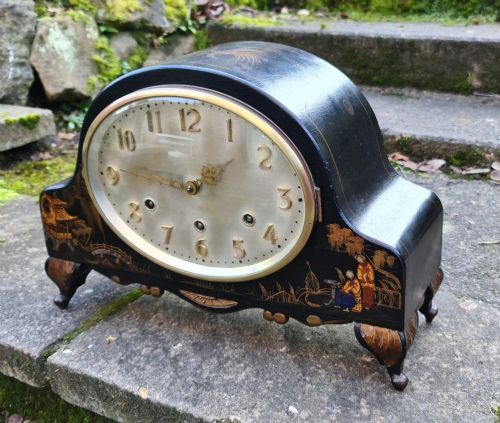
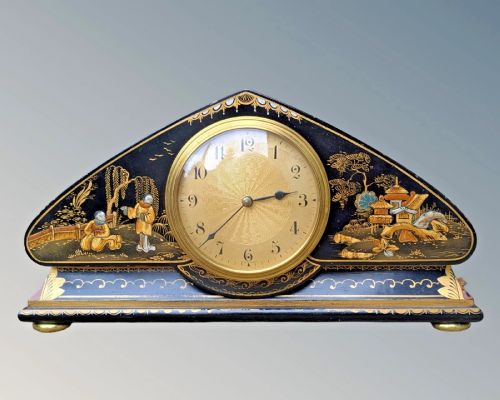
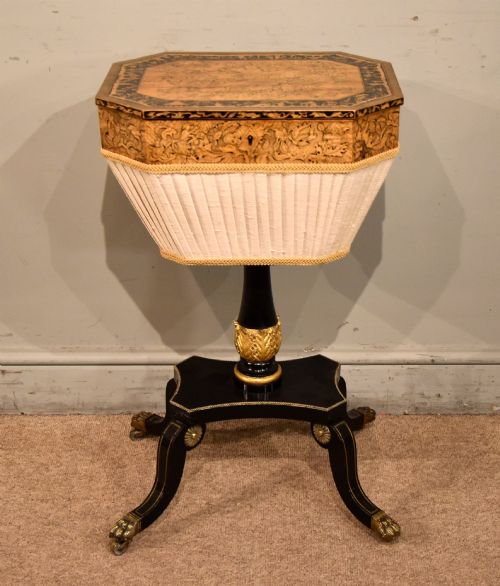
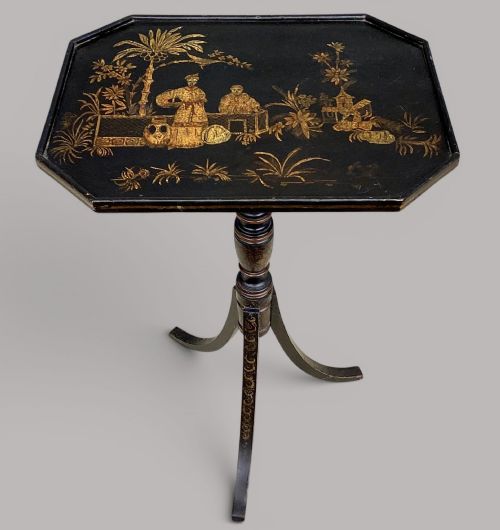
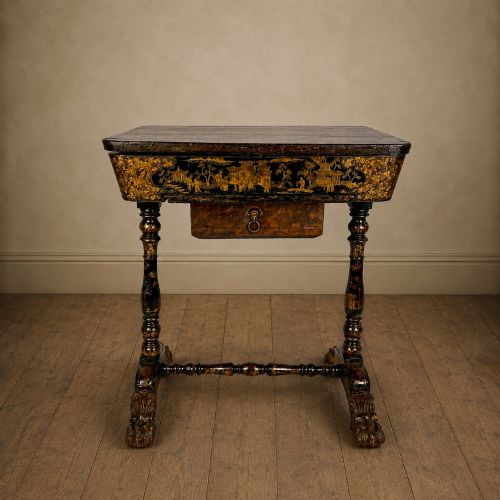
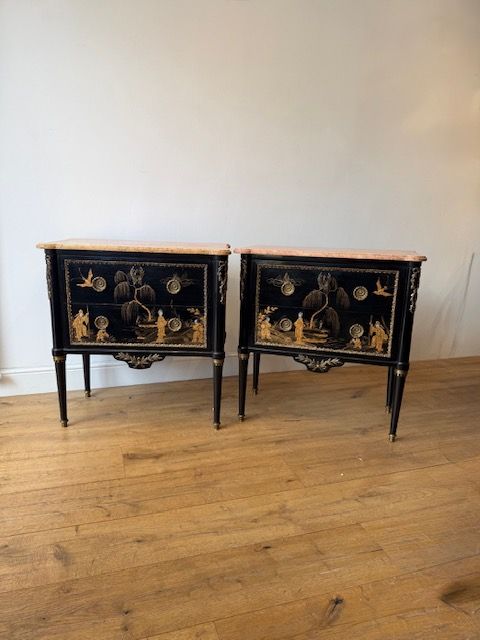
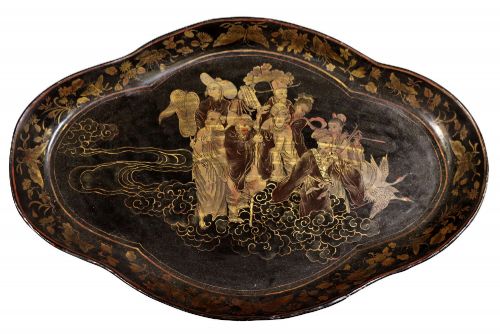
These black gold chinoiserie table pieces combine dark lacquer with gilded decoration, bringing distinct orientalist motifs into domestic spaces.
Black Gold Chinoiserie Table
A black gold chinoiserie table represents a fusion of European furniture forms with decorative motifs inspired by East Asian art. Buyers encounter various formats, from occasional tables and nests to coffee and console tables.
The selection spans several distinct eras, incorporating pieces from the Regency period through to the Victorian, Edwardian, and early twentieth-century decades. Alongside actual tables, the listings include related items such as tray tables on stands and lamp tables sharing the same aesthetic.
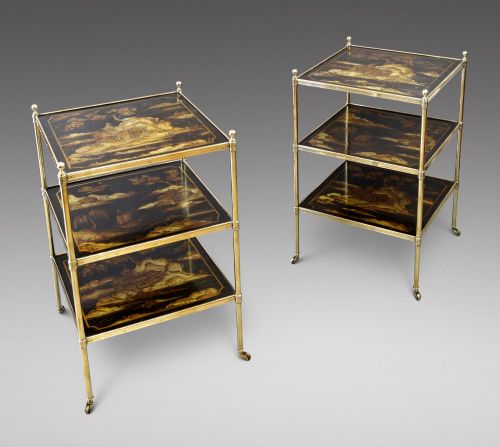
Makers often drew upon Chinese Export traditions or applied later Edwardian Chinoiserie interpretations to standard wooden carcases. This results in a diverse inventory where compact lamp tables and multi-tiered nests of tables appear frequently.
How they were made
Craftsmen built these items using wood, ebonised wood, and occasionally papier-mâché, applying layers of dark lacquer to achieve a glossy black ground. This surface served as the base for intricate ornamental work.
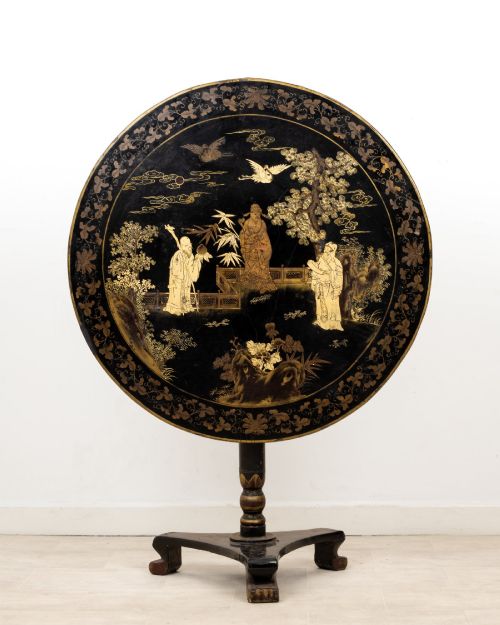
Decoration relied heavily on gold leaf, gilt, and hand-painted details to render figures, landscapes, and floral patterns characteristic of the style. Brass hardware and fittings occasionally complemented the dark polished surfaces.
Listings span the 19th Century, Regency, Victorian, Edwardian, and 1920 to 1930 decades, utilising lacquer, wood, brass, and gold leaf.
What varies in quality
The sophistication of the painted or gilded ornamentation largely determines the standing of a piece within its category. Finer examples display meticulous brushwork and precise detailing in the figurative and landscape scenes.
The depth and durability of the lacquer finish also distinguish superior items from standard commercial production. Tables retaining intact, stable layers of black lacquer and bright gold leaf demonstrate better preservation and original craftsmanship.
The Black Gold Chinoiserie Table Glossary
- Chinoiserie
- European decorative style reflecting Chinese artistic influences. This aesthetic was popularised during various periods, including the Regency and Edwardian eras.
- Lacquer
- A durable resin finish applied to wood surfaces to create a smooth, protective coating. It forms the essential black background for gilded ornamentation.
- Gilt
- Gold applied to a surface by leaf or powder. This material highlights the decorative motifs against the dark lacquer ground.
- Nest of tables
- A set of graduated tables designed to fit neatly beneath one another. These sets often feature matching lacquered surfaces.
- Tilt top table
- A table with a hinged top that can be tilted vertically when not in use. Such pieces frequently showcase elaborate painted tops.
Black Gold Chinoiserie Table: Frequently Asked Questions
Where were these tables used?
These tables typically stood in principal reception rooms such as drawing rooms and parlours. They served practical functions for serving tea, holding lamps, or displaying decorative objects.
Their decorative surfaces allowed them to act as focal points within refined domestic interiors. Smaller formats like nests and occasional tables offered flexibility in placement.
How do I identify a Regency piece?
Regency items often display classical proportions combined with penwork or distinct lacquer techniques. Evidence from the period points to specific forms like sewing tables and cabinets on stands.
Comparing the structural lines and decorative motifs with established nineteenth-century designs helps confirm the era. Documentation or stylistic markers specific to the early nineteenth century guide this assessment.
What is Chinese Export work?
Chinese Export pieces were manufactured in China specifically for Western markets during the eighteenth and nineteenth centuries. They combined traditional Asian lacquering techniques with European furniture shapes.
These items often feature distinctive iconography and superior lacquer work due to the local expertise available to foreign traders.
How should I care for lacquer?
Lacquer surfaces require gentle dusting with a soft, dry cloth to prevent scratching the polished finish. Direct sunlight and excessive humidity should be avoided to protect the wood and decorative layers.
Polishes and harsh chemical cleaners must not be used on antique lacquer. Maintaining a stable indoor climate preserves the integrity of the gold leaf and varnish.