


Chinese Style Tea Table
These Chinese style tea tables bring low, sculptural forms and rich hardwoods into a room, offering both quiet surface space and centuries of regional design tradition.
Chinese Style Tea Table
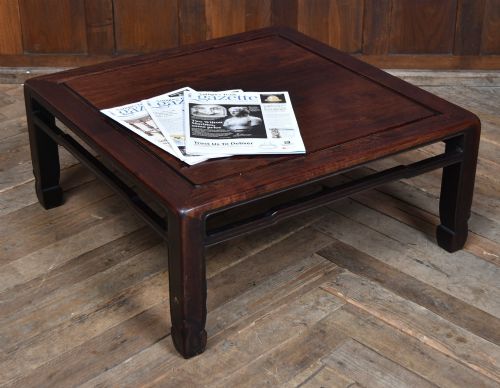
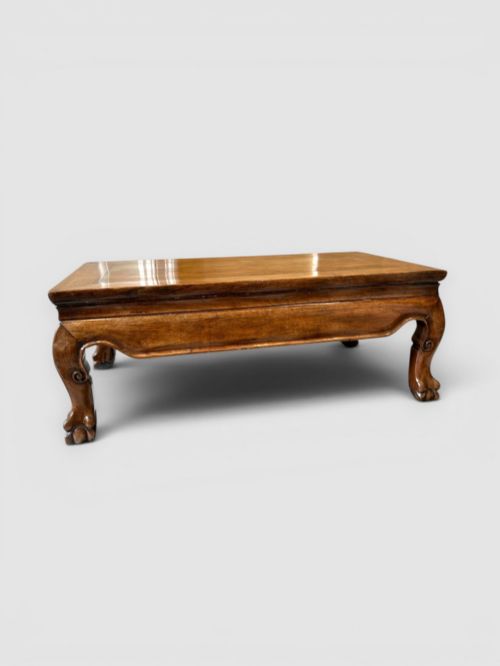
A Chinese style tea table unites low-slung domestic forms with traditional joinery, turning utilitarian surfaces into focal points for a room. Pieces carrying this description range from low opium tables and Kang surfaces to nests of nesting tables and occasional stands.
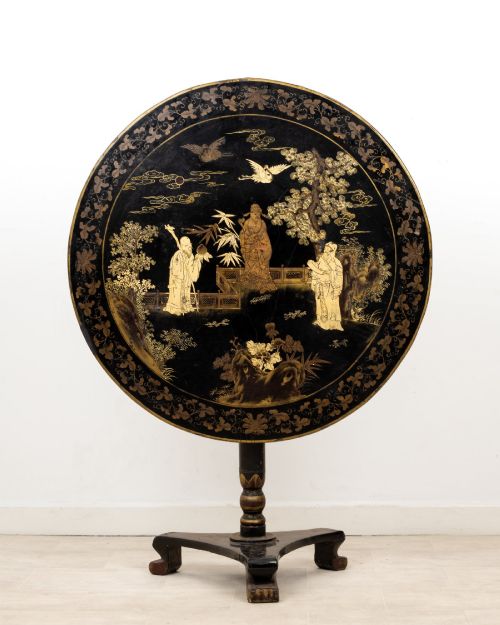
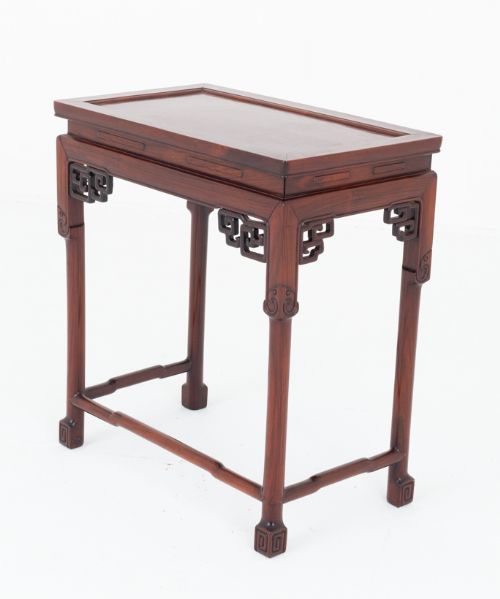
The selection here draws primarily on hardwood, elm, and lacquer surfaces produced across the nineteenth and early twentieth centuries. Makers applied Chinese Traditional, Qing styles, and Chinoiserie aesthetics to coffee tables, side tables, and kettle stands.
Buyers meet sturdy rosewood, padouk, and ebonised timber alongside delicate lacquered tops and occasional Edwardian interpretations. These low tables suit modern seating arrangements while retaining distinct historical character.
Materials and construction methods
Construction relies heavily on dense hardwoods such as padouk, elm, rosewood, and huanghuali joined with traditional framing techniques. These timbers provide the structural integrity required for low-profile furniture without relying on bulky underframes.
Surface decoration incorporates deep relief carving, gilt detailing, and layers of lacquer applied to wood bases. Artisans also utilised gold leaf and glass inserts to accentuate panel borders and tabletop designs.
Materials represented across the furniture include elm, padouk, rosewood, and huanghuali alongside traditional lacquer finishes.
Distinguishing quality in craftsmanship
Superior examples demonstrate crisp, deep hand-carving and careful timber selection that highlights natural grain patterns. Lesser pieces rely on surface finishes alone to conceal simpler joinery and softer secondary woods.
The cohesion of the design separates standard regional output from exceptional workshop pieces, particularly in the balance of proportions between legs and top surfaces.
The Chinese Style Tea Table Glossary
- Padouk
- A heavy, durable tropical hardwood prized for its rich reddish-brown colour and stability in furniture construction. It frequently appears in 19th-century tables.
- Chinoiserie
- European decorative style reflecting Chinese artistic influences, prominent in British furniture design from the 18th century onward. It often employs lacquer and gilt motifs.
- Opium table
- A traditional low domestic table used in China for dining, resting, or smoking, adapted today as a coffee table. These pieces feature minimal height and sturdy framing.
- Kang table
- A low platform table designed to sit directly on a heated brick sleeping platform or floor. They provide compact surface space with distinct structural proportions.
Chinese Style Tea Table: Frequently Asked Questions
What is a Chinese opium table?
An opium table is a low-profile domestic surface historically used for dining, resting, or social gatherings in traditional Chinese households. Their modest height makes them particularly suitable for contemporary living spaces as coffee tables.
These pieces typically feature recessed legs and sturdy timber construction, designed to withstand daily use while maintaining a clean, unobtrusive silhouette.
How do I use a nest of tables?
Nests of tables provide flexible surface area that can be expanded or stacked away depending on your needs. They work well beside seating areas to hold drinks or lamps without cluttering floor space.
When arranged together, they occupy the footprint of a single small table, making them practical for smaller rooms or versatile interior layouts.
What wood is used in these tables?
These tables are primarily constructed from dense Asian hardwoods including padouk, elm, rosewood, and huanghuali. Some British or European interpretations utilise mahogany or ebonised timber to achieve a similar aesthetic.
Surface treatments frequently involve traditional lacquer, gold leaf, or gilt highlights applied over the core wood structure.
How do I clean a lacquered table?
Lacquered surfaces require gentle maintenance using a soft, dry cloth to remove dust. Avoid chemical cleaners or excessive moisture, which can damage the delicate finish over time.
Keeping these tables away from direct sunlight and heat sources helps preserve the integrity of the lacquer and underlying wood.
What distinguishes Chinoiserie from traditional Chinese design?
Traditional Chinese design originates directly from Asian workshops and adheres to classical forms, joinery methods, and indigenous aesthetic principles. Chinoiserie represents European interpretations and adaptations of these motifs, often produced in Britain during the Edwardian period or earlier.
Both styles appear on this page, offering different perspectives on the same decorative tradition.