



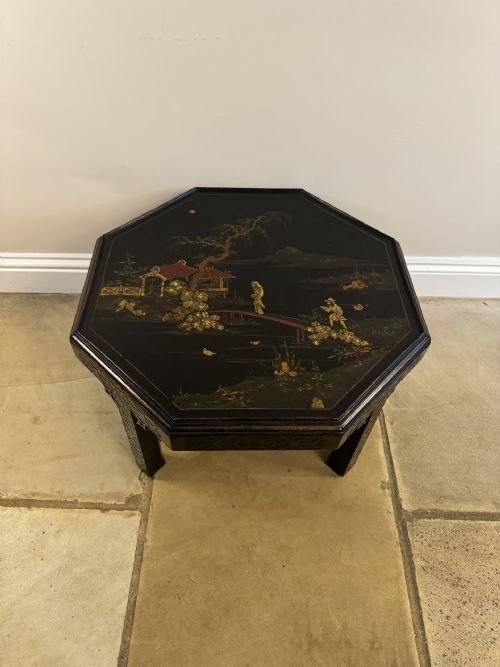
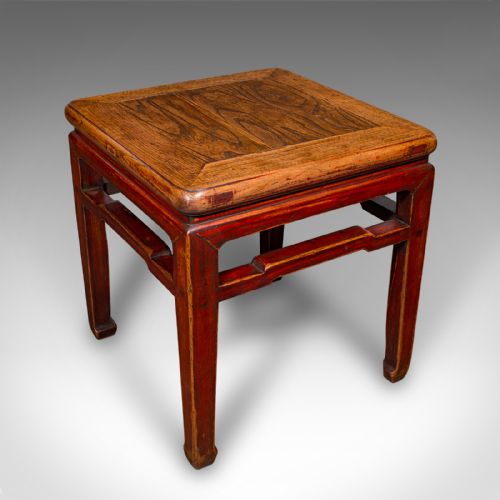

Vintage Lacquered Coffee Table
A vintage lacquered coffee table brings deep surface polish, painted figural scenes, and dark oriental or European Japanned finishes into a sitting room.
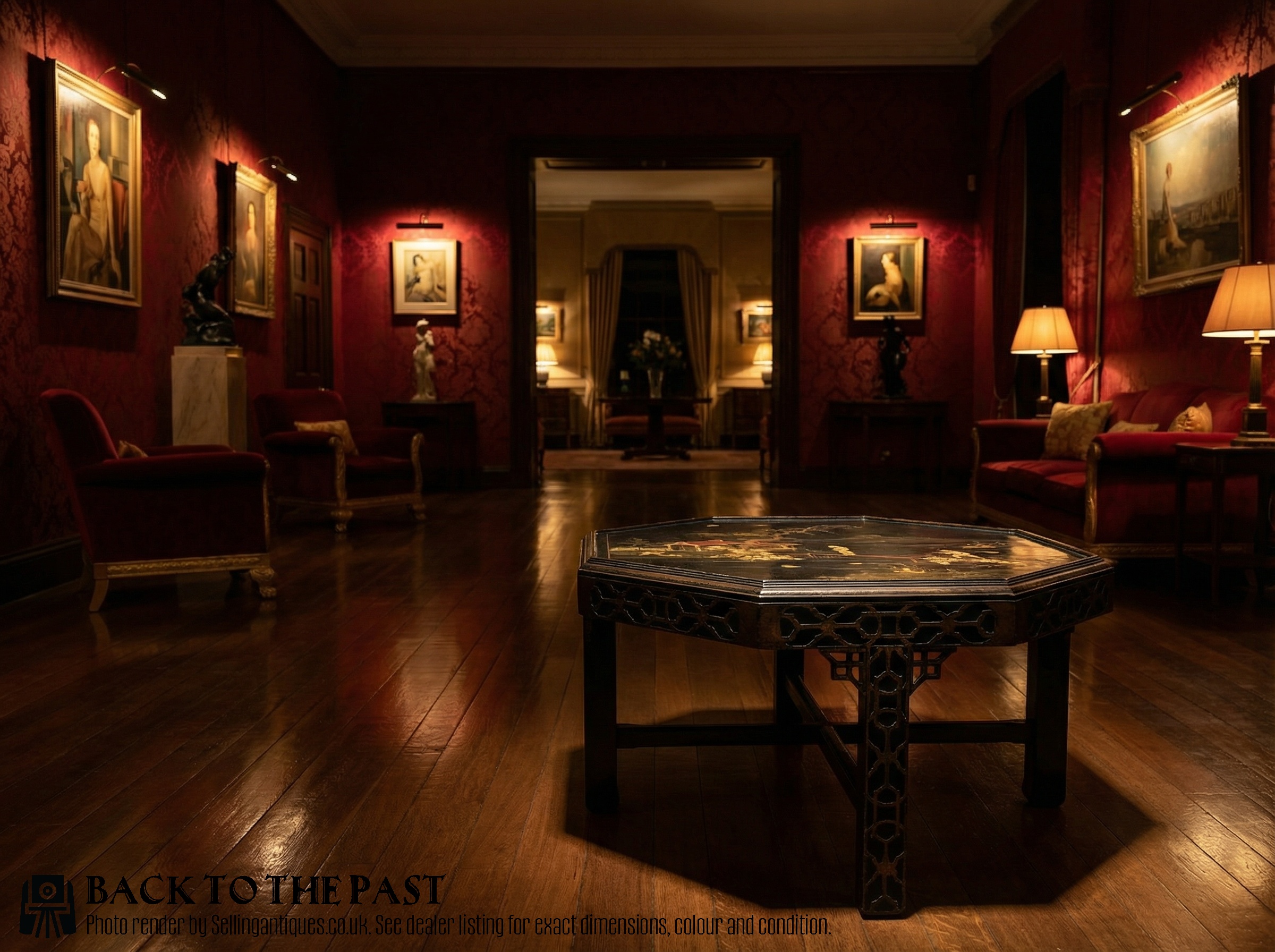
Vintage Lacquered Coffee Table
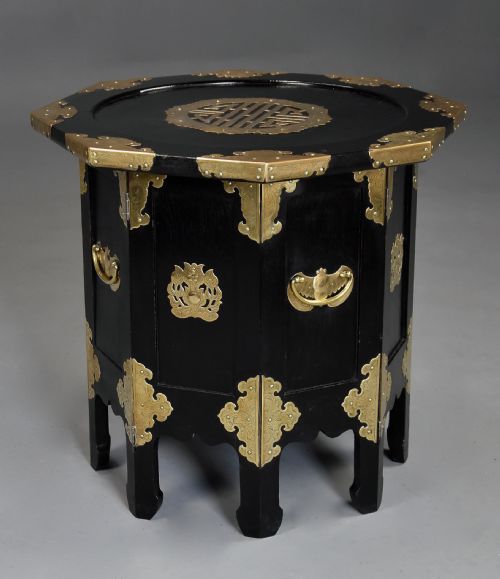
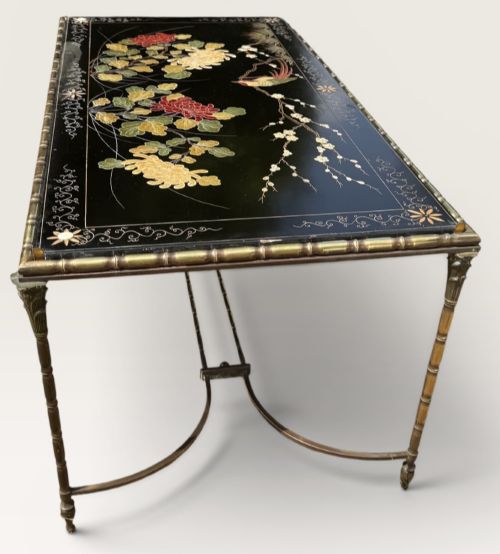
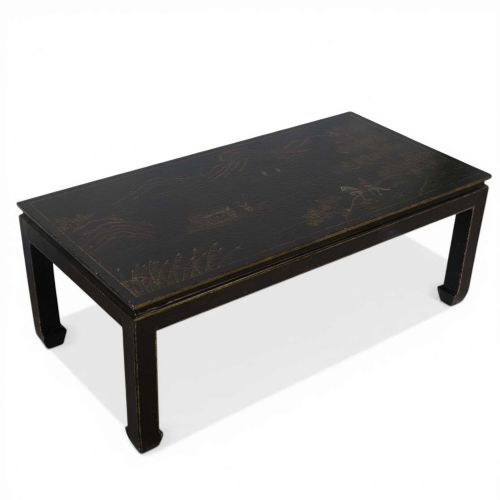
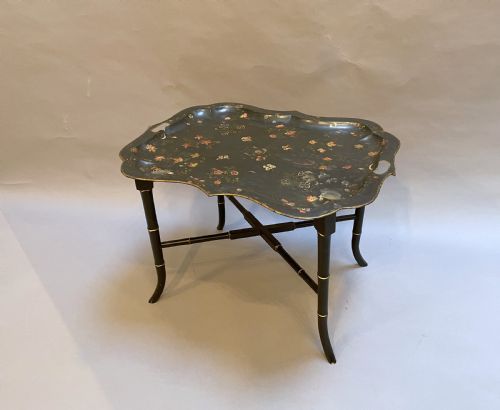
A vintage lacquered coffee table takes several forms across this selection, from low occasional stands and nests to converted folding trays. When searching for a vintage lacquered coffee table, buyers meet pieces spanning the nineteenth century through the interwar decades, drawing on diverse stylistic traditions like Chinoiserie and Regency. Most examples rely on dark varnished or painted timber surfaces, often enriched with gilt motifs or raised relief work.
The practical low table formats often originate from repurposed Asian tea tables, Japanese elm low tables, or Kashmiri surfaces adapted for Western domestic use. Alongside these sit nested sets of four or three tables, offering modular convenience while maintaining coordinated decorative schemes. Occasional tables and tray tables on folding stands provide moveable surface space that suits modern entertaining.
Stylistically, pieces range from Edwardian and Victorian interpretations of Eastern motifs to genuine mid-century French and Burmese craftsmanship. Ebonised finishes, black lacquer grounds, and painted floral or figural scenes dominate the visual language of these low tables. Buyers select them to anchor a room with a reflective, dark-toned centrepiece carrying historical character.
How they were made
Construction relies primarily on traditional timber framing, utilising woods such as elm, walnut, and ebony, alongside alternative structural bases in iron or brass. Artisans applied successive coats of lacquer, paint, or gilt work to build up deep, protective surface sheens. Paper-mâché and pig skin also appear as specialised foundational materials for specific tray and trunk surfaces.
Decorative techniques emphasise hand-applied painted scenes, gilt highlights, and raised relief detailing characteristic of Chinoiserie and Japanned production. Metal mounts, brass accents, and structural stands in iron or wood support the main lacquered tops. These combined methods produce resilient, glossy surfaces designed to withstand daily domestic use while retaining intricate artistry.
What varies in quality
Quality rests heavily on the depth and execution of the surface finish, distinguishing finely built Japanese, Burmese, or European Japanned work from simpler commercial decoration. The crispness of hand-painted scenes, the complexity of raised relief detailing, and the preservation of original gold leaf establish the artistic tier of each table. Higher grade examples show deliberate control in the application of multiple lacquer layers rather than flat, uniform modern varnishing.
Structural integrity of the underlying timber frame and the stability of tray-on-stand joints also divide standard items from superior specimens. Original hardware, such as brass mounts or bespoke iron folding bases, adds authenticity and mechanical refinement. The cohesion between the decorative top and its supporting base dictates whether a piece reads as a unified antique or a later marriage.
Maison Bagues
The Vintage Lacquered Coffee Table Glossary
- Chinoiserie
- European decorative style reflecting Chinese artistic influences, typically featuring painted landscapes, pagodas, and figures on dark lacquered grounds. It gained popularity across various periods including the Regency and Edwardian eras.
- Japanned
- European imitation of East Asian lacquerwork, created by applying layers of dark varnish and resin finished with gold or painted decorations. This technique was widely utilised on furniture during the eighteenth and nineteenth centuries.
- Toleware
- Enamelled or japanned metalware, often formed into large serving trays that were subsequently mounted onto folding wooden or iron stands to function as tables. These pieces combine utility with decorative painted scenes.
- Ebonised
- Timber treated with a dark stain or finish to simulate the appearance of solid ebony wood. This treatment frequently provides a stark, dark contrast to gilt and painted motifs.
- Chabudai
- Traditional low Japanese table used for partaking in meals or tea ceremonies while kneeling on tatami mats. Many survive as low coffee tables in Western interiors.
Vintage Lacquered Coffee Table: Frequently Asked Questions
How do I style a vintage lacquered coffee table?
Pair the reflective surface and dark tones with neutral seating to let the painted scenes and gilt details stand out. Keep decorative objects minimal to avoid obscuring the intricate lacquerwork.
Incorporate organic textures like linen or wool nearby to balance the hard, glossy finish of the tabletop.
Are tray tables sturdy enough for daily use?
Tray tables featuring independent stands offer surprising versatility and stability when the frame locks securely into place. They were originally designed for functional service and entertaining.
Ensure the folding mechanism or drop-in tray fit remains snug to prevent wobbling during everyday tasks.
What is the difference between Chinoiserie and Japanned?
Chinoiserie specifically denotes European interpretations of Chinese artistic motifs, featuring figures, pavilions, and natural landscapes. Japanned work encompasses a broader Western imitation of general East Asian lacquer techniques.
Both styles rely heavily on dark painted grounds and raised metallic details, though their specific iconography can vary.
How do I care for antique lacquer?
Dust the surface gently with a soft, dry microfiber cloth to prevent micro-scratching the delicate varnish. Avoid chemical sprays, excessive moisture, and direct sunlight, which can dull the finish over time.
Use coasters consistently to protect the historic lacquer layers from heat and liquid rings.