


Oriental Cloisonne Dish
An oriental cloisonne dish brings intricate metalwork and vibrant enamels into a room, offering collectors centuries of detailed artistry.
Oriental Cloisonne Dish
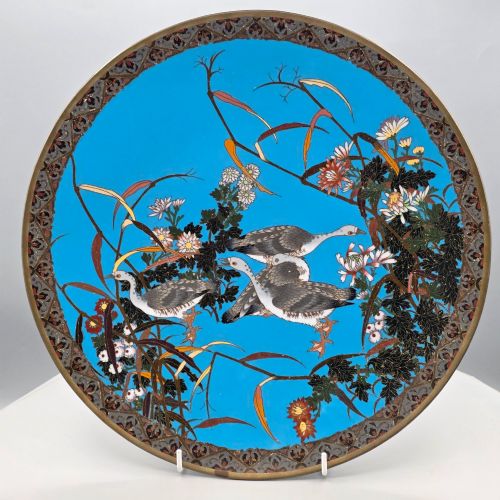
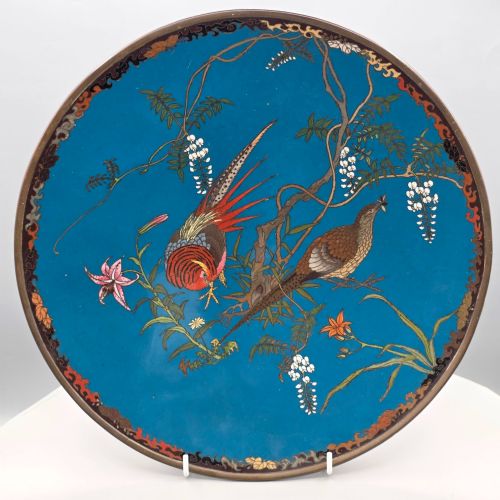
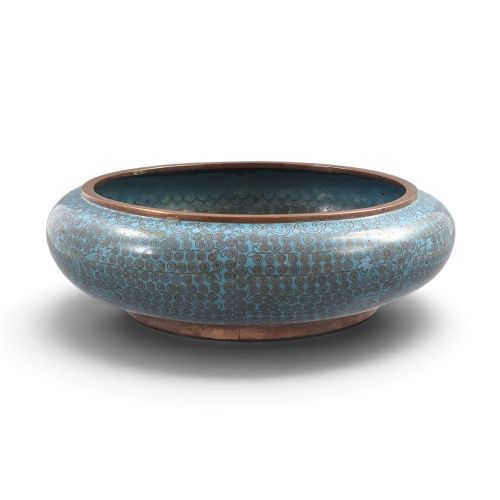
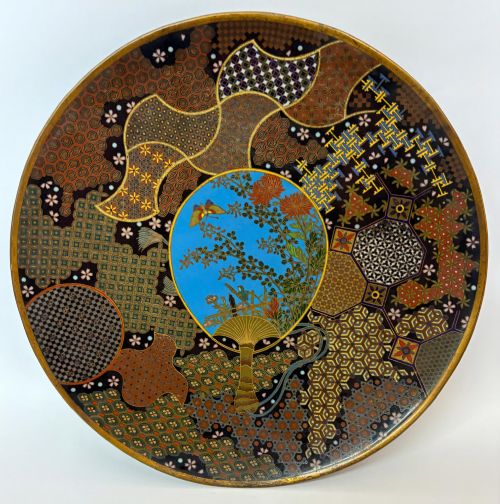
When searching for an oriental cloisonne dish, buyers encounter decorative chargers, plaques, and plates originating from Japanese and Chinese periods. These pieces serve primarily as ornamental displays rather than functional tableware.
The selections span from the late eighteenth century through the Meiji and Qing dynasties up to 1900. Japanese Meiji period chargers and Chinese Qing dynasty plaques dominate the available forms.
Makers shaped these items into wide chargers, medium plates, square trays, and lidded bowls. Subjects range from natural motifs like birds and koi to mythical dragons and samurai figures.
Materials and construction techniques
Craftsmen built these vessels using copper, bronze, or brass bases shaped into plates, bowls, and chargers. They formed raised patterns on the metal surface by soldering thin brass or wire partitions.
Workers filled the resulting cells with coloured enamel paste before firing the metal bodies in a kiln. After cooling, artisans ground and polished the surface until the metal wires and glass pastes lay flush.
Listings feature copper and brass foundations decorated with wire-worked enamels spanning the eighteenth, nineteenth, and early twentieth centuries.
Distinctions in quality and execution
Quality separates through the fineness of the wirework and the complexity of the polychrome enamel filling. Tighter, thinner metal partitions allow for more detailed pictorial rendering.
The precision of the final polish determines visual depth, where superior examples exhibit minimal surface pitting and perfectly even lustre across complex motifs like landscapes or fauna.
Kinkozan
The Oriental Cloisonne Dish Glossary
- Cloisonne Enamel
- A metalwork technique where enamel pastes are applied within compartments formed by soldered wires on a copper or brass base.
- Charger
- A large decorative plate or dish intended for display on a wall or sideboard rather than dining use.
- Meiji Period
- A Japanese historical era lasting from 1868 to 1912 noted for exceptional technical refinement in decorative arts.
- Qing Dynasty
- The final imperial dynasty of China, spanning from 1644 to 1912, known for rich enamel and metal craft.
- Ho-o Bird
- A mythical Chinese and Japanese phoenix often depicted in polychrome enamel decoration.
Oriental Cloisonne Dish: Frequently Asked Questions
How do I display an oriental cloisonne dish?
Large chargers and plaques often include or accommodate wall-mounting hardware for secure vertical hanging. Smaller trays and bowls sit well on wooden stands to showcase interior designs.
Keep pieces away from direct sunlight to preserve the vibrant tones of the vitreous enamels over time.
How are Chinese and Japanese pieces told apart?
Chinese works from the Qing dynasty often utilise heavier bronze or brass bases with robust wire profiles and deep-toned mineral enamels. Japanese Meiji period items frequently demonstrate finer wirework with naturalistic subjects.
Examining the base plate and wire thickness helps determine the regional workshop origin.
What subjects appear on these dishes?
Common motifs include flora such as chrysanthemums and peonies alongside fauna like cranes, owls, and leaping koi. Mythical figures such as dragons, samurai, and Ho-o birds also frequent the designs.
Specific symbols often carry traditional meanings related to longevity and auspicious fortune.
How should I clean my dish?
Dust the surface gently with a soft, dry cloth to remove everyday particles. Avoid liquid cleaners or chemical polishes, which can damage the exposed metal wires and enamel.
Handle the edges carefully during maintenance to prevent chipping the fired glass pastes.