








Oriental Ceramic Wall Plate
An oriental ceramic wall plate brings rich colour and traditional pattern into a room, offering a decorative focal point shaped by centuries of Asian kiln craft.
Oriental Ceramic Wall Plate
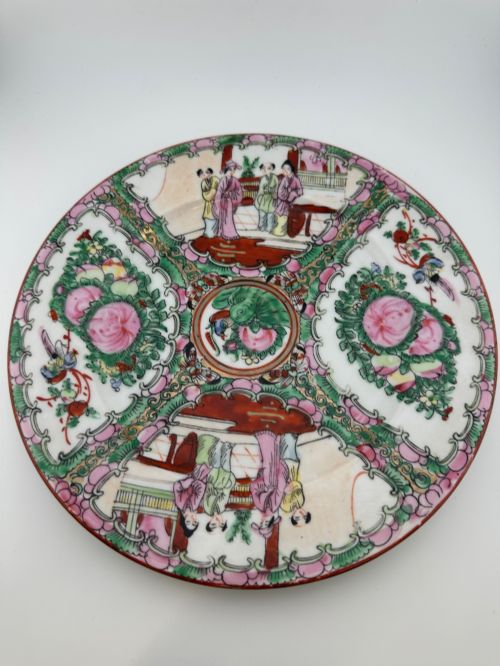
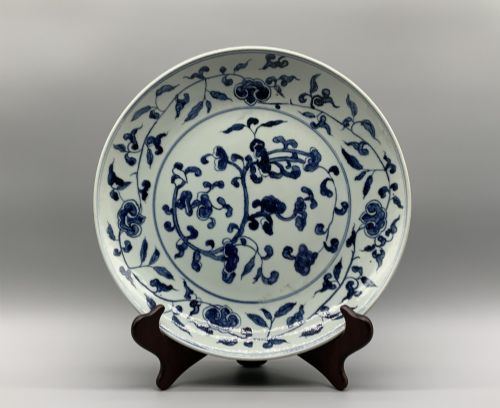
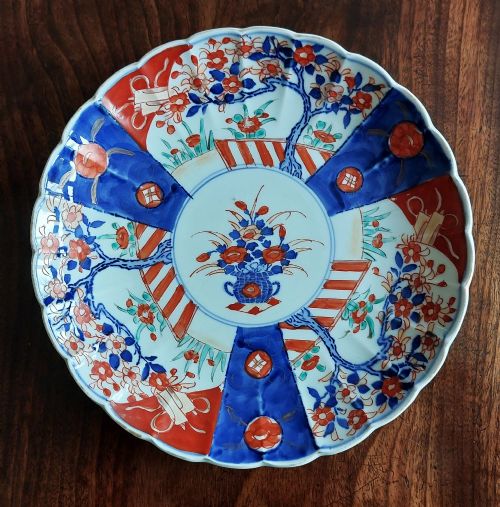
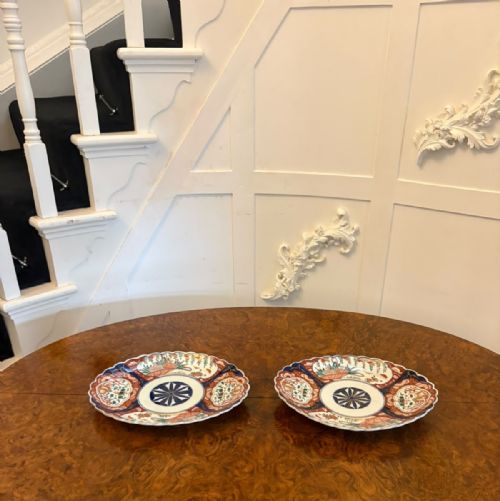
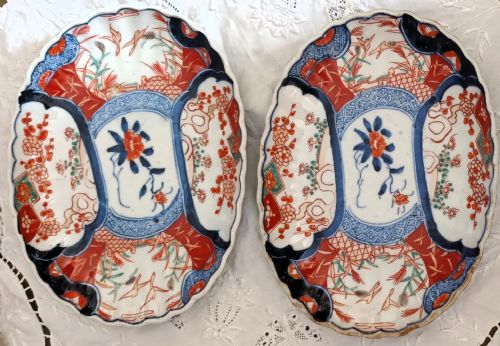
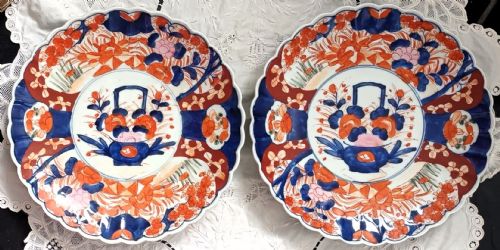
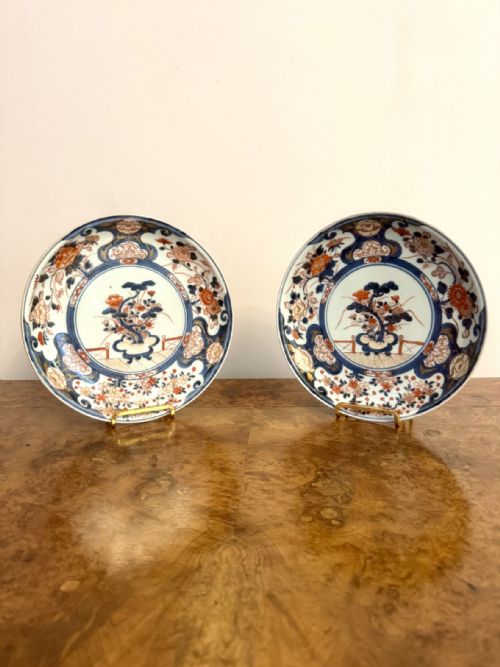
When you search for an oriental ceramic wall plate, you encounter large chargers, shallow dishes, and decorative display pieces originating mainly from Japanese and Chinese kilns. The selection leans heavily towards late nineteenth century Japanese Imari wares, featuring distinctive cobalt blue and iron red palettes alongside gilt highlights.
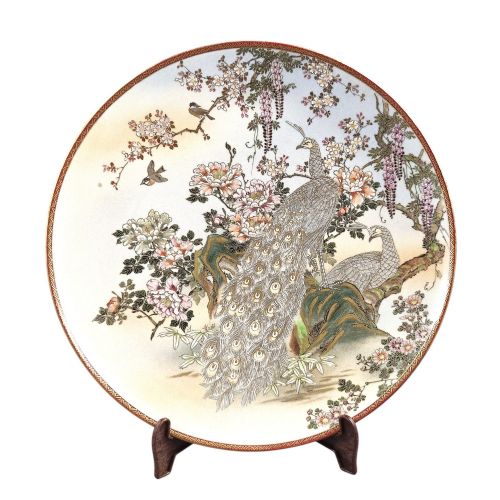
You also find earlier Chinese export examples, including blue and white porcelain chargers dating back to the Kangxi period, as well as Satsuma wares with detailed moriage decoration. Forms vary from circular scalloped edges to square shapes and oval dishes designed specifically for interior display.
How they were made
Potters shaped fine porcelain and earthenware bodies by hand or on the wheel before applying cobalt glaze, enamel, and gold leaf pigments. Kiln firing fixed the underglaze blue, while overglaze enamels and gilt details required subsequent lower temperature firings.
Many surfaces received meticulous hand painted decoration depicting botanical scenes, exotic birds, and figures from folklore such as the Seven Lucky Gods. Scalloped rims and square profiles demanded skilled moulding and trimming before the glazing stage.
Oriental Ceramic Wall Plate Retail Price Guide 2026
Typical asking prices for oriental ceramic wall plate among the pieces listed under this phrase on Sellingantiques today, from the lower quarter to the upper quarter. They describe what is for sale here now, not the wider market.
Listings feature porcelain and earthenware bodies decorated with cobalt glaze, enamel, and gold leaf across several periods.
What varies in quality
The refinement of the brushwork and the complexity of the hand painted composition set the standard across these ceramics. Crispness in the cobalt blue underglaze and careful placement of gold leaf indicate superior workshop output.
Subtlety in the modelled form, such as an evenly scalloped edge or a well balanced square shape, separates ordinary production from exceptional decorative chargers.
Koshida
The Oriental Ceramic Wall Plate Glossary
- Imari
- A style of Japanese porcelain characterised by a palette of underglaze blue, iron red, and gilt, often produced for export.
- Moriage
- A decorative ceramic technique using raised slip enamel to create textured, three dimensional patterns on the surface.
- Charger
- A large ornamental plate traditionally utilised for display on a wall, sideboard, or dresser rather than for dining.
- Glaze
- A glassy coating fused to the ceramic body through firing, providing colour, shine, and a protective seal.
- Earthenware
- Porous pottery fired at lower temperatures than porcelain, forming a heavier and more opaque base material.
Oriental Ceramic Wall Plate: Frequently Asked Questions
How were oriental ceramic wall plates displayed?
These pieces were typically hung on walls or set upon heavy stands and dressers to showcase their elaborate painted surfaces. Their large diameters and bold patterns made them effective focal points in traditional domestic interiors.
Today, collectors continue to mount chargers securely on walls or display them on plate racks to protect the edges while enjoying the visual impact of the designs.
What is the difference between Imari and Satsuma wares?
Imari wares rely on a distinct palette combining cobalt blue, iron red, and gold leaf, usually featuring dense geometric and floral motifs on porcelain. Satsuma pieces utilise an earthenware body with a fine crackle glaze, decorated with detailed enamel figures and raised moriage work.
Both styles emerged from different Japanese ceramic traditions and served distinct decorative purposes in export markets.
How do I identify a Kangxi period charger?
Kangxi period Chinese chargers date from the late seventeenth to early eighteenth century and typically feature luminous cobalt blue painting under a clear porcelain glaze. The foot rims and base markings offer additional clues regarding their eighteenth century origins.
These pieces usually display refined potting and balanced compositions characteristic of Qing dynasty export porcelain.
Can these decorative plates be used for food?
Antique ceramic wall plates and chargers are intended for visual display rather than daily culinary use. The delicate overglaze enamels and gold leaf details can wear down with handling and washing.
Preserving the original surface condition requires keeping these pieces away from moisture and active dining environments.