
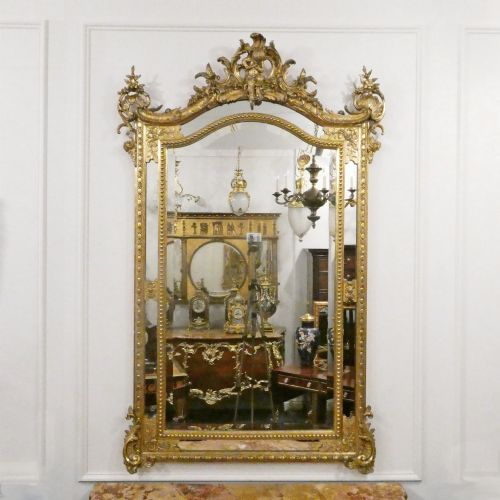
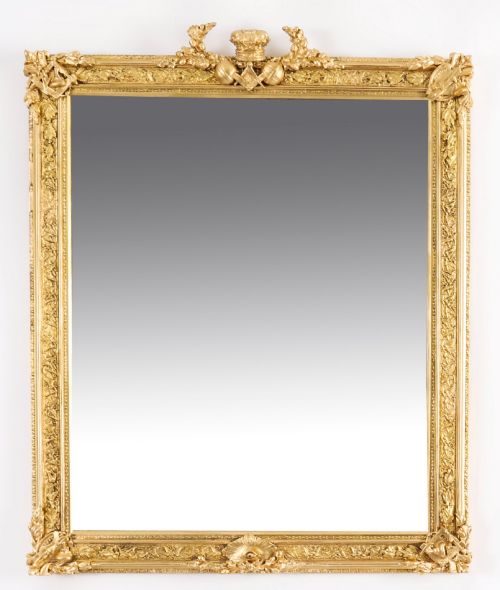
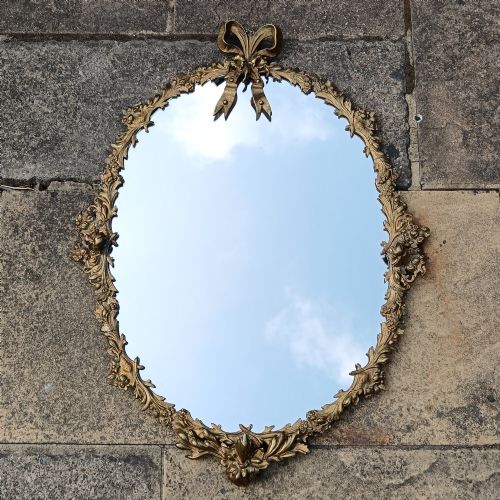
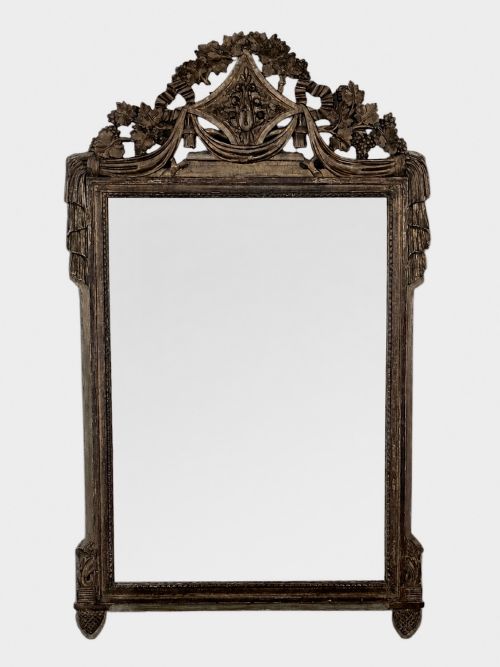


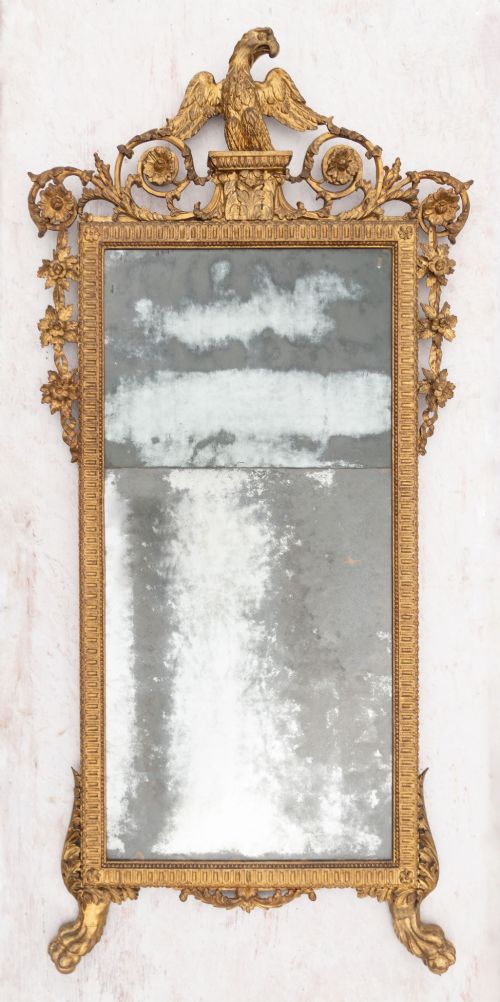
Neoclassical Gilt Wall Mirror
These neoclassical gilt wall mirror pieces bring architectural elegance and gleaming light to a room, offering the refined proportions collectors seek.
Neoclassical gilt wall mirror forms and periods
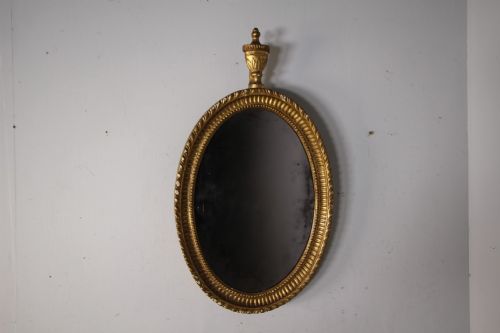
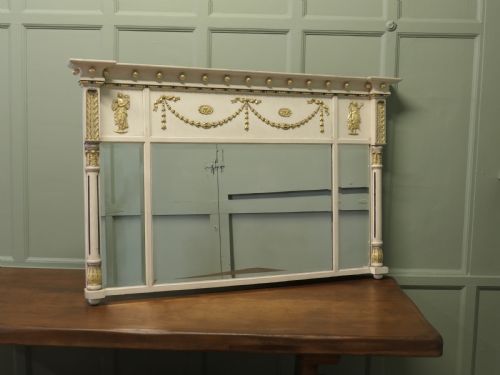
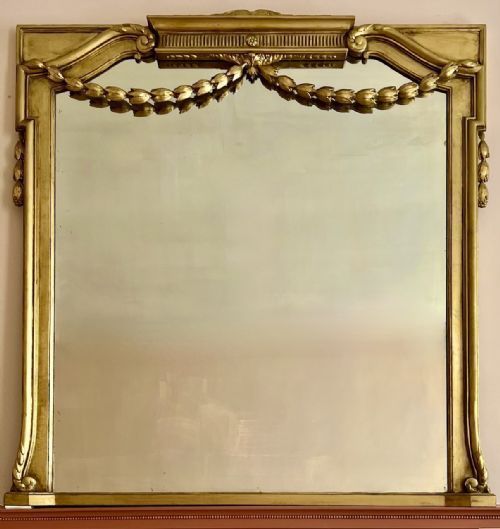
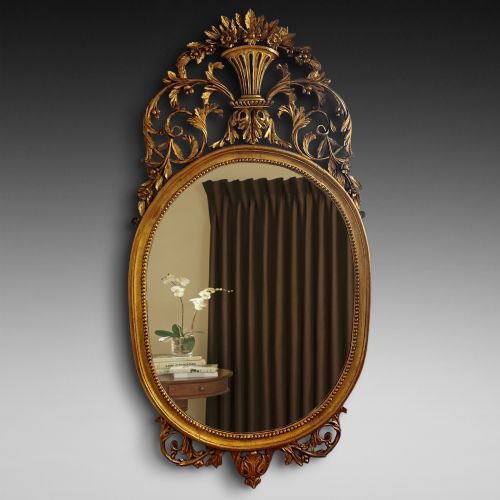
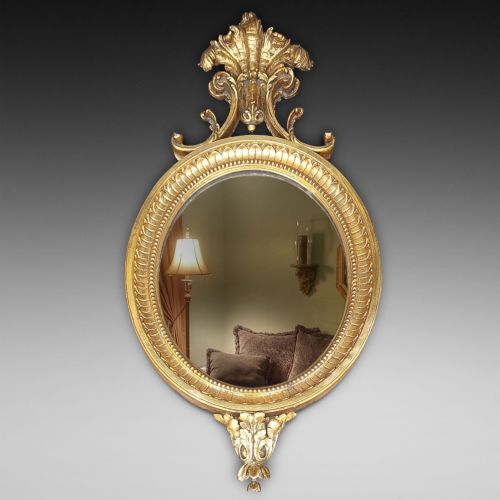
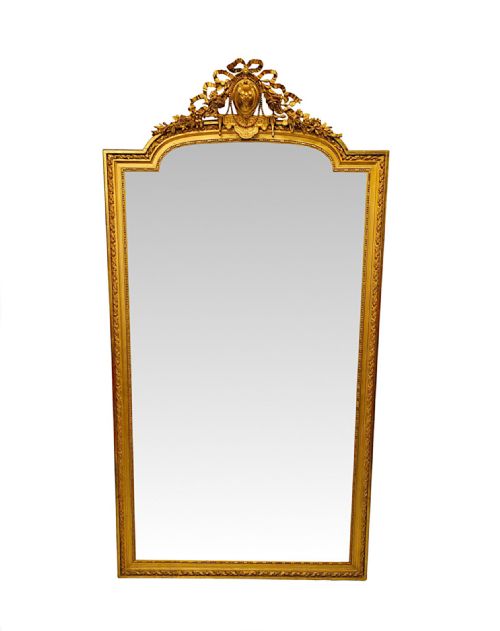
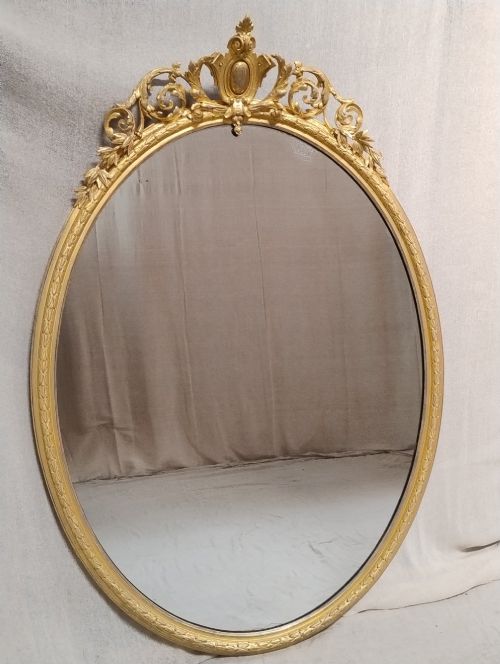
A neoclassical gilt wall mirror draws upon classical antiquity, appearing across Georgian, Regency, and Victorian eras alongside revival phases. Collectors encounter George III pier mirrors, Victorian overmantel pieces, and oval hanging formats.
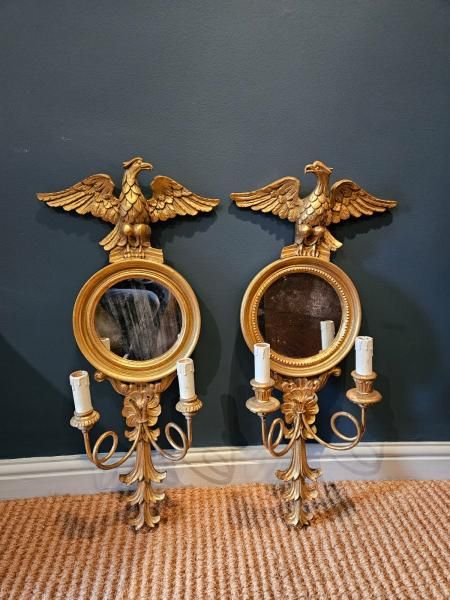
The evidence shows diverse stylistic expressions ranging from Adam Revival to Louis XVI Revival and Art Deco metal frames. Wall mirrors and overmantel mirrors dominate the forms available on the market.
Origins span British workshops as well as French parcel-gilt examples recorded in the archive. Each period imprints its specific interpretation of classical motifs onto the gilt surface.
Materials and construction methods
Craftsmen built these frames utilising timber, gesso, and composition ornamentation before applying layers of gold leaf to create the characteristic gilt finish. Giltwood, gilt metal, and brass provide the structural and decorative foundation.
Reflecting surfaces consist of traditional glass plates set within moulded frames. Artisans combined carved wood with moulded composition details to achieve intricate classical ornamentation.
Retail Price Guide 2026
Typical UK retail prices for neoclassical gilt wall mirror, calculated from the Sellingantiques database of over a million retail prices indexed since 2003. This retail price guide relies exclusively on Sellingantiques data; no external sources or auction records are used, so the figures do not describe the wider market.
The documented object types encompass both vertical wall mirrors and horizontal overmantel mirrors in various revival styles.
Distinctions in craftsmanship and finish
The division between standard examples and superior pieces rests in the crispness of the gesso and composition ornament. Finer frames display sharply defined classical motifs rather than softened or worn details.
The quality of the gilding and the depth of the underlying carved giltwood separate exceptional items from simpler metal or composition variations. Original mercury glass or well-preserved silvering further distinguishes the upper tier.
The Neoclassical Gilt Wall Mirror Glossary
- Giltwood
- Timber that has been coated with gold leaf. This material forms the primary structure of many fine antique mirrors.
- Gesso
- A plaster-like mixture applied to wood frames as a base for gilding and moulding. It allows artisans to carve or press intricate classical details.
- Composition
- A moulded mixture of whiting, resin, and oil used for decorative reliefs. It became a popular substitute for hand-carved wood in later periods.
- Pier mirror
- A tall mirror designed to hang on the wall between two windows. These pieces often feature specific George III or revival styling.
- Overmantel mirror
- A wide mirror intended for placement above a fireplace mantel. Victorian examples often utilise this specific horizontal format.
Frequently Asked Questions
Where should I hang a neoclassical gilt wall mirror?
These mirrors suit principal reception rooms, hallways, and above fireplaces where their reflective qualities enhance natural light. Their classical proportions anchor decorative schemes effectively.
Ensure the wall construction supports the weight of giltwood and glass assemblies safely. Positioning them opposite windows maximises the illumination they bring into a space.
How do I identify a George III mirror?
George III pieces typically exhibit precise hand-carved giltwood details and formal classical symmetry. The construction methods reflect eighteenth-century cabinetmaking standards.
Examining the backboards and joining techniques helps confirm the period origin. The quality of the gesso application also points toward eighteenth-century workshop practices.
What is the difference between giltwood and gilt metal?
Giltwood consists of wood coated in gold leaf, offering warmth and depth through traditional craftsmanship. Gilt metal and brass utilise metallic substrates for the frame.
Metal frames often appear in later 19th-century and 1930s contexts, such as Art Deco designs. Each material imparts a distinct visual weight to the wall hanging.
How do revival styles differ from original periods?
Revival pieces, such as Adam Revival or Louis XVI Revival items from the late nineteenth century, reinterpret earlier classical aesthetics. They often employ composition ornamentation alongside traditional gesso.
Original Georgian pieces display period-specific construction and hand-carving techniques. Comparing the moulding composition and wood ageing clarifies the distinction.