


Neoclassical Gilded Mirror
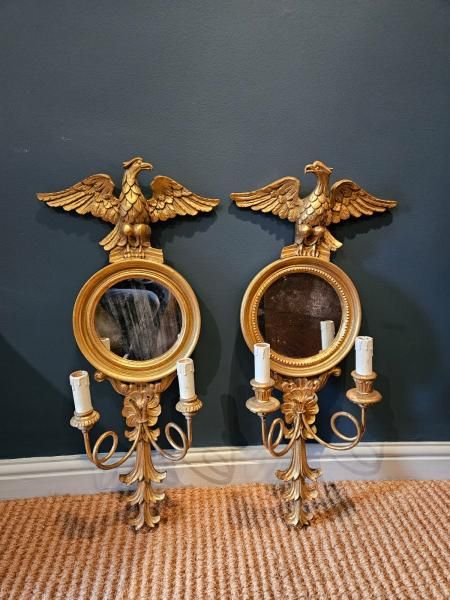
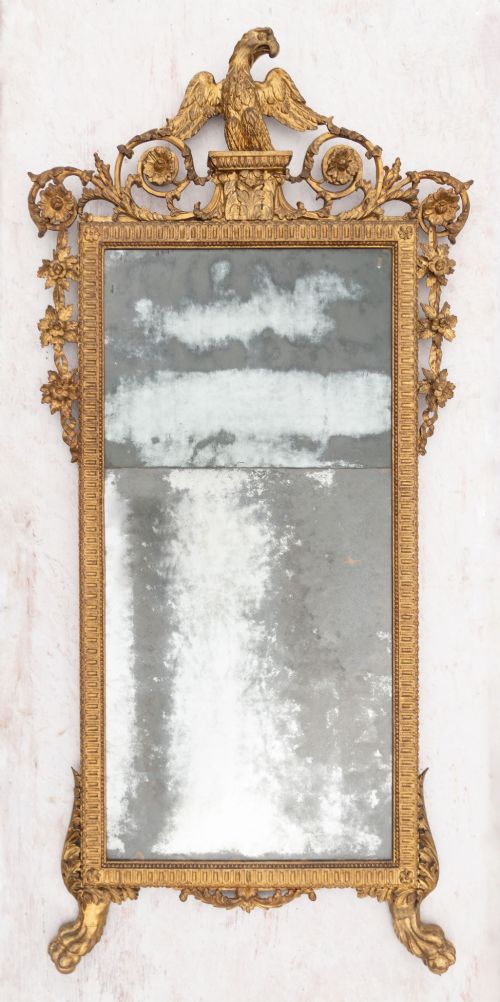
These neoclassical gilded mirror examples bring classical symmetry and luminous reflection into a room, drawing the eye with crisp architectural ornament.
Neoclassical Gilded Mirror
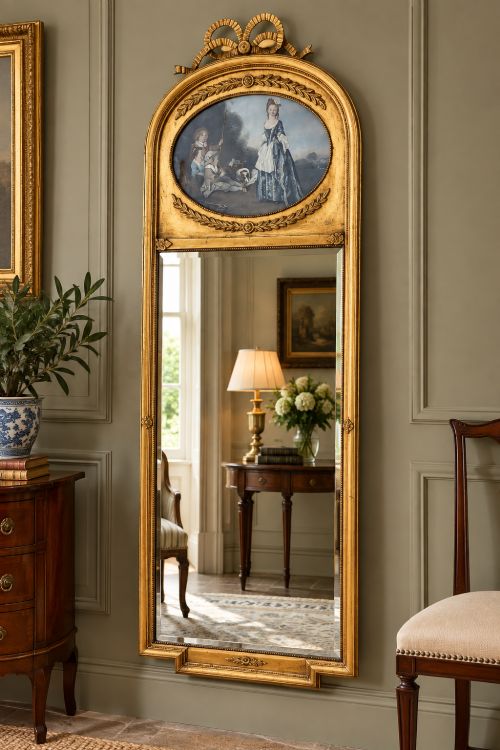
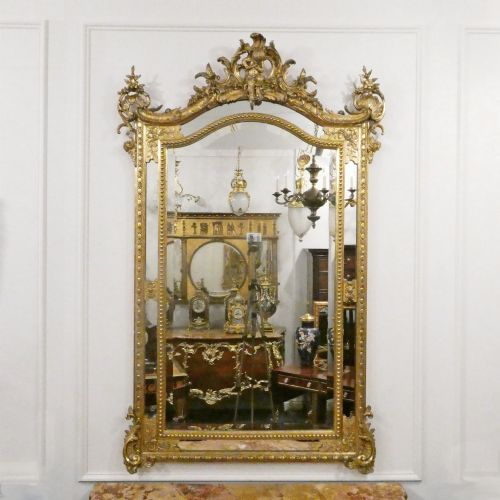
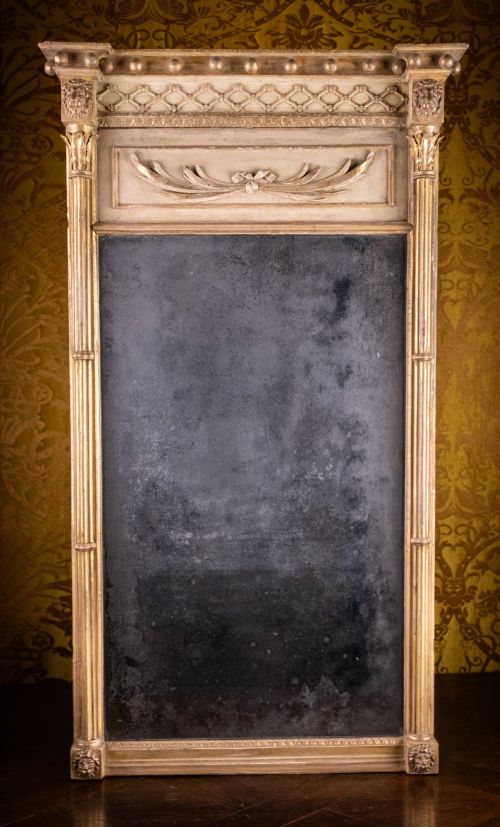
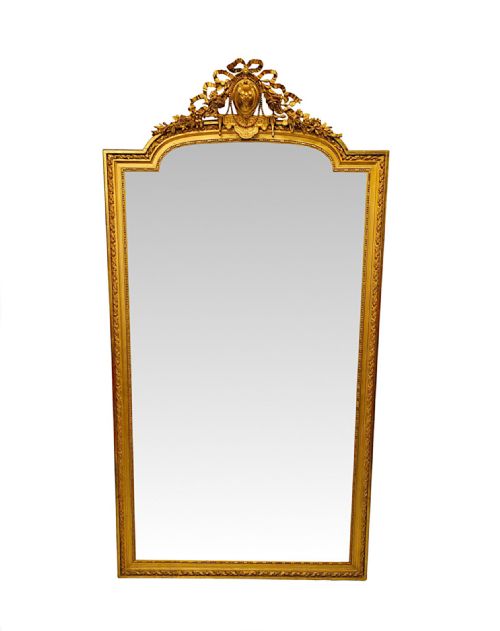
When you search for a neoclassical gilded mirror, you encounter wall, pier, and overmantel formats shaped by Georgian, Regency, and Louis XVI design principles. These pieces originate from English, French, and Italian workshops, taking the form of tall vertical plates designed for piers or wide horizontal frames intended for mantelpieces.
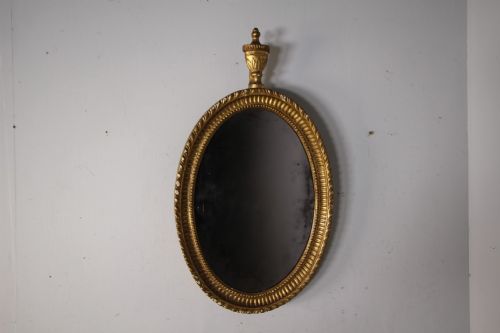
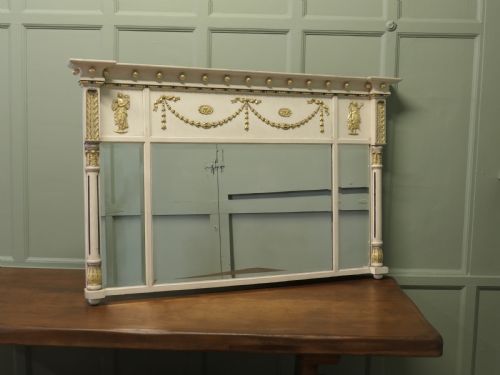
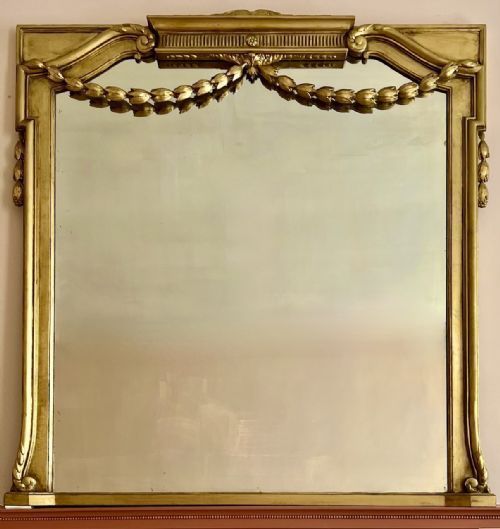
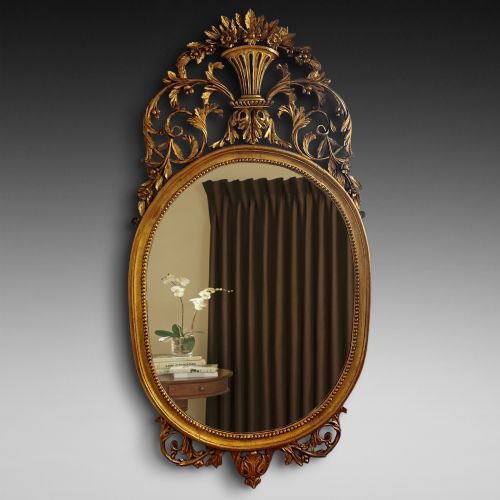
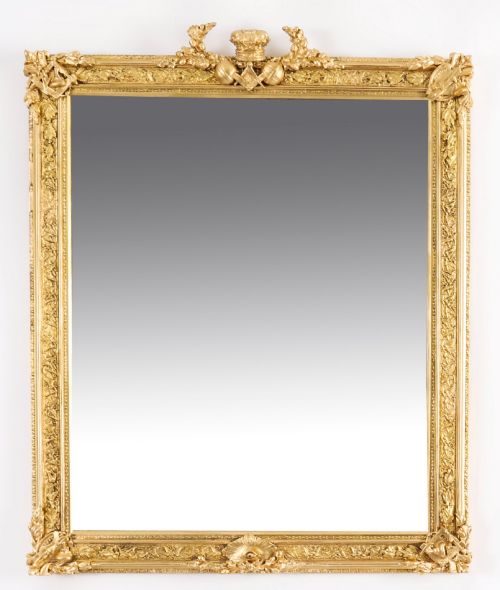
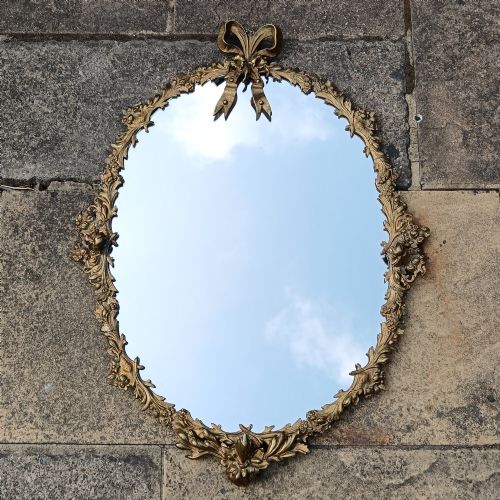
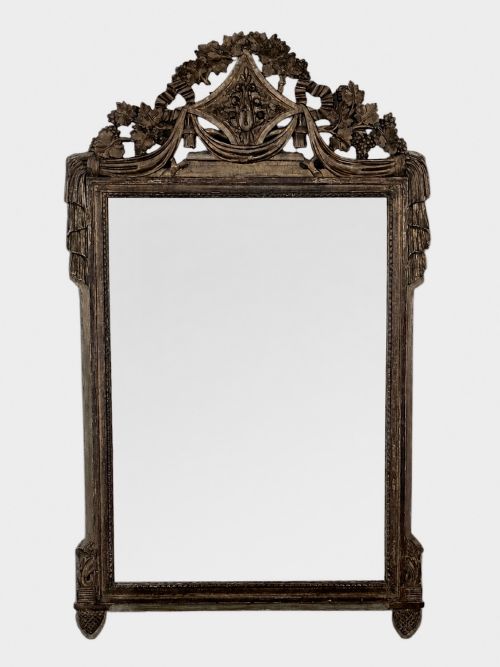
The selection on this page leans heavily toward nineteenth-century interpretations of eighteenth-century styles, alongside genuine eighteenth-century antiques. You will find oval wall mirrors adorned with urns and swags, alongside substantial overmantel mirrors incorporating classical motifs such as lion masks and crisp leaf tips.
Materials and construction techniques
Maker construction relies heavily on carved timber frames prepared with layers of gesso before the application of gold leaf or paint. Composition ornament, a mouldable mixture of whiting, resin, and glue, is frequently pressed and applied to wooden foundations to build up repetitive classical swags and bead reels.
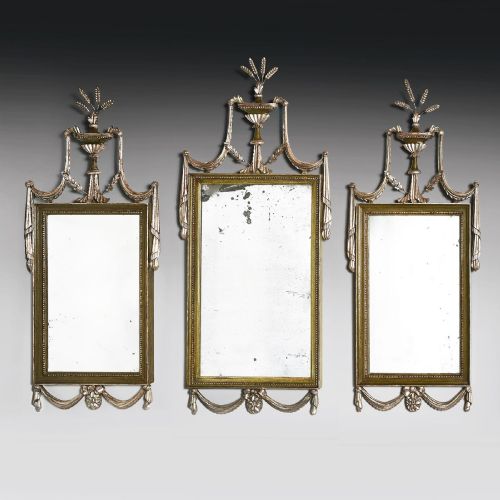
Mirror plates within these frames range from early mercury glass to later silvered mirror glass, occasionally supplied in triple plate configurations or with bevelled edges. Frames are assembled with traditional joinery, supporting heavy glass plates safely within gilded mouldings.
Evaluating the standard of workmanship
The distinction between ordinary and superior examples lies in the crispness of the hand-carved elements and the depth of the gilding. Master craftsmen achieved sharp relief in gesso and wood, whereas lower-quality pieces rely on heavy, rounded composition ornaments that obscure fine detail.
Originality of components also dictates standing, particularly the retention of original mercury or early silvered glass plates and backboards. Frames that retain their initial gilding without excessive over-painting display the intended brilliance of the period.
Gillows Of Lancaster
The Neoclassical Gilded Mirror Glossary
- Giltwood
- Timber, typically pine or oak, covered with gold leaf applied over a prepared gesso ground. This technique creates a rich, warm metallic surface that ages with a soft patina.
- Gesso
- A dense plaster mixture of chalk and glue applied to wood frames to create a smooth surface for gilding or to receive moulded composition details. It allows for intricate low-relief ornamentation.
- Overmantel mirror
- A wide horizontal looking glass designed specifically to hang above a fireplace mantel. These pieces often incorporate landscape proportions and architectural pediments.
- Pier mirror
- A tall, narrow looking glass built to hang on the wall space between two windows. They reflect additional light back into the centre of a room.
- Composition
- A mouldable paste made from whiting, linseed oil, resin, and glue used to press decorative ornaments. It hardens rapidly and is fixed directly to the wooden frame before gilding.
Neoclassical Gilded Mirror: Frequently Asked Questions
Where should I hang an overmantel mirror?
These wide horizontal mirrors sit naturally above a fireplace mantelpiece to anchor the room's focal point. Their scale allows them to reflect light across the entire floor space.
Ensure the wall fixings engage securely with the structural studs or masonry to support the considerable weight of the wooden frame and glass.
How do I identify a Regency style mirror?
Regency pieces often display robust classical motifs such as lion masks, ebonised details, and architectural cornices. The frames favor bold geometric lines inspired by ancient Greek and Roman designs.
Look for convex or flat rectangular plates housed within heavy moulded frames carrying bright gilt surfaces.
What is the difference between pier and wall mirrors?
Pier mirrors are specifically proportioned to fit the narrow wall space situated between two windows. Their tall, vertical format maximises the available natural light in historical rooms.
Standard wall mirrors are built in varied dimensions without the specific architectural constraint of hanging between window openings.
How do I care for antique giltwood?
Dust the gilded surfaces gently using a dry, soft feather duster or a clean, dry artist brush. Avoid liquid cleaning solutions, as moisture damages the delicate gesso and gold leaf.
Keep the mirrors away from direct, strong sunlight and fluctuating humidity levels to protect the wooden structure and prevent the gesso from lifting.