
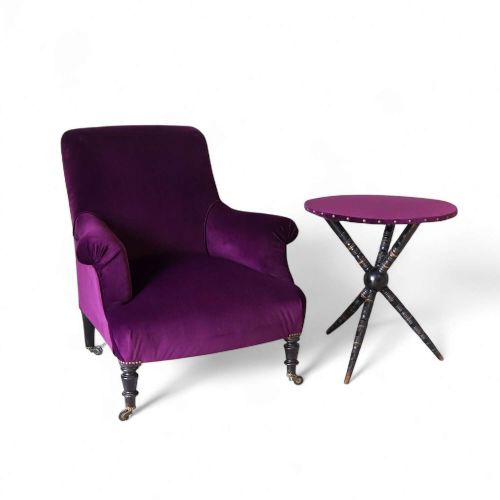
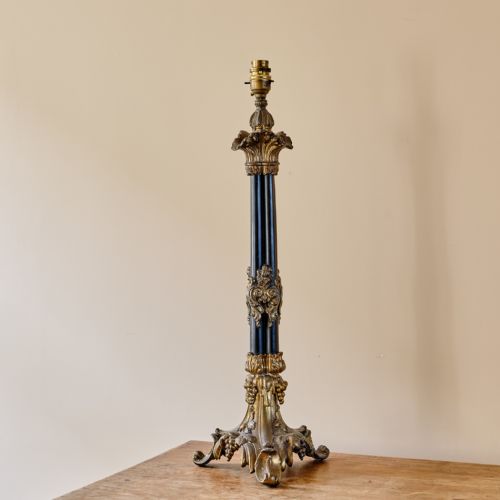


Napoleon III Side Table
When you search for a napoleon iii side table, you encounter nineteenth-century French tables designed for display, sewing, and writing.
Napoleon III Side Table
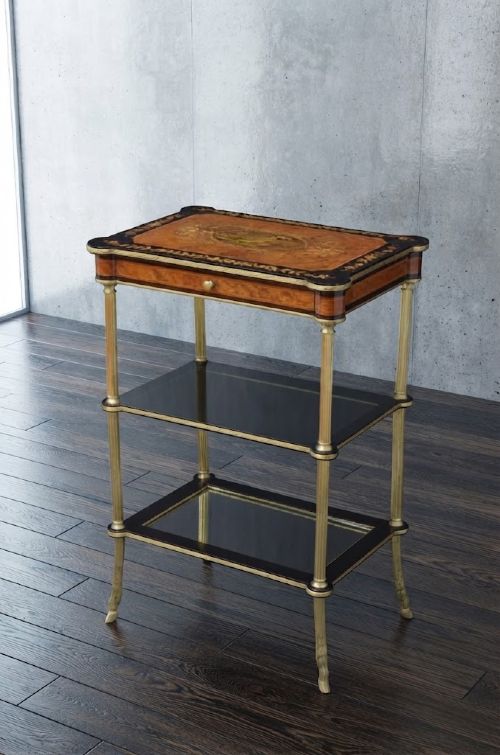
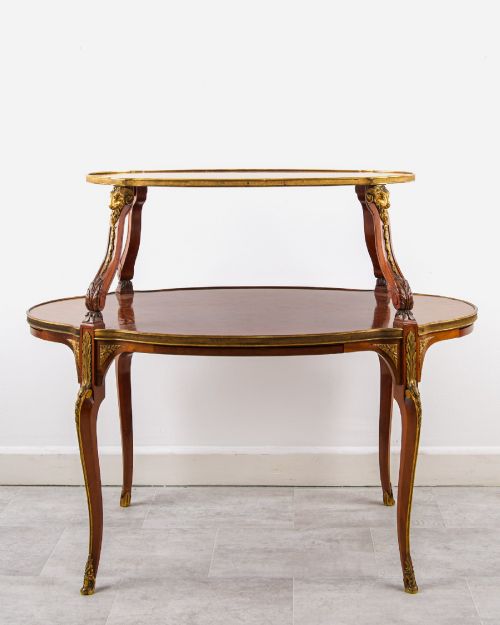
The version most frequently met on this page is the inlaid occasional or side table, often constructed in rosewood, walnut, or ebonised wood. These pieces frequently incorporate brass, mother-of-pearl, or exotic wood marquetry alongside gilt bronze or ormolu mounts. Multi-tiered etageres and sewing tables with fitted interiors also appear with regularity.
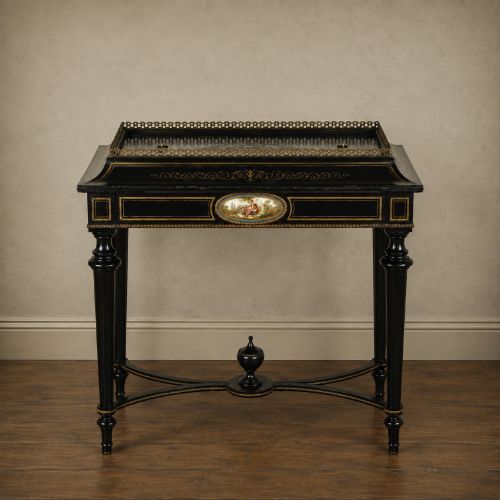
Beyond standard side tables, related forms such as bureau plats, card tables, and occasional tables with porcelain plaques surface in the inventory. Makers from the period occasionally utilised faux bamboo or incorporated onyx tops into these designs. The overarching characteristic remains their freestanding versatility and ornamental character.
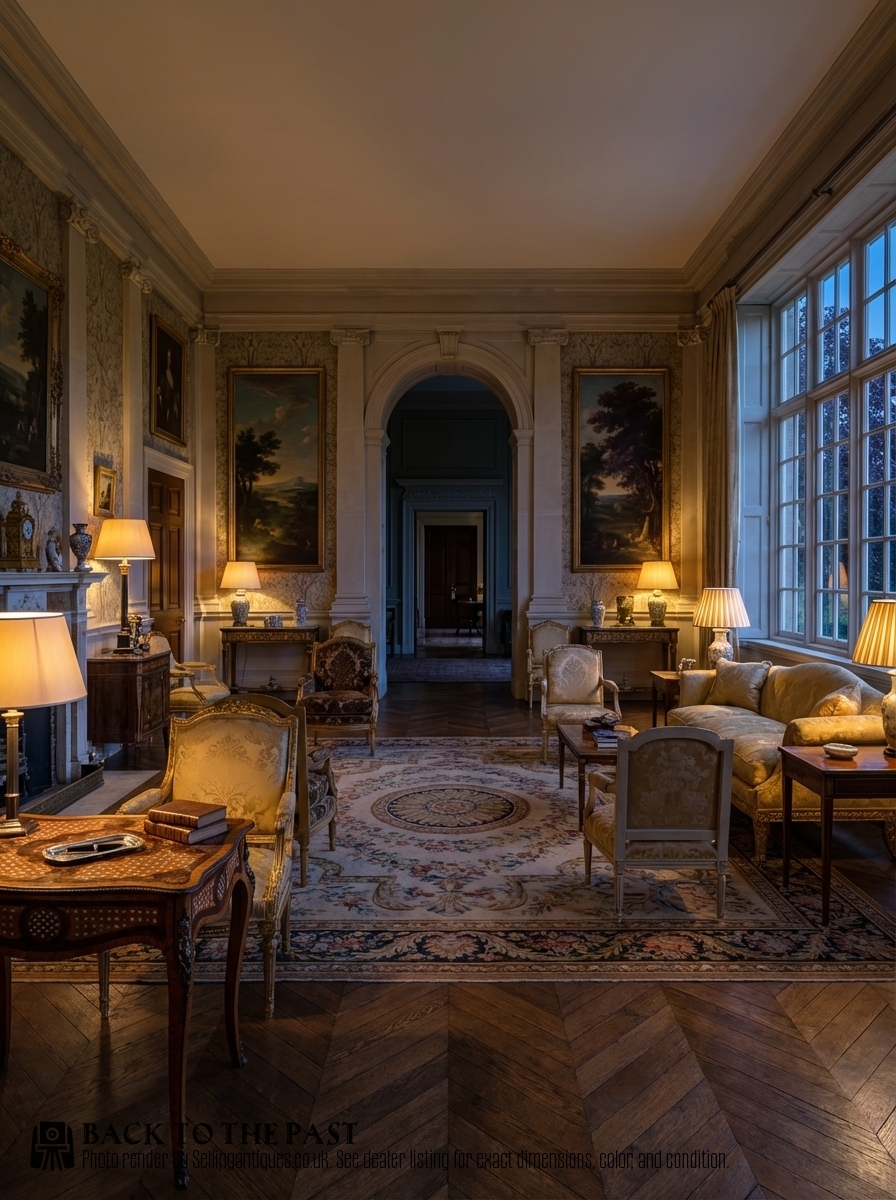
Materials and Construction
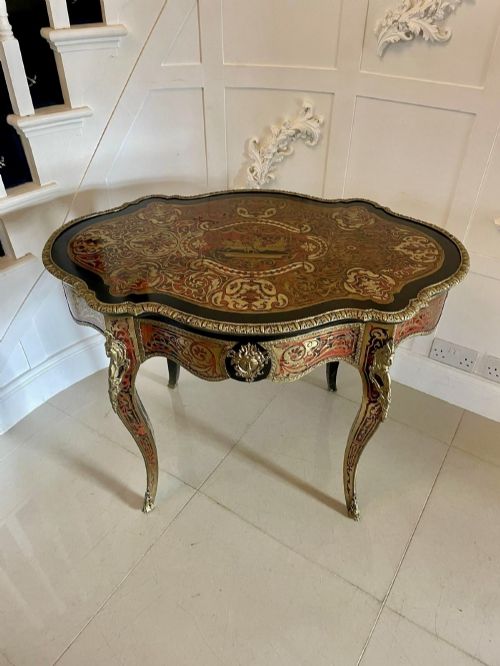
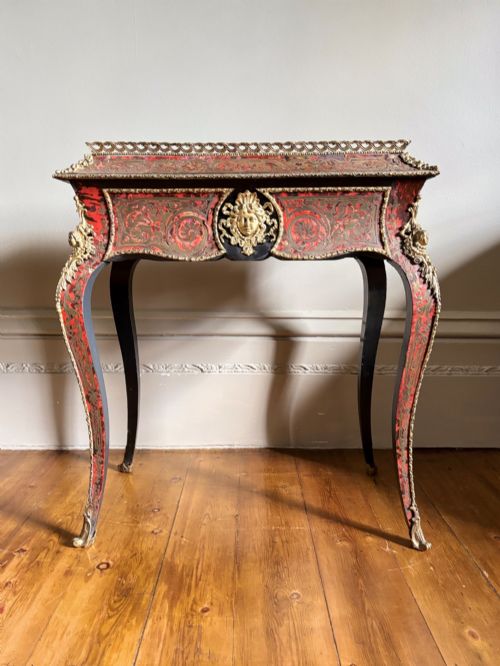
Cabinetmakers of the period relied on a foundation of solid woods like walnut, mahogany, and ebonised timber, overlaid with choice veneers including kingwood, rosewood, amboyna, and plum pudding mahogany. Marquetry and parquetry patterns were meticulously cut and fitted into the surfaces, often complemented by intricate brass and tortoiseshell boullework or mother-of-pearl detail.
Metalwork played a defining role in the construction, utilising cast ormolu, gilt bronze, and brass mounts, edgings, and gallery rails to accentuate the structural lines. Porcelain plaques, sometimes in the style of Sevres, were integrated into tabletops and jardiniere stands alongside mirrored tiers and inset marble tops.
Napoleon III Side Table Retail Price Guide 2026
Typical asking prices for napoleon iii side table among the pieces listed under this phrase on Sellingantiques today, from the lower quarter to the upper quarter. They describe what is for sale here now, not the wider market.
The furniture forms span from multi-tiered etageres and jardiniere stands to bureau plats, reflecting diverse nineteenth-century domestic requirements.
Distinctions in Execution
The refinement of the marquetry and the precision of the brass inlay set pieces apart, distinguishing fluid, hand-cut floral and geometric patterns from simpler, coarser implementations. The weight, crispness, and detail of the ormolu mounts also indicate the level of craftsmanship invested in the table.
Material selection dictates the upper tier of the range, with choice exotic timbers, genuine Sevres-style porcelain plaques, and complex multi-tiered etagere forms commanding attention. The structural integrity of the carcase and the retention of original mounts further separate standard production items from exceptional workshop examples.
Maison Millet·A. Beurdeley
The Napoleon III Side Table Glossary
- Ormolu
- Gilded bronze mounts and decorative elements applied to furniture. This technique was widely utilised during the nineteenth century to highlight structural contours and corners.
- Etagere
- A set of open shelves or tiered tables used for displaying ornaments or small objects. These pieces often feature mirrored backs or delicate brass gallery rails.
- Boulle
- A style of marquetry consisting of brass and tortoiseshell inlay, named after a royal cabinetmaker. It creates a contrasting metallic and dark surface pattern.
- Bureau Plat
- A freestanding writing table fitted with drawers across the frieze. These tables typically feature finished backs and decorative ormolu mounts.
- Jardiniere
- A stand or decorative receptacle designed to hold plants or flowers. In this period, they frequently incorporated waterproof liners and porcelain plaque inserts.
- Marquetry
- The art of applying pieces of veneer to a structure to form decorative patterns and pictures. Craftsmen used various tinted and exotic woods to achieve tonal depth.
Napoleon III Side Table: Frequently Asked Questions
What is a napoleon iii side table used for?
These tables served multiple domestic functions in nineteenth-century drawing rooms and boudoirs. They acted as surfaces for lamps, display points for ornaments, and practical desks or sewing stations.
Many designs included fitted compartments for needlework, folding leaves, or multiple tiers for books and small objects. Their freestanding nature allowed them to be moved easily around the room to suit the occasion.
How do I identify a napoleon iii side table?
Key identifiers include nineteenth-century French construction methods, characteristic revival styles like Louis XV or Second Empire, and rich surface treatments. Look for ebonised wood, elaborate marquetry, and ormolu mounts.
Common forms involve multi-tiered etageres, writing desks, and tables inlaid with brass or mother-of-pearl. The presence of painted porcelain plaques or faux bamboo elements also points directly to this era.
Are these tables sturdy enough for daily use?
While built by skilled cabinetmakers using robust hardwoods, many of these tables incorporate delicate veneers, brass inlay, and intricate ormolu mounts. They require gentle handling rather than heavy domestic service.
Using coasters for drinks and avoiding placement in direct sunlight or fluctuating humidity preserves the polished finishes and delicate marquetry. Treating them as decorative accent pieces ensures their longevity.
How do I care for ebonised and polished wood surfaces?
Ebonised wood and polished veneers benefit from regular dusting with a soft, dry cloth. Avoid commercial silicone polishes, which can build up and dull the finish over time.
Occasional application of high-quality beeswax nourishes the timber and protects the French polish. Care must be taken around brass inlays and ormolu mounts to prevent moisture accumulation.