


Metal Fireplace Irons
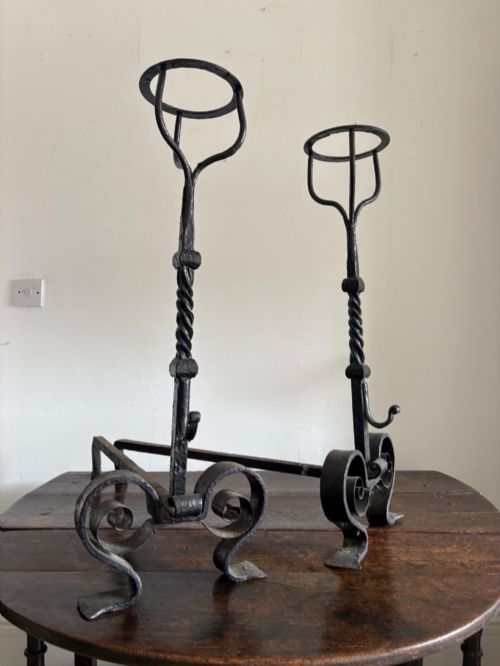
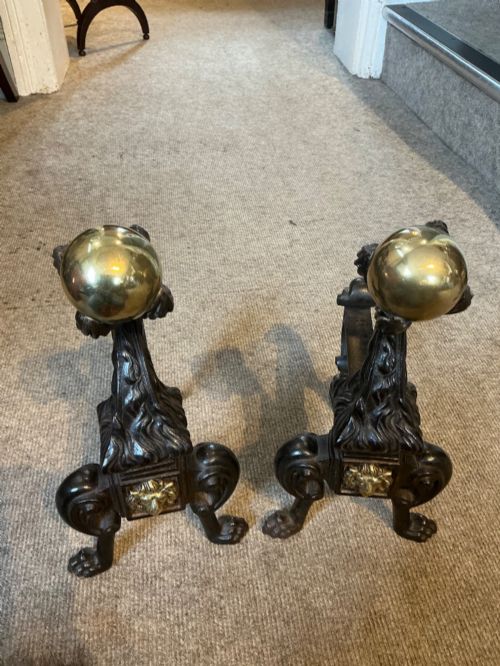
Metal fireplace irons anchor the hearth with functional utility and period design, ranging from sturdy wrought iron andirons to polished steel tool sets.
Metal Fireplace Irons
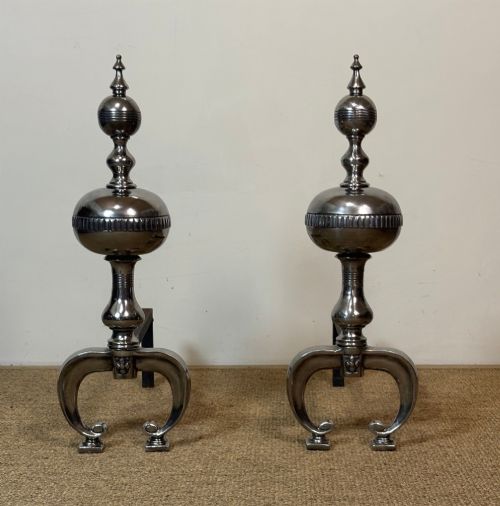
Metal fireplace irons encompass a diverse array of hearth accessories, with andirons, fire dogs, and companion tool sets forming the core of what collectors encounter. These pieces range from substantial nineteenth century wrought iron designs to delicate Georgian steel pokers and tongs.
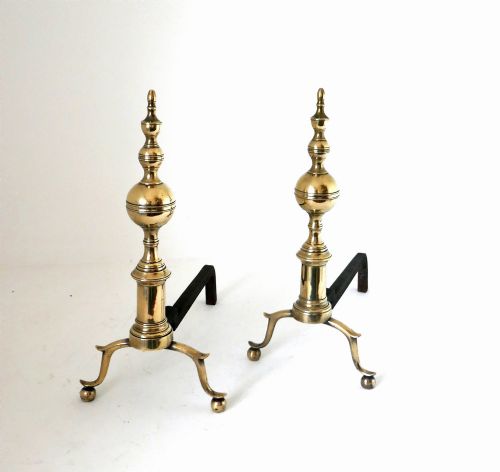
Originating from British, French, and American workshops, these utilitarian objects double as sculptural elements for the fireplace. Whether seeking a matching set of nineteenth century steel fire irons or a pair of heavy brass firedogs, each item reflects the heating technology and metalworking skills of its period.
Materials and methods
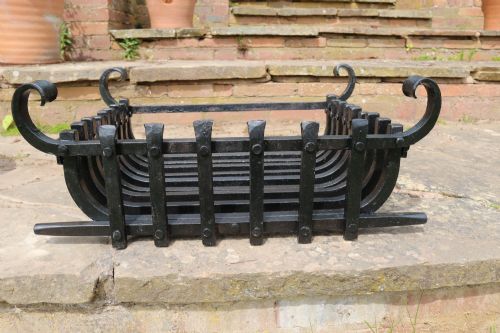
Blacksmiths and founders shaped these hearth pieces using traditional metalworking techniques, combining forged wrought iron with cast components and applied brass or copper elements. Wrought iron provided the tensile strength needed for heavy andirons and fire baskets, while brass and polished steel offered decorative contrast.
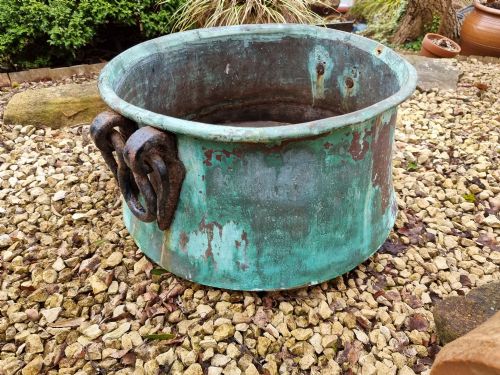
Surface finishes range from natural verdigris on copper log bins to polished steel and painted iron on companion sets. Riveting, hand-beating, and ironwork scrolling define the construction methods seen across Arts and Crafts, Gothic Revival, and Victorian pieces.
Listings feature metal fireplace irons spanning the 18th, 19th, and early 20th centuries, utilising wrought iron, brass, copper, steel, and cast iron.
Assessing quality and character
Quality in metal fireplace irons reveals itself in the weight of the metal, the integrity of the joins, and the crispness of any applied ornamentation. Heavier gauge steel, substantial brass castings, and hand-forged details separate superior hearth pieces from lighter, mass-produced alternatives.
Proportion and balance also dictate distinction, particularly in matched pairs of andirons and complete sets of fire tools. Pieces retaining their original surface patination and uncompromised structural integrity command greater appreciation among collectors of period metalwork.
John Linwood of Birmingham
The Metal Fireplace Irons Glossary
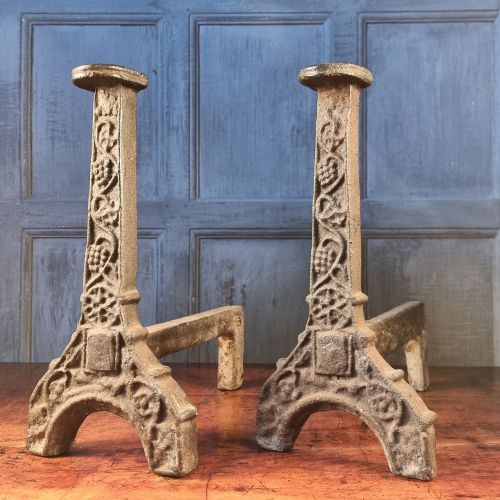
- Andirons
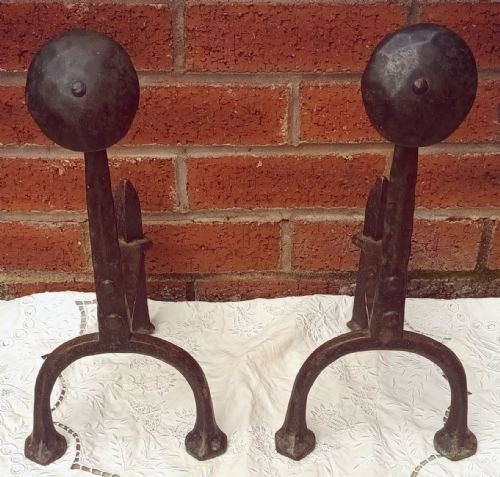
- Supports used in a fireplace to hold logs above the hearth floor for better air circulation. They typically feature an upright decorative front and horizontal bars behind.
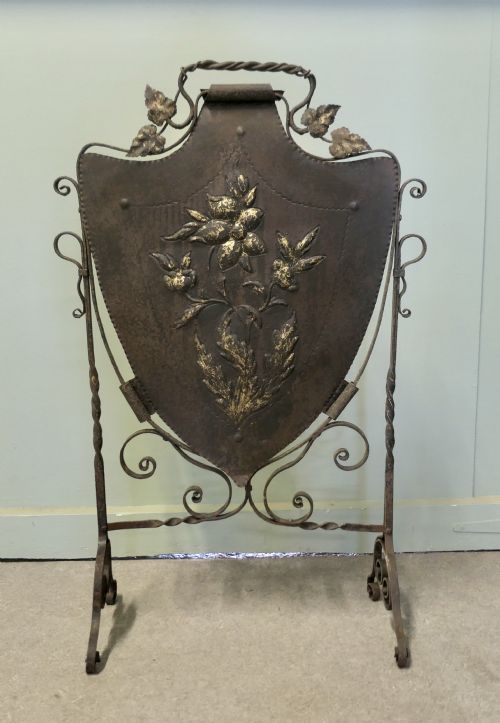
- Fire screen
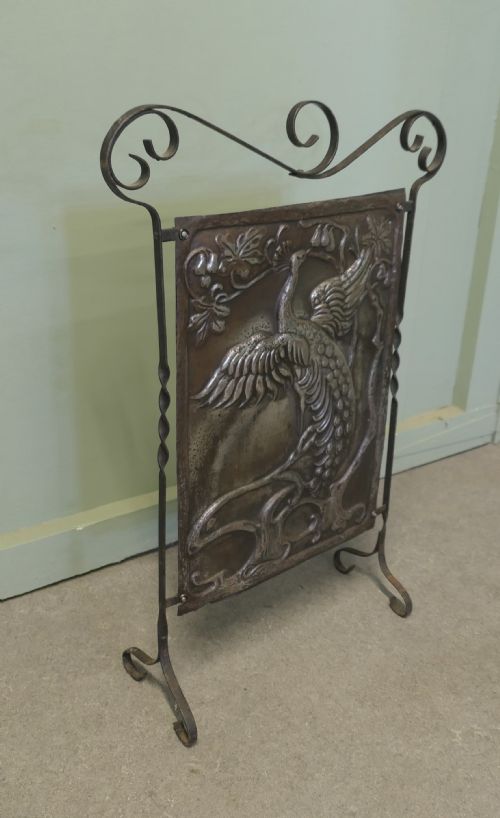
- A decorative barrier placed in front of an unlit fireplace to conceal the hearth or block drafts. They often incorporate hammered copper panels or iron frames.
- Fender
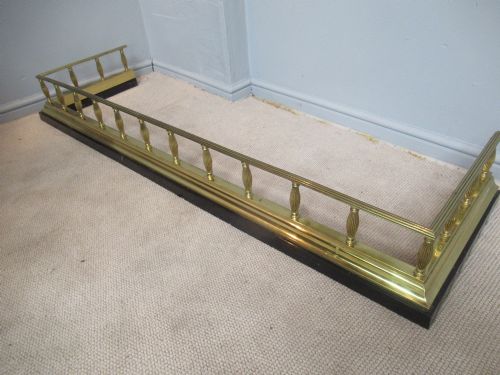
- A low metal guard placed around the hearth opening to contain sparks and ash. Victorian and Georgian versions frequently combine brass rails with cast iron bases.
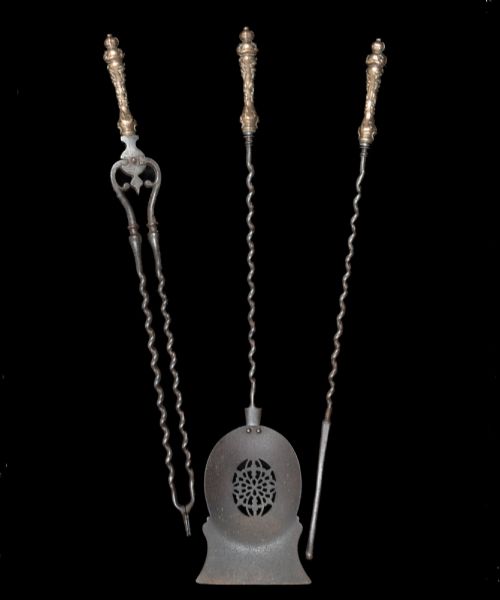
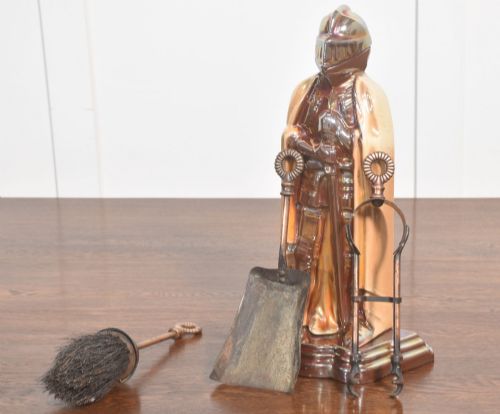
- Companion set
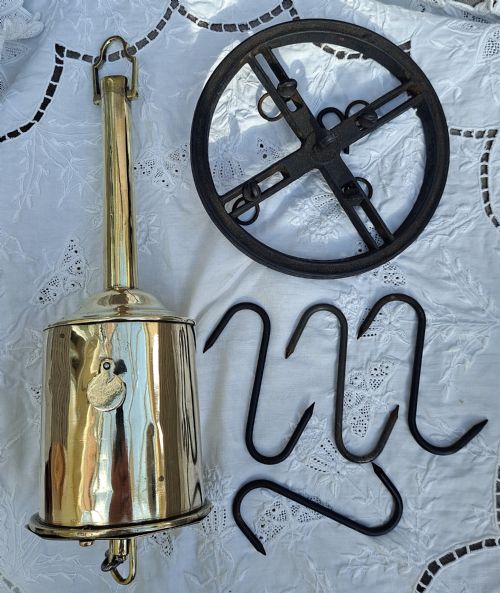
- A matched collection of fireplace tools, such as pokers, tongs, and shovels, usually suspended from a dedicated stand or companion frame.
Metal Fireplace Irons: Frequently Asked Questions
How do I clean antique brass and iron?
Maintenance depends on the specific metal and desired finish, keeping patination intact where appropriate. Light dusting and occasional microcrystalline wax application protect iron surfaces without stripping age.
For brass elements, gentle cleaning removes active tarnish while preserving the historic character built up over centuries. Avoid harsh chemical dips that strip the underlying metal of its natural colour.
Are these fireplace irons still usable?
Many solid iron and steel fire irons remain entirely functional for daily hearth use. Wrought iron andirons and steel pokers tolerate regular heat and weight when paired with an active fire.
Delicate decorative items or thin brass components, however, suit decorative placement rather than heavy use. Assessing the metal thickness and structural condition clarifies whether a piece belongs by an active fire or a display hearth.
How do I date a set of fire irons?
Dating relies on stylistic markers, manufacturing techniques, and material composition. Eighteenth century examples often feature hand-forged steel and simple Georgian turnings, while Victorian pieces incorporate more ornate cast iron and brass elements.
Arts and Crafts iterations from around nineteen hundred favor hand-beated copper and exposed riveting. Comparing construction methods against documented periods helps establish a reliable timeline.
What is the difference between andirons and firedogs?
The terms are frequently used interchangeably to describe the horizontal metal supports placed inside a fireplace. Historically, firedogs sometimes served a dual purpose for supporting spits alongside holding logs.
Both items feature a prominent vertical front leg designed to be seen when the hearth is empty. Regional preferences and period terminology usually determine which word appears on a listing.