



Vintage Hearth Supports
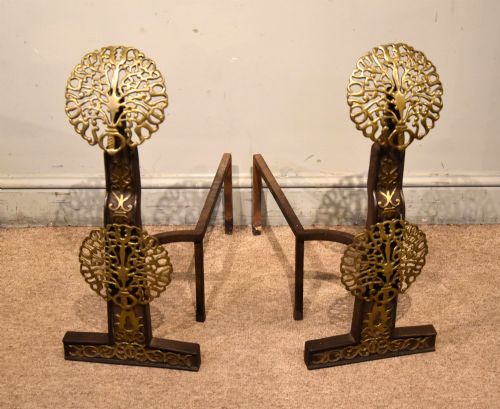
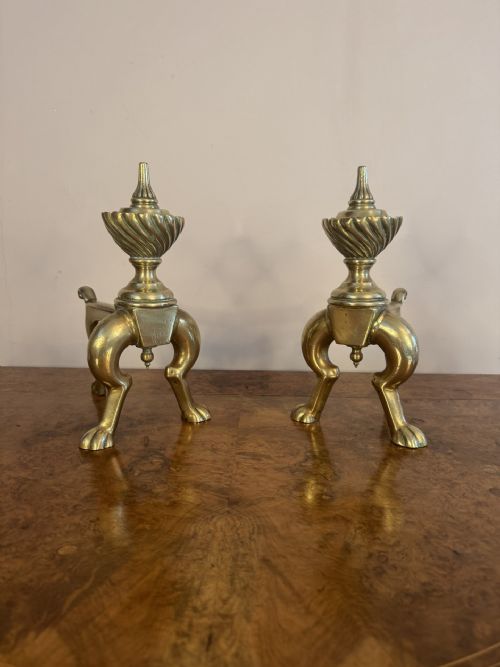
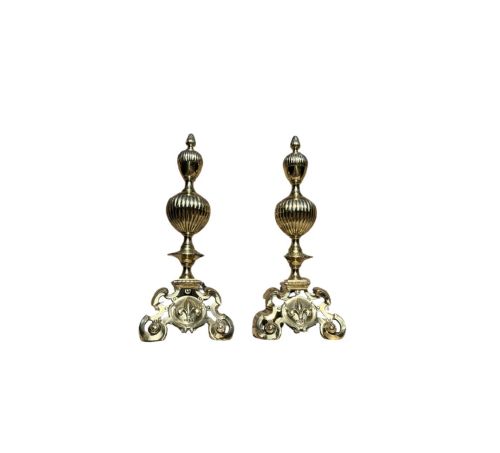
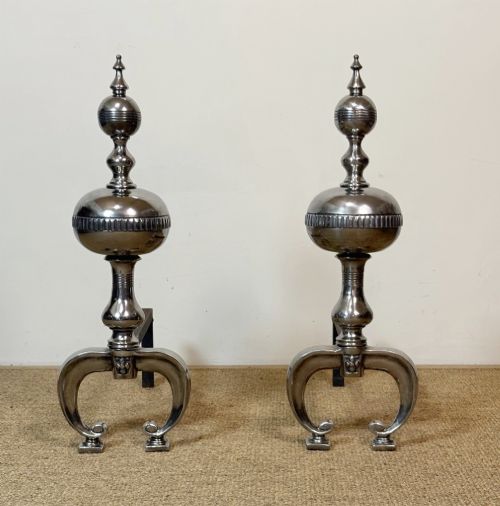
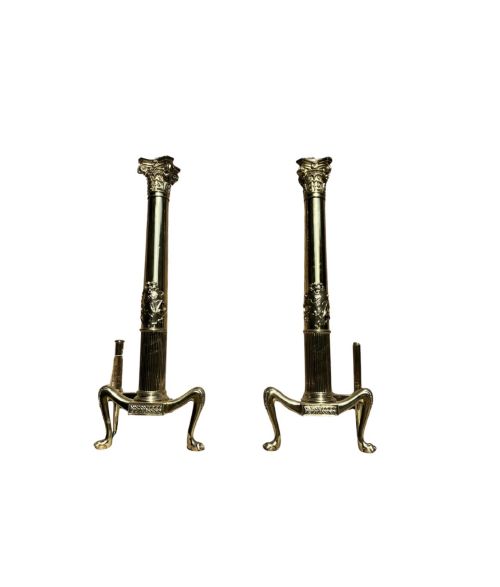
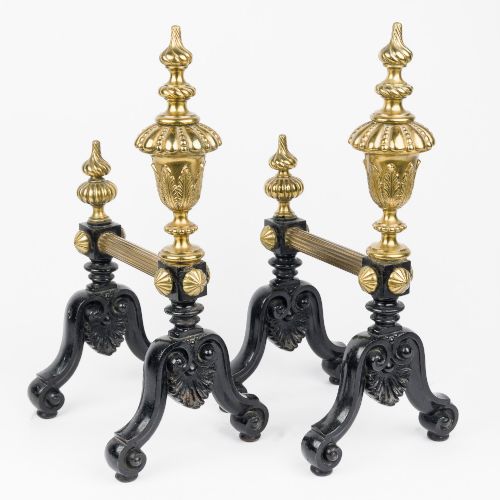
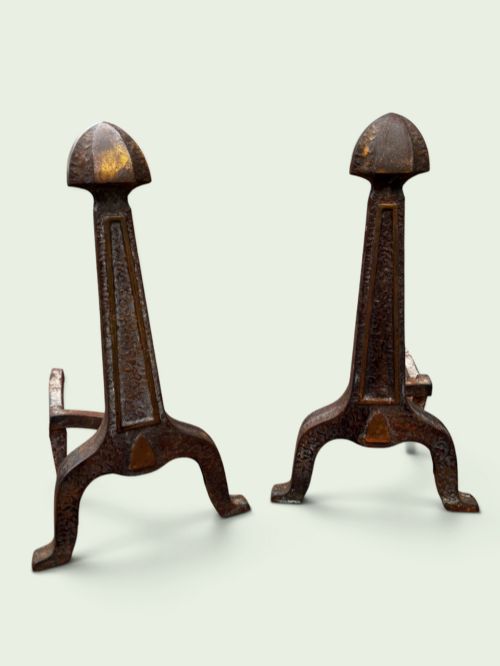
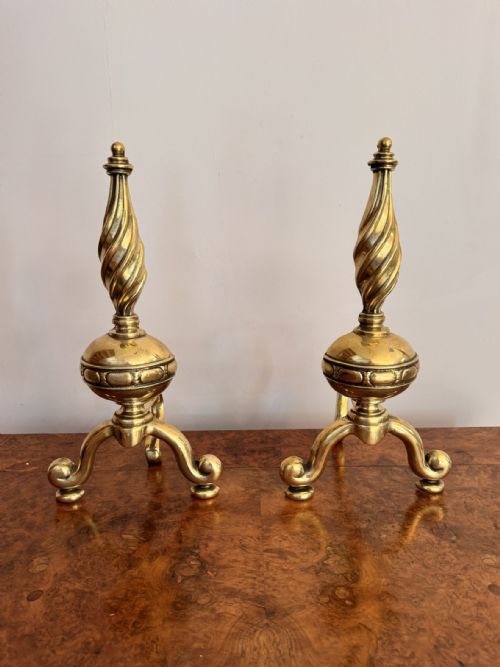
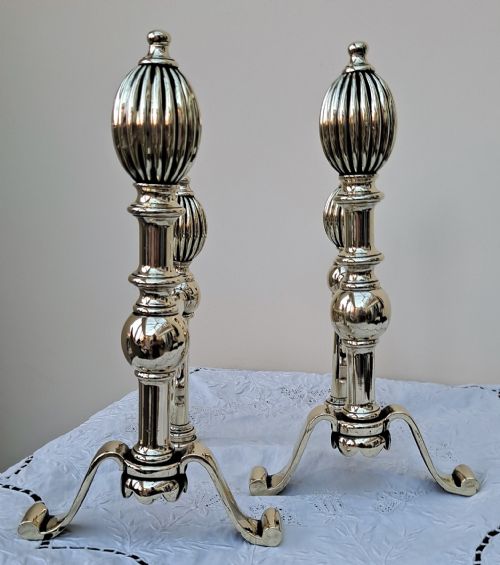
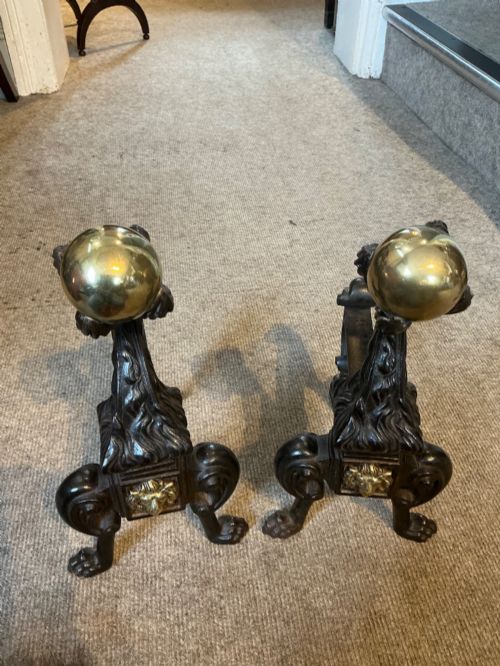
These vintage hearth supports hold logs above the hearth floor to let air circulate, bringing sculptural weight to an open fireplace.
Vintage Hearth Supports
Vintage hearth supports, more commonly known as andirons or firedogs, are practical iron and brass furnishings designed to support logs within an open fireplace. When you search for vintage hearth supports on this page, you encounter sturdy pairs intended to sit on the floor of the hearth.
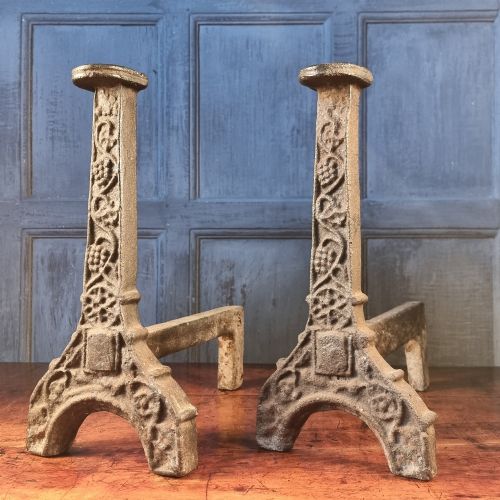
The selections span several centuries, reaching back as far as the sixteenth century with monumental cast iron examples, though the nineteenth century and the Victorian period dominate the current listings. You will find brass, wrought iron, and cast iron pairs designed to bear wood fuel securely.
Beyond basic pairs, the inventory encompasses related fireplace accessories such as fire irons, tool rests, trivets, stands, and bronze or ormolu mounted chenets. These objects combine utilitarian strength with the distinctive decorative styles of the Georgian, Regency, Gothic Revival, and Arts and Crafts movements.
Construction and Materials
Makers shaped these heavy fireplace pieces from durable metals including cast iron, wrought iron, steel, brass, solid brass, and copper, occasionally mounting them with bronze and ormolu. Artisans also worked with mahogany for specific accessory stands.
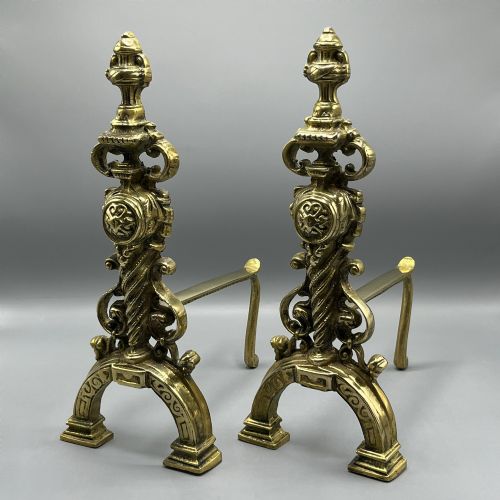
Techniques ranged from hand-forging wrought iron over an anvil to casting molten iron and brass in moulds. Elaborate Victorian pairs feature ornate brass castings paired with sturdy iron shafts to withstand intense hearth heat.
Vintage Hearth Supports Retail Price Guide 2026
Typical asking prices for vintage hearth supports among the pieces listed under this phrase on Sellingantiques today, from the lower quarter to the upper quarter. They describe what is for sale here now, not the wider market.
One remarkably specific nineteenth-century survivor is listed simply as an antique cat stand, designed to keep feline companions warm.
Quality and Craftsmanship
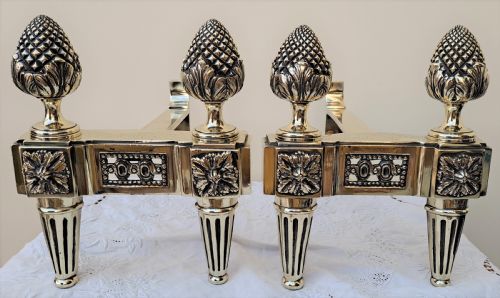
Quality reveals itself in the weight of the metal and the clarity of the casting or forging detail. Finer pairs display crisp ornamentation on the brass fronts and substantial, unyielding iron billets designed for heavy daily use.
The distinction between standard utility pairs and exceptional examples lies in the proportion, the depth of the decorative moulding, and the integrity of the joins between the upright standards and the horizontal log bars.
The Vintage Hearth Supports Glossary
- Andirons
- Iron or brass supports placed in a fireplace to hold burning logs. They typically consist of an upright decorative front and a horizontal bar behind.
- Chenets
- The French term for andirons, often applied to more decorative or ormolu-mounted pairs. These pieces frequently feature classical or Renaissance styling.
- Firedogs
- An alternative traditional name for andirons. They elevate firewood to permit proper airflow beneath the logs.
- Trivet
- A small metal stand placed near or on the hearth to hold kettles or cooking vessels near the fire. Some versions incorporate rests for fireside tools.
- Ormolu
- Finely ground high-carat gold applied to a bronze base. This technique appears on ornate nineteenth-century hearth supports.
Vintage Hearth Supports: Frequently Asked Questions
What do vintage hearth supports do?
These supports hold logs safely above the hearth floor inside an open fireplace. Elevating the wood allows air to circulate underneath, which helps the fire burn more efficiently.
They also serve a decorative purpose by framing the fireplace opening with polished brass or cast iron standards when no fire is lit.
How do I tell cast iron from wrought iron?
Cast iron is made by pouring molten metal into a mould, which allows for intricate surface details and textures. It tends to be heavier and more brittle.
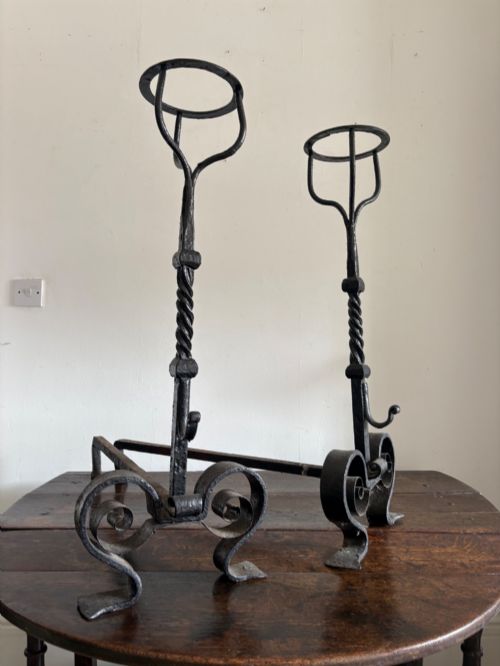
Wrought iron is heated and hammered by hand into shape, often showing subtle tool marks and a fibrous grain rather than cast ornamentation.
Can I use antique andirons in a working fireplace?
Many solid iron and brass pairs are robust enough to hold burning logs in a modern open hearth. You should check the weight and structural stability of the horizontal bars before regular use.
Finer ormolu or decorative bronze examples are often better suited for display rather than intense heat.
How do I date a pair of hearth supports?
Dating relies on the stylistic clues of the upright standards, such as Gothic Revival tracery, Regency brass reeding, or Victorian ornamentation. Material choices and manufacturing marks also help narrow the period of origin.
Comparing the casting sharpness and assembly methods provides further context for the decade or century of production.