





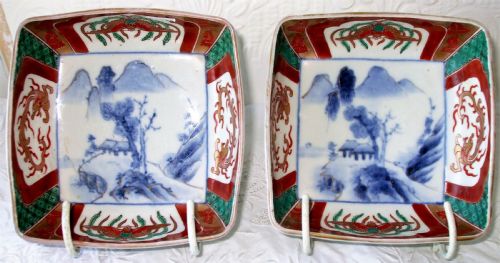

Meiji Period Porcelain Dish
A meiji period porcelain dish brings the distinct palette and hand-painted patterns of late nineteenth and early twentieth century Japan directly to a tabletop or wall.
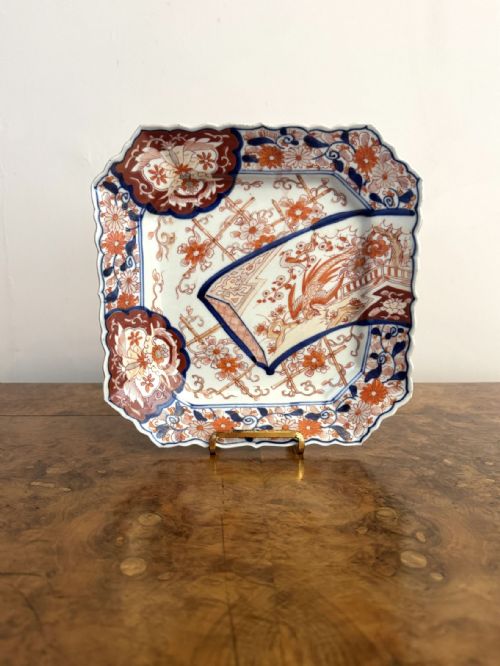
Meiji Period Porcelain Dish
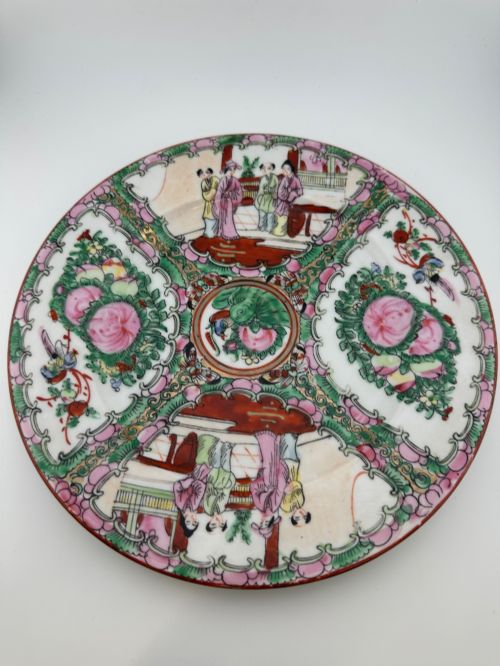
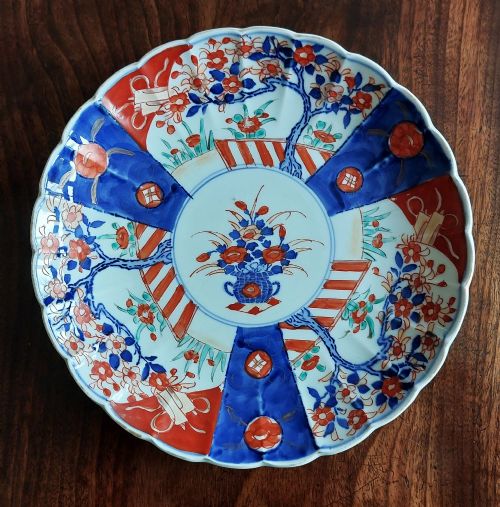
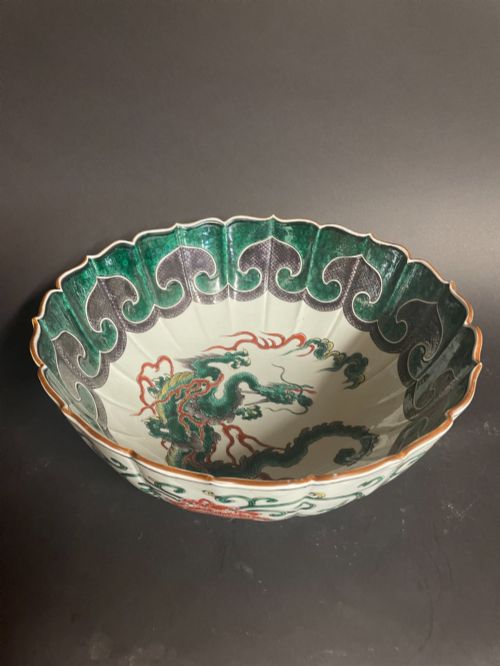
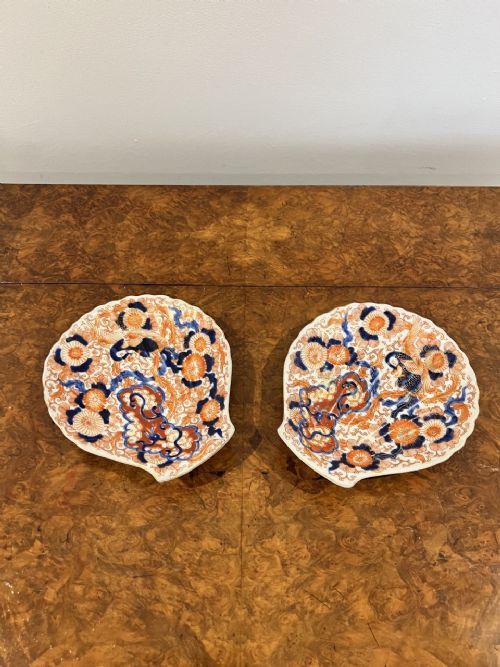
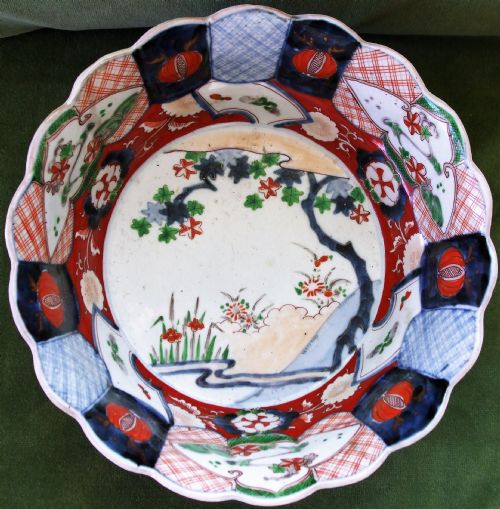
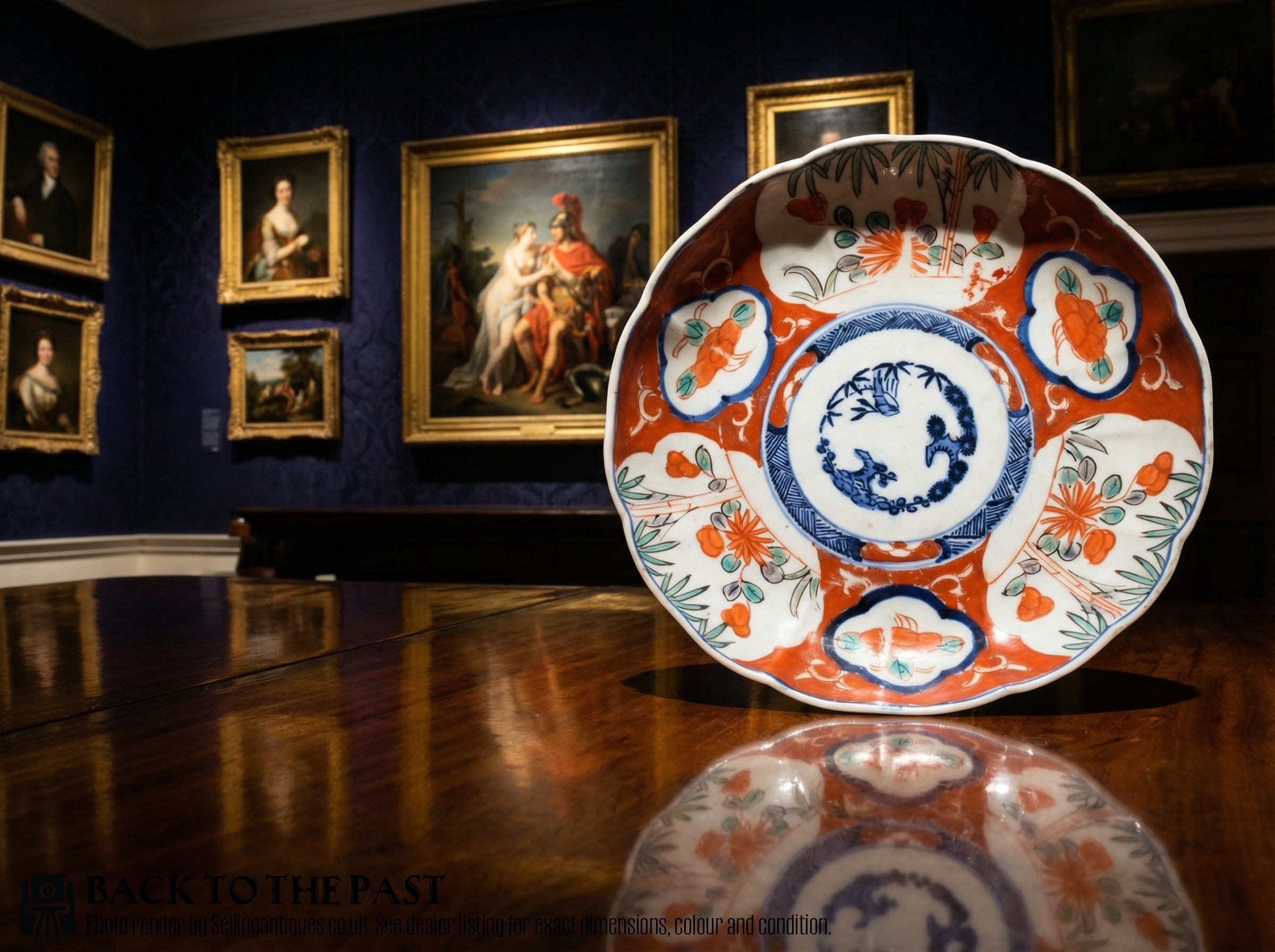
A buyer examining a meiji period porcelain dish encounters items originating from Japan during the Meiji era, alongside related nineteenth and early twentieth century examples. These pieces typically take the form of decorative plates, bowls, chargers, and dishes with scalloped, square, or shell shapes.
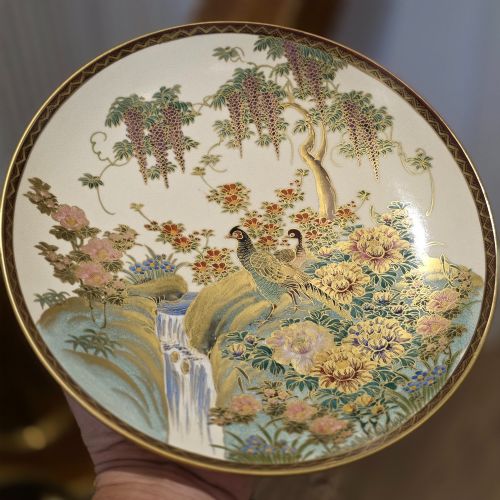
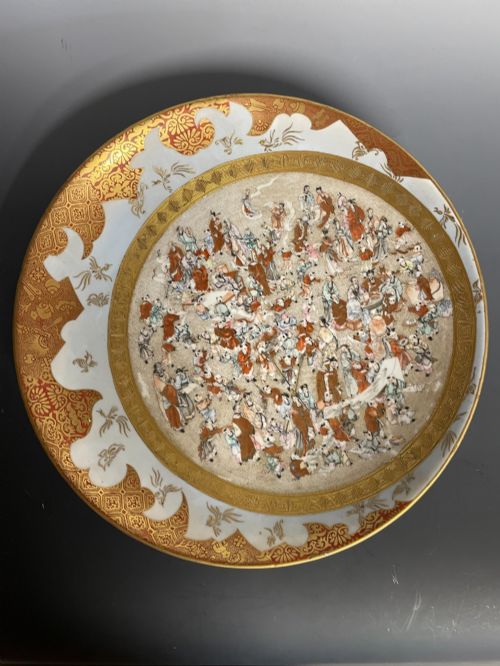
The selection frequently includes Japanese Imari wares alongside Arita, Kutani, and Satsuma pieces. Common decorative subjects involve floral arrangements, exotic birds, peacocks, wisteria, and peonies rendered in traditional colour schemes.

How they were made
Potters utilised porcelain and earthenware as the primary bases, shaping them into bowls, plates, and chargers before applying glazes. Artisans then hand painted intricate details using enamel, gold leaf, and gilding to accentuate the surface patterns.
Wood elements occasionally accompany certain displays, while specific techniques such as moriage build up raised enamel decorations to create tactile depth on Satsuma pieces.
Meiji Period Porcelain Dish Retail Price Guide 2026
Typical asking prices for meiji period porcelain dish among the pieces listed under this phrase on Sellingantiques today, from the lower quarter to the upper quarter. They describe what is for sale here now, not the wider market.
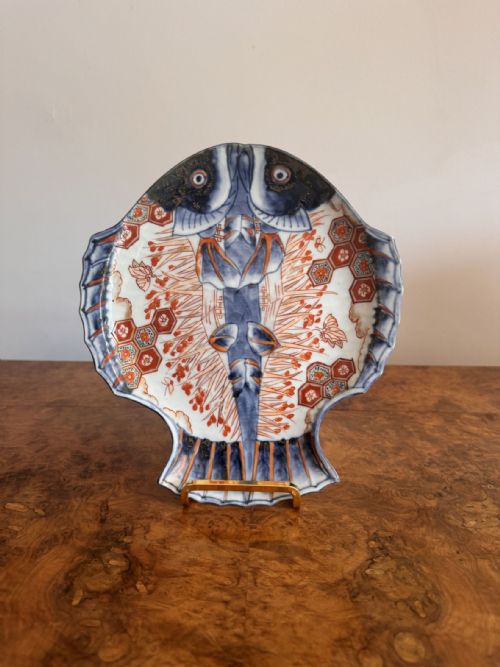
Potters occasionally shaped a porcelain plate directly into the form of a swimming fish, turning a standard dinner service concept completely upside down.
What varies in quality
The upper tier of these items is defined by precision in hand painting and the complexity of the design, such as detailed exotic birds, floral motifs, and raised enamel work. Pieces described as unusual in shape, including fish forms or shell edges, often demonstrate a higher level of potter skill.
Condition consistency and the clarity of the cobalt blue and iron red pigments across large chargers or pairs of plates also separate standard examples from finer collector pieces.
Koshida·Gyokkō·Kozan·Hichozan Shinpo
The Meiji Period Porcelain Dish Glossary
- Imari
- A style of Japanese porcelain characterised by a palette of underglaze blue, iron red, and gilt highlights. These wares were produced in Arita and exported extensively through the port of Imari.
- Satsuma
- A type of Japanese earthenware featuring a pale, crackled glaze decorated with polychrome enamels and gilding. Bowls and chargers in this style frequently depict figurative scenes or dense botanical arrangements.
- Arita
- The Japanese town central to the production of porcelain from the early Edo period onward. Wares from this region form the technical foundation for many Imari items.
- Kutani
- Japanese coloured porcelain and pottery known for bold pictorial designs and vibrant enamel palettes. These dishes often incorporate detailed landscape or figural compositions.
- Charger
- A large decorative plate intended primarily for display on a wall or sideboard rather than for dining use. These large circular surfaces showcase the most ambitious painted scenes.
Meiji Period Porcelain Dish: Frequently Asked Questions
How were these dishes used originally?
Many of these items served as decorative display pieces in Japanese homes or for export markets in the West. Large chargers were frequently hung on walls or set upon stands to exhibit the painted motifs.
Smaller dishes and bowls functioned as tableware for serving food during meals or special occasions, integrating utility with intricate artistry.
How do I care for antique porcelain?
Dust these pieces gently with a soft, dry cloth to prevent the accumulation of particles on the hand-painted surfaces and gilt highlights. Avoid using liquid cleaners, abrasive pads, or immersing items with gold leaf in water.
Keep the dishes away from direct sunlight and areas subject to sudden temperature shifts to protect the glaze and enamel layers from stress.
What is the Meiji period?
The Meiji period spans the reign of the Emperor Meiji from 1868 to 1912, marking a time of rapid modernisation and increased trade with the West. Japanese ceramics produced during these decades catered heavily to international tastes while retaining traditional kiln techniques.
Craftsmen combined historic regional styles like Imari and Satsuma with new decorative ambitions, leading to varied output in plates and chargers.