



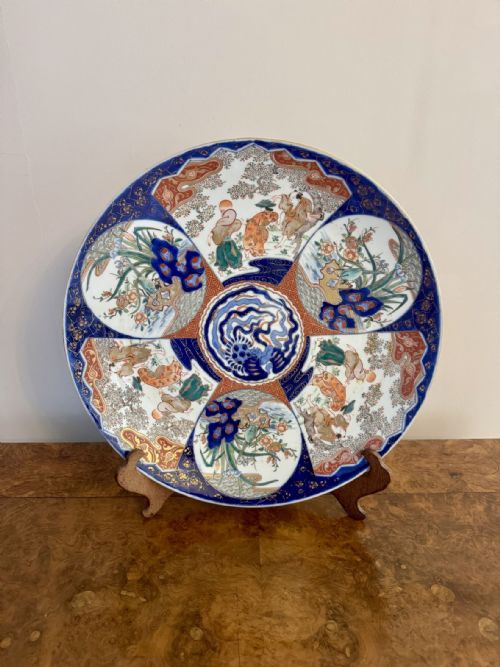

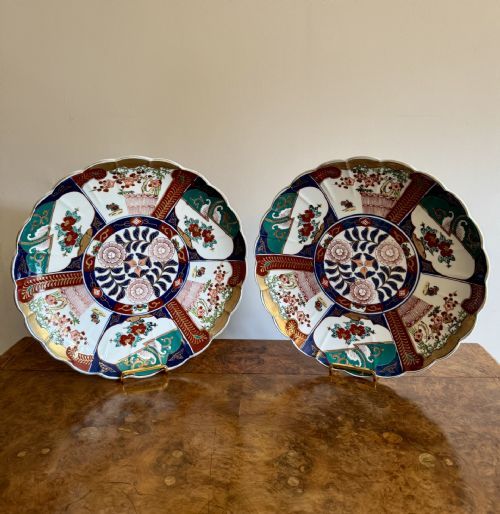


Large Ceramic Display Platter
A large ceramic display platter brings heavy presence to a wall or table, formed from centuries of earthenware, porcelain, and tin glaze.
Large Ceramic Display Platter
A large ceramic display platter serves as a bold focal point, originating from traditions across Europe and Asia. When you search for a large ceramic display platter, you encounter pieces intended primarily for visual impact rather than dining.
The selections span from the seventeenth century through the Victorian era and into the early twentieth century. These objects take the form of heavy chargers, decorative plates, and broad platters designed to command attention in a room.
Japanese Imari wares dominate the selection alongside Dutch Delft tin-glazed earthenwares and English transferware. Each variation brings distinct regional palettes and firing techniques to the surface of the ceramic body.
How They Were Made
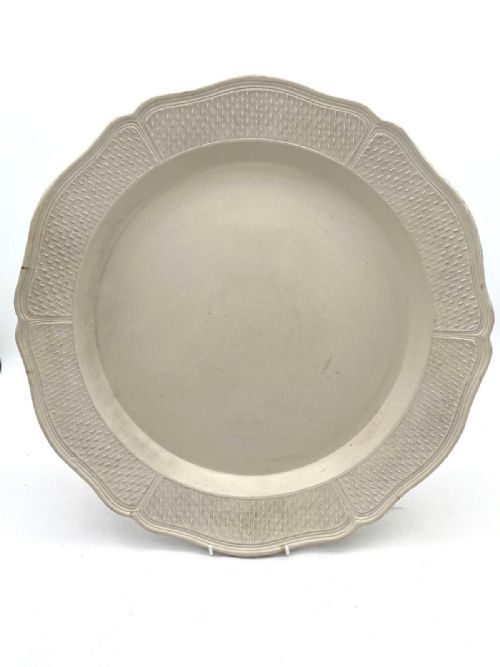
Potters shaped these large vessels from dense bodies of porcelain, earthenware, and salt-glazed clay. Artisans applied tin glazes, enamel, and gold leaf to create smooth white or coloured grounds ready for hand painting.
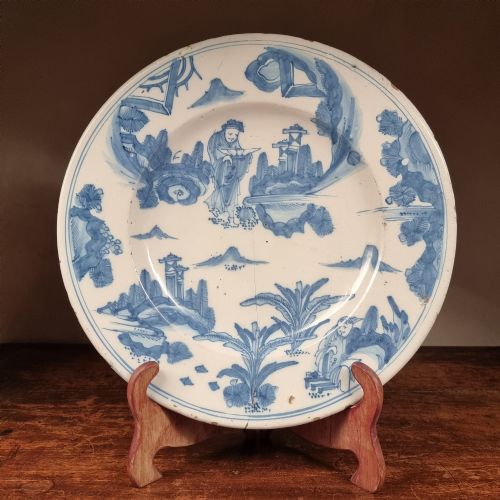
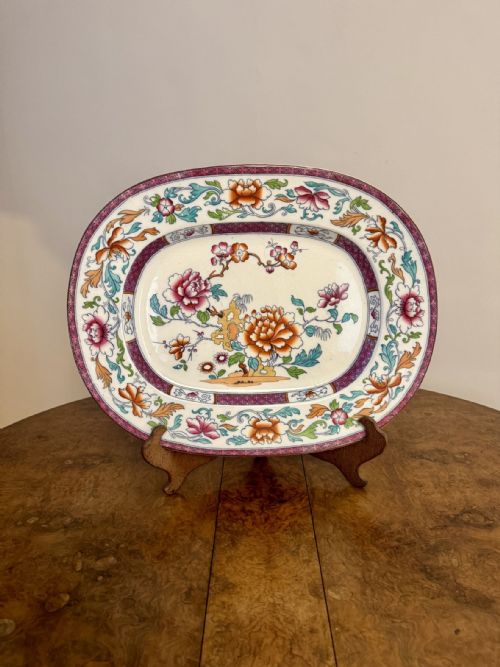
Makers utilised cobalt blue underglazes, polychrome pigments, and occasionally tubelined relief lines to build up intricate scenes of court life, flora, and fauna. High-temperature kiln firings locked the vitrified pigments permanently into the glaze.
Large Ceramic Display Platter Retail Price Guide 2026
Typical asking prices for large ceramic display platter among the pieces listed under this phrase on Sellingantiques today, from the lower quarter to the upper quarter. They describe what is for sale here now, not the wider market.
Listings feature periods spanning from the seventeenth century through to the early twentieth century, incorporating porcelain, earthenware, and tin glaze.
What Varies in Quality
The distinction between ordinary and exceptional pieces rests upon the precision of the hand painting and the clarity of the ceramic body. Crisp cobalt definition, balanced composition, and rich polychrome depth separate masterworks from routine factory output.
The physical scale and structural integrity of a large platter also govern its standing. Superior examples maintain a flat profile despite the extreme heat of the kiln, displaying confident brushwork and well-preserved surface gilding.
Charlotte Rhead Crown Ducal·Bluett and Sons London
The Large Ceramic Display Platter Glossary
- Charger
- A large decorative plate or platter traditionally utilised for display on a sideboard or wall. These oversized ceramic pieces measure significantly more than standard dining plates.
- Imari
- A style of Japanese porcelain featuring characteristic palettes of underglaze blue, iron red, and gilt highlights. Originating in Arita, these wares were heavily exported to Europe.
- Tin Glaze
- An opaque white ceramic glaze containing tin oxide that provides a smooth background for painted decoration. This technique defines European delftware and majolica.
- Transferware
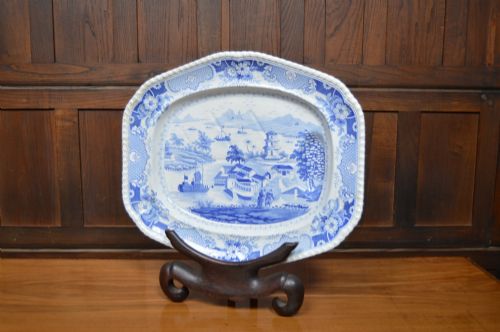
- A method of applying printed designs to pottery by transferring an inked engraving from a copper plate onto tissue paper and thence to the ceramic surface. This process allowed intricate scenes to be reproduced consistently.
- Celadon
- A type of green-glazed ceramics originating in China, prized for jade-like translucency and subtle crackle effects. The glaze colour results from iron oxide interacting in a reduction kiln atmosphere.
Large Ceramic Display Platter: Frequently Asked Questions
How were large ceramic platters displayed in historic homes?
These decorative objects rested on sideboards or hung securely on walls using specialised wire brackets to showcase intricate painted surfaces.
Their substantial diameter ensured they dominated the field of vision within formal dining rooms and parlours.
What distinguishes an Imari charger from other Japanese ceramics?
Imari pieces utilise a distinct triumvirate of underglaze blue, iron red, and gold leaf over porcelain bodies.
Designs typically incorporate complex floral scrolls, landscapes, or figural scenes rooted in the Edo and Meiji periods.
Can I use antique platters for serving food?
Most antique chargers and large platters are intended primarily for display and decorative appreciation rather than daily culinary use.
Historic glazes and soft earthenware bodies can be vulnerable to modern detergents, cutlery marking, and thermal shock.
How do I identify a Delft charger from the seventeenth century?
Seventeenth-century Delft examples feature porous earthenware bodies coated in tin glaze with characteristic manganese or blue hand-painted motifs.
They often display kiln support marks on the reverse and irregular rims resulting from primitive firing methods.