


Meiji Period Jar
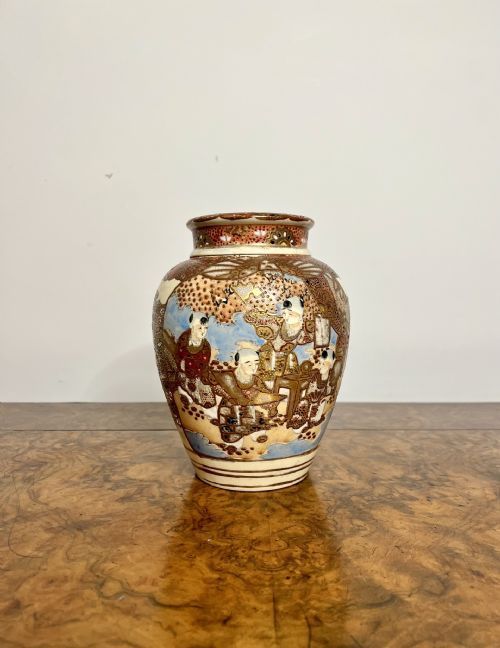
A meiji period jar brings the disciplined artistry of late nineteenth century Japan into a room through rich ceramic palettes and meticulous metalwork.
Meiji Period Jar
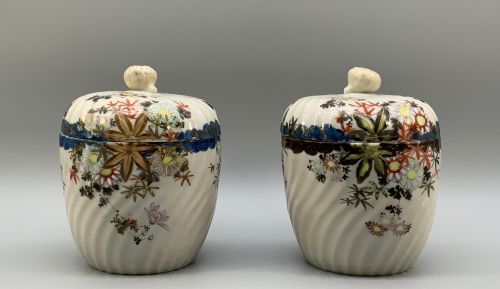
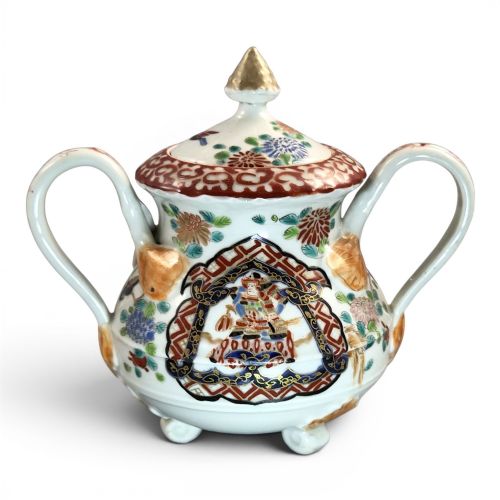
A search for a meiji period jar reveals covered containers, ginger jars, tea caddies, and large porcelain vessels made during the era spanning the late nineteenth and early twentieth centuries. These objects reflect a period when Japanese kilns and metal workshops produced domestic items intended both for local use and for export to Western markets.
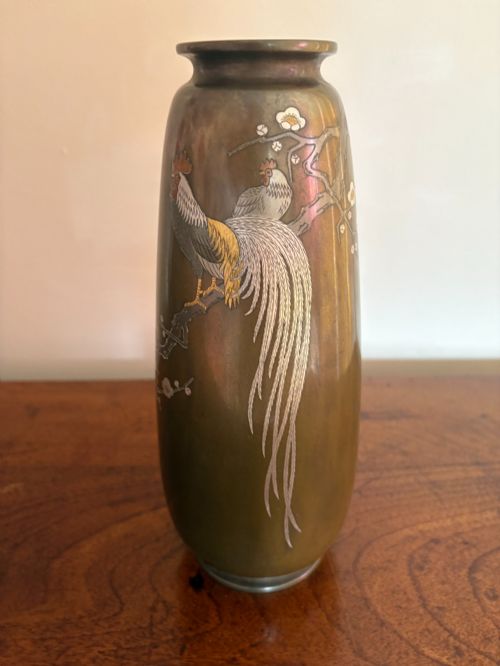
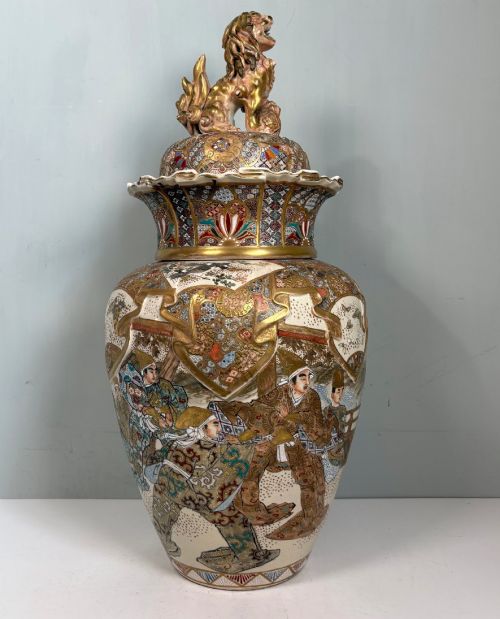
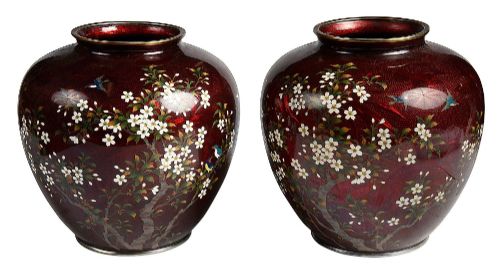
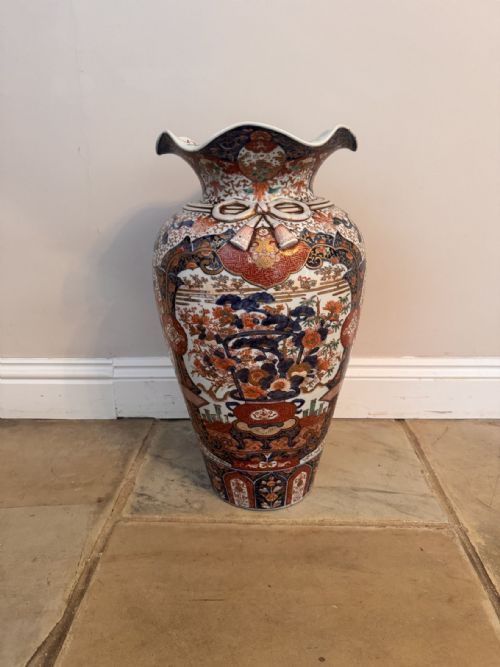
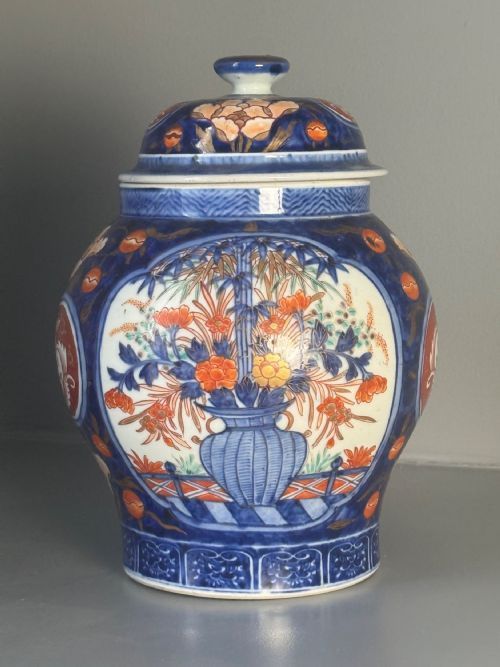
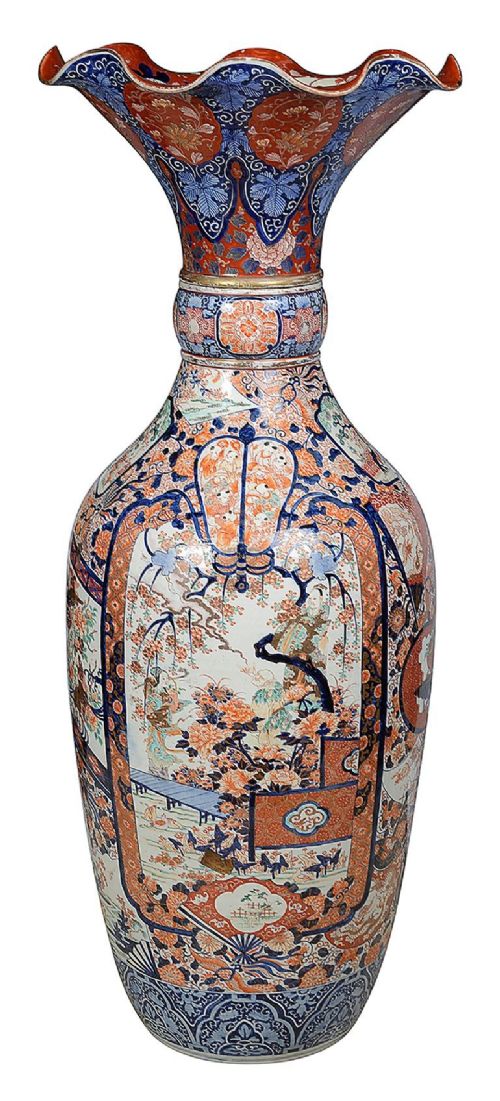
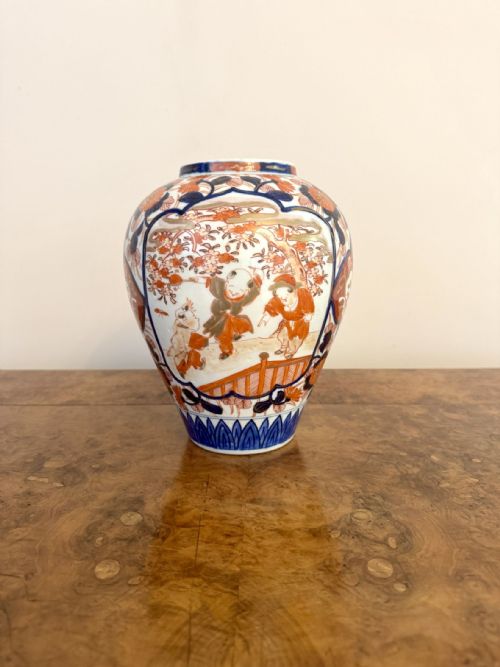
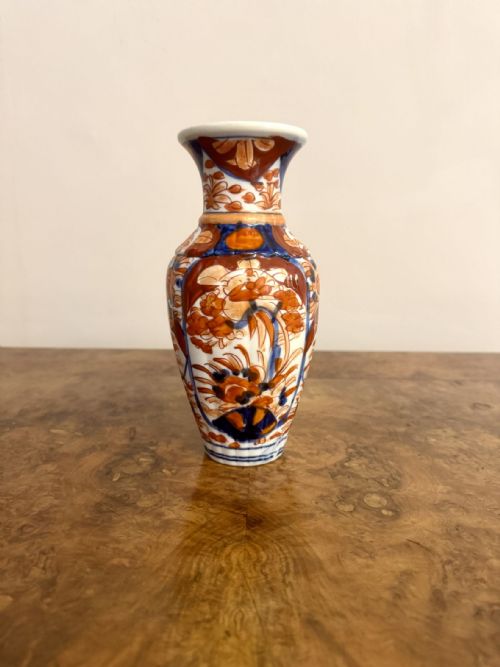
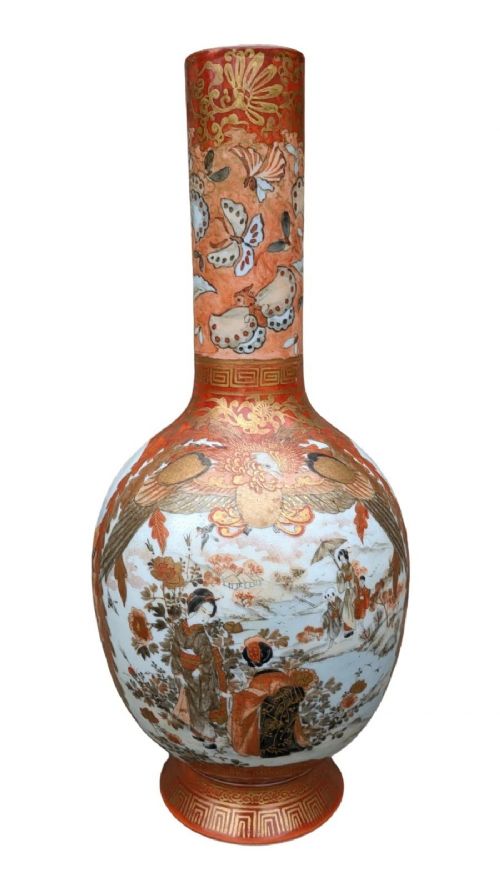
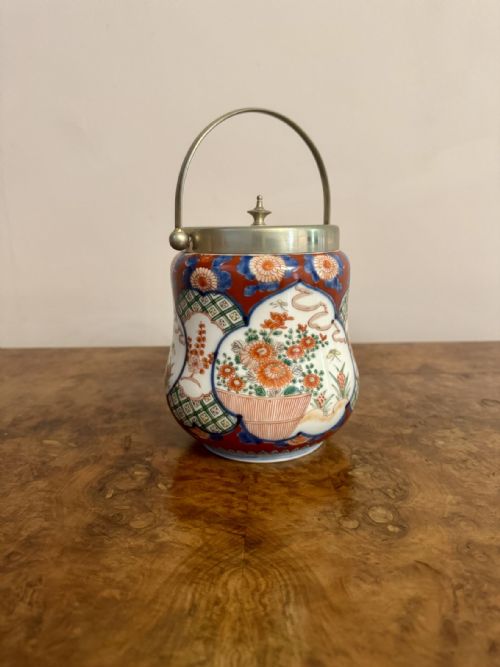
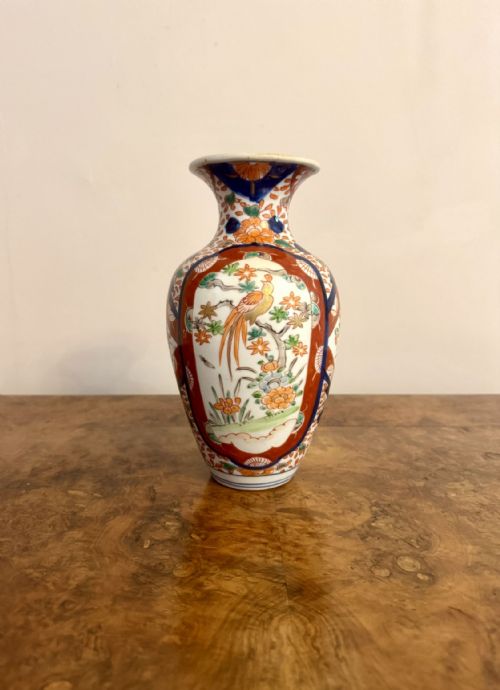
The versions most commonly met on this page include Imari porcelain vessels decorated in traditional blue, iron red, and gilt, alongside Satsuma earthenware pieces painted with figures and landscapes. Bronze jardinières and cloisonné vessels also appear frequently among the listings, showing the diverse mediums mastered by artisans of the time.
Design and Execution
Quality in these pieces rests upon the precision of the brushwork, the clarity of the enamel colours, and the crispness of the cast or hammered metal details. Superior examples display balanced compositions and controlled lines where every decorative element serves the overall form of the vessel.
Workshop output also varies in the complexity of the glaze effects and the presence of artist signatures or recognised kiln marks. Plain or hastily painted wares occupy the lower end of the range, while fully articulated decorative schemes with fine gold work command greater attention.
A smiling shishi guardian lion often keeps watch from the top of an Imari lid, standing ready to guard the ginger inside.
KANASAWA·Kizan·Fukagawa Mark·Shuzan·Yamashu·Ando Jubei·Makuzu Kozan·Kinkozan·Tokyo Taizan·Watano
The Meiji Period Jar Glossary
- Imari
- A style of Japanese porcelain featuring a palette of underglaze blue, iron red, and abundant gilt details. This aesthetic developed at kilns in Arita and became widely exported during the nineteenth century.
- Satsuma
- A type of earthenware with a fine crackle glaze, typically decorated with polychrome enamels and gilding. These pieces frequently depict figures, floral motifs, and landscapes.
- Cloisonné
- A metalwork technique where fine wires are soldered to a bronze or copper base to form compartments filled with enamel. The object is then fired and polished to a smooth finish.
- Ginbari
- A form of cloisonné featuring textured or foiled backgrounds beneath transparent coloured enamel. This technique creates a shimmering depth behind the primary design.
- Natsume
- A small tea caddy traditionally used in Japanese tea gatherings. The shape resembles the fruit of the jujube tree.
Meiji Period Jar: Frequently Asked Questions
What is a meiji period jar used for?
These vessels originally served practical roles in Japanese households and tea ceremonies, holding tea leaves, spices, or dry goods, while larger lidded jars functioned as decorative containers.
Today, collectors place them on side tables, shelves, or mantelpieces as decorative focal points that showcase historic craftsmanship.
How do I identify Imari porcelain?
Imari porcelain is easily recognised by its distinct palette, which relies primarily on deep cobalt blue under the glaze combined with rusty iron red and gold on top.
Motifs typically include floral arrangements, brocade patterns, and architectural elements painted with high contrast.
Are Satsuma pieces made of porcelain?
Satsuma wares are actually earthenware rather than hard-paste porcelain, possessing a more porous body covered in a characteristic ivory-coloured glaze with fine crackles.
This absorbent surface made an ideal canvas for the detailed enamel painting and heavy gilding typical of the genre.
How should I clean my antique jar?
Dust these vessels gently with a soft, dry brush or microfibre cloth to remove surface particles without risking the painted or gilded decoration.
Avoid using water, chemical cleaners, or abrasive cloths, particularly on earthenware and items with exposed metal wires or gold leaf.