



Meiji Period Ceramic
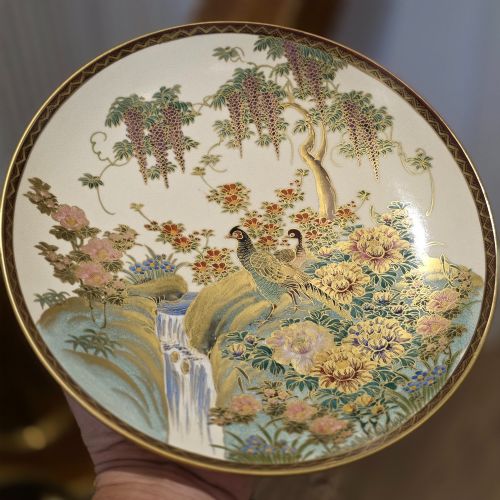
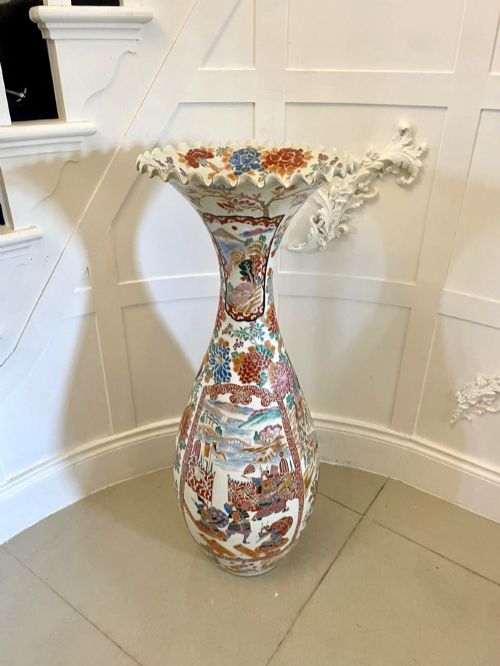
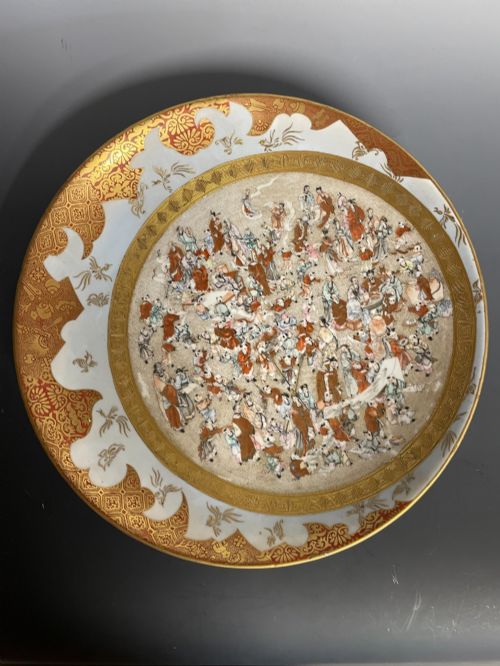
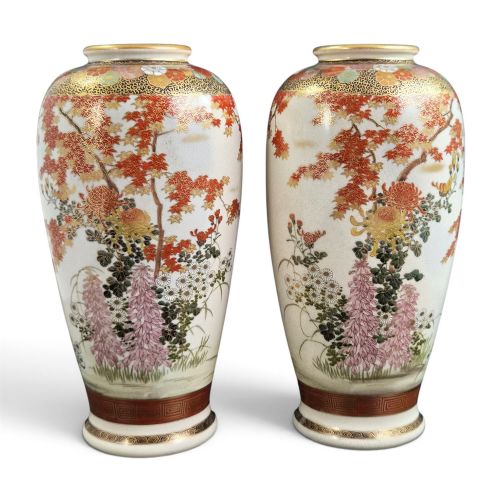
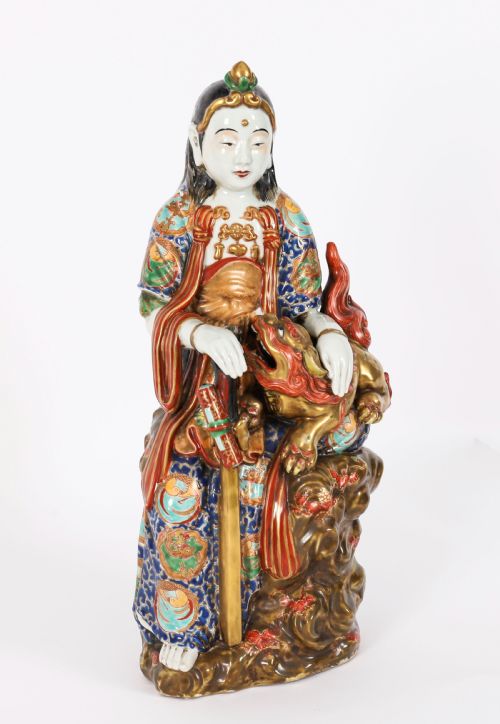
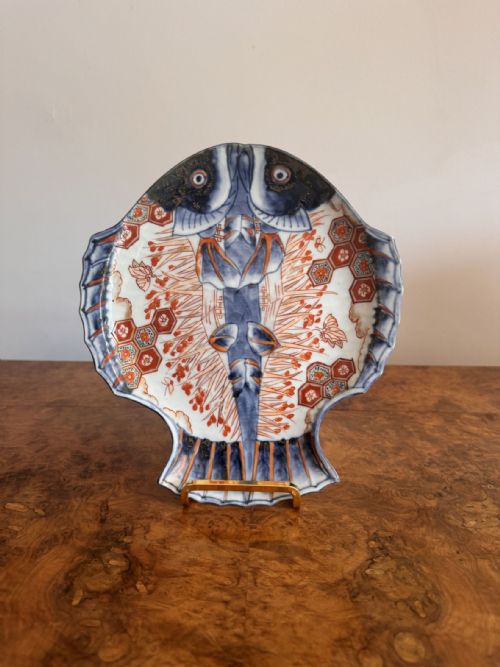
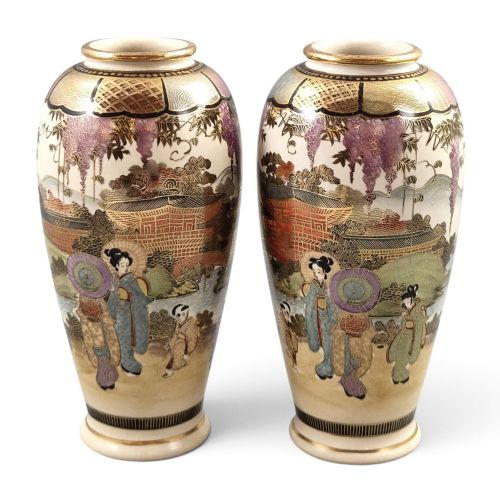
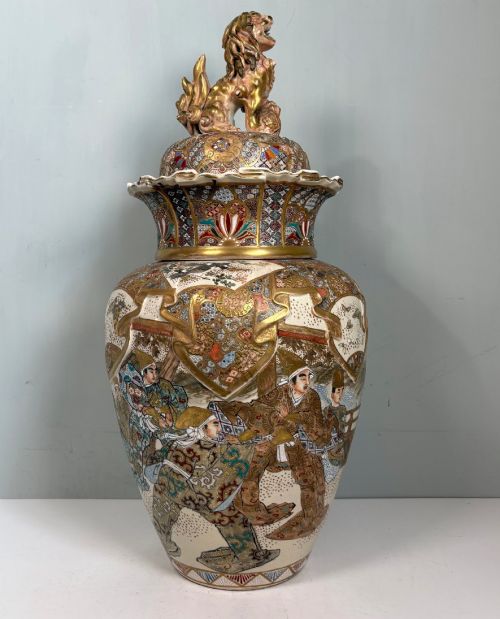
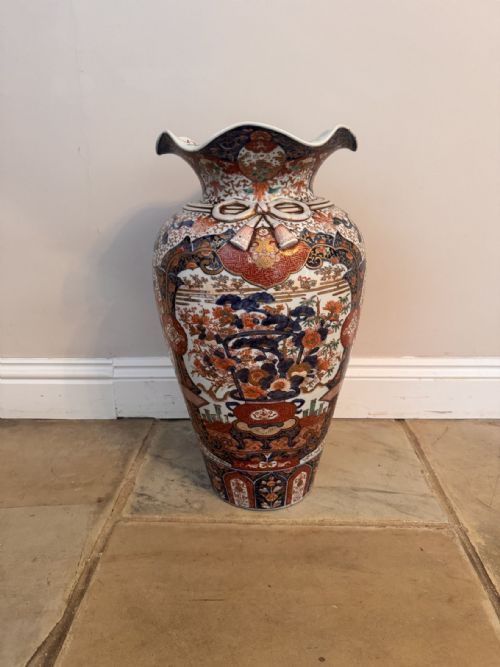
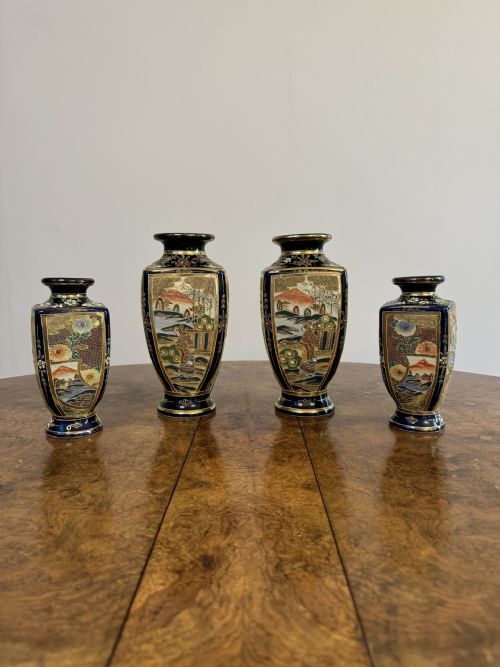
These pieces of meiji period ceramic span ornate Satsuma garnitures, Imari chargers, and Kutani porcelain figures made during a pivotal era of Japanese artistry.

Meiji Period Ceramic
Buyers seeking meiji period ceramic encounter a diverse array of vessels, figures, and tableware produced between the late nineteenth and early twentieth centuries. The selection on this page centres heavily on Japanese Imari and Satsuma wares, alongside Kutani porcelain and Sumida Gawa art pottery.
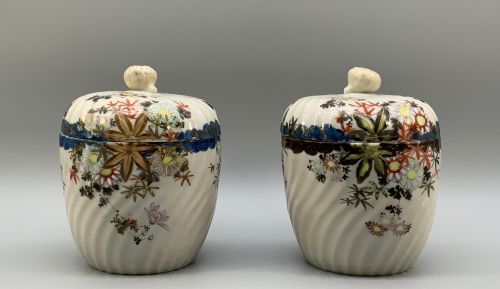
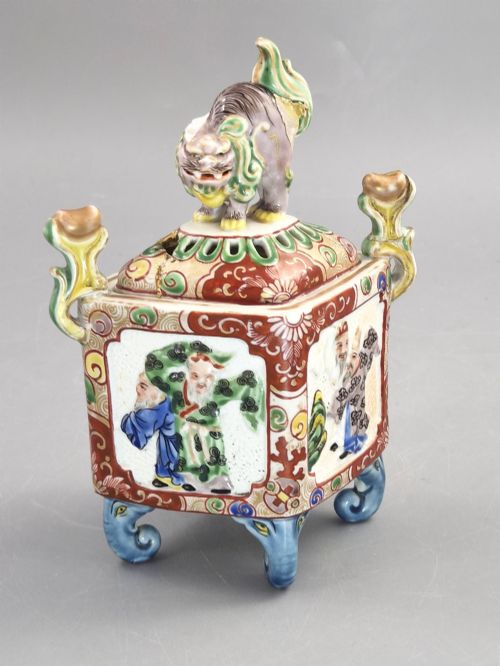
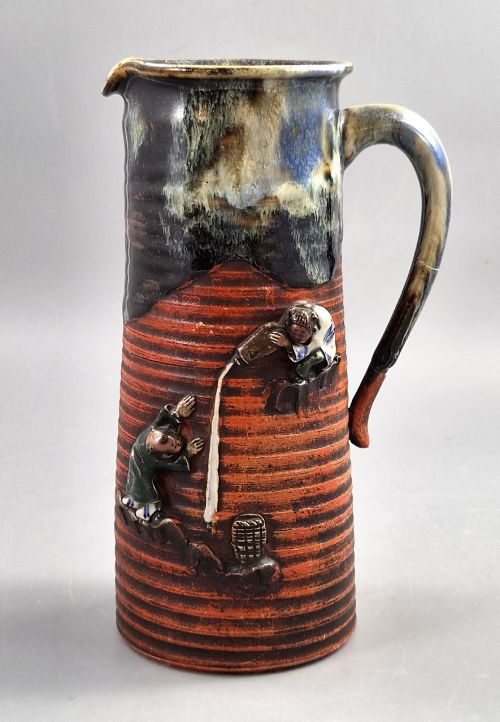
Forms range from large floor-standing vases and chargers to delicate bowls, lidded jars, and incense burners known as koro. Collectors also find specialised pieces such as okimono sculptures, teacups, and pitchers, many bearing distinct regional traits and traditional motifs.
Materials and construction
Production relies primarily on porcelain and earthenware bodies, shaped into vessels, plates, and sculptural figures using traditional wheel-thrown and moulded techniques. Potters applied detailed hand-painted designs utilising enamel, gold leaf, and gilt accents.
Specialised surface treatments define many objects, including intricate underglaze blue painting, flambe glazes, and raised figures in relief. Workshops also integrated cloisonne enamel and terracotta elements to achieve varied textures and decorative finishes.
Meiji Period Ceramic Retail Price Guide 2026
Typical asking prices for meiji period ceramic among the pieces listed under this phrase on Sellingantiques today, from the lower quarter to the upper quarter. They describe what is for sale here now, not the wider market.
Materials recorded on this page include porcelain, earthenware, enamel, gold leaf, terracotta, and brass.
Distinctions in quality
Quality diverges significantly in the precision of the brushwork and the complexity of the decorative scheme, distinguishing standard export pieces from exceptional studio works. Master decorators achieved greater depth through refined layering of enamels, precise gilding, and finely modelled relief figures.
The sophistication of the form and the clarity of the kiln firing further separate standard production items from superior examples. Signed pieces by recognised makers often display a higher degree of sculptural detail and balance across the entire form.
Maruni Kobe·Shozan·Inoue Ryosai·Ban-ni·Kizan·Kinkozan
The Meiji Period Ceramic Glossary
- Imari
- A style of Japanese export porcelain characterised by a palette of underglaze blue, iron red, and gilt highlights. These pieces frequently feature intricate floral and avian motifs.
- Satsuma
- An earthenware ceramic type with a finely crackled ivory glaze, typically decorated with polychrome enamels and extensive gilding. Many vessels portray historical figures or dense floral scenes.
- Kutani
- A traditional style of Japanese porcelain known for bold, vibrant colour schemes, often featuring deep greens, blues, and reds. This ware includes both decorative vessels and figural okimono.
- Koro
- A traditional Japanese incense burner featuring a pierced lid to allow scented smoke to escape. These vessels frequently rest on decorative feet and incorporate guardian lion finials.
- Okimono
- A standalone Japanese carved or modelled display figure intended for interior decoration. They depict historical or mythical subjects rendered in porcelain or earthenware.
Meiji Period Ceramic: Frequently Asked Questions
What is the difference between Imari and Satsuma ceramics?
Imari pieces are made of hard-paste porcelain and typically display a striking palette of deep blue and iron red with gold embellishments. They are generally durable and glossy in appearance.
Satsuma ceramics utilise an earthenware body covered in a characteristic creamy glaze with a fine network of cracks. These items are traditionally decorated with opaque enamel paints and extensive gilt detailing.
How do I identify a Meiji period ceramic piece?
Identification relies on observing specific decorative styles, material weights, and traditional Japanese motifs such as sages, dragons, and chrysanthemums. Many pieces also feature artist signatures or studio marks on the base.
The manufacturing techniques, such as the use of flambe glazes or raised relief work, align closely with late nineteenth and early twentieth-century production methods in Japan.
How were these decorative bowls and vases used?
Many large chargers and floor-standing vases served as prominent interior display items in European and Japanese households during the late Victorian and Edwardian eras. Smaller dishes and bowls were utilised for dining or presented as decorative table centrepieces.
Incense burners and tea caddies fulfilled both practical domestic functions and ceremonial roles, reflecting traditional Japanese customs adapted for international export markets.
How should I care for antique ceramic pieces?
These fragile decorative objects require gentle handling and placement away from direct sunlight to preserve delicate enamel and gold leaf details. Dusting should be performed dry using a soft, clean brush.
Avoid immersing antique earthenware or porcelain in water, particularly pieces with porous bodies or intricate surface repairs, to prevent moisture damage.