




Maritime Seascape Oil Painting
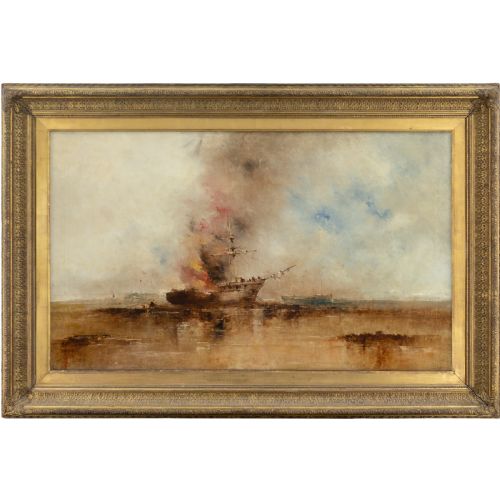
A maritime seascape oil painting captures the motion of the tides, the weight of historic vessels, and the vast expanse of the open sea.
Maritime Seascape Oil Painting
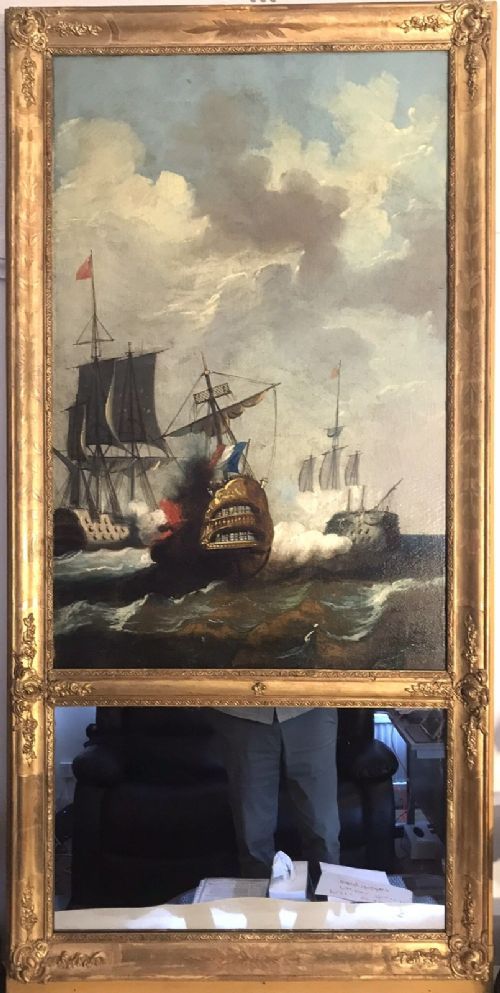
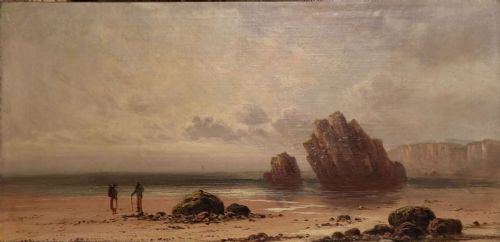
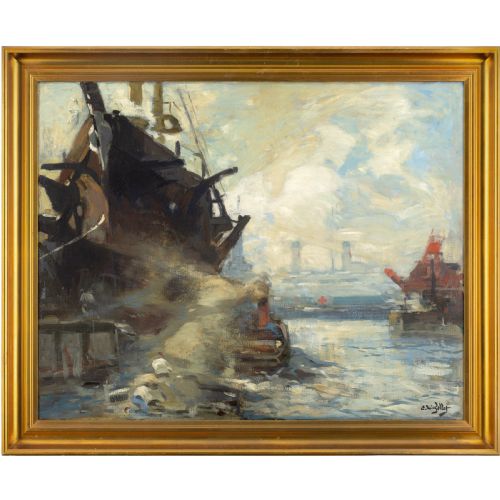
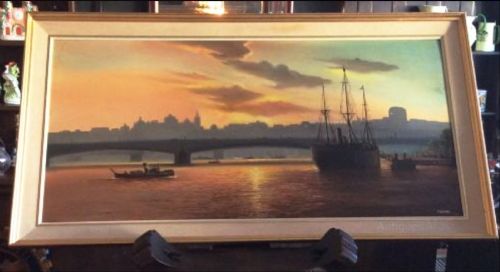
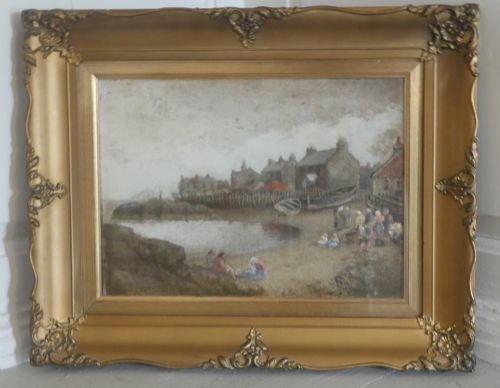
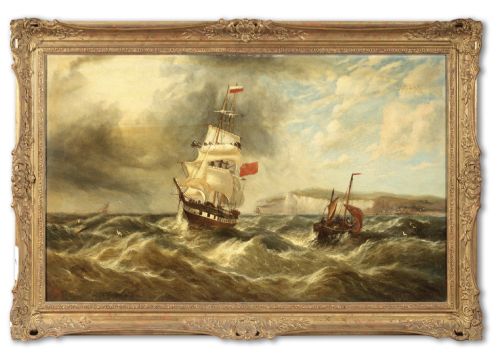
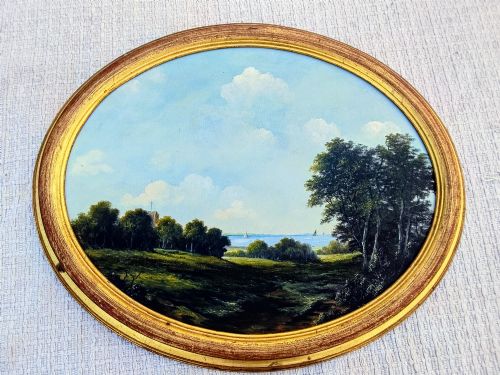
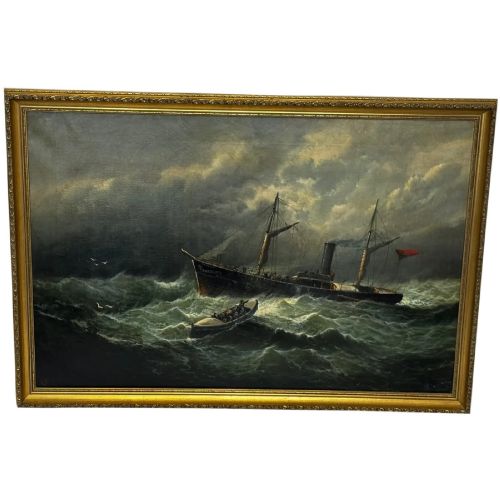
A maritime seascape oil painting depicts ships, harbours, coastal views, and open waters rendered through historical periods ranging from the nineteenth century to the mid-twentieth century. When you search for this phrase, you encounter works featuring naval vessels, merchant ships, and quiet coastal scenes created by British and European artists.
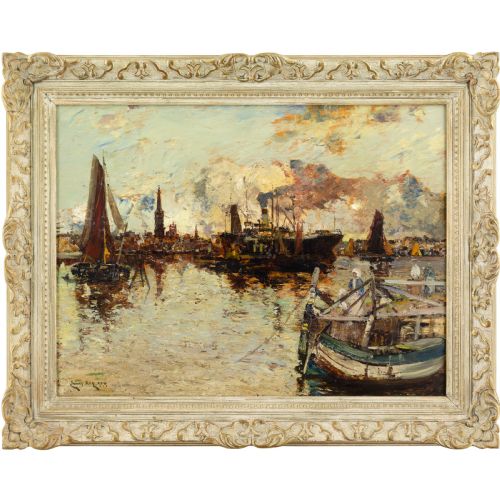
The pieces on this page span styles from Victorian marine art and post-impressionism to British impressionism. You will find works executed on canvas, board, and panel, frequently housed in their original gilt frames.
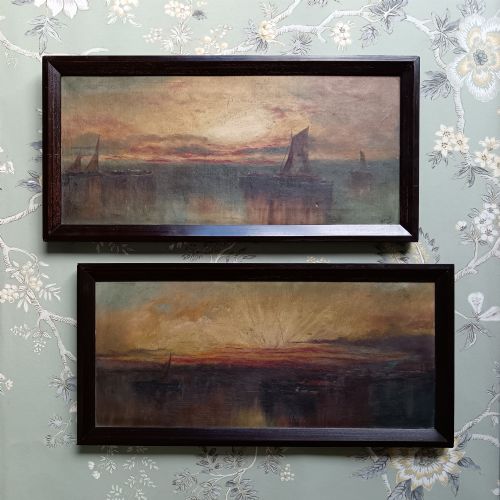
Subjects range from dramatic storm scenes and warship encounters to peaceful evening views of Venetian lagoons and British harbours. These paintings record the maritime history and coastal landscapes of past centuries through direct observation and traditional studio practice.
Materials and Technique
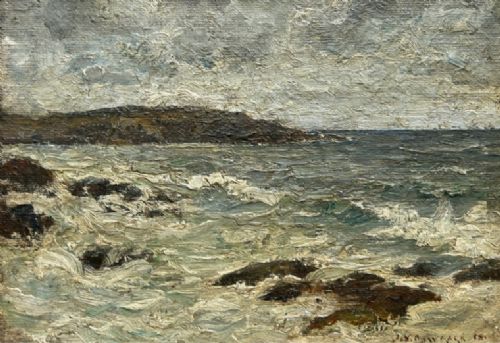
Artists built these works utilising oil paint on prepared canvas, wood panel, or board substrates. The medium allowed for rich application, from smooth glazes depicting calm water to heavy impasto capturing churning waves and rough seas.
Many examples are preserved within gilt wood and giltwood frames that complement the composition. The handling of the oil paint often defines the movement of water and the play of light across the sky.
Artists occasionally captured dramatic maritime moments alongside peaceful harbour sunsets and quiet Venetian canals.
Distinctions in Quality
The standard of a maritime seascape oil painting rests upon the artist's command of atmospheric perspective, accurate vessel rigging, and the dynamic weight of water. Superior works convey convincing movement and light rather than rigid mechanical detail.
Condition of the oil paint surface and the originality of the frame contribute to the standing of a piece. Works by recorded painters who exhibited during the nineteenth and twentieth centuries demonstrate established technical proficiency.
Bonaventura Peeters·John Wilson Carmichael·Thomas Creswick·Joseph Farquharson·Francis Moltino
The Maritime Seascape Oil Painting Glossary
- Giltwood
- Wood carved and covered with a thin layer of gold leaf. Frames of this material are frequently paired with nineteenth-century marine works.
- Impasto
- Paint applied thickly to a canvas or board, standing out from the surface. This technique creates physical texture in depictions of stormy seas.
- Panel
- A flat piece of wood used as a rigid support for painting. Artists frequently utilised panels for smaller maritime compositions.
- Marine Art
- Artistic works that focus on or draw main inspiration from the sea. This genre encompasses shipping, coastal views, and naval engagements.
Maritime Seascape Oil Painting: Frequently Asked Questions
What subjects do these maritime paintings show?
These works display a wide variety of nautical subjects including naval warships, merchant sailing vessels, fishing boats, and harbour scenes. You will also find depictions of coastal views, Venetian lagoons, and ships navigating rough seas or coastal waters.
Artists recorded both historical events and everyday maritime life, capturing specific locations from the British coast, European ports, and international waters across multiple centuries.
How do I care for an antique oil painting?
Protect the canvas or board by keeping the painting away from direct sunlight, excessive heat, and sudden changes in humidity. Display the work in a stable environment to prevent the oil paint from cracking or the wooden support from warping.
Dust the surface gently with a soft, dry brush and avoid using chemical cleaners or water on the paint. If the canvas requires cleaning or tension adjustment, consult a professional art conservator.
Are these paintings supplied in their original frames?
Many listings feature antique works housed in period gilt wood or giltwood frames that match the age of the canvas. These frames are selected to complement the specific artistic style and period of the seascape.
While some pieces retain their original surrounds, others may have been reframed during their history to suit changing decorative tastes. Review individual descriptions to confirm frame details.
How can I tell the period of a marine painting?
Dating relies upon stylistic cues, artist signatures, framing methods, and the types of vessels depicted. Nineteenth-century works often show detailed rigging on three-masted ships, while mid-twentieth-century pieces may adopt looser brushwork associated with post-impressionism.
Examine the back of the canvas, panel, or frame for signatures, exhibition labels, or inscriptions that provide clues to the artist and date of creation.