
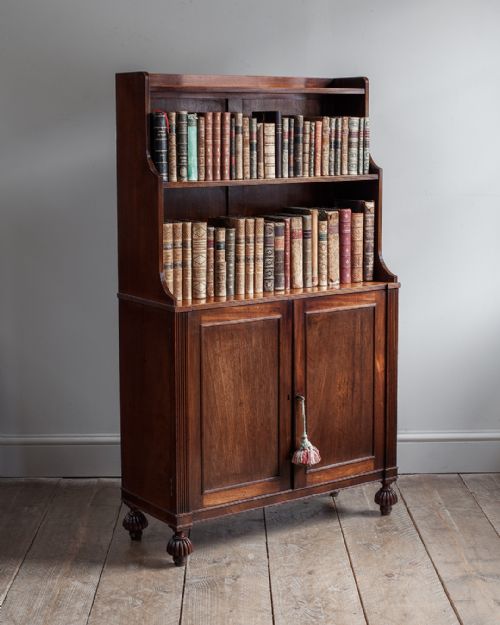
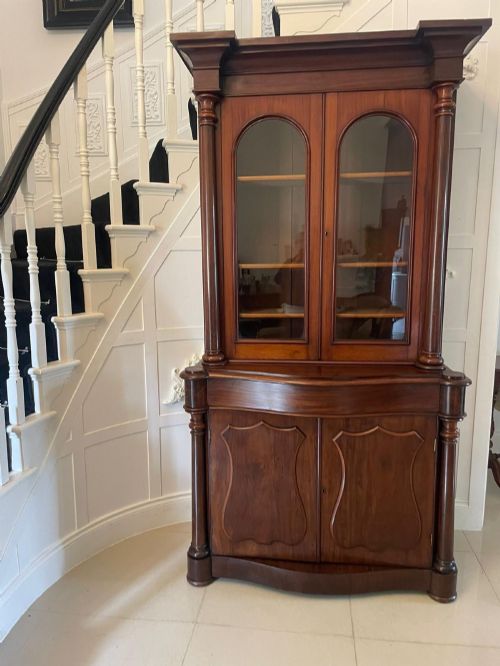
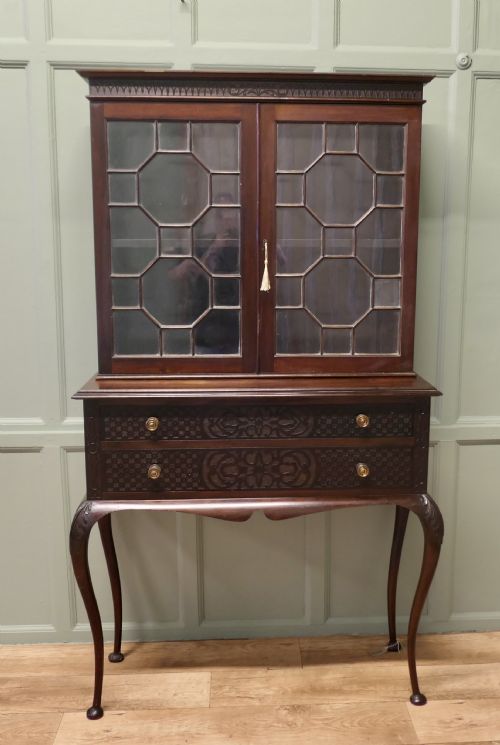
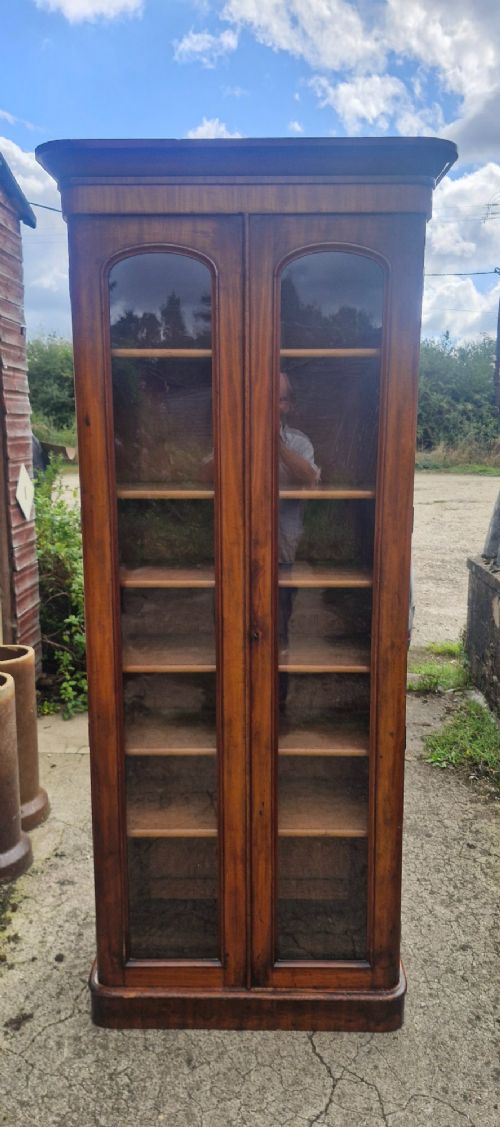


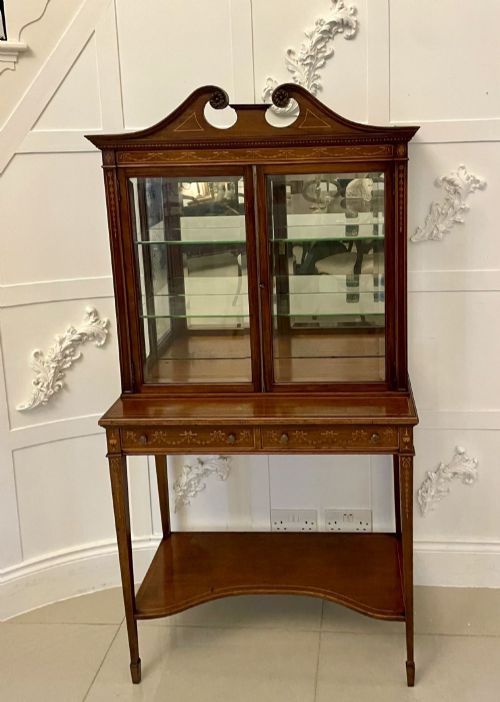
Mahogany Display Cupboard
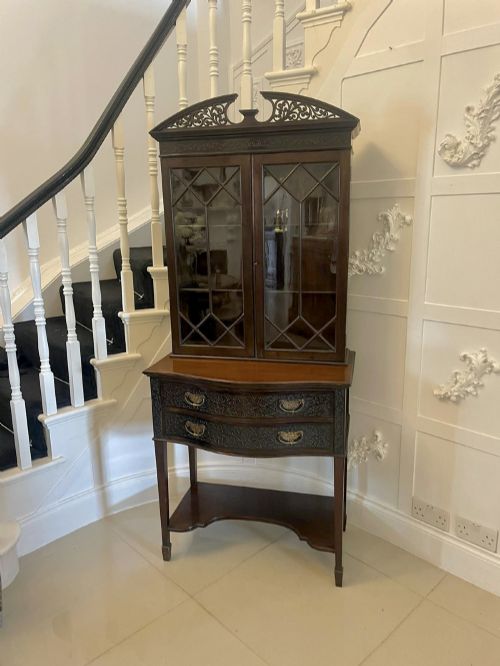
A mahogany display cupboard brings warmth and refinement to a room while securely housing prized collections behind glass.
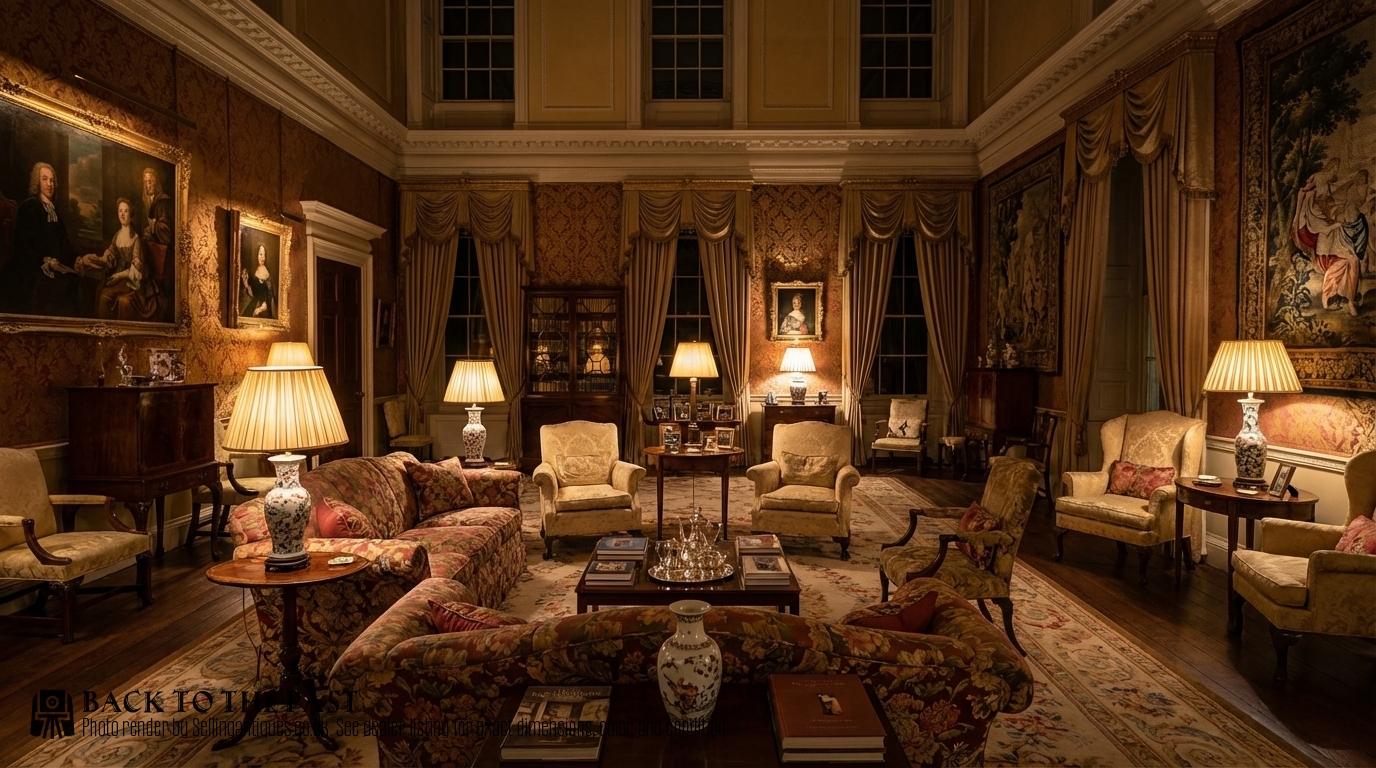
Mahogany Display Cupboard
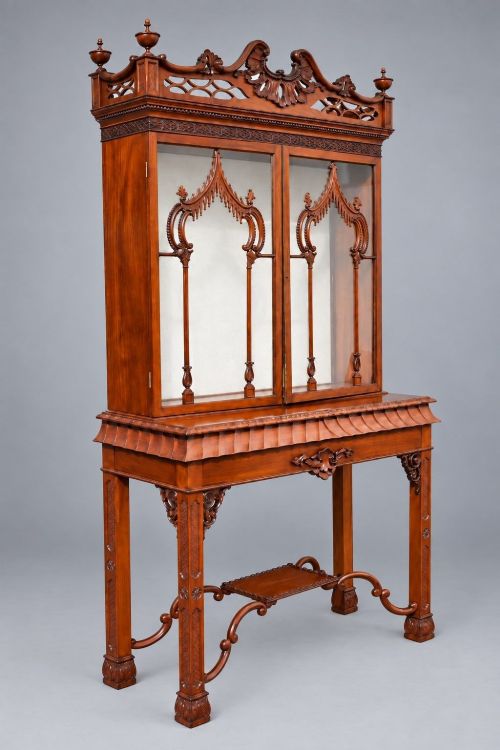
A mahogany display cupboard serves to showcase and protect ceramics, books, and curiosities within domestic spaces. Buyers browsing this selection encounter pieces stretching from the Georgian and Regency eras through the Victorian and Edwardian periods.
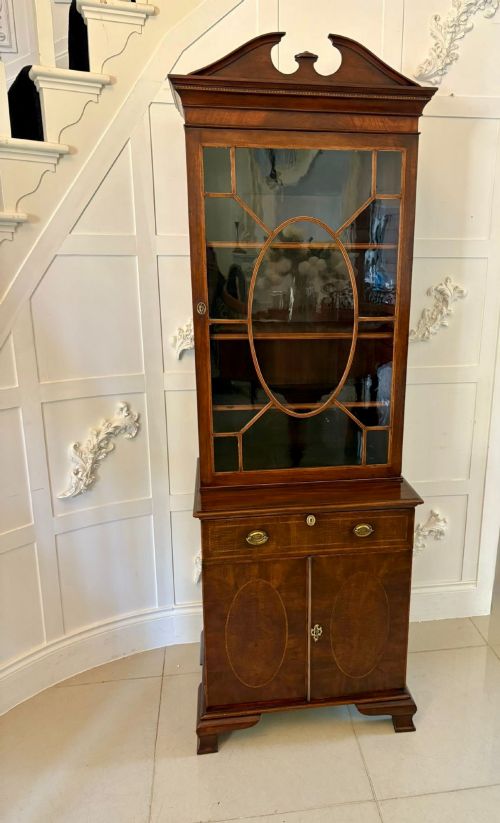
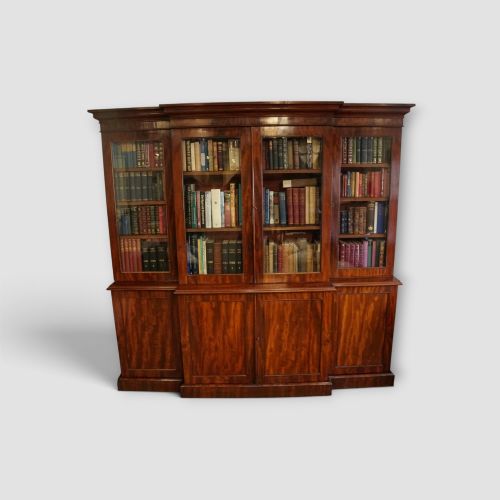
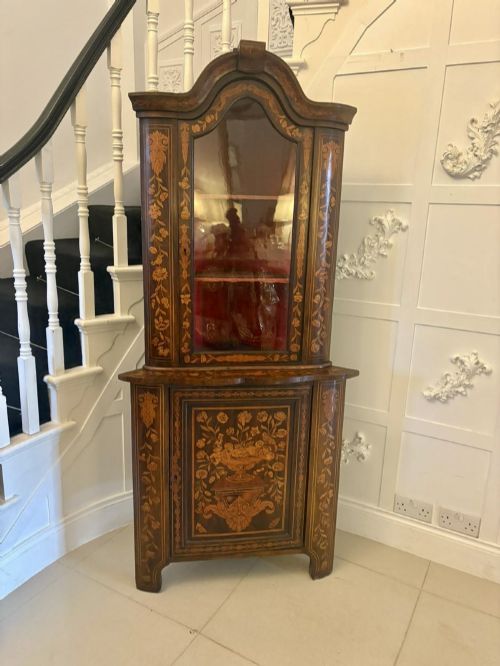
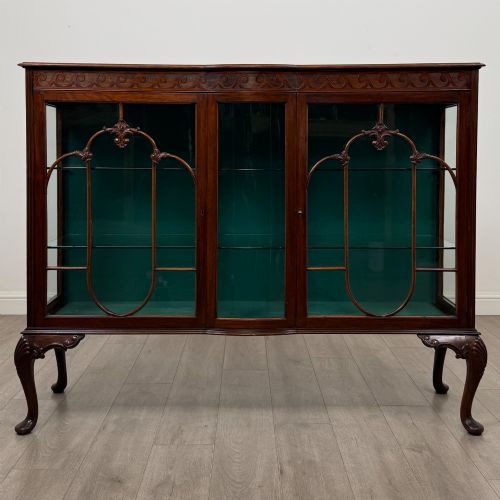
The inventory encompasses tall breakfront libraries, slim corner cabinets, and glazed vitrines designed for wall hanging or floor standing. Victorian and Edwardian iterations dominate the current selection, frequently featuring glazed upper doors and adjustable internal shelving.
Makers utilised rich timber framing to construct both single pieces and grand two-part breakfront bookcases. Smaller corner cupboards and bedside display stands also appear frequently across the catalogue.
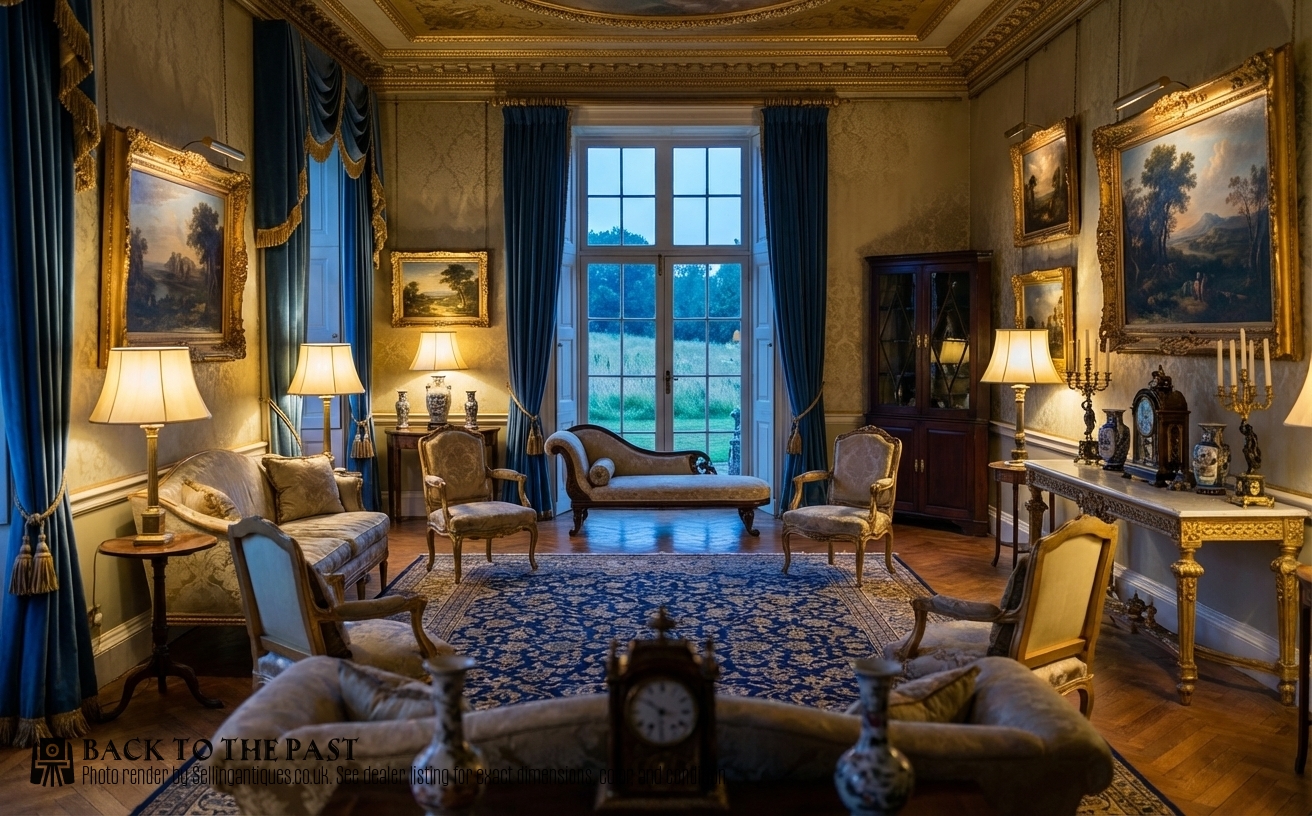
Materials and Construction
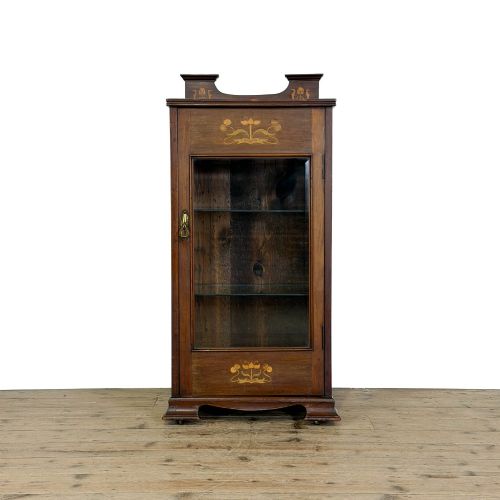
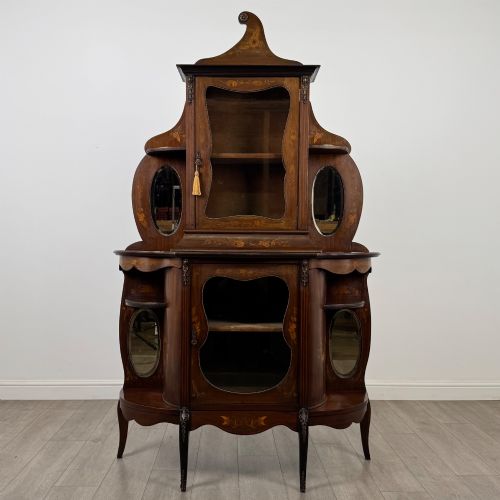
Cabinet makers relied primarily on solid mahogany and figured mahogany veneers, often enhanced with delicate satinwood inlay, marquetry, and painted decoration. Structural integrity relied on traditional joinery techniques paired with brass hardware.
Glazing bars divided the glass panels into geometric patterns, whilst internal mirrors and fabric linings occasionally added depth to the display compartments. Oak and other secondary timbers frequently formed the internal carcase and drawer linings.
Mahogany Display Cupboard Retail Price Guide 2026
Typical asking prices for mahogany display cupboard among the pieces listed under this phrase on Sellingantiques today, from the lower quarter to the upper quarter. They describe what is for sale here now, not the wider market.
Materials recorded across the inventory include solid mahogany, glass, brass, satinwood inlay, and mirror.
Craftsmanship and Proportion
Quality rests upon the selection of figured timber veneers, the crispness of carved ornamentation, and the precision of inlaid banding. Superior examples maintain balanced proportions and feature original glass panes alongside intact brass handles and working locks.
Finer items demonstrate meticulous attention to internal details such as adjustable shelving systems and refined backboards. Lesser examples show simpler construction with plain timber panels and heavier, less harmonious proportions.
Jas Shoolbred·Gillows·Edwards and Roberts
The Mahogany Display Cupboard Glossary
- Astragal glazing
- Framework holding individual panes of glass within a cabinet door. These slender wooden mouldings often form delicate geometric patterns.
- Breakfront
- A cabinet design where the central section projects forward from the flanking wings. This architectural feature creates visual depth and presence.
- Marquetry
- Decorative patterns formed by fitting together small pieces of veneer into timber surfaces. Craftspeople utilise contrasting woods like satinwood to achieve floral or geometric motifs.
- Vitrine
- A glass-fronted cabinet specifically designed for displaying fragile porcelain and small artefacts. These pieces frequently incorporate mirrored backs to reflect light.
- Banded
- A border of contrasting veneer running along the edge of a shelf or door front. This technique frames the primary wood grain for enhanced visual contrast.
Mahogany Display Cupboard: Frequently Asked Questions
How do I date a mahogany display cupboard?
Dating relies on examining timber grain, construction methods, and stylistic cues present in the piece. Georgian items typically display simpler internal carcases and hand-cut dovetails, whereas Victorian and Edwardian examples incorporate machine-sawn elements and distinct revival ornamentation.
Hardware styles, glass clarity, and secondary woods like oak or deal provide further clues. Comparing these physical traits against documented period designs helps establish the decade of manufacture.
Can adjustable shelves be found in older cabinets?
Many Victorian and later cabinets incorporate adjustable shelving supported by wooden ratchets or metal pins. This practical feature allows owners to alter shelf heights to accommodate various items.
Earlier Georgian pieces more commonly feature fixed shelving integrated permanently into the cabinet carcase. Buyers should inspect the interior vertical walls for evidence of shelf support systems.
Where should I place a corner cupboard?
A corner cupboard effectively utilises neglected room angles while providing valuable display surface area. Tall floor-standing versions anchor dining rooms or drawing rooms, whereas hanging wall models suit compact hallways.
Placing these cabinets away from direct sunlight protects both the mahogany timber finish and any displayed contents. Adequate clearance must be ensured for doors to swing open fully.