
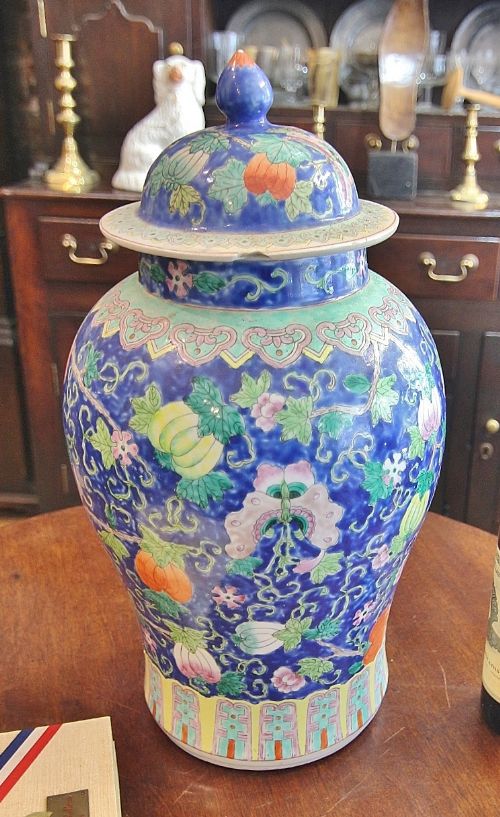

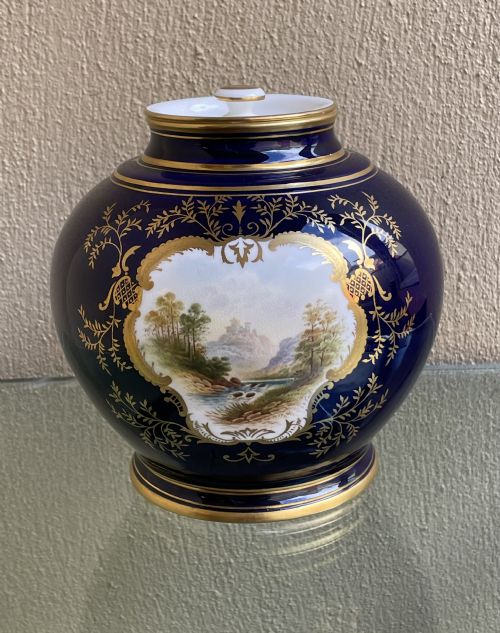

Lidded Ginger Jar
Lidded ginger jars are classic ceramic vessels designed for storage and display, offering both historic utility and striking decorative presence in any room.

Lidded Ginger Jar
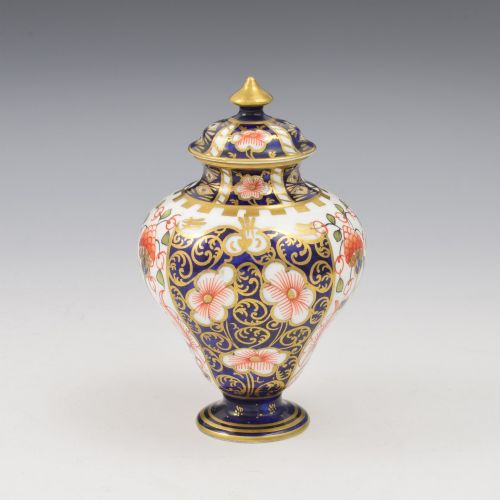
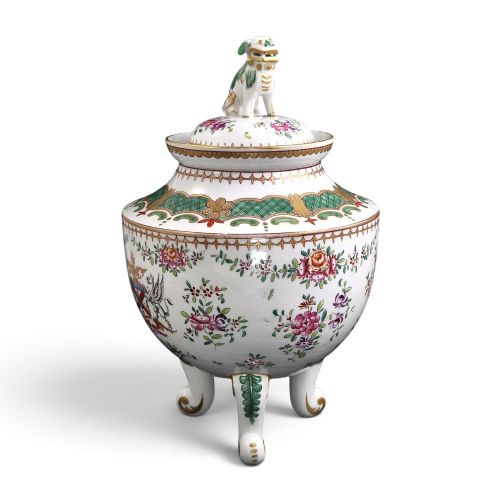
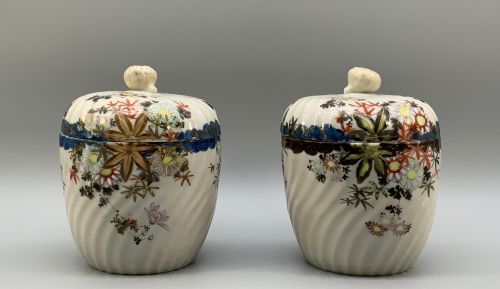
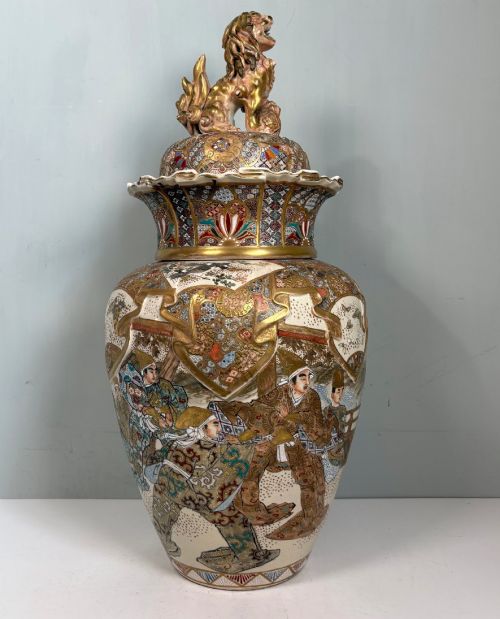
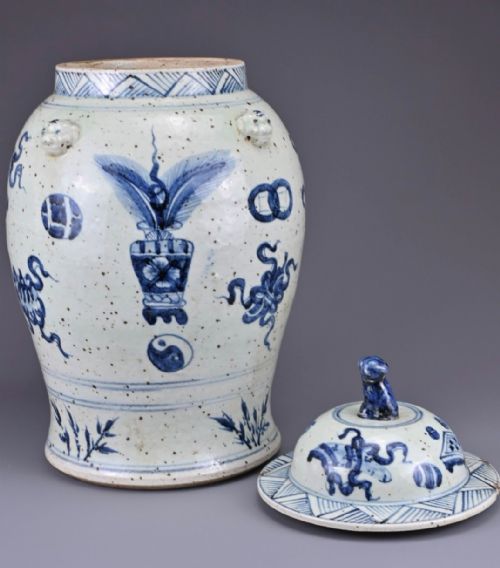
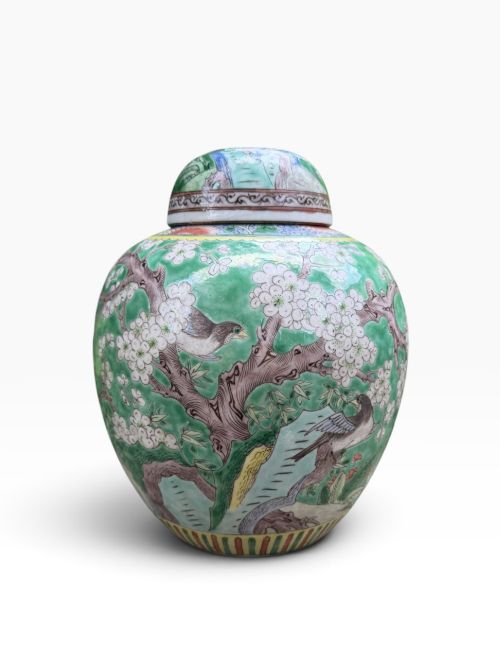
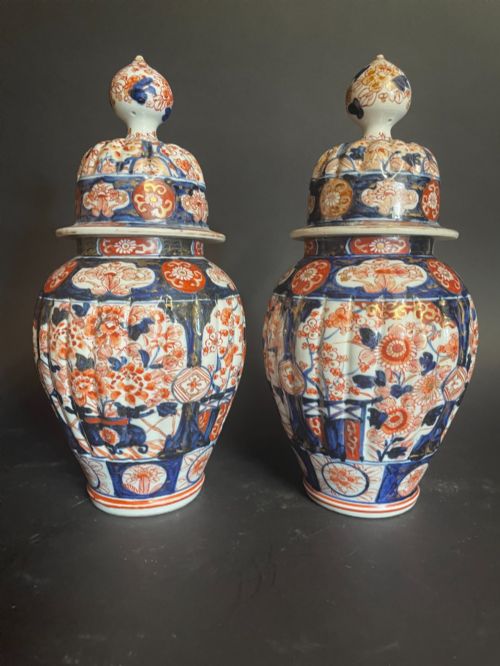
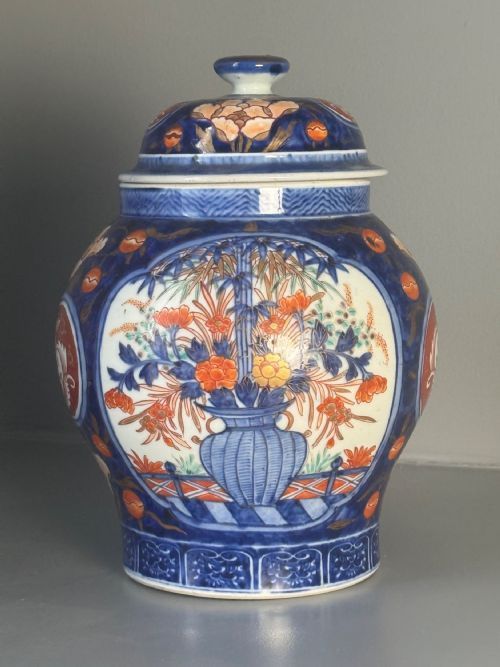
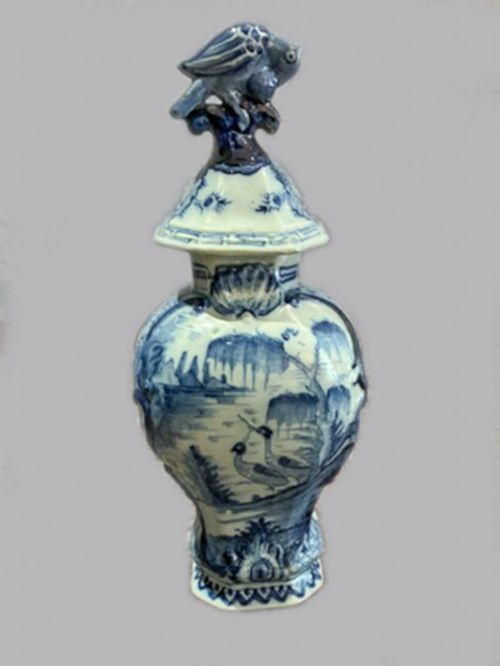
A lidded ginger jar is a covered ceramic vessel originally utilised for holding spices, later adapted purely for decorative display across European and Asian interiors. When searching this phrase, you will most frequently encounter nineteenth-century Japanese Imari examples alongside Chinese blue and white porcelain and European tin-glazed earthenwares.
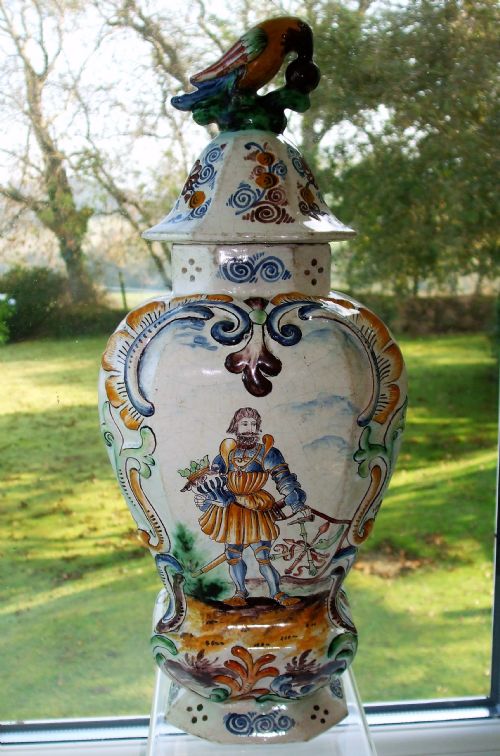
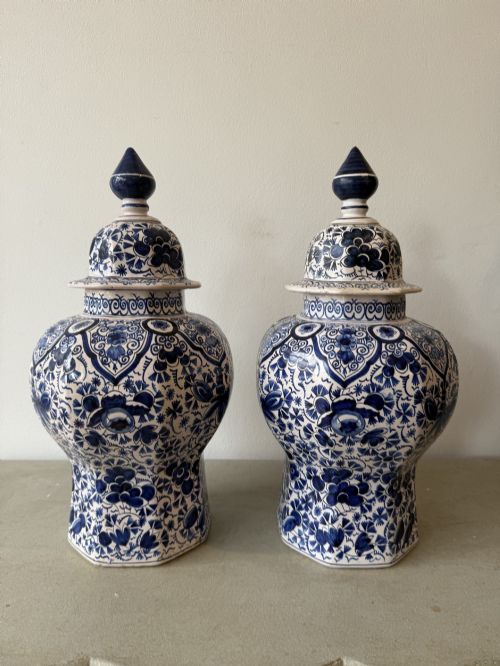
The objects span multiple centuries, from eighteenth-century Delftware to twentieth-century Art Deco pottery. Forms range from compact miniature pots to substantial baluster and octagonal vases complete with matching fitted covers.
How They Were Made
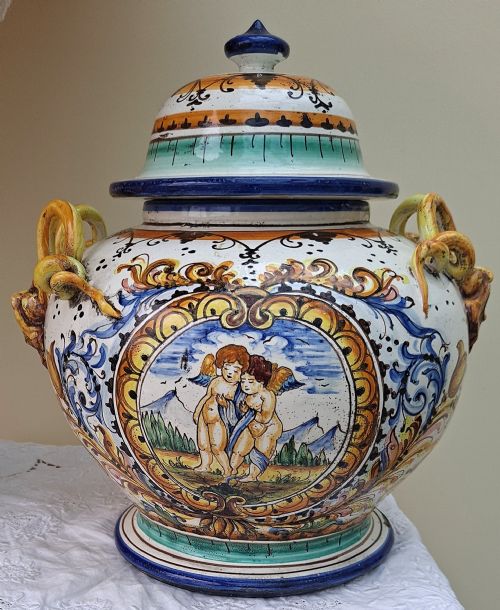
Makers utilised high-fired porcelain, earthenware, and ceramic bodies, often applying tin-glazes or protective glass coatings before hand-painting intricate patterns in cobalt blue, polychrome enamels, and gold leaf. Many pieces incorporated delicate gilding and cloisonne wirework to delineate complex floral and Chinoiserie motifs.
Potters shaped the jars on wheels or in moulds, firing them at high temperatures to achieve durable ceramic structures, while enamel decorations required subsequent lower-temperature kiln firings to set the pigments.
Listings feature porcelain, earthenware, and tin-glazed ceramic bodies spanning the eighteenth to the twentieth centuries.
What Varies in Quality
Quality rests upon the precision of the hand-painted decoration, where fluid brushwork and balanced compositions distinguish superior examples from repetitive workshop output. The crispness of the porcelain paste and the smooth application of glaze also dictate the refinement of the finished vessel.
The presence of matching original covers that fit the mouth of the jar securely elevates the integrity of the piece. Superior specimens often display intricate gilding, well-preserved enamel colours, and detailed potting that reflects the high standards of specific regional kilns.
Samson Paris·Fielding’s Crown Devon·Wolfsohn Dresden·Royal Crown Derby·Herend·Mason’s·Coalport·Moorcroft
The Lidded Ginger Jar Glossary
- Imari
- A style of Japanese porcelain decorated in underglaze blue, iron red, and gold, highly popular for export during the nineteenth century.
- Delftware
- Tin-glazed earthenware produced in the Netherlands and England, typically featuring white surfaces painted with blue designs.
- Baluster
- A vertical architectural form with a rounded lower body tapering to a narrower neck, commonly seen in jar silhouettes.
- Chinoiserie
- European artistic styles reflecting Chinese motifs and decorative techniques, prevalent in eighteenth and nineteenth-century ceramics.
- Tin-Glazed Earthenware
- Pottery coated with a white opaque glaze containing tin oxide, providing a smooth canvas for painted decoration.
Lidded Ginger Jar: Frequently Asked Questions
What were lidded ginger jars originally used for?
These jars were originally manufactured in China to transport and store spices, herbs, and oils, protecting their contents from moisture and pests.
Over time, European households repurposed them purely as decorative mantelpiece ornaments or garniture sets.
How do I identify a Japanese Imari jar?
Japanese Imari pieces typically feature a distinct palette of deep underglaze cobalt blue, rusty iron-red, and accents of gold leaf.
Motifs frequently include floral arrangements, brocade patterns, and landscapes painted across porcelain bodies.
Are Dutch Delft jars made of porcelain?
Dutch Delft jars are composed of tin-glazed earthenware rather than true high-fired porcelain, giving them a slightly softer body.
Potters applied a white opaque glaze over the buff-coloured clay before painting blue designs directly onto the surface.
How should I display lidded ginger jars at home?
These jars look striking displayed as symmetrical pairs on sideboards, mantelpieces, or open shelving units.
Their substantial forms and colourful patterns provide strong focal points in both traditional and contemporary interiors.