






Famille Rose Temple Jar
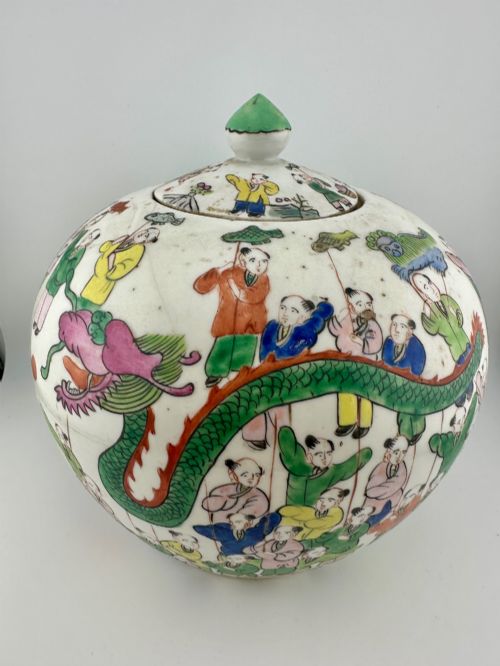
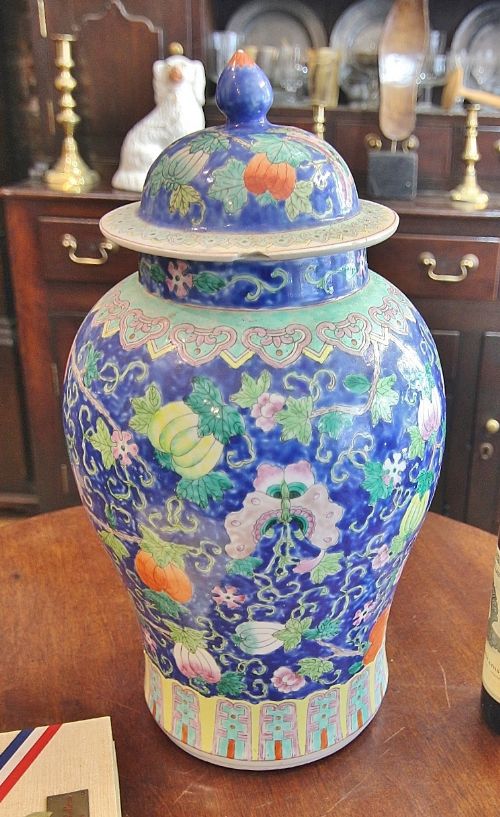
These famille rose temple jar pieces bring vibrant overglaze enamel colour and historic Qing Dynasty character into a room.
Famille Rose Temple Jar
When you search for a famille rose temple jar, you are looking at porcelain vessels carrying a distinctive pink enamel palette. These objects span periods from the 19th century and 1880 through to 1940, including Victorian examples.
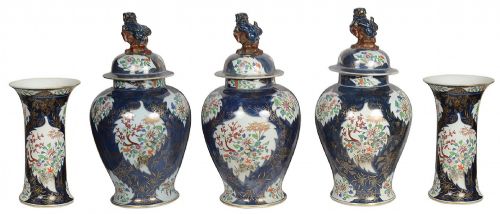
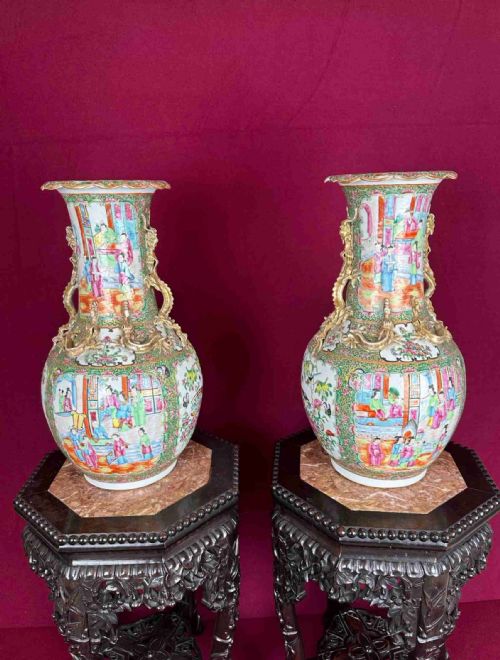
The items on this page appear as monumental floor vases, ginger jars, lidded vases, and paired decorative pieces. Some groupings integrate these ceramic vessels with padouk wood tables or convert them into table lamps.
Materials and construction
These pieces are built from porcelain decorated with glaze and overglaze enamel, occasionally highlighted with gold leaf. The decorative styles draw upon Chinese export porcelain and Chinoiserie traditions.
Associated wooden elements utilise padouk wood, while other examples incorporate fabric components when adapted for lighting or display.
Famille Rose Temple Jar Retail Price Guide 2026
Typical asking prices for famille rose temple jar among the pieces listed under this phrase on Sellingantiques today, from the lower quarter to the upper quarter. They describe what is for sale here now, not the wider market.
Some nineteenth-century makers evidently decided that porcelain jars made exceptionally fine lamp bases if you drilled a hole through the bottom.
Judging quality and execution
Quality rests upon the fineness of the overglaze enamel painting and the precision of the porcelain body. Pairs demonstrate greater decorative harmony when the palette and motifs match evenly across both vessels.
Scale and presence distinguish monumental floor pieces from smaller domestic vases. The integration of secondary materials, such as carved padouk wood stands, further influences the character of the piece.
The Famille Rose Temple Jar Glossary
- Famille rose
- A ceramic palette defined by the use of an opaque pink enamel, introduced during the Qing Dynasty. This colour scheme characterises the various Chinese export vases and jars found here.
- Overglaze enamel
- Pigments applied over a fired and glazed porcelain surface before undergoing a secondary, lower-temperature firing. This technique permits complex polychrome decoration.
- Padouk wood
- A dense timber utilised for occasional tables and stands associated with these oriental pieces. Its deep reddish-brown tone complements the porcelain body.
- Ginger jar
- A ceramic vessel originally designed for storage, featuring a broad shoulder and a domed lid. These forms frequently serve as decorative lamps or garniture elements in nineteenth-century interiors.
Famille Rose Temple Jar: Frequently Asked Questions
What is a famille rose temple jar?
A famille rose temple jar is a porcelain vessel decorated with an opaque pink enamel palette alongside other polychrome pigments. These pieces originate from Chinese export traditions spanning the nineteenth and twentieth centuries.
Such vessels were produced in various sizes, from monumental floor vases to lidded ginger jars. They frequently appear in matched pairs or groupings.
How do I date these porcelain pieces?
Dating relies on stylistic markers, materials, and documented period characteristics such as Qing Dynasty manufacturing techniques or Victorian mounting. Nineteenth-century examples often display distinct Canton or Rose Medallion enamel work.
Comparing the baseline porcelain body, glaze consistency, and overglaze enamel application helps differentiate 1880 pieces from later 1940 iterations.
Were these jars used in temples?
Despite the traditional terminology, many large porcelain jars were produced for export and domestic display rather than strictly religious temple use. They functioned primarily as decorative garniture or storage vessels in grand interiors.
Over time, collectors and merchants applied the temple jar descriptor to large lidded ginger jars and monumental floor vases.
How do I live with a temple jar lamp?
Ginger jars converted into table lamps provide ambient lighting while retaining their historic porcelain bodies and enamel decoration. They require placement on stable surfaces such as padouk wood tables to support their weight.
Pairing these lamps with appropriate fabric shades balances the visual scale of the ceramic base within a room.