
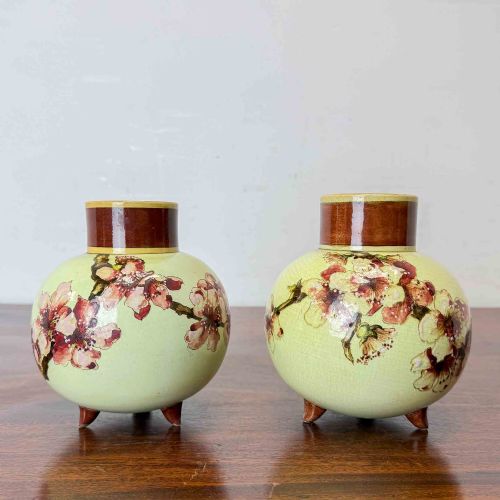


Late Victorian Pottery
Late victorian pottery brings together the robust utility and eclectic ornament of late nineteenth-century ceramic design, offering collectors a rich variety of decorative and domestic forms.
Late Victorian Pottery
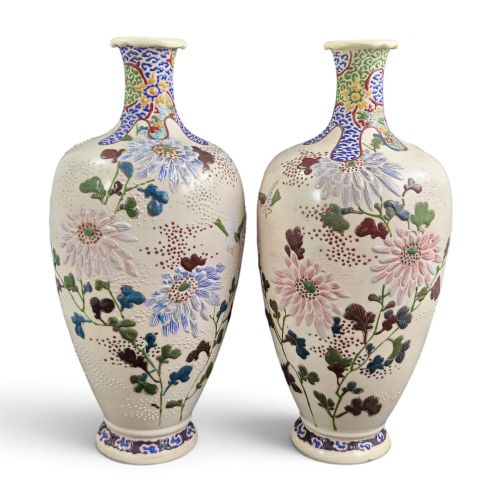
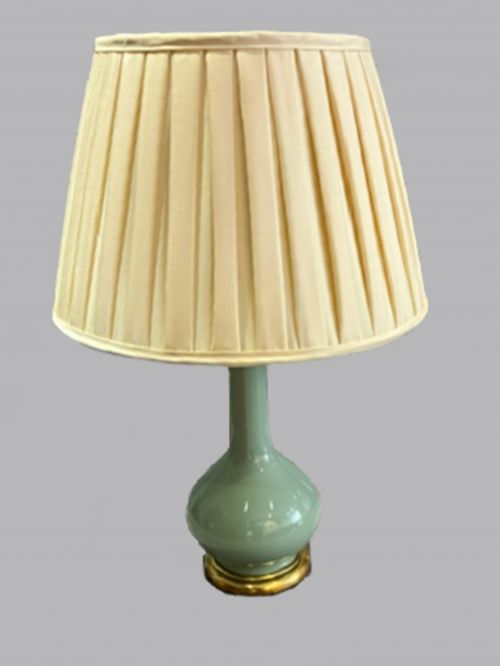
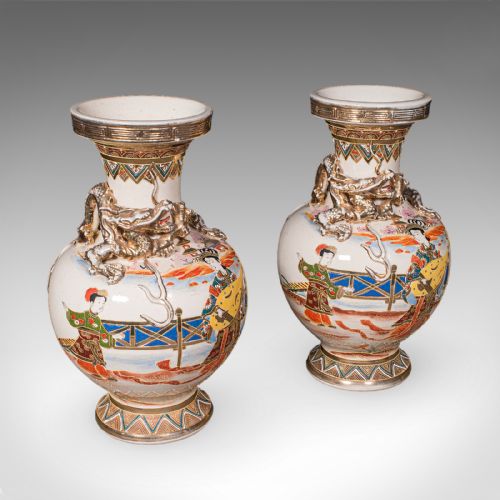
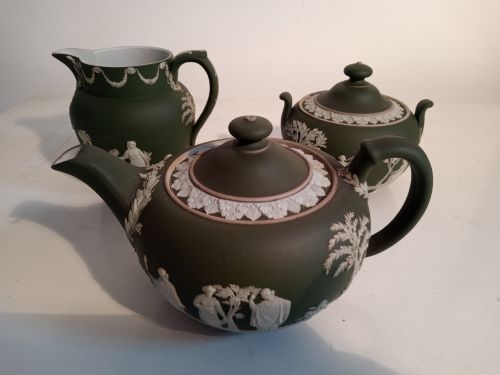
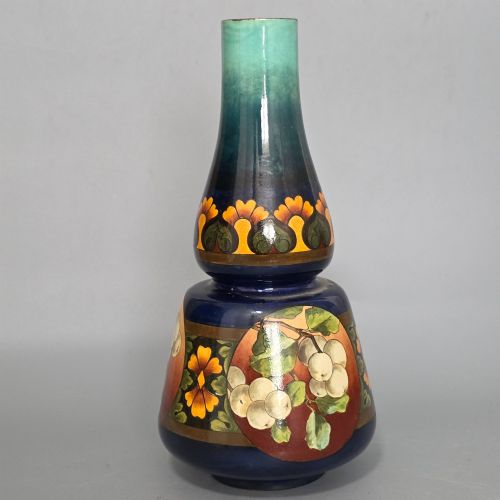
Late victorian pottery encompasses diverse ceramic objects produced primarily during the final decades of the nineteenth century, reflecting the tastes of the period from historic revivalism to nascent modernism. The selection frequently includes decorative vases, jugs, plant stands, and tableware created by prominent British potteries and international workshops.
Vessels on this page span several stylistic movements, notably the Aesthetic Movement, Art Nouveau, and Arts and Crafts, alongside traditional Victorian motifs. Forms range from domestic items like spoon warmers and inkwells to grand pedestals and architectural garden ornaments.
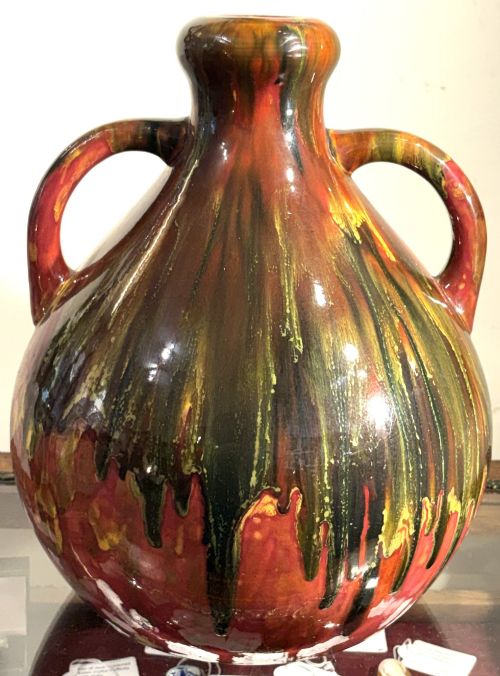
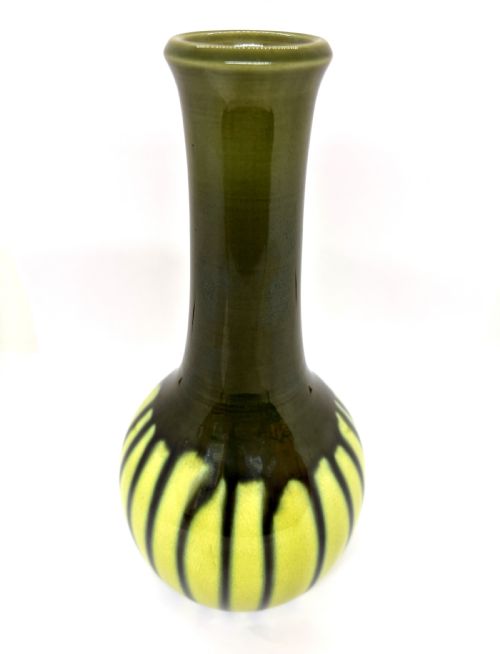
The material output is broad, covering earthenware, stoneware, majolica, and porcelain, often decorated with intricate hand-painted designs or specialised glazes. Buyers encountering these pieces find a tangible record of late nineteenth-century manufacturing prowess and artistic experimentation.
Evaluating Quality
Quality in late victorian pottery depends largely on the crispness of the moulding and the skill involved in the hand-application of glazes and enamels. Pieces originating from recognised experimental studios or decorated by named artists display superior artistic ambition compared to standard commercial output.
The refinement of the ceramic body and the complexity of the decorative scheme further separate ordinary wares from exceptional examples. Successful integration of contemporary styles, such as Art Nouveau or Aesthetic Movement lines, indicates higher design merit.
Listings feature earthenware, stoneware, and porcelain across periods ranging from the 1860s through to 1900.
Doulton Lambeth·Burmantofts Pottery·Minton·Moorcroft Macintyre·Thomas Forester and Sons
The Late Victorian Pottery Glossary
- Faience
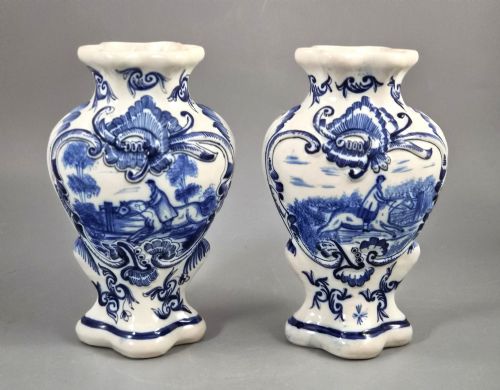
- Tin-glazed earthenware, often richly decorated with painted designs before firing. This technique allowed potteries to achieve vibrant pictorial surfaces on decorative vases and wall plaques.
- Majolica
- A type of earthenware coated with an opaque tin glaze and painted with brightly coloured metallic oxides. It was widely used for Victorian animal figures, sardine boxes, and garden ornaments.
- Salt glaze
- A vitreous coating formed by throwing common salt into the kiln during high-temperature firing. The process produces a characteristic textured surface resembling orange peel, frequently seen on durable stoneware jugs.
- Lustre glaze
- A metallic glaze that creates an iridescent sheen on the ceramic surface through reduction firing. It was favored by art pottery studios seeking shimmering, light-catching effects.
- Baluster
- An architectural shape featuring a rounded body tapering to a narrow neck, commonly found on decorative vases from this era.
Late Victorian Pottery: Frequently Asked Questions
How do I date late Victorian pottery?
Dating relies on combining stylistic markers, registration marks, and known operating periods of specific potteries and decorators. Many pieces incorporate impressed factory ciphers or artist monograms that narrow production down to specific decades.
Examining the glaze composition and stylistic influences, such as the emergence of Art Nouveau around the turn of the century, provides further chronological context.
Were these items purely decorative?
While many vases, plaques, and jardinieres served strictly ornamental purposes, a large portion of the output had domestic utility. Items included tea sets, inkwells, umbrella stands, and spoon warmers designed for everyday Victorian life.
Even highly decorative pieces often integrated practical forms, blending aesthetic ambition with the functional requirements of nineteenth-century households.
What is art pottery?
Art pottery refers to ceramic wares produced either by independent studios or specialised departments within larger potteries, focusing on artistic expression rather than mass production. These pieces emphasise unique glazes, hand-thrown forms, and the individual touch of named designers.
Such works represent a departure from standard industrial manufacturing, drawing influence from the Arts and Crafts movement.
How should I display pottery at home?
Late Victorian ceramics suit varied interiors, whether grouped by maker on a dedicated shelf or integrated singly among modern furnishings. Sturdy forms like stoneware jugs and umbrella stands function well in hallways or as structural accents in living spaces.
More delicate pieces, such as painted porcelain vases or cabinet plates, benefit from stable placement away from direct foot traffic where their glaze details can be appreciated.