


Antique Porcelain Miniatures
Antique porcelain miniatures are tiny ceramic vessels, plaques, and figures from past centuries that concentrate fine craftsmanship into diminutive scales for collectors.
Antique Porcelain Miniatures
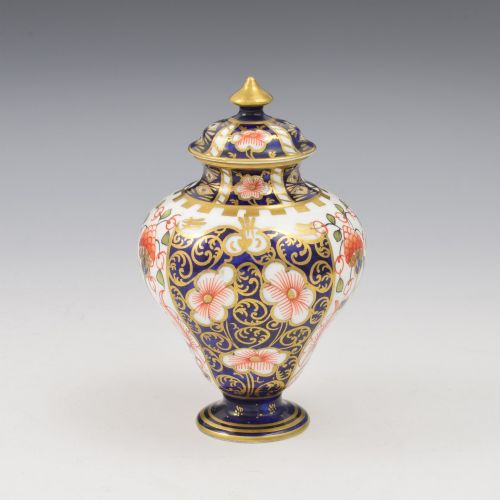
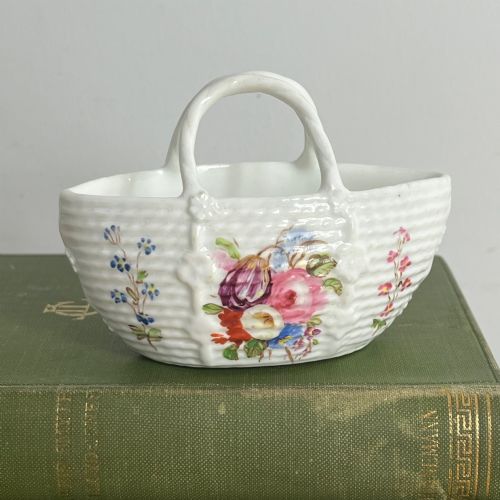
Antique porcelain miniatures encompass an array of diminutive items, including vases, tea services, snuff bottles, clocks, and hand-painted wall plaques. Buyers searching this phrase most frequently encounter 19th-century English, European, and Japanese pieces, spanning Victorian, Edwardian, and Meiji periods.
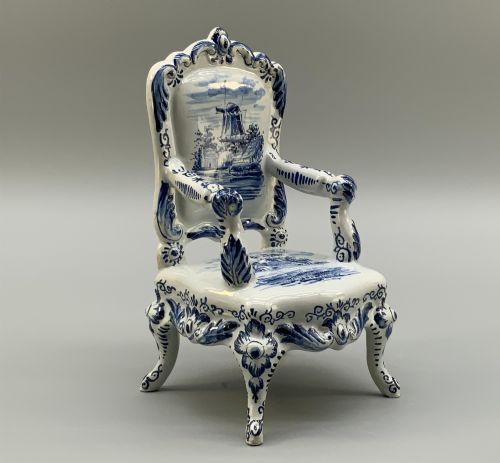
The category ranges from utilitarian shapes like miniature jugs and bowls to decorative items such as Dutch Delft armchairs and Satsuma vases. These small-scale works demonstrate how potteries and workshops applied full-scale artistic techniques to miniature objects.
How they were made
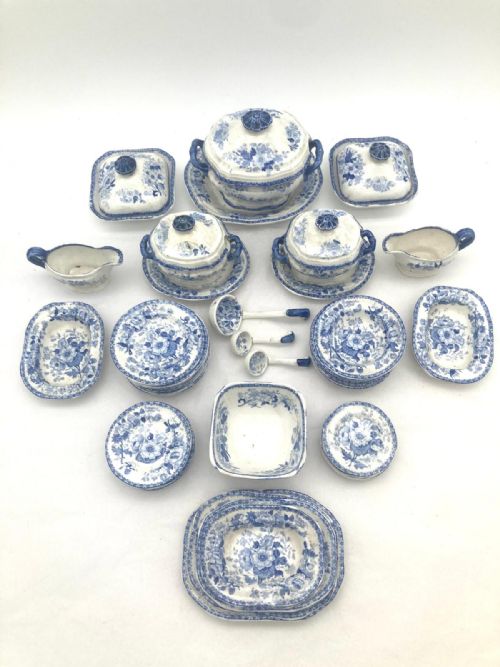
Potters shaped these miniature forms from ceramic and porcelain bodies, often finishing them with coloured glazes or blue and white transfer prints. Artisans then applied intricate hand-painted details, sometimes incorporating gold leaf and gilt highlights to accentuate the small designs.
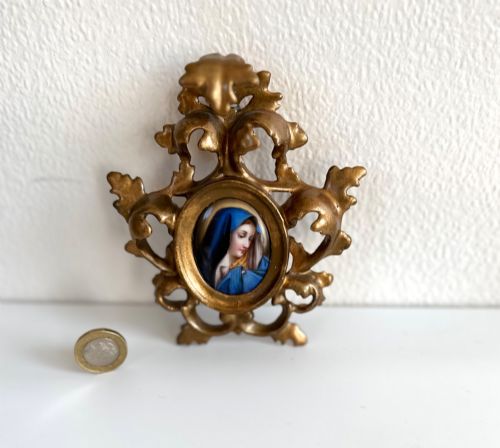
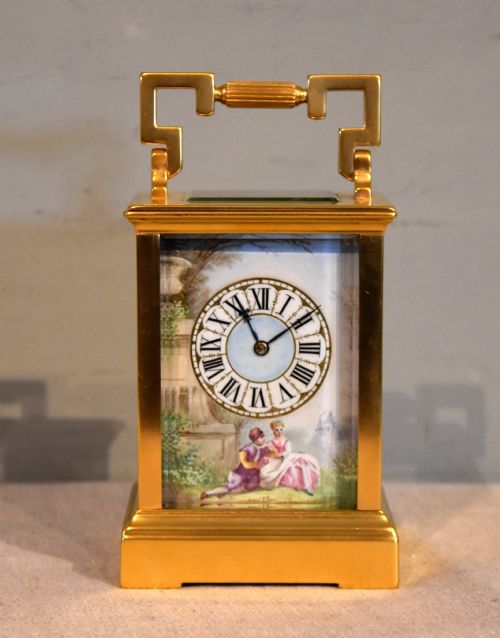
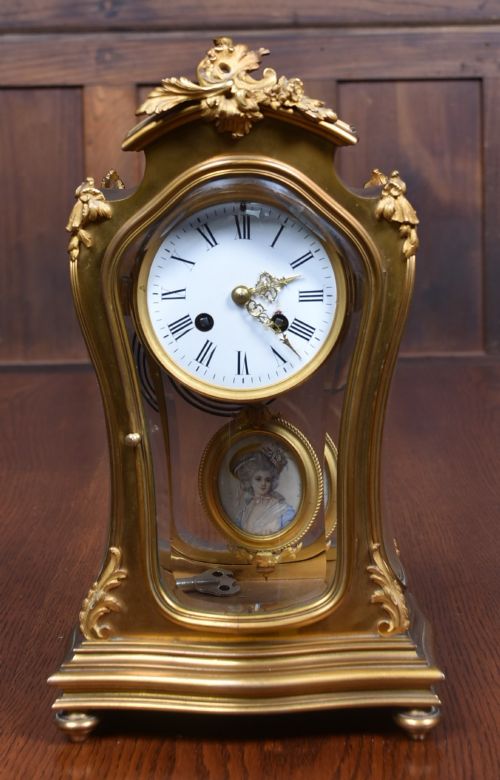
Many items required careful mounting into brass, bronze, or carved frames, particularly in the case of portrait plaques, carriage timepieces, and jewel boxes. Satsuma and Imari pieces utilised distinct regional firing and decorating traditions involving fine enamels and intricate brushwork.
Makers squeezed entire historical processions, court scenes, and classical masterworks onto ceramic surfaces smaller than a teacup.
What varies in quality
Quality in antique porcelain miniatures rests upon the precision of the hand-painting and the clarity of the underlying ceramic body. Superior examples display crisp, deliberate brushwork on figures and florals, whereas lesser pieces show rushed or muddy decoration.
The sophistication of the mounting also dictates worth, as finely cast gilt brass or carved frames elevate a porcelain plaque or clock. Pieces bearing legible factory marks or artist signatures distinguish themselves from unmarked or mass-produced alternatives.
Royal Crown Derby·Flight Barr And Barr·Crown Staffordshire·Doulton Lambeth·Wedgwood
The Antique Porcelain Miniatures Glossary
- Imari
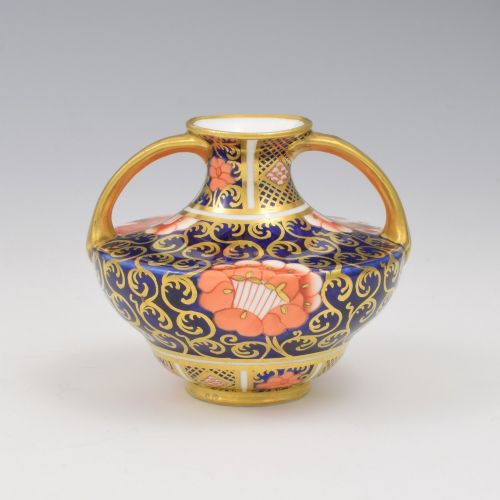
- A style of Japanese porcelain decorated in underglaze blue, iron red, and gilt. This aesthetic heavily influenced European potteries during the period.
- Satsuma
- A type of Japanese earthenware featuring a crackle glaze and elaborate polychrome enamel designs often heightened with gold. These wares frequently depict historical or family scenes.
- Flow blue
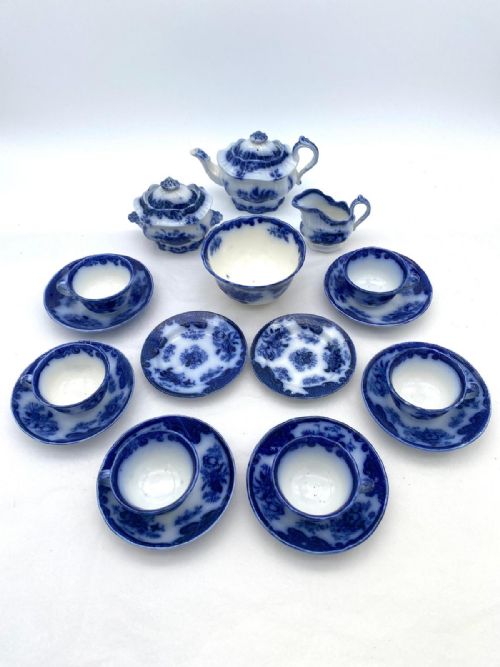
- A cobalt blue transfer-printing technique used on earthenware and porcelain where the colour blurred slightly into the white glaze during firing. This effect created a soft, hazy appearance on tea services and vessels.
- Delftware
- Tin-glazed earthenware produced in the Netherlands, known for its distinctive blue and white palette. Miniature furniture and vases in this tradition mimic larger Delft forms.
- Gilt
- A thin layer of gold applied to the surface of porcelain or metal mounts. It provides reflective highlights that complement the painted ceramic details.
Antique Porcelain Miniatures: Frequently Asked Questions
What are antique porcelain miniatures?
Antique porcelain miniatures are small-scale ceramic items produced primarily during the nineteenth and early twentieth centuries. They include tiny vases, tea sets, plaques, and decorative figures created by major potteries.
These pieces reflect the detailed artistic styles of their respective periods, scaled down for cabinet display or personal use. Makers applied the same techniques used on full-sized ceramics to these smaller canvases.
How do I identify Meiji period Satsuma?
Meiji period Satsuma pieces feature a characteristic ivory-coloured crackle glaze decorated with fine enamel paintings and gold leaf. They often bear artist signatures or workshop marks on the base.
These miniatures typically display dense figurative scenes, processions, or natural motifs. The craftsmanship emphasises minute detail across a very limited surface area.
Where were painted porcelain plaques displayed?
Painted porcelain plaques were typically set into carved wooden frames, metal mounts, or furniture items such as bookslides. They functioned as portable works of art for interior decoration.
Artists often painted these plaques after Renaissance masters or created original portraits and landscapes. Their small size made them suitable for intimate viewing within domestic spaces.