




Antique Miniature Vases
These antique miniature vases demand close inspection, packing fine detail and precise decoration into surprisingly small scales.
Antique Miniature Vases
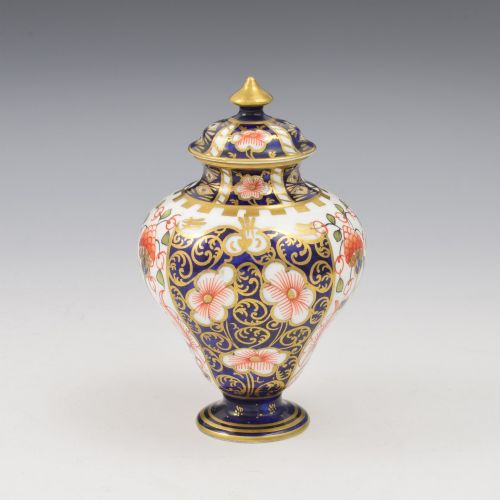
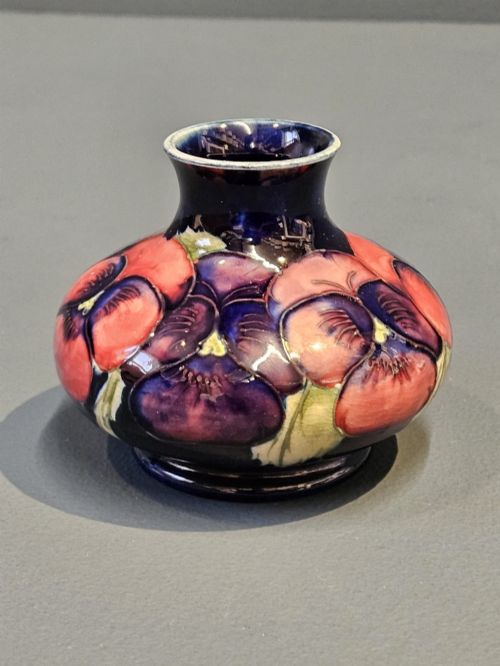
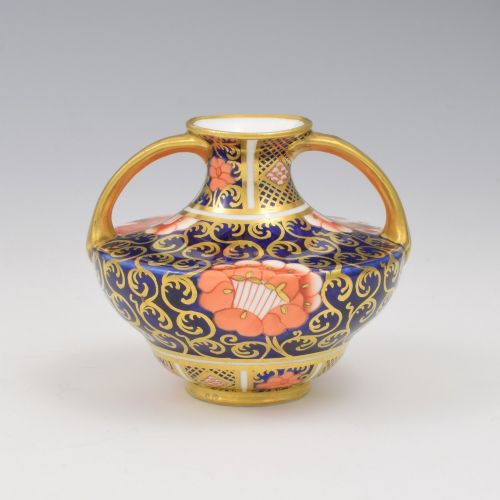
When you search for antique miniature vases, you encounter pieces designed to scale down larger ceramic, metal and glass forms into intimate objects. These pieces range from nineteenth century Japanese Satsuma and Imari wares to English porcelain from factories like Royal Worcester and Crown Derby.
You are most likely to meet ceramic vessels from the Victorian, Edwardian and Meiji periods, alongside smaller groups of cloisonné enamel, silver and bronze. Forms vary from simple bud vases and twin-handled urns to covered vessels and scent bottles.
Makers produced these works to showcase technical skill in miniature painting, throwing and metalwork, appealing to collectors who favoured concentrated artistry over utility.
How they were made
Porcelain and earthenware pieces rely on precise wheel-throwing or moulding, followed by hand-painted enamel decoration and gilding with gold leaf. Factories like Royal Worcester and Crown Derby combined meticulous glaze work with skilled brushwork.
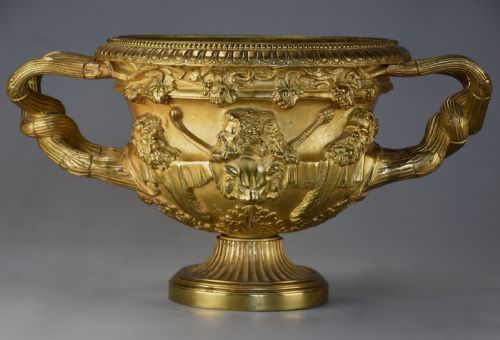
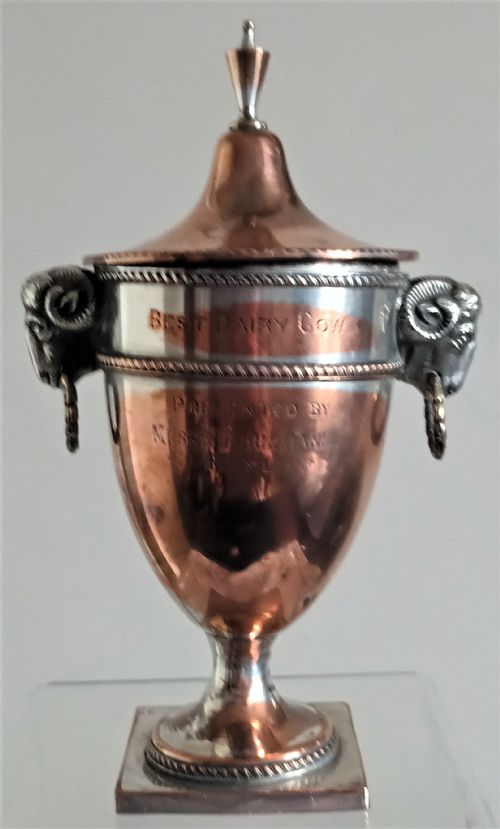
Metal versions utilise bronze, copper, brass, silver and Old Sheffield Plate, often cast or shaped before receiving detailed chased or cloisonné surface designs. Glass examples by makers such as Daum Frères employ specialised glass-working techniques suited to early twentieth century Art Nouveau aesthetics.
Some miniature vases doubled as scent bottles, letting Victorian owners carry their preferred aromas inside a piece of fine porcelain.
What varies in quality
Quality in these pieces rests on the crispness of the modelling and the precision of the hand-painted or enamelled detail. Finer works display controlled brushwork, sharp gilding and clear signatures from recognised artists or workshops.
Weaker examples show muddy enamels, hurried painting, or dull metal casting that loses the architectural clarity seen in grander items. The balance of proportion in miniature scale distinguishes superior pieces from ordinary production wares.
Royal Crown Derby·Moorcroft·Crown Staffordshire·Doulton Lambeth·Flight Barr And Barr·Royal Worcester·Daum Freres
The Antique Miniature Vases Glossary
- Imari
- A style of Japanese porcelain decorated in underglaze blue and iron red, with added gold and secondary colours.
- Satsuma
- A type of earthenware from Japan with a ivory crackle glaze, typically decorated with polychrome enamels and gilt.
- Cloisonné
- A metalwork technique where wire partitions form cells that are filled with enamel paste and fired.
- Campana urn
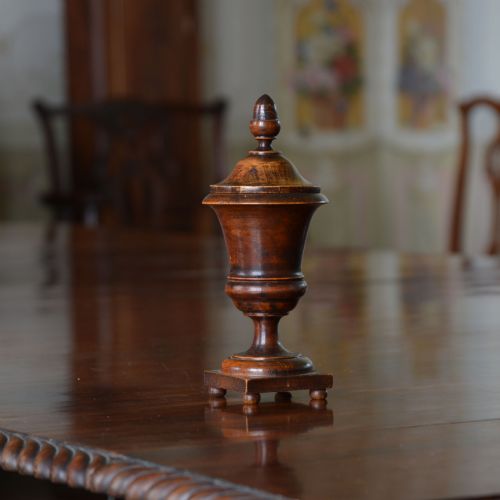
- A bell-shaped classical vessel form frequently rendered in metal, ceramic or wood during the eighteenth and nineteenth centuries.
- Gilt bronze
- Bronze objects treated with a gold application, sometimes through mercury amalgamation, to produce a bright metallic finish.
Antique Miniature Vases: Frequently Asked Questions
How were antique miniature vases used?
These small vessels served primarily as cabinet pieces, mantel ornaments or cabinet display items rather than for holding large floral arrangements. Their diminutive scale allowed collectors to display diverse ceramic and metal styles within limited domestic space.
Wealthy households also utilised them on writing desks, dressing tables or within specialised vitrines to demonstrate refinement and an eye for intricate craftsmanship.
What is cloisonne?
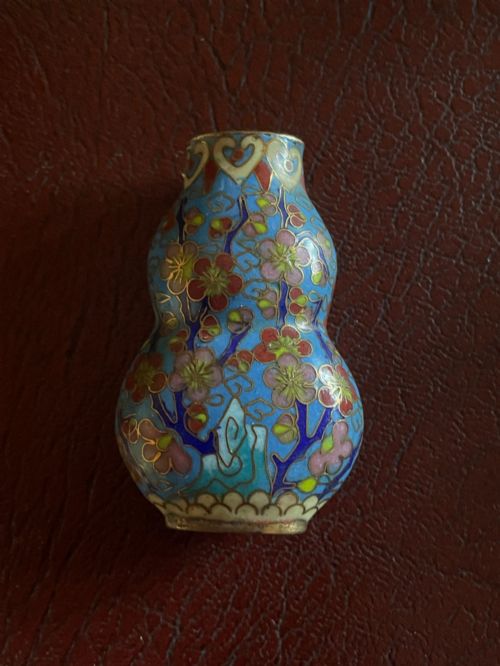
Cloisonné is a decorative metalwork technique where thin flat wires are soldered onto a metal base to create raised compartments, known as cloisons. Artisans fill these cells with coloured glass paste before firing and polishing the surface to a smooth finish.
This method produced durable miniature vases featuring complex floral or geometric patterns in vibrant colours.
How do I care for antique porcelain miniatures?
Keep these delicate objects away from direct sunlight to prevent fading on hand-painted enamels and gold leaf decorations. Dust them gently with a soft, dry brush rather than using liquid cleaners, which can seep into unglazed areas or crackle glazes.
Handle pieces by their main body rather than narrow necks or handles, as miniature joints are particularly susceptible to breakage.