


Blue Decorative Ceramic
Blue decorative ceramic pieces span centuries of kilns, bringing rich cobalt tones and hand-painted motifs directly into domestic spaces.
Blue Decorative Ceramic
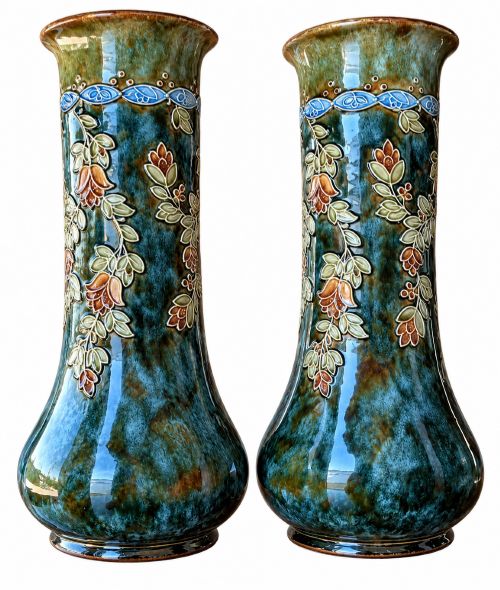
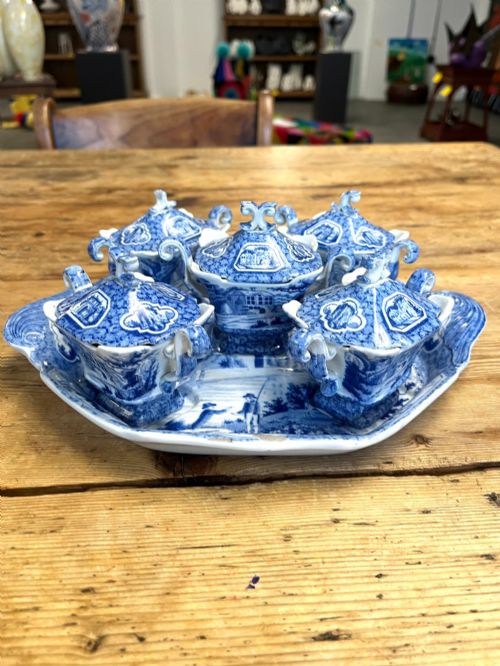
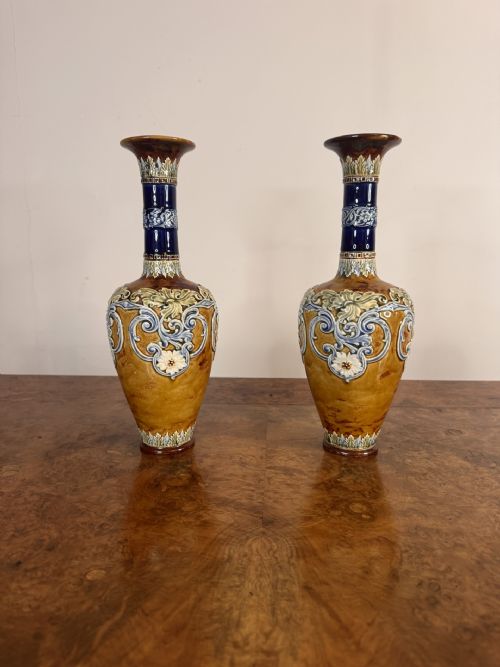
A search for blue decorative ceramic leads directly to utilitarian and display vessels shaped from fired earth, porcelain, and stoneware. The items span centuries of production, originating from English potteries, European factories, and Asian kilns.
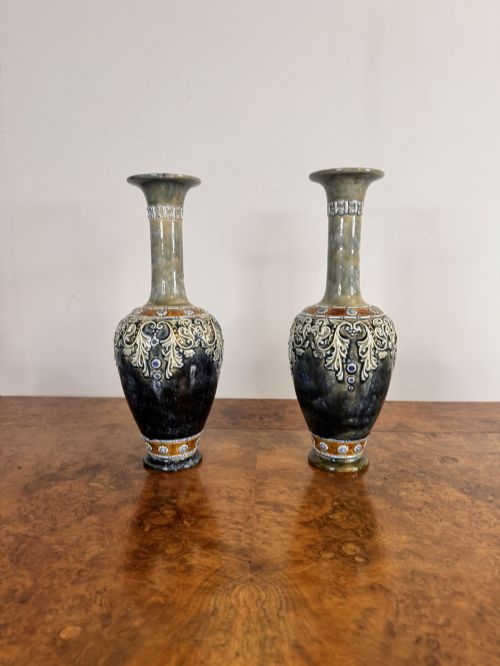
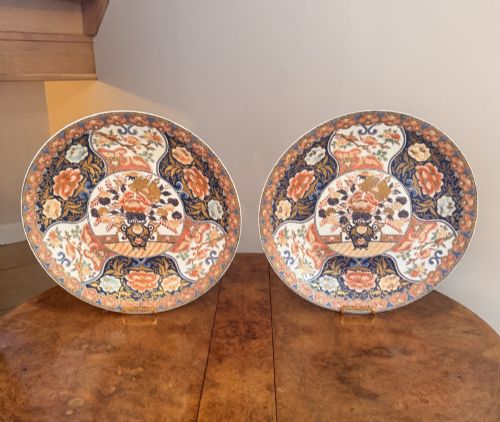
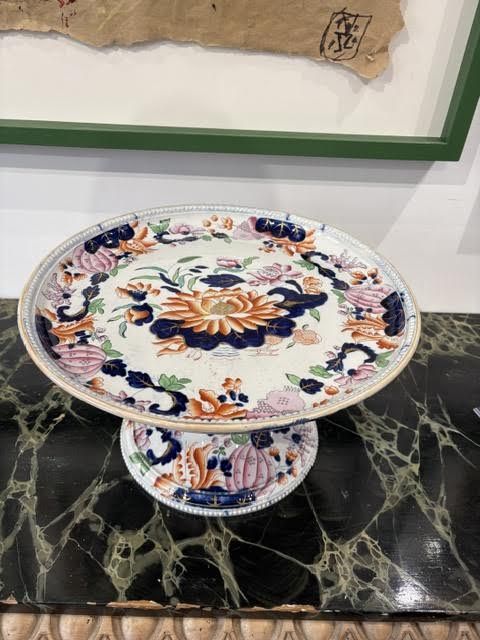
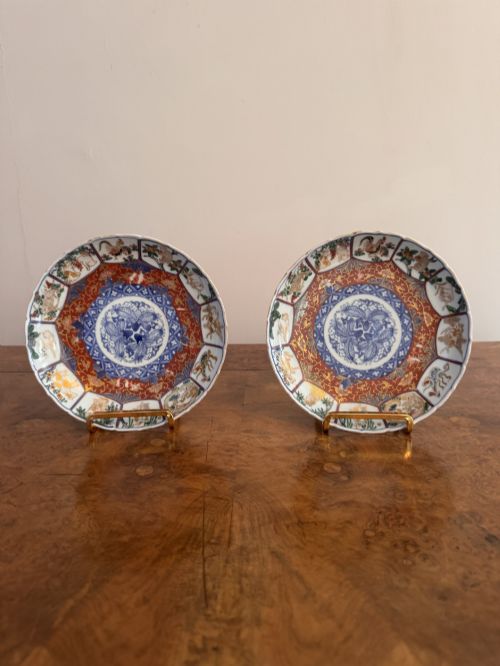
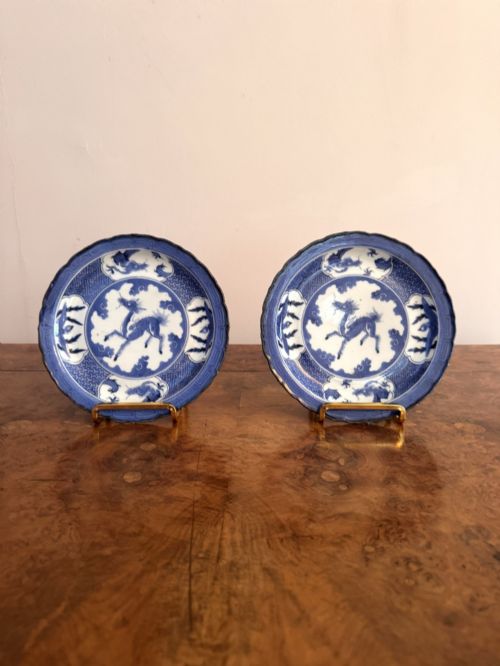
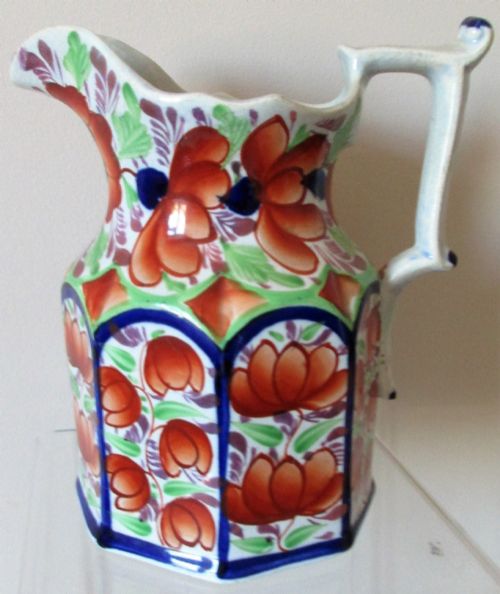
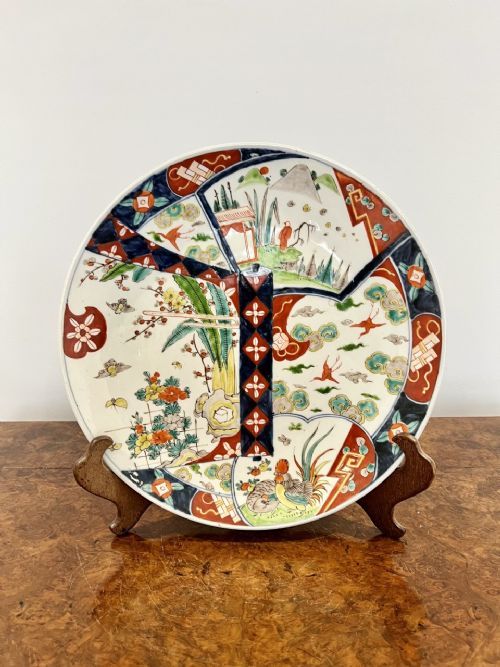
The most frequent examples encountered on this page take the form of chargers, plates, and vases decorated in deep cobalt pigments. These range from Japanese Imari plates and Chinese porcelain ginger jars to English stoneware and Delft chargers.
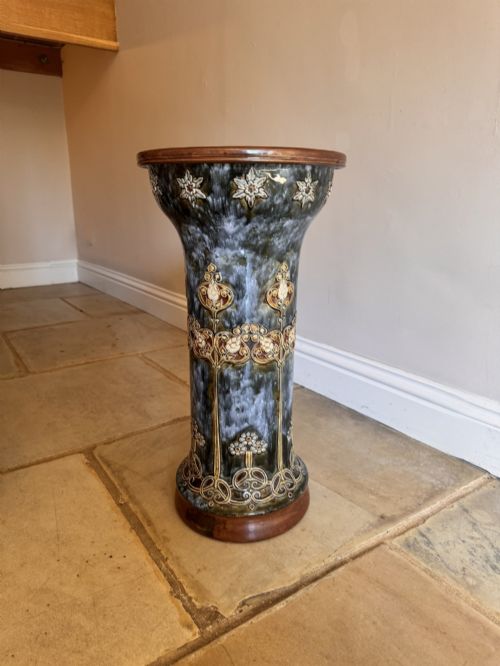
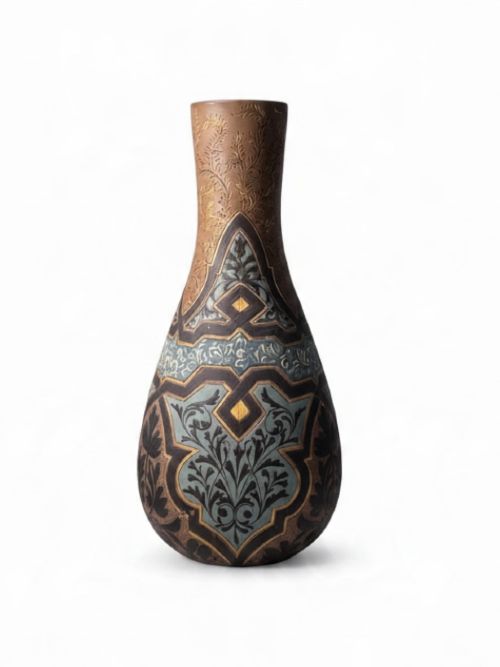
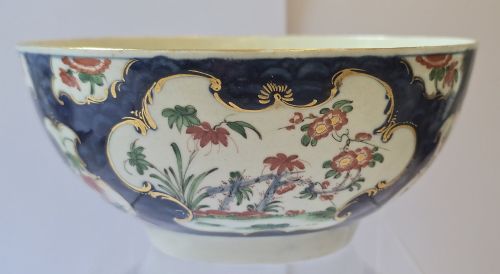
Makers and potteries such as Royal Doulton, Moorcroft, and Royal Crown Derby populate the selection, alongside earlier pieces from Worcester and Minton. Forms vary from small stem vases to large floor-standing vessels and jardinières.
Materials and production methods
Potters shape these items using earthenware, dense stoneware, and fine porcelain bodies before applying mineral glazes and cobalt oxides. Pigments are painted by hand beneath or over the glaze, sometimes supplemented by gold leaf or enamel detailing.
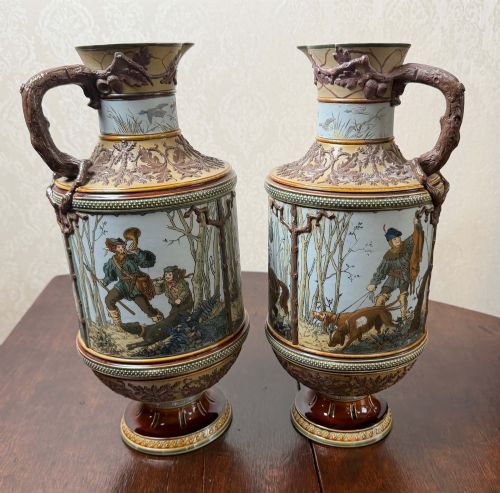
Firing takes place in high-temperature kilns that fuse the glaze to the clay body, creating durable surfaces with distinct sheens. Stoneware vessels often utilise salt glazing, while earthenware and porcelain receive opaque or transparent coatings to hold intricate blue and white designs.
Blue Decorative Ceramic Retail Price Guide 2026
Typical asking prices for blue decorative ceramic among the pieces listed under this phrase on Sellingantiques today, from the lower quarter to the upper quarter. They describe what is for sale here now, not the wider market.
Listings feature periods spanning from the eighteenth century through the 1920s, incorporating porcelain, earthenware, and stoneware.
Distinctions in quality
Quality rests in the crispness of the painted cobalt detail and the precision of the form when it emerges from the kiln. Early porcelain and earthenware show superior hand-painting where brushwork remains fluid and deliberate rather than mechanical.
The sophistication of the glaze and the complexity of the pattern define the upper tier of objects. Pieces bearing recognised factory marks or specific historical periods demonstrate higher refinement in both raw materials and decorative execution.
The Blue Decorative Ceramic Glossary
- Imari
- A style of Japanese export porcelain characterised by underglaze blue and iron red, frequently highlighted with gold.
- Charger
- A large decorative plate intended for display on a wall or sideboard rather than for practical dining use.
- Clobbered
- Refers to older blue and white porcelain or earthenware that received subsequent overglaze enamelling in foreign markets.
- Baluster
- A vase shape featuring a rounded body that tapers toward the neck, common in Chinese and Japanese ceramics.
- Jardinière
- An ornamental ceramic pot or stand designed to hold growing plants or flower arrangements indoors.
Blue Decorative Ceramic: Frequently Asked Questions
How are blue decorative ceramic chargers displayed?
Large chargers usually sit on plate stands or hang securely on walls to showcase their central painted motifs. Their scale makes them natural focal points within a room.
Collectors often group chargers with smaller bowls or vases to create balanced focal arrangements on sideboards and mantels.
What distinguishes Japanese Imari from Chinese porcelain?
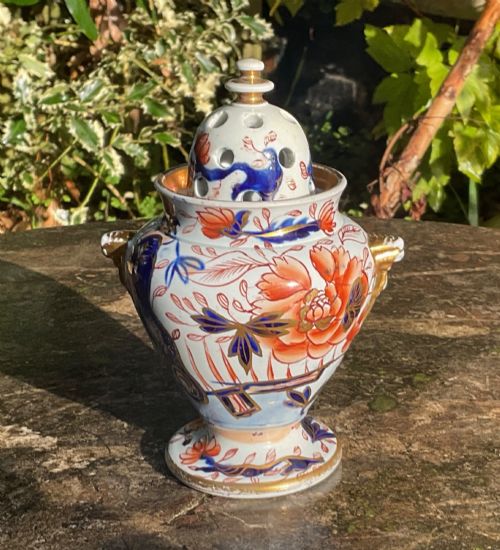
Japanese Imari typically combines deep underglaze blue with iron red and gold enamel overglaze details. The patterns tend to be dense and heavily patterned.
Chinese porcelain of similar periods often relies strictly on cobalt blue pigments beneath the glaze, focusing on botanical or figurative scenes.
How do I care for antique ceramic vases?
Dust these items gently with a dry microfiber cloth and avoid using chemical cleaning agents on painted surfaces. Moisture can seep into older unglazed bases.
Keep them away from direct sunlight and sudden temperature changes to protect delicate enamel and gold leaf accents.
When were blue and white Delft chargers made?
Many Dutch and English Delft chargers date from the eighteenth century, imitating Chinese export porcelain trends. They utilise tin-glazed earthenware.
The softer clay bodies and characteristic blue pigments create a distinct opaque surface texture that differs from hard porcelain.