
Large Standing Mirror
A large standing mirror commands a room, reflecting light and space through decades of craftsmanship.
Large Standing Mirror
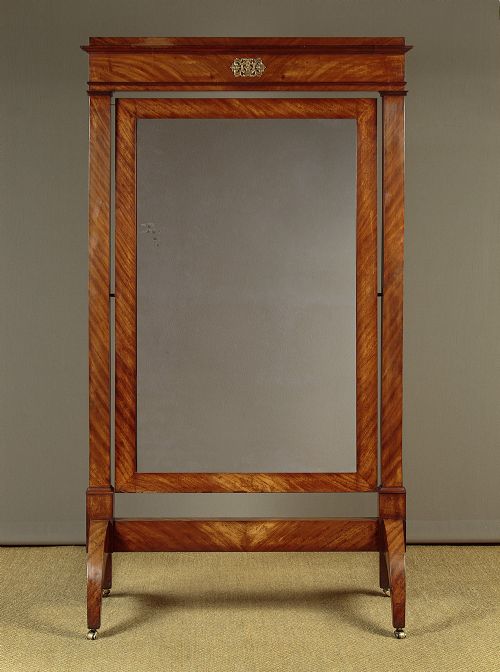
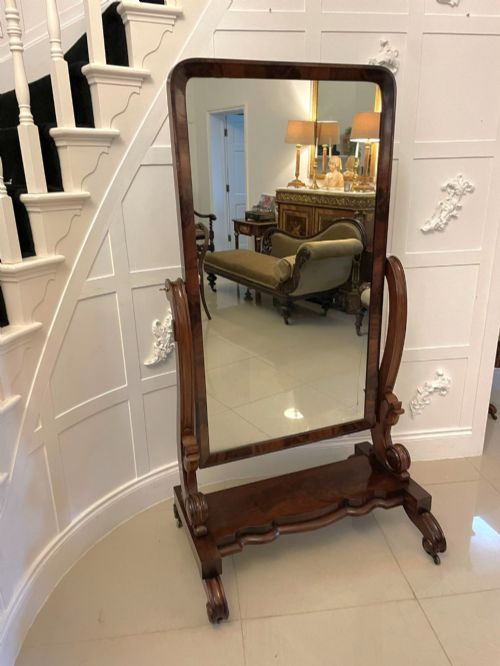
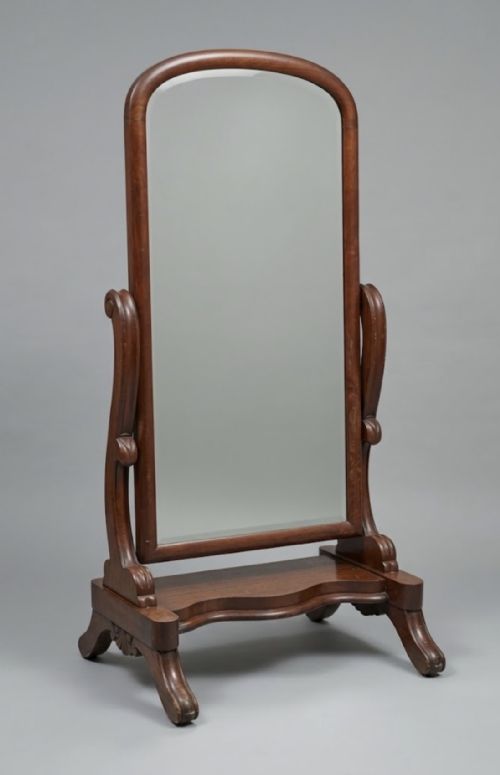
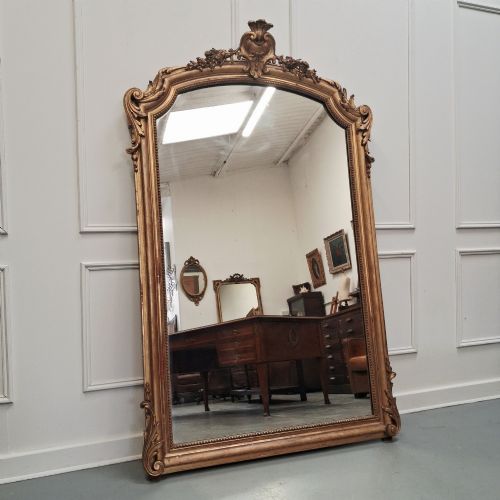
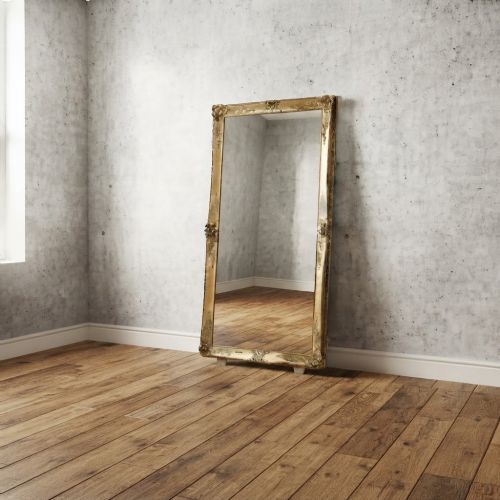
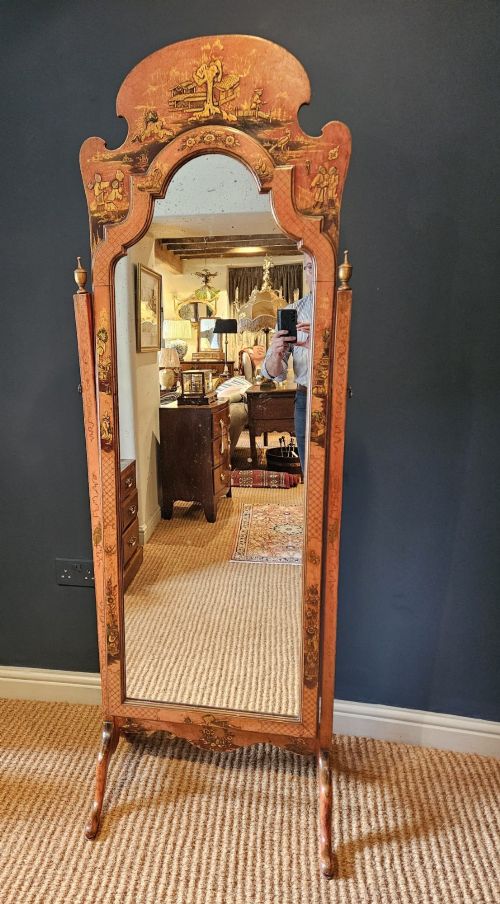
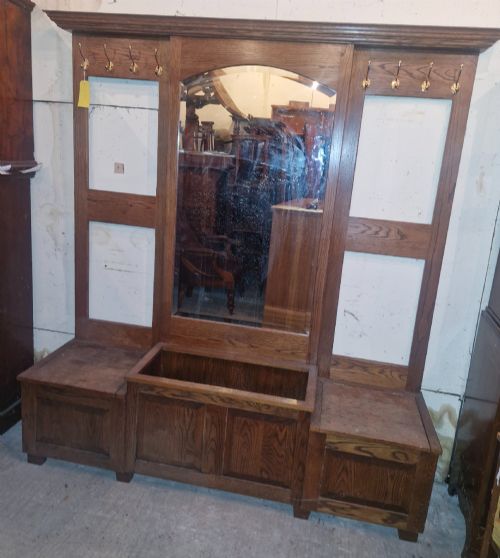
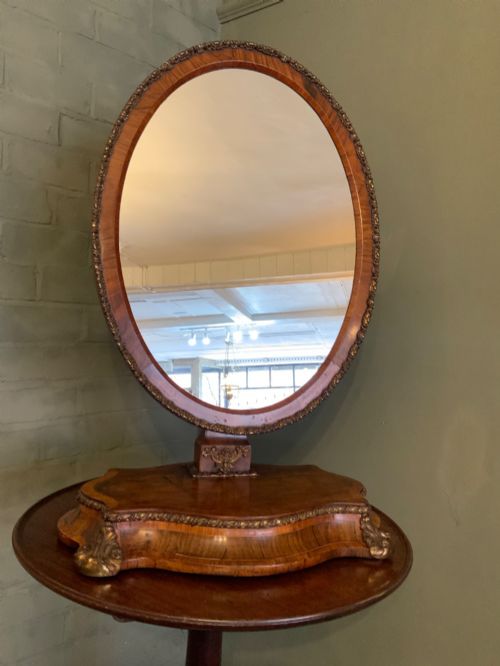
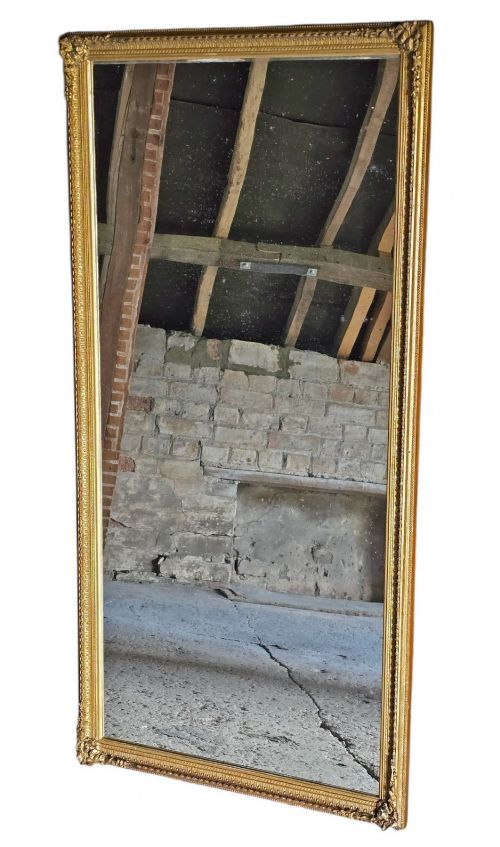
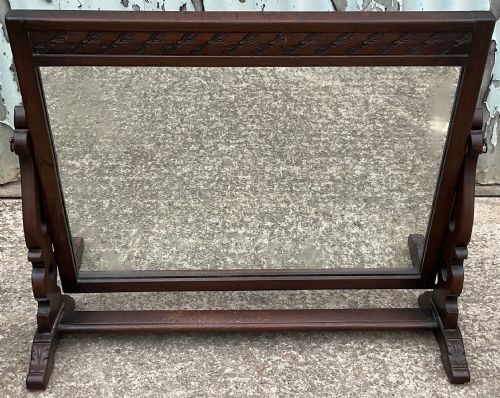
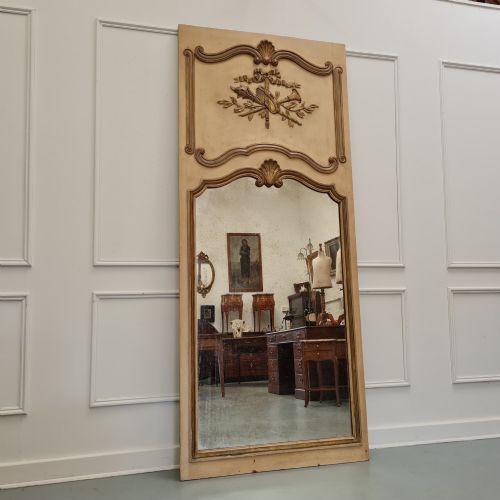
A large standing mirror serves as a functional and decorative centrepiece in a room, offering a full-length reflection. When you search for a large standing mirror, you meet cheval mirrors that swing on floor-standing frames, alongside substantial leaner mirrors designed to rest directly against a wall.
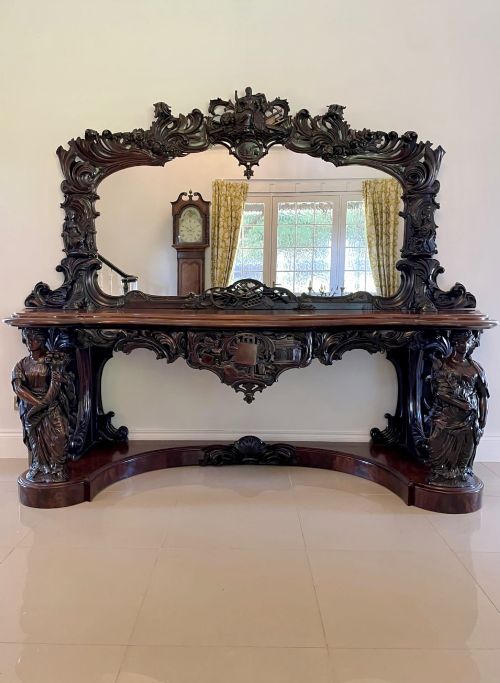
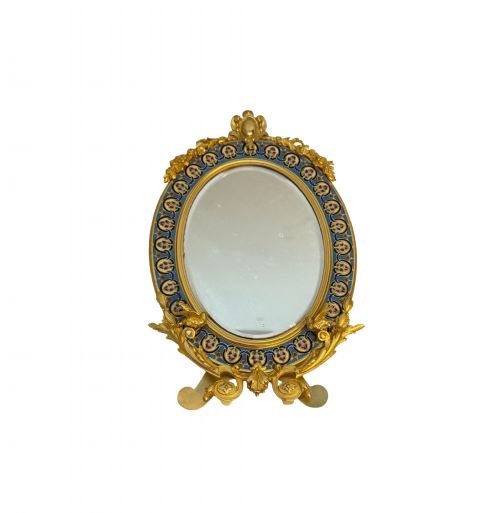
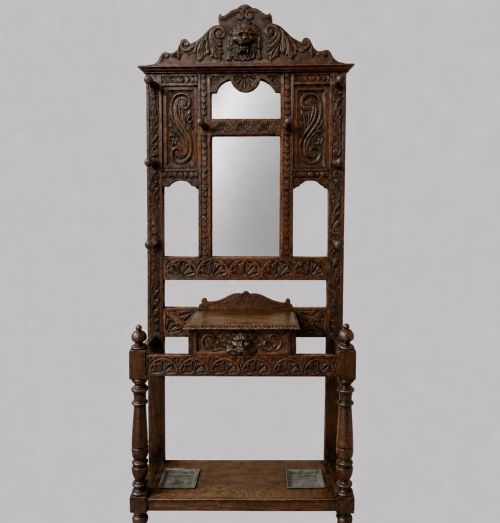
The pieces on this page span the nineteenth century into the early twentieth century, featuring Victorian, Regency, and French Chateau styles. Mahogany and oak dominate the timber frames, while giltwood, gesso, and brass bring decorative weight to the designs.
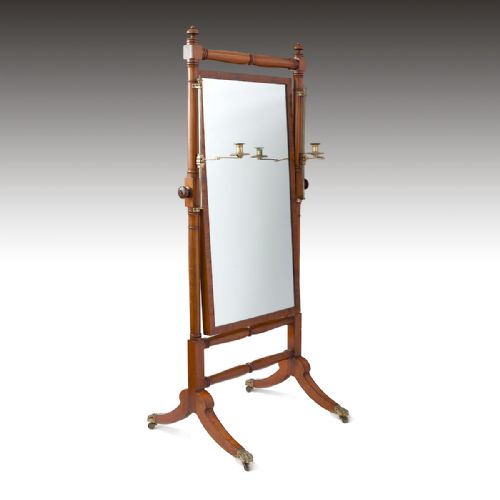
Cheval mirrors in mahogany from the Victorian and Regency periods appear frequently, often featuring adjustable frames and stable scrolled feet. Alongside these, French floor-standing and leaner mirrors provide tall proportions with painted or gilded finishes.
How they were made
Cabinetmakers constructed the wooden frames from solid mahogany, oak, and pine, frequently utilising carved gesso and applied gilding for ornamental detail. Brass pivots and fittings allowed swing frames to tilt smoothly within their standing supports.
Glass plates were silvered by hand in earlier examples, set securely into rebated frames to support the heavy weight of the mirror glass. Carved crests and decorative mouldings were joined to the main structure with traditional peg and dowel methods.
What varies in quality
The depth and crispness of the hand-carved ornament distinguish finer examples from simpler workshop output. In gilded pieces, the preservation of the original gesso and gold leaf under layers of time indicates careful ownership and superior initial craftsmanship.
Structural stability in the standing frame and the retention of original mirror glass with natural foxing determine the integrity of a piece. High-quality timber selection, such as figured mahogany or dense quarter-sawn oak, elevates the presence of the mirror.
Gillow
The Large Standing Mirror Glossary
- Cheval mirror
- A freestanding full-length mirror suspended on a vertical frame with side pivots. This allows the glass plate to tilt back and forth to the user's preference.
- Gesso
- A plaster-like mixture applied to wood frames to create a smooth surface for gilding or painting. Artisans mould and carve intricate relief patterns directly into this layer.
- Leaner mirror
- A tall mirror designed to stand on the floor while leaning against a wall without fixed wall brackets. These pieces rely on their own substantial weight and angled stance for stability.
- Ormolu
- Gilded bronze mounts applied to furniture and mirror frames for decorative effect. The technique involves a mercury-gilding process common in French pieces.
- Trumeau
- A decorative wall mirror paired with a painted or carved panel above the glass. It often fits into the architectural woodwork of a room.
Large Standing Mirror: Frequently Asked Questions
How do I secure a heavy standing mirror?
Leaner mirrors rely on their weight and rubber stops to stay secure against a wall, but safety brackets near the top frame prevent accidental tipping.
Positioning the base slightly away from the skirting board creates a secure backward angle that distributes the weight safely.
What is a cheval mirror used for?
A cheval mirror provides a full-length view for dressing and grooming in bedrooms or dressing rooms. The pivoted frame allows the glass to adjust easily for different heights and angles.
Originating in the eighteenth century, these mirrors became essential bedroom furniture pieces during the Regency and Victorian periods.
How can I tell a Victorian mirror from a Regency one?
Regency mirrors often display classical restraint with architectural lines, reeded columns, and brass inlay. Victorian examples tend to feature heavier proportions, elaborate carved mahogany frames, or ornate Rococo revival ornamentation.
Checking the timber species and joint construction alongside the style helps confirm the manufacturing period.
Does original mirror glass matter?
Original glass frequently exhibits light oxidation or foxing, which collectors value as proof of age and authenticity. Replacing the glass can alter the historic character of an antique mirror.
Provided the silvering remains clear enough for reflection, minor surface marks add depth to the piece.