
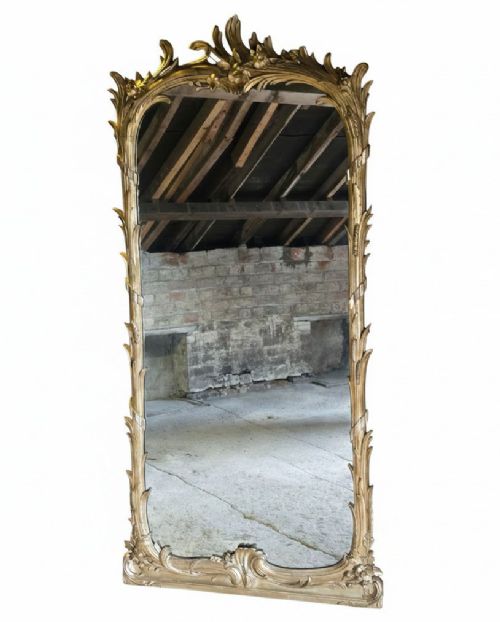
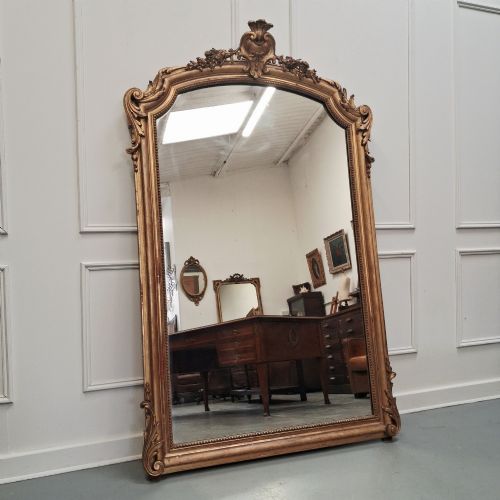
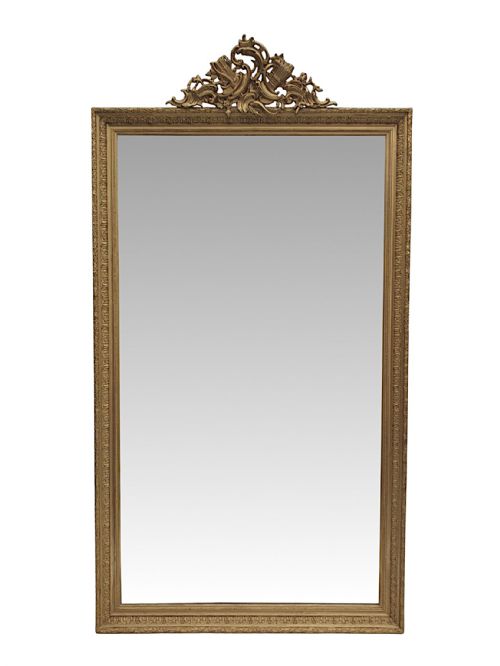
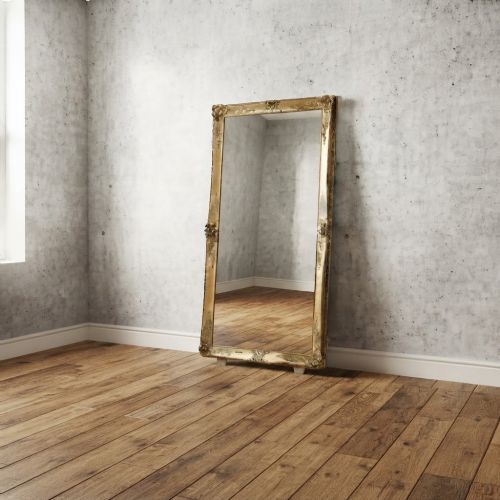
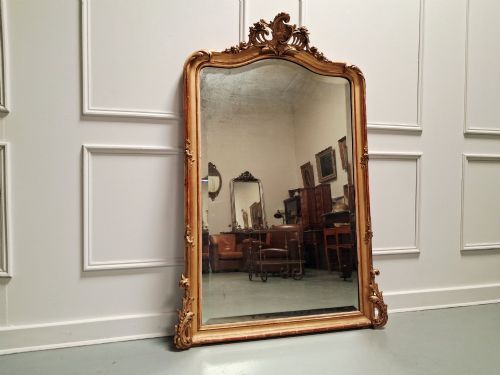
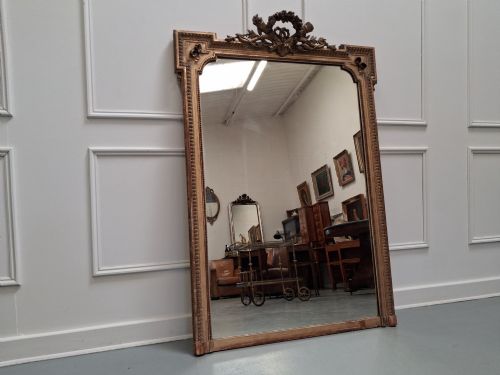
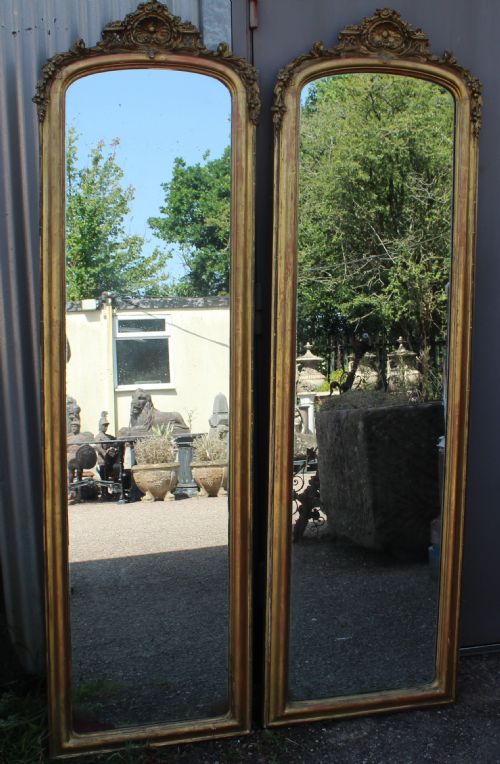
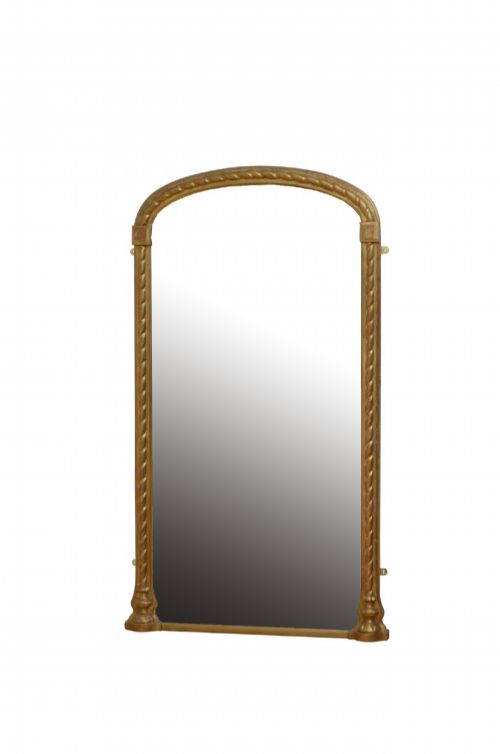


Giltwood Floor Mirror
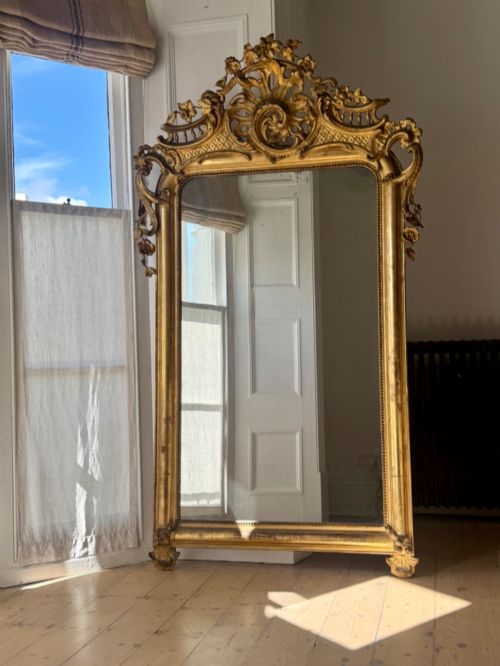
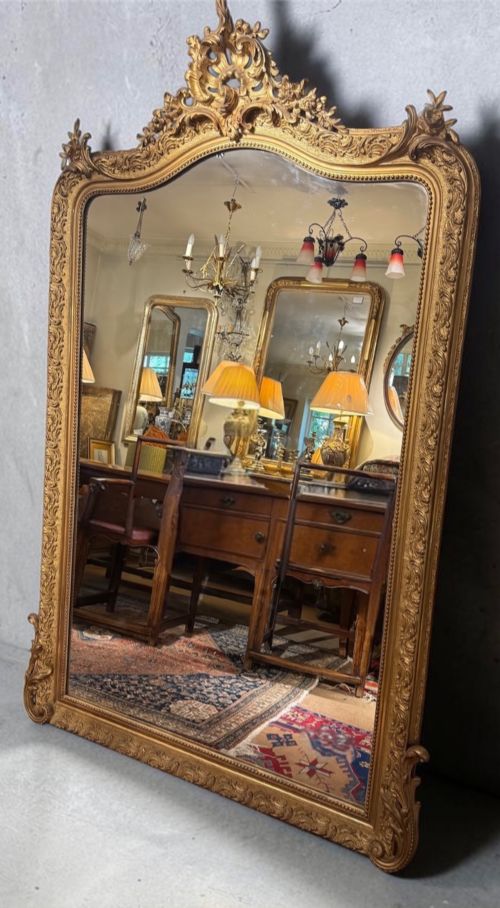
A giltwood floor mirror brings height and reflected light to a room, drawing the eye with carved gilded surfaces.
Giltwood Floor Mirror
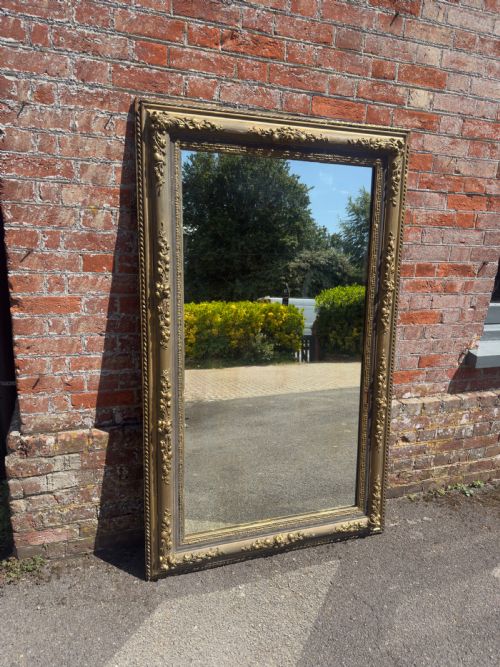
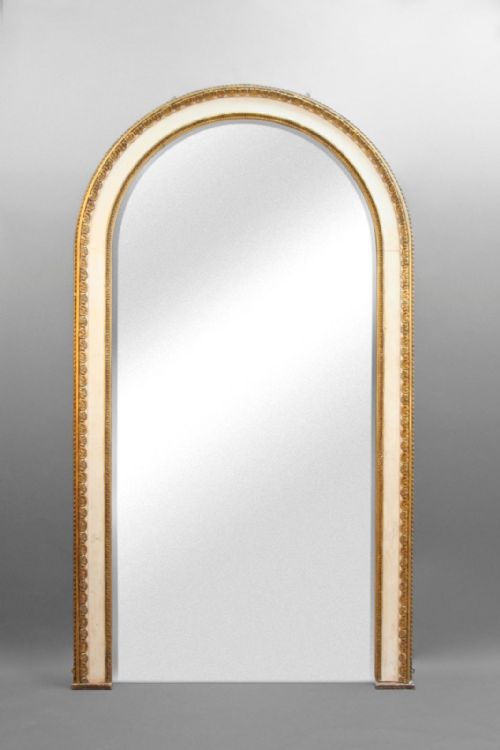
A giltwood floor mirror is a tall looking glass designed to stand on the floor or lean against a wall, frequently encountered in 19th-century French and English forms. These pieces often take the shape of leaner mirrors, cheval mirrors, and pier glasses that stretch the vertical space of a room.
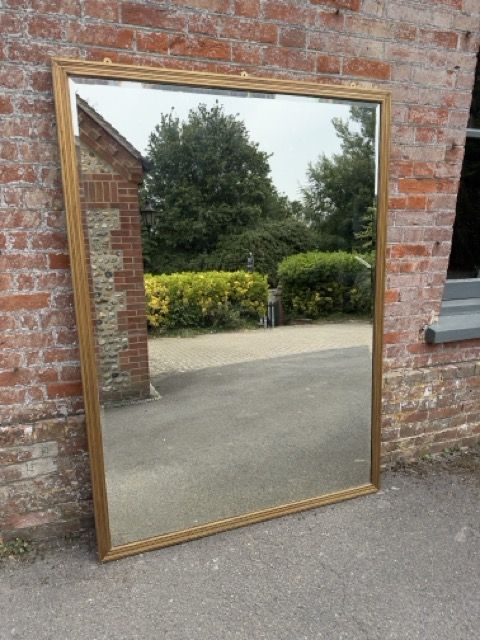
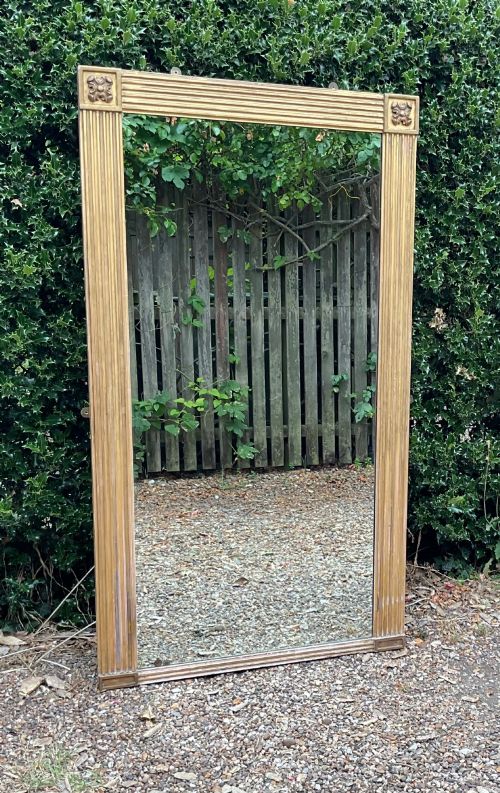
Buyers look for these substantial decorative objects to anchor grand interiors, utilising their considerable height to bounce daylight around living spaces and hallways. The selection on this page centres on 18th-century, Regency, and Victorian periods, showcasing ornate arched tops and rectangular frames.
How they were made
Makers constructed these frames from carved wood, applying layers of gesso and composition to build up elaborate relief details like rope carvings and floral crests. Gold leaf or gilt paint was then applied to the prepared surfaces, sometimes over a red bole base, to achieve a brilliant metallic finish.
Mirrors from earlier periods often feature original mercury glass plates, which display characteristic soft foxing and subtle dark spots from age. Later pieces utilise standard mirror glass set within heavy wooden and plaster structures built to support significant weight.
Some mirrors sport a spirited camel crest at the top, ensuring your reflection is supervised by a very dignified hump.
What varies in quality
The distinction between ordinary and exceptional examples lies in the crispness of the hand-carved wood and the depth of the gesso ornamentation. Superior pieces exhibit sharply defined motifs and robust joinery that supports the heavy glass without sagging or straining the frame.
Original mercury glass and untouched historic gilding elevate a mirror's standing among collectors who value period integrity. Poorer quality instances often show clumsy later repainting, heavy losses to the plaster mouldings, or replaced mirror plates that lack historical depth.
Nosotti's
The Giltwood Floor Mirror Glossary
- Giltwood
- Wood that has been coated with gold leaf or metallic powder. This technique provides a luminous finish that catches artificial light and daylight alike.
- Gesso
- A plaster mixture applied to wood frames to create a smooth surface for carving and gilding. It allows for intricate relief decoration.
- Cheval mirror
- A freestanding full-length mirror hung in a frame with pivots that allow it to tilt. It is typically designed to stand independently in a bedroom or dressing room.
- Pier glass
- A tall mirror specifically made to hang on the wall between two windows, often placed above a console table. It reflects additional light into the darker central areas of a room.
- Overmantel mirror
- A wide mirror designed to sit directly above a fireplace mantel. These pieces often echo the architectural proportions of the hearth below them.
- Foxing
- Age-related spots and discoloration appearing within the mirror glass itself. This chemical change occurs behind the reflective backing over many decades.
Giltwood Floor Mirror: Frequently Asked Questions
How do I style a giltwood floor mirror?
Lean the mirror casually against a main wall to create an illusion of depth and space in a bedroom or hallway. Let it anchor the room without hanging hardware, allowing its heavy frame to rest securely on the floorboards.
Pair the piece with simple surrounding furniture so the ornate carved details remain the focal point. Avoid overcrowding the reflected space with too many competing patterns.
What is a leaner mirror?
A leaner mirror is a tall looking glass built with sufficient stability to rest directly against a wall without being fixed into the masonry. These pieces rely on their substantial weight and balanced proportions to stay upright.
They offer flexibility in placement because they do not require wall anchors, making them popular for rooms with high ceilings. Their grand scale naturally draws the gaze upward.
What is mercury glass?
Mercury glass refers to double-walled glass blown in the 19th century with a silvering mixture inserted between the layers. Despite the name, actual mercury was rarely used in the later Victorian variations.
This historic glass produces a warm, misty reflection rather than the stark clarity of modern silvered mirrors. Collectors prize the gentle foxing and dark speckles unique to these early plates.
How do I tell an 19th-century mirror from a modern reproduction?
Examine the backboards, fixings, and the glass itself for signs of genuine age and hand craftsmanship. Antique frames usually display pegged mortise and tenon joints, hand-applied gesso, and backboards made from aged timber.
Modern replicas often use uniform machine-cut components, modern screws, and flawless glass without any natural foxing or distortion. Look closely at the gilding to see if it shows the micro-craquelure typical of old composition and gold leaf.