
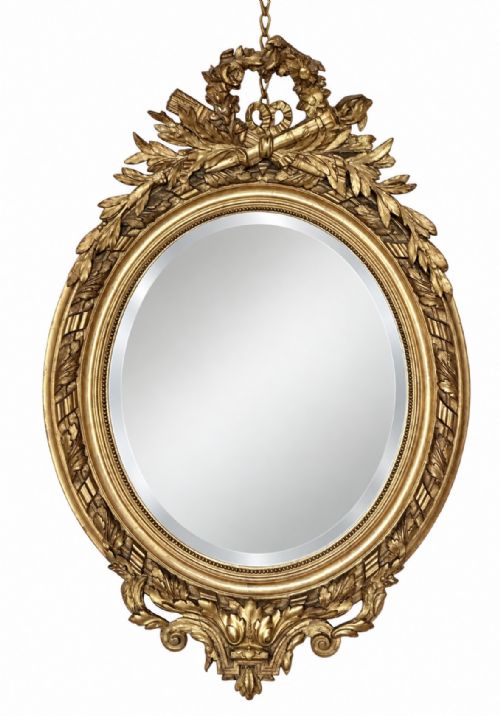
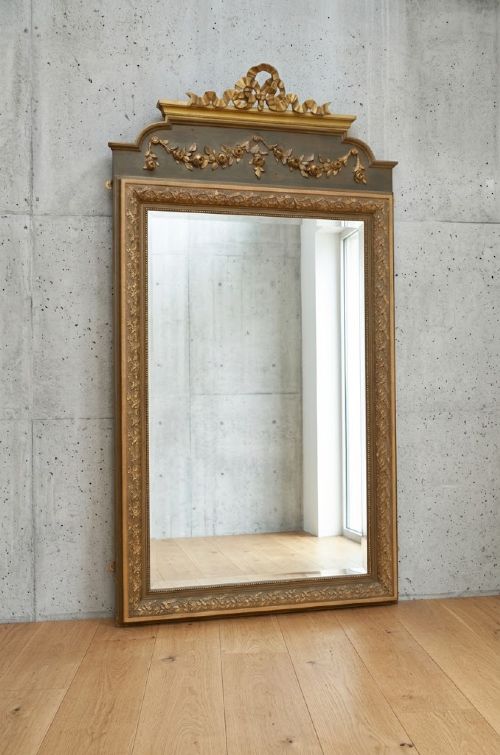
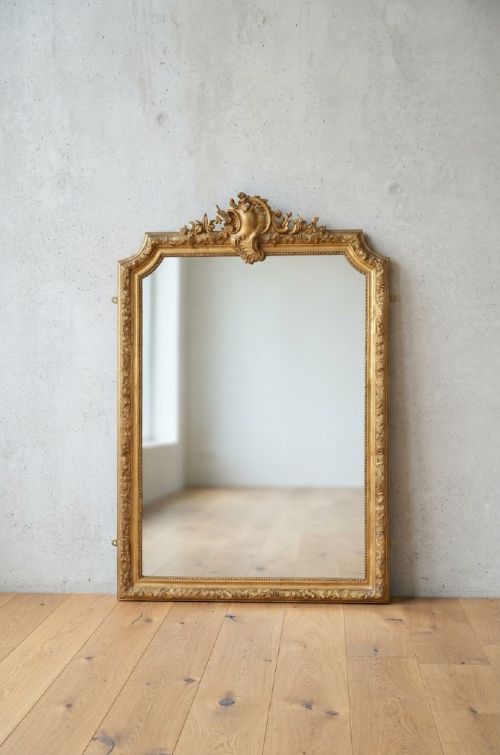
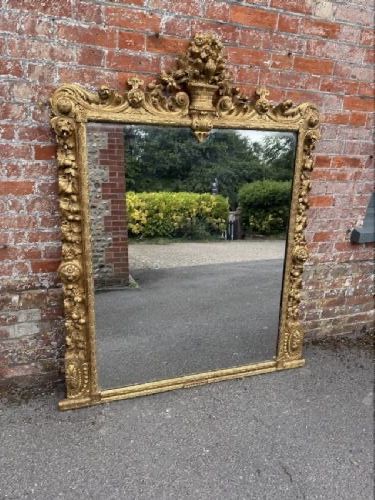
Ornate Crest Wall Mirror
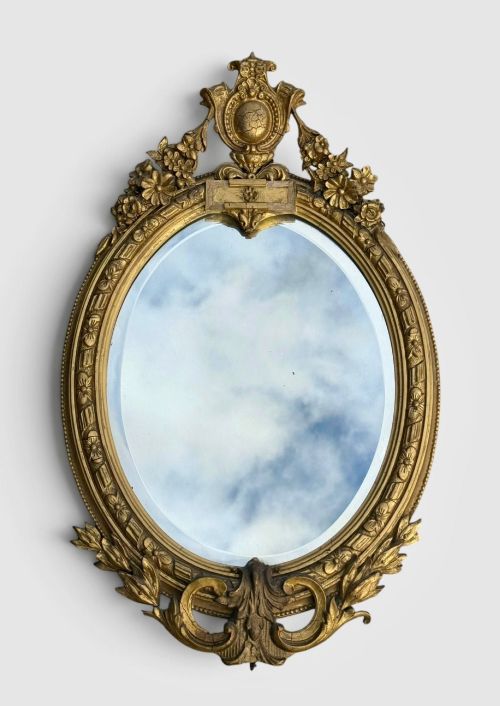
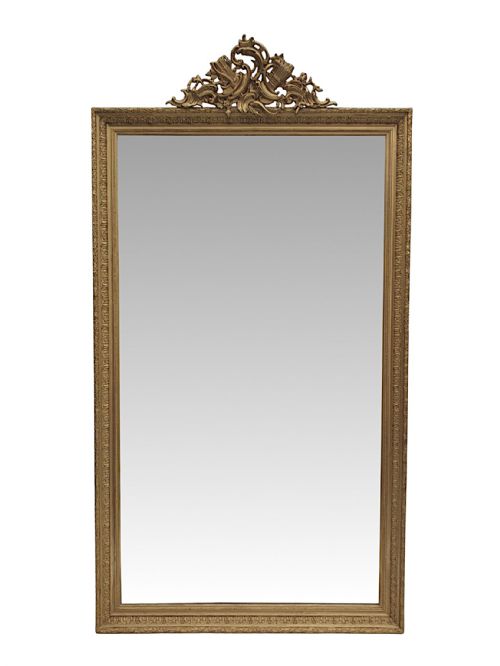
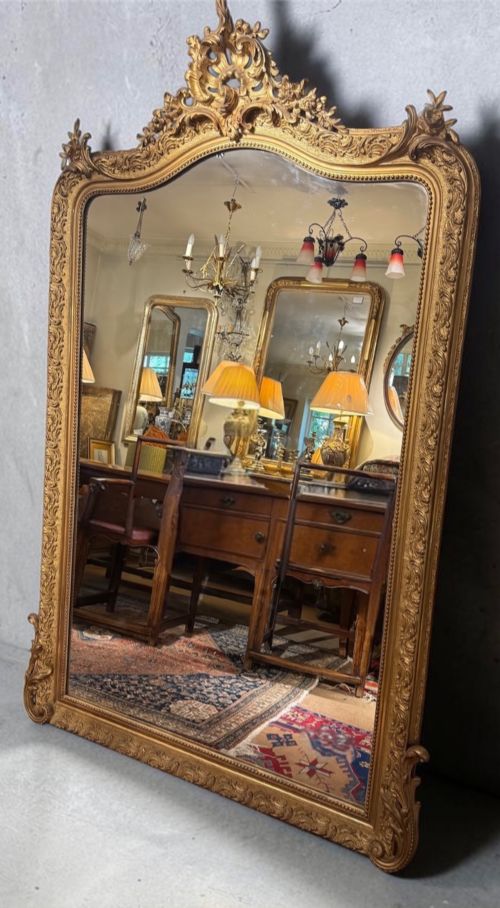
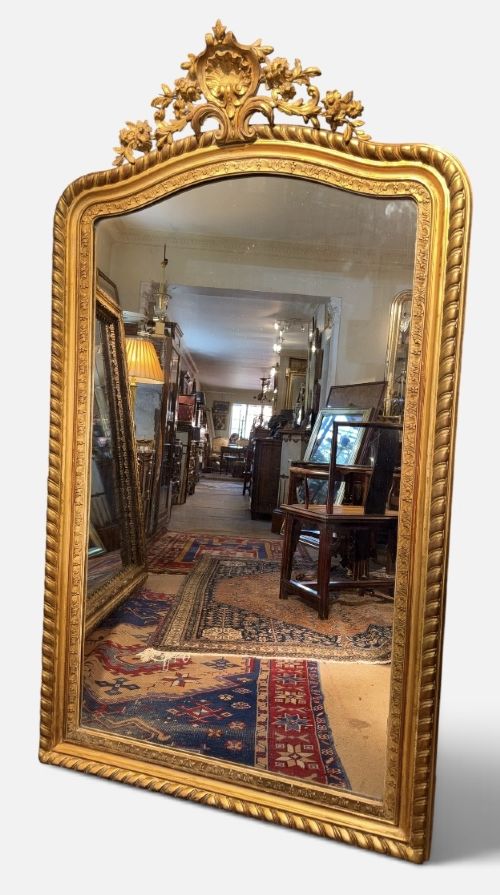
An ornate crest wall mirror brings architectural weight and reflective light to a room, drawing the eye upwards with carved decoration.
Ornate Crest Wall Mirror
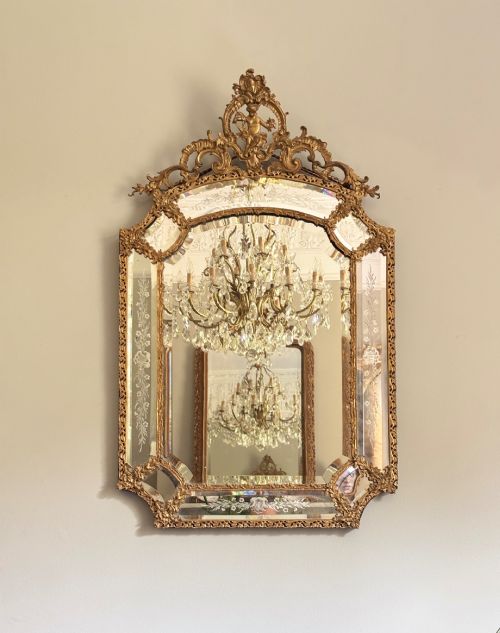
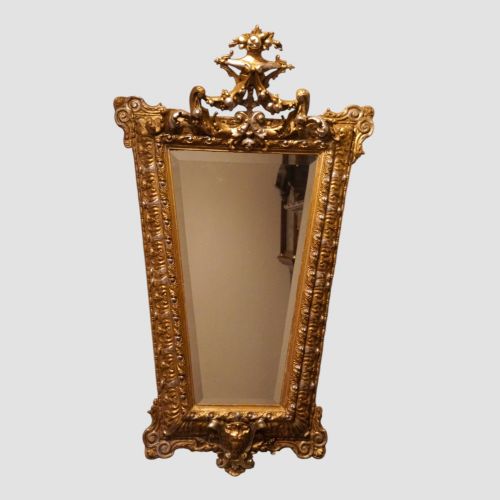
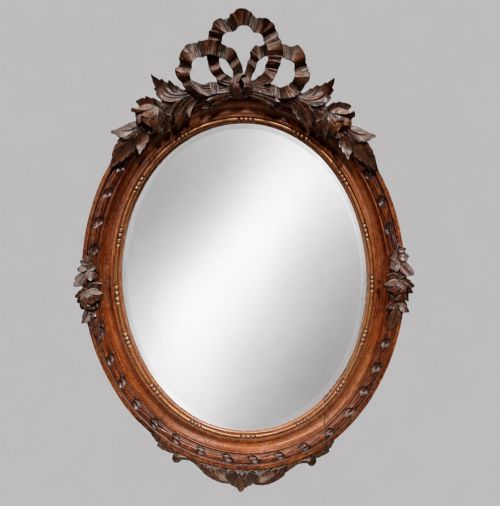
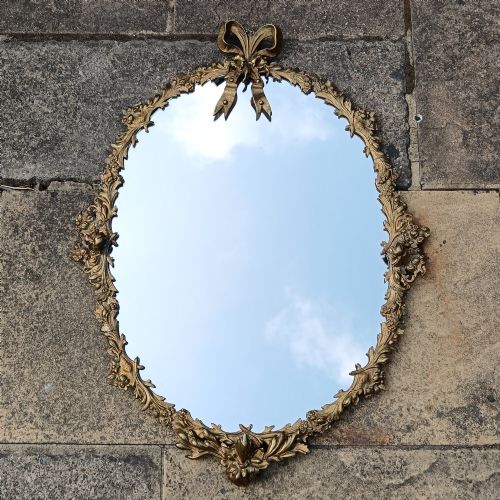
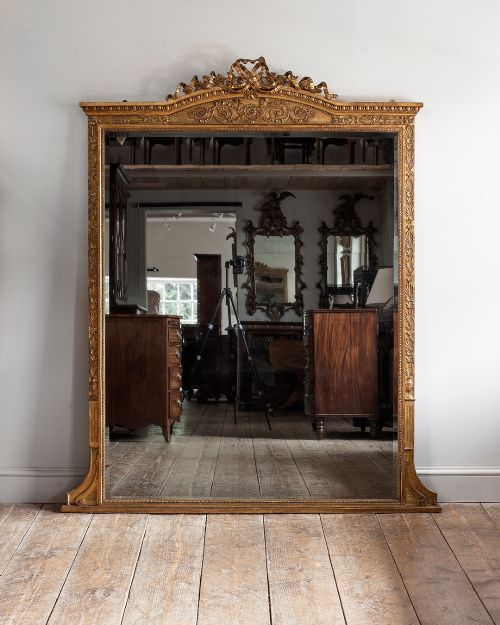
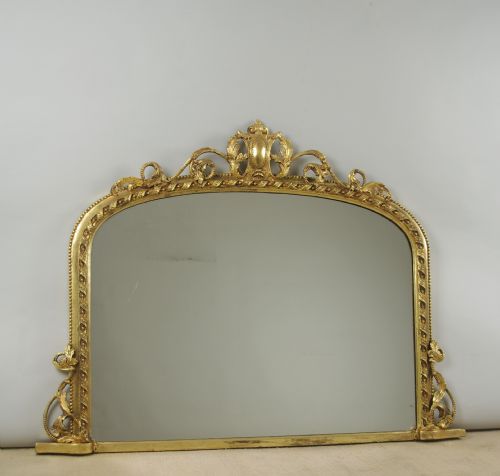
An ornate crest wall mirror takes many architectural forms, from tall overmantels designed for a chimney breast to compact oval pieces meant for a pier or hallway. When searching for an ornate crest wall mirror, buyers encounter numerous nineteenth-century examples shaped by Victorian, Rococo Revival, and French design traditions.
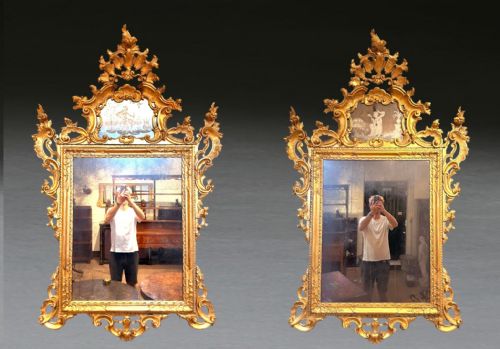
The dominant forms span grand architectural overmantels with arched tops to smaller wall mirrors featuring ribbon, mask, or scroll cresting. Most pieces originate from French and English workshops, with Italian Venetian variants also appearing frequently in the selection.
Victorian and nineteenth-century pieces dominate the selection, often carrying heavy gilding and elaborate carved motifs that define the style. These mirrors served both functional and decorative purposes in period interiors, reflecting light into dark reception rooms while signalling the owner's taste.
Materials and construction
Makers built these frames using solid wood, gesso, and composition applied over a wooden base to hold deep relief ornament. Craftsmen then coated the surfaces in gold leaf or silver-gilt to achieve a brilliant metallic finish.
Glass plates were silvered or utilised mercury, set behind carved crests that were pinned or joined directly to the main frame. Gilt bronze and pressed brass also appear in French and Victorian pieces, offering crisp detail on smaller frames and girandoles.
Ornate Crest Wall Mirror Retail Price Guide 2026
Typical asking prices for ornate crest wall mirror among the pieces listed under this phrase on Sellingantiques today, from the lower quarter to the upper quarter. They describe what is for sale here now, not the wider market.
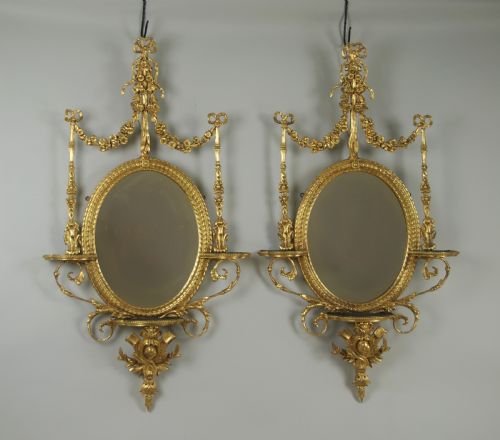
Several mirrors feature ribbon crests and delicate twin candle arms, ready to cast flickering light across a Victorian drawing room.
Judging the work
Quality rests primarily in the depth and crispness of the carved ornament on the crest and frame. Hand-carved wooden details show sharper undulations and varied chisel marks compared to cast composition mouldings which can appear uniform.
The integration of the crest to the main mirror body indicates the maker's skill, with superior pieces maintaining seamless joinery and balanced proportions. Original mercury plates and heavy, uncompromised gilding elevate the status of an antique mirror significantly.
The Ornate Crest Wall Mirror Glossary
- Giltwood
- Wood that has been coated with a thin layer of gold leaf. This material provides the primary metallic finish for many nineteenth-century frames.
- Gesso
- A plaster-like mixture applied to wooden frames as a base for gilding. Artisans carved intricate relief patterns directly into this ground.
- Overmantel mirror
- A large horizontal mirror designed specifically to hang above a fireplace mantelpiece. These pieces often feature elaborate crests to fill vertical wall space.
- Girandole
- A wall mirror fitted with one or more candle arms branching from the frame. The candles reflected off the glass to increase illumination in a room.
- Mercury plate
- An older type of mirror glass created using a tin and mercury amalgam before the modern silver nitrate process. It produces a mottled, dark reflection characteristic of earlier antiques.
Ornate Crest Wall Mirror: Frequently Asked Questions
Where should I hang an overmantel mirror?
These large pieces sit naturally above a fireplace mantelpiece, anchoring the room's central hearth. They also function well on prominent dining room or hallway walls where their height can balance tall ceilings.
Ensure the wall construction supports the substantial weight of a wood and gesso frame before installation. Secure fixings into wall studs or use appropriate masonry anchors.
How do I clean an antique gilt frame?
Dust the carved crest and frame gently using a soft, dry artist's brush or a feather duster. Avoid commercial liquid cleaners, water, or abrasive cloths which strip fragile gold leaf and gesso.
Take care around the edges where the mirror plate meets the frame. Moisture can seep behind the glass and damage the silvering over time.
What is a mercury plate?
A mercury plate refers to mirror glass made by applying a tin-mercury mixture to the back of the glass. This technique was standard before the twentieth century and creates a distinctive, slightly uneven reflection.
Spotting and darker patches within the glass are normal characteristics of genuine mercury plates. Collectors prize these surfaces for the authentic age they impart to the mirror.
How do I identify French Rococo Revival styles?
French Rococo Revival pieces feature asymmetrical C-scrolls, floral garlands, and naturalistic shell motifs. The frames curve organically rather than adhering to strict symmetrical geometry.
Look for pierced woodwork and elaborate crests depicting masks, ribbons, or doves. These details reflect the influence of eighteenth-century French design revived during the nineteenth century.