
Antique Gold Gilt Mirror
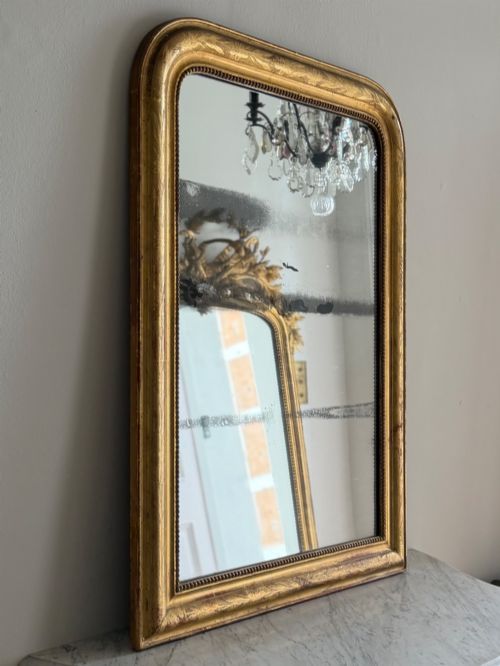
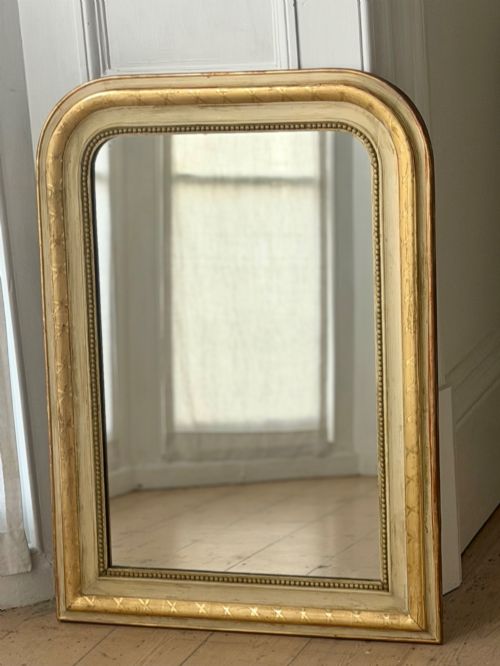
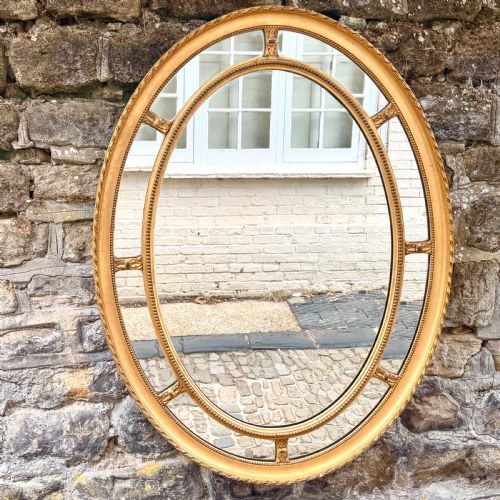
An antique gold gilt mirror brings warmth and reflective depth to a room, catching the light through surfaces shaped by centuries.
Antique Gold Gilt Mirror
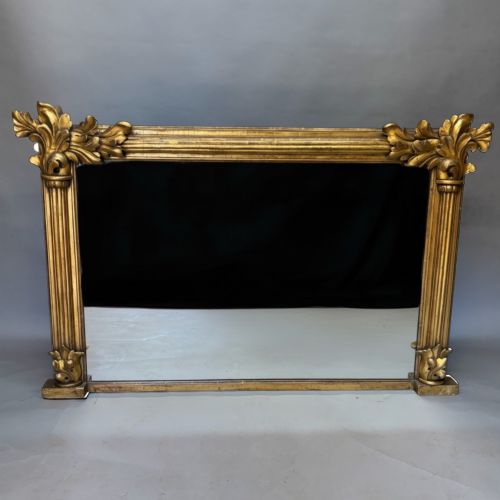
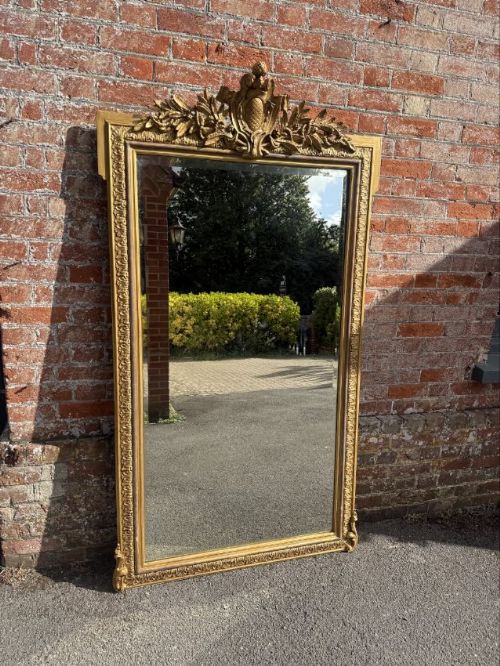
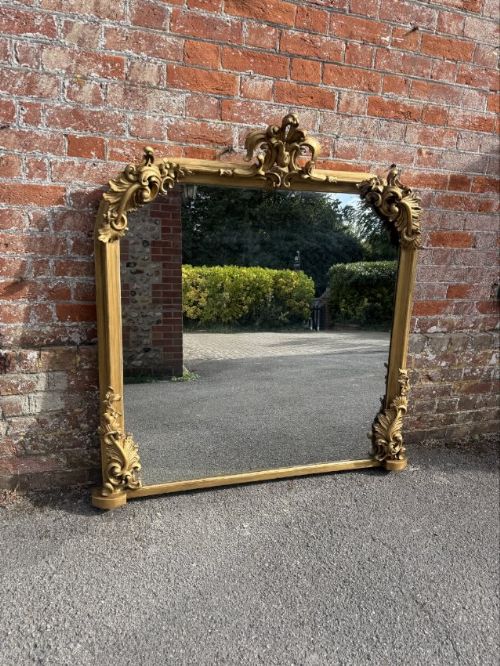
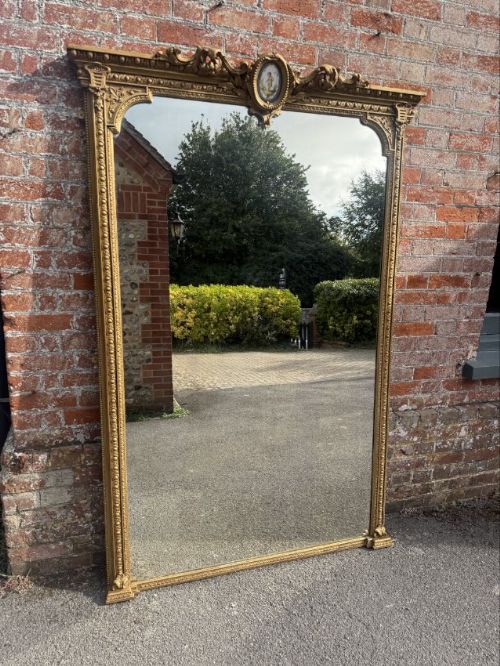
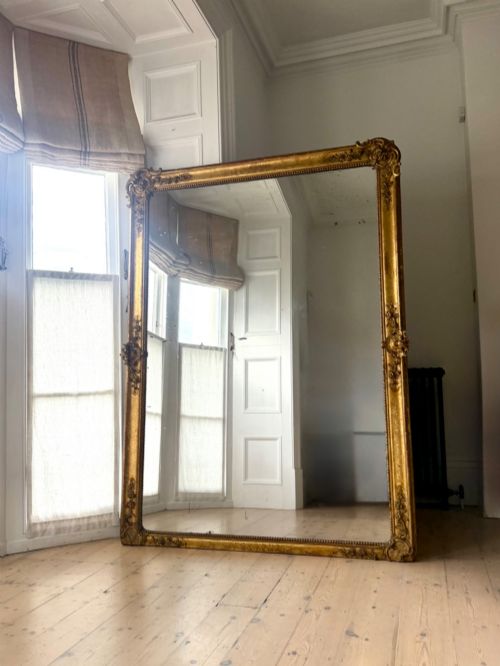
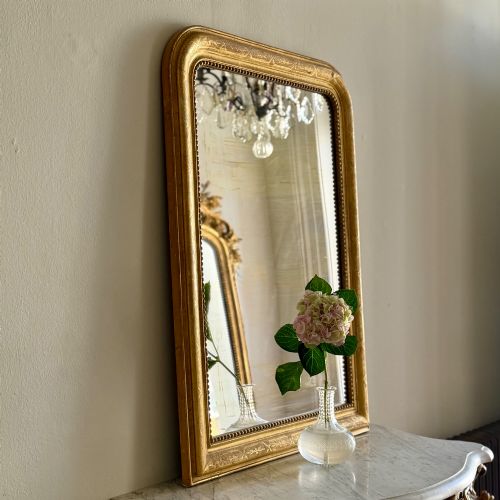
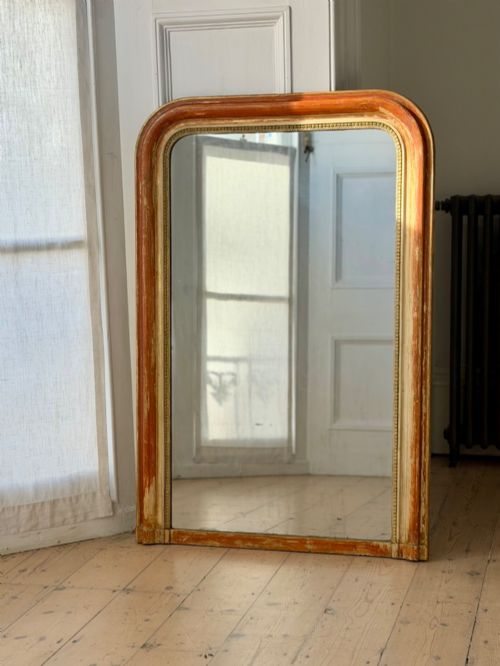
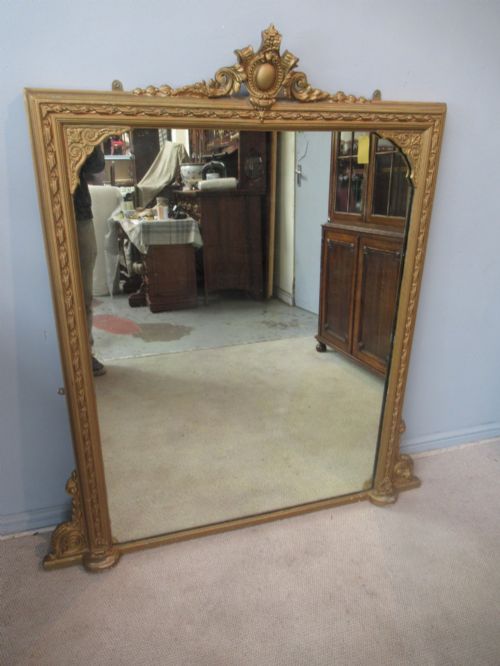
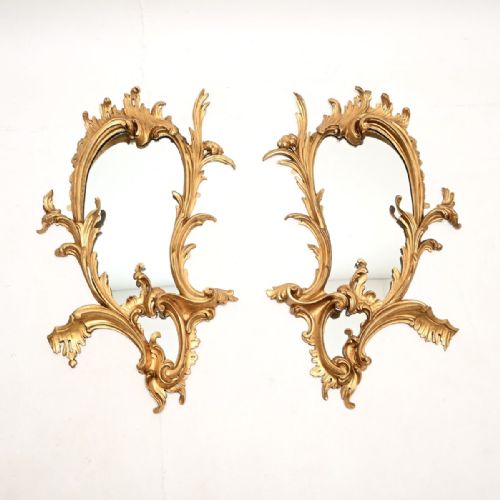
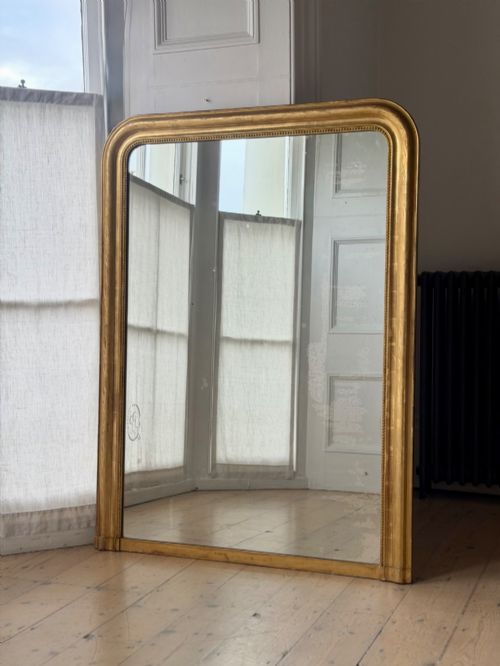
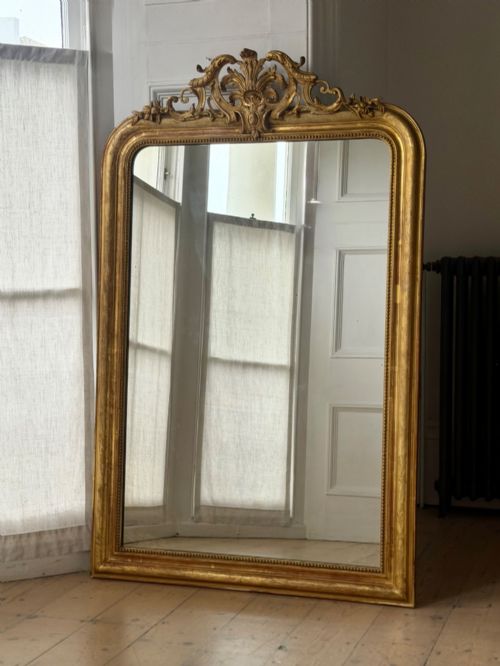
When searching for an antique gold gilt mirror, buyers encounter a range of wall-hanging and overmantel pieces originating mainly from the nineteenth century alongside eighteenth-century examples. The selection includes French Louis Philippe designs, ornate overmantel mirrors, and compact girandole styles.
Most pieces date to the nineteenth century, reflecting Victorian, Regency, and French revival aesthetics. Forms vary from simple wall mirrors to grand architectural overmantels designed to sit above a fireplace.
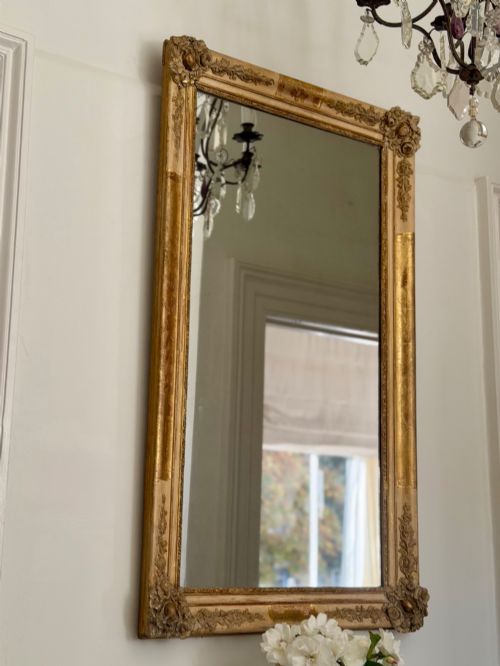
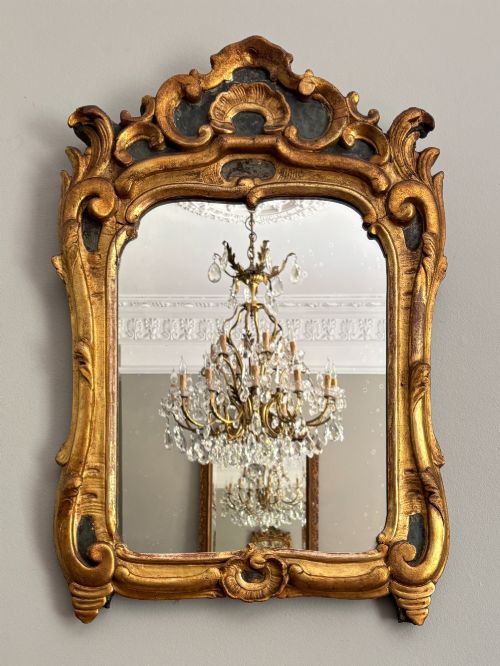
Origins span English workshops and continental makers, particularly French and Italian centres. Buyers find everything from restrained neoclassical frames to heavily carved giltwood and gesso pieces.
How they were made
Frames are constructed from wood, commonly carved timber or built up with gesso on a wooden base. Artisans applied thin layers of gold leaf or gilt over the prepared surface to create the characteristic metallic sheen.
Glazing relies on mirror glass, with many older items retaining original mercury glass plates that show distinctive foxing and ageing. Some examples incorporate specialist techniques such as etched glass or eglomise panels.
Foxed mercury glass turns a routine check of one's hair into an encounter with a nineteenth-century ghost.
What varies in quality
The standard of carving and the application of gesso determine the definition within leaf and scroll motifs. Crisp hand-carved wooden details distinguish finer pieces from mass-produced plaster alternatives.
The condition and authenticity of the mirror plate matter significantly, with original mercury glass plates holding greater interest than modern replacements. The depth and integrity of the original gilding also separate standard items from superior examples.
The Antique Gold Gilt Mirror Glossary
- Giltwood
- Timber coated with gold leaf or a metallic substitute. This material forms the primary structure of many classical frames.
- Gesso
- A plaster-like mixture applied to wood frames to create a smooth surface for carving and gilding. It allows for intricate relief ornamentation.
- Mercury glass
- A double-walled glass blown type silvered with a mercury amalgam between the layers. It produces a mottled, atmospheric reflection.
- Overmantel mirror
- A large mirror specifically proportioned to hang above a mantelpiece. These pieces often feature arched tops to fit architectural spaces.
- Eglomise
- The technique of applying gold or silver leaf to glass combined with engraving and painting. This method produces decorative borders and panels.
Antique Gold Gilt Mirror: Frequently Asked Questions
What is an overmantel mirror?
An overmantel mirror is a large wall mirror designed specifically to hang above a fireplace mantel. These pieces often feature architectural shapes, such as arched tops or rectangular formats that echo the proportions of a hearth.
Historically, they anchored the decorative scheme of a nineteenth-century room, reflecting light from the fire and windows back into the space.
How do I identify mercury glass?
Mercury glass appears darker and warmer than modern silvered glass, with characteristic dark spots, cloudiness, and foxing scattered across the reflection. This ageing occurs as the backing material degrades over time.
Genuine pieces display an irregular, depth-filled reflection rather than the flat clarity found in twentieth-century replacements.
Where should I hang a gilt mirror?
Gilt mirrors work effectively above fireplaces, console tables, or on principal walls where they can capture and multiply natural light. Their reflective surfaces help brighten darker corners and create an illusion of space.
Placement should consider the weight of the frame, as substantial carved wood and gesso pieces require secure wall fixings.
What is the difference between gesso and carved wood?
Carved wood involves shaping the timber frame directly with chisels and gouges before applying a finish. Gesso is a plaster mixture applied over a simpler wooden carcass and moulded or carved while pliable.
Many frames combine both techniques, using a wooden core with applied gesso ornamentations for complex decorative motifs.