


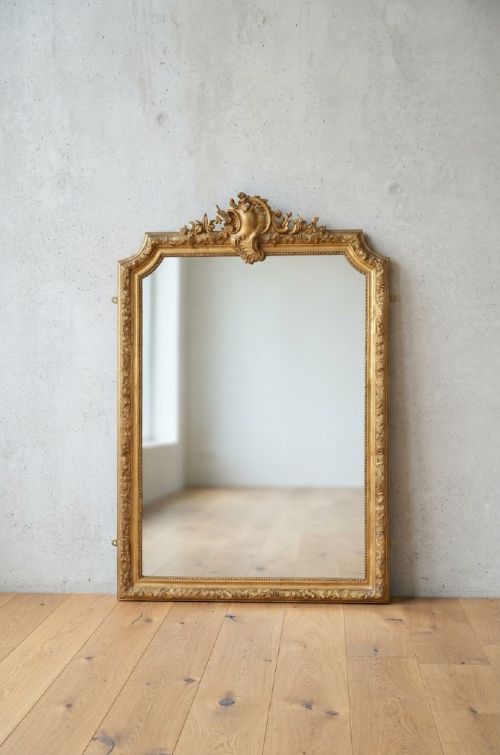
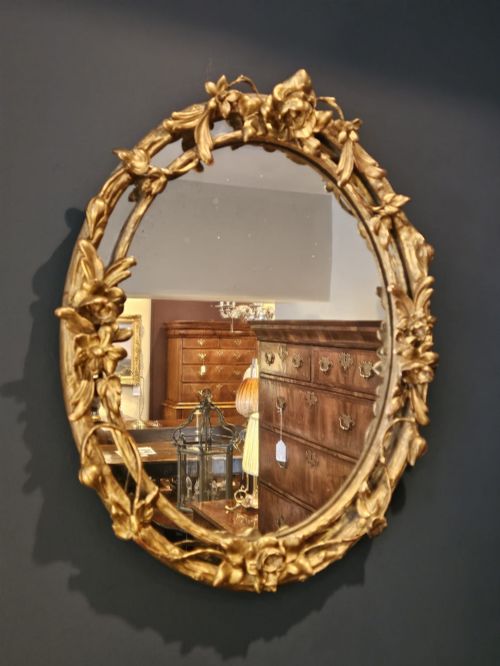
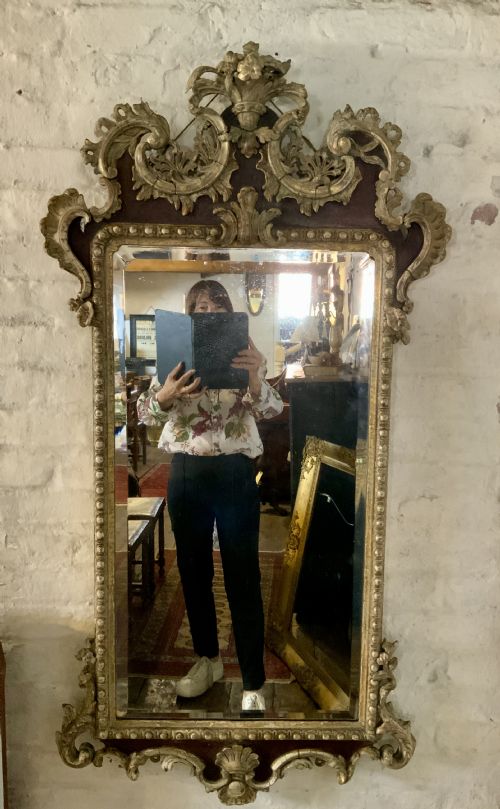
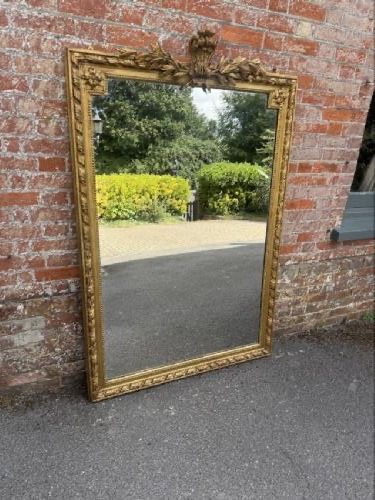




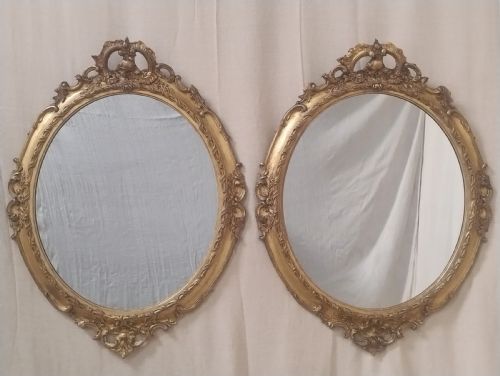

Gilded Wood Accent Mirror
A gilded wood accent mirror brings light and warmth to a room through centuries of carving and leaf work.
Gilded Wood Accent Mirror
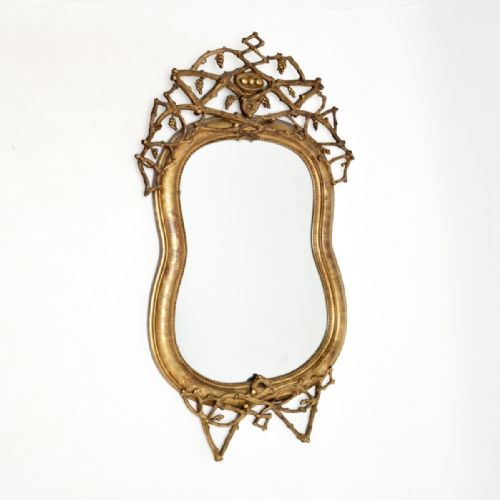
A gilded wood accent mirror appears in forms such as wall mirrors, overmantel mirrors, and pier glasses spanning the eighteenth, nineteenth, and early twentieth centuries.
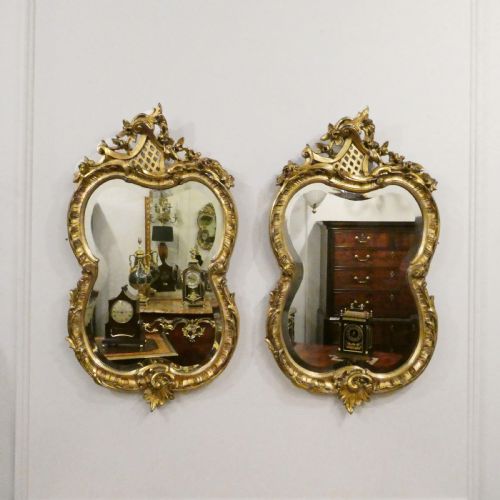
The nineteenth-century examples dominate this selection, frequently bearing Victorian, Rococo Revival, or Italian styles alongside earlier eighteenth-century George II and George III designs.
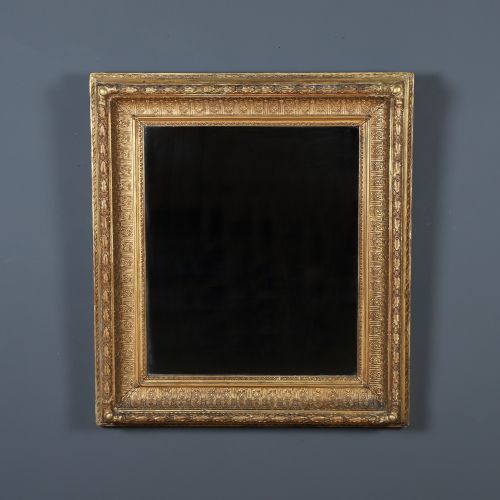
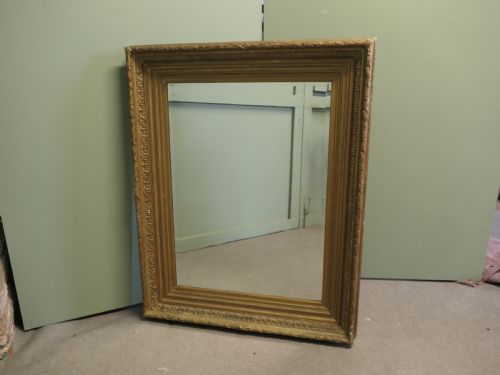
These pieces function as decorative focal points in hallways and reception rooms, varying from small oval frames to large arched and rectangular overmantels.
Materials and construction
The construction relies on carved wood and gesso applied to timber frames before receiving layers of gold leaf or parcel gilt finishes.
Makers shaped the wood into scrolls, foliate cresting, and vine motifs, supporting the mirror glass with traditional backing and joinery.
Evaluating the craftsmanship
Quality rests upon the depth and crispness of the hand-carving within the wood and gesso, distinguishing sharp relief work from softer moulding.
The preservation of the original gold leaf and the character of the mirror glass itself determine the visual depth of the piece.
John Belchier
The Gilded Wood Accent Mirror Glossary
- Giltwood
- Wood that has been coated with gold leaf or gold powder. This surface finish defines the reflective warmth of the frame.
- Gesso
- A plaster mix applied to wood frames to create a smooth base for carving and gilding. It allows for intricate moulded details.
- Overmantel mirror
- A large mirror designed to hang above a fireplace mantel. These pieces often feature wide proportions to reflect room light.
- Pier glass
- A tall mirror designed to hang on the wall space between two windows. They make efficient use of natural light in period rooms.
- Rococo
- An ornate artistic style characterised by asymmetric scrolls and shell motifs. It heavily influences the nineteenth-century revival frames found here.
Gilded Wood Accent Mirror: Frequently Asked Questions
Where should I hang a gilded wood accent mirror?
These mirrors suit hallways, living rooms, and above fireplaces where they can capture and reflect natural light.
Their decorative frames complement period interiors and add warmth to neutral walls.
How do I identify a nineteenth-century mirror?
Look for construction traits such as heavy gesso over carved wood, typical Victorian or Rococo Revival styling, and older mirror glass.
Makers of this period often utilised Italian or French design influences.
What is parcel gilt?
Parcel gilt describes an object where only specific parts of the wood surface are gilded with gold leaf, leaving exposed timber visible underneath.
This technique highlights particular carved details rather than covering the entire frame.
Are these mirrors heavy?
The combination of solid wood, gesso, and glass makes many of these frames substantial in weight.
Secure wall fixings suited to the specific weight of the piece are essential for safe hanging.